
California, a land synonymous with sun-drenched beaches, towering redwoods, vibrant cities, and serene vineyards, is a dream destination for travelers worldwide. From the iconic Golden Gate Bridge in San Francisco to the star-studded boulevards of Los Angeles and the pristine wilderness of Yosemite National Park, the Golden State offers an unparalleled tapestry of experiences. Tourists flock to its diverse landscapes, seeking everything from luxurious stays in Beverly Hills hotels to rugged adventures in its many national parks and forests. However, beneath this allure lies a growing environmental challenge: the escalating frequency and intensity of wildfires. These blazes not only devastate natural ecosystems and communities but also significantly impact the travel, tourism, and accommodation sectors, reshaping the lifestyle of both residents and visitors. Understanding the multifaceted causes of these fires is crucial for appreciating the complexities of the issue and for safeguarding California’s future as a premier global destination.
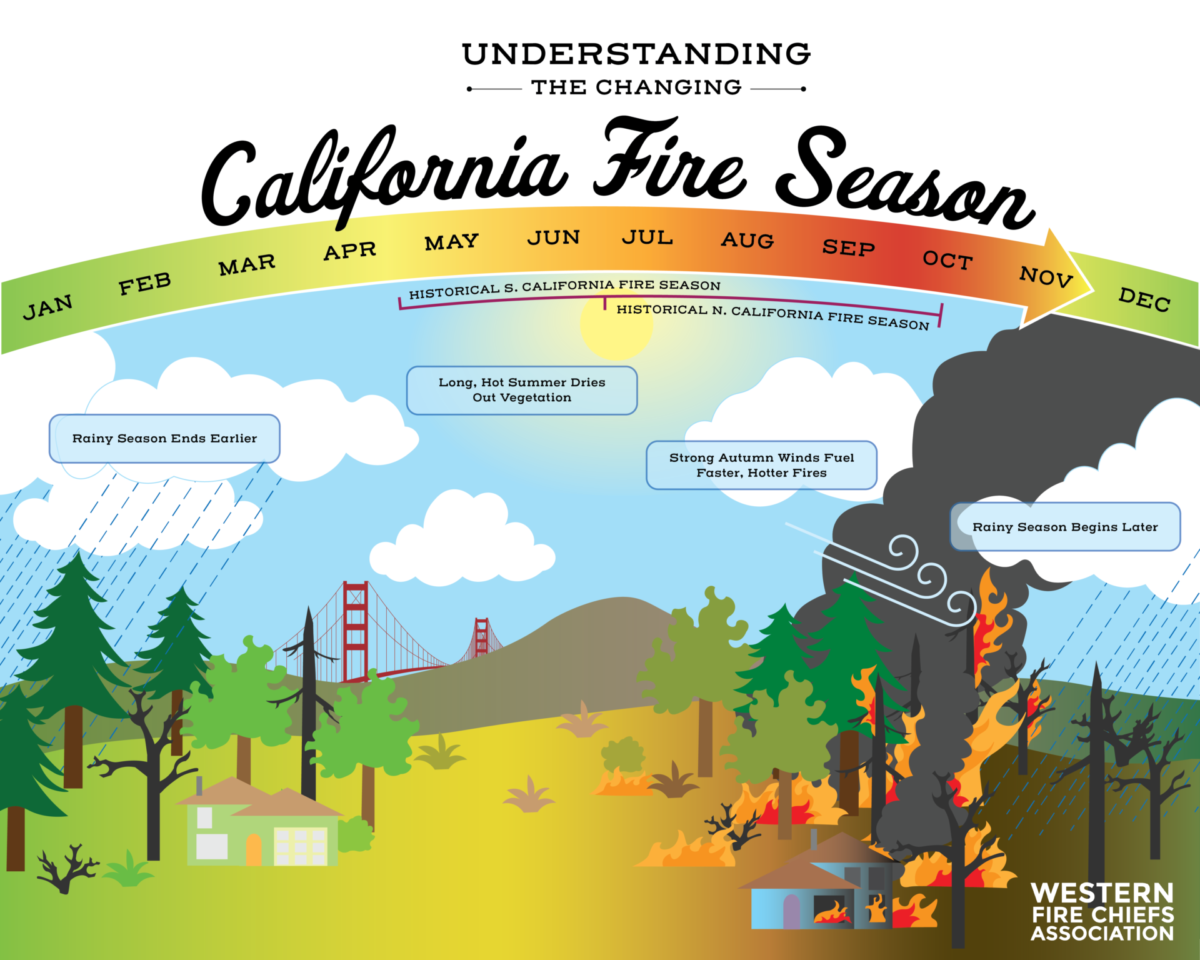
The answer to “What is causing fire in California?” is not singular, but rather a complex interplay of environmental shifts driven by climate change, human activities, and historical land management practices. These factors combine to create a landscape increasingly vulnerable to catastrophic fires, threatening everything from renowned landmarks to the quiet charm of boutique hotels and vacation rentals.
The Evolving Climate Crisis and Environmental Factors
At the heart of California’s wildfire crisis is a rapidly changing climate, which has fundamentally altered the state’s natural environment. The majestic landscapes that draw millions of visitors annually are simultaneously becoming more susceptible to ignition and rapid fire spread due to shifting weather patterns and ecological stressors.
Prolonged Drought and Arid Landscapes
One of the most significant environmental culprits is the relentless pattern of prolonged drought. California has experienced some of its driest years on record, leading to widespread desiccation of vegetation across vast expanses of the state. From the chaparral-covered hillsides of Southern California to the dense forests of the Sierra Nevada mountain range, trees and shrubs are starved of moisture, turning into highly flammable fuel. This parched vegetation forms a ready tinderbox, waiting for a spark. Areas like the Central Valley, known for its agricultural bounty, also contend with increasingly arid conditions that extend into the surrounding foothills, affecting smaller communities and rural accommodations. The impact on lifestyle is palpable, as residents face water restrictions, and outdoor recreational activities, a cornerstone of travel in regions like Mammoth Lakes, become riskier during peak dry seasons. This extreme dryness means that when fires do ignite, they spread with alarming speed and intensity, making containment efforts incredibly challenging even for the most advanced firefighting teams.
Rising Temperatures and Heatwaves
Compounding the effects of drought are consistently rising temperatures and more frequent, intense heatwaves. Global warming has led to an observable increase in average temperatures across California. These extreme heat events further dry out vegetation, increase evaporation from reservoirs and soils, and extend the fire season well beyond its traditional boundaries. Summers in places like Palm Springs have always been hot, but the prolonged duration and unprecedented intensity of recent heatwaves across the state create perfect conditions for large, destructive fires. High temperatures not only dry out fuel sources but also create unstable atmospheric conditions that can contribute to fire behavior, such as pyrocumulus clouds that generate their own weather systems and lightning strikes. For the tourism sector, these heatwaves can deter travel during peak periods, forcing visitors to reconsider plans for exploring Death Valley National Park or hiking trails in Joshua Tree National Park, impacting local hotels and businesses. The comfort and safety of guests staying at luxury resorts or family-friendly hotels become paramount considerations during these periods of extreme weather.
The Role of Wind Patterns: Santa Ana and Diablo Winds
California’s unique geography also plays a critical role, particularly the influence of powerful wind patterns. The notorious Santa Ana winds in Southern California and the similar Diablo winds in the northern part of the state are hot, dry winds that sweep down from inland deserts and mountains, pushing fires at incredible speeds. These winds act like bellows, fanning flames and carrying embers far ahead of the main fire front, leading to rapid, unpredictable spread. They can transform a small blaze into a raging inferno within hours, making evacuation and containment incredibly difficult. These wind events are particularly dangerous in the autumn months, often coinciding with peak dryness. Many scenic routes, such as the Pacific Coast Highway near Big Sur, and popular tourist towns like Santa Barbara, find themselves directly in the path of these winds, putting communities, landmarks, and the entire travel infrastructure at severe risk. The unpredictability of these winds also means that travel advisories can change rapidly, affecting bookings for accommodations and plans for exploring local culture and attractions.

Human Activity: A Double-Edged Sword
While climate change sets the stage, human actions, both intentional and accidental, are the primary ignition sources for the vast majority of California wildfires. The sheer volume of human presence across the state, from bustling urban centers like San Jose and Sacramento to remote wilderness areas, means that every activity carries a potential risk.
Accidental Ignitions and Infrastructure Failures
A significant percentage of wildfires are sparked by human negligence or faulty infrastructure. Power lines, particularly aging ones, can sag, break, or be downed by strong winds, sparking fires when they come into contact with dry vegetation. This was a major factor in several devastating fires, prompting utility companies to implement public safety power shutoffs, which, while preventive, also disrupt daily life and tourism. Other common accidental ignitions include discarded cigarettes, unattended campfires left by campers in state parks or national forests, sparks from vehicle exhausts or faulty catalytic converters, and even equipment use in agricultural or construction settings. A simple flick of a cigarette butt along a highway near a popular Wine Country resort can have catastrophic consequences. The risk from accidental ignitions is a constant concern for accommodation providers, who must ensure their properties and guests adhere to strict fire safety protocols, especially in areas bordering wildlands. These incidents highlight the delicate balance between enjoying California’s natural beauty and the responsibility of preventing accidental fires.

Arson and Deliberate Acts
Tragically, not all fires are accidental. Arson accounts for a disturbing number of wildfires, with individuals deliberately setting fires for various malicious reasons. While the motivations can range from criminal intent to psychological issues, the impact is uniformly devastating. Deliberate ignitions can target specific areas, sometimes near residential communities, tourist destinations, or critical infrastructure, maximizing destruction. These acts add another layer of complexity to wildfire prevention, requiring law enforcement vigilance in addition to environmental and infrastructural efforts. The threat of arson can also introduce an element of fear and uncertainty for travelers, impacting decisions about visiting certain regions, even those known for their historic charm or unique attractions.
Expanding Wildland-Urban Interface (WUI)
California’s population growth and housing demands have led to significant development in the wildland-urban interface (WUI) – areas where homes and communities are built adjacent to or within wildland vegetation. This expansion puts more people, homes, and infrastructure directly in harm’s way. When a wildfire ignites in these areas, it not only threatens lives and property but also complicates firefighting efforts. Firefighters must prioritize saving homes, diverting resources that could otherwise be used to contain the fire’s spread in less populated areas. Popular coastal towns like Malibu, mountain communities around Lake Tahoe, and charming villages in regions like Mendocino are particularly vulnerable. The WUI also means that fires are more likely to destroy accommodation options, from luxury villas to quaint bed and breakfasts, leading to significant economic losses and disrupting the local tourism economy. The decision to build in these picturesque yet high-risk areas is a complex lifestyle choice with profound implications for wildfire severity and impact.
Forest Management and Ecological Dynamics
Beyond climate and human ignition sources, historical and contemporary forest management practices, coupled with natural ecological dynamics, contribute significantly to the current wildfire crisis.
Fuel Accumulation and Historical Suppression
For over a century, the prevailing approach to wildfire management in California and much of the United States has been aggressive fire suppression – extinguishing nearly every blaze as quickly as possible. While this strategy protected communities and resources in the short term, it inadvertently disrupted natural ecological processes. Historically, indigenous populations and natural lightning strikes allowed frequent, low-intensity fires to regularly clear out undergrowth, fallen trees, and dead vegetation. These “prescribed burns” kept forests healthy and less prone to catastrophic blazes. However, decades of suppression have led to an unprecedented buildup of “fuel” – dense stands of trees, thick brush, and layers of dead wood – on forest floors. When a fire eventually ignites in these overgrown areas, often in revered landmarks like Sequoia National Park or national forests, it burns with extreme intensity, creating infernos that are harder to control and more damaging to ecosystems, including the ancient giant sequoias themselves. This fuel accumulation turns what might have been a manageable fire into a raging monster, posing significant threats to the natural landmarks and outdoor recreation opportunities that draw visitors to California’s wilderness.
Prescribed Burns and Forest Thinning Efforts
Recognizing the consequences of past suppression, forest managers and environmental agencies are increasingly turning to proactive strategies like prescribed burns and forest thinning. Prescribed burns, also known as controlled burns, involve intentionally setting low-intensity fires under carefully controlled conditions to remove excess fuel and restore ecological balance. Forest thinning involves mechanically removing smaller trees and brush to reduce fuel density. These efforts aim to make forests more resilient to wildfires, reduce the severity of inevitable blazes, and protect communities. However, these practices face challenges, including funding limitations, regulatory hurdles, air quality concerns, and narrow windows of opportunity due to increasingly extreme weather. For the travel industry, these operations, while vital, can sometimes lead to temporary closures of hiking trails, camping sites, or parts of national parks, impacting visitor experiences. Despite these short-term disruptions, these long-term forest health strategies are crucial for preserving California’s natural beauty and ensuring the sustainability of its outdoor tourism attractions for future generations.
The Far-Reaching Impact on California’s Allure
The relentless cycle of wildfires has profound and far-reaching consequences that extend beyond immediate destruction, significantly reshaping the experience of living in and visiting California. The state’s vibrant tourism economy, which relies heavily on its stunning natural landscapes and welcoming communities, is particularly vulnerable.
Disruptions to Travel and Tourism
Wildfires can bring the entire travel infrastructure to a grinding halt. Road closures are common, blocking access to popular destinations, especially in scenic areas like Highway 1 or routes leading to national parks. Evacuation orders can force visitors to abruptly end their trips, sometimes with little notice. Beyond direct danger, the pervasive smoke generated by large fires can blanket vast regions, impacting air quality hundreds of miles away. This can turn a planned beach vacation in San Diego or a stroll through downtown San Francisco into a hazy, unhealthy experience. Major tourist attractions like Disneyland or Universal Studios Hollywood might not be directly threatened by flames, but poor air quality can deter visitors, leading to reduced attendance. These disruptions affect not only leisure travelers but also business travelers and event attendees, who might face flight delays or cancellations. The perceived risk of wildfires, even when not immediate, can influence travel decisions, leading to a decline in tourism revenue for affected regions and the state as a whole. This poses a significant challenge for local economies heavily reliant on visitor spending.
Challenges for Accommodation and Hospitality
The accommodation sector – encompassing everything from bustling city hotels and luxury resorts to charming bed and breakfasts and vacation rentals – faces immense challenges during fire season. Properties in high-risk zones may be directly threatened, leading to damage or destruction. Many hotels in nearby cities often serve as shelters for evacuees, placing unexpected demands on their services and capacity. Even properties far from the fire lines can experience a dramatic drop in bookings due to travel advisories, cancellations, or a general reluctance to visit a fire-affected region. This ripple effect can devastate local hospitality businesses, from small family-run motels to major hotel chains. Staffing becomes an issue, as employees might be evacuated or affected by power outages. The need for robust emergency plans, clear communication with guests, and flexible booking policies becomes paramount. Investing in fire-resistant construction materials and maintaining defensible space around properties are crucial for long-term sustainability for those operating within or near the wildland-urban interface.
Long-Term Lifestyle and Economic Shifts
The long-term impacts of wildfires fundamentally alter the lifestyle for residents and the economic fabric of California. Communities scarred by fires face years of rebuilding, both physically and emotionally. Property values in fire-prone areas can decline, and insurance costs can skyrocket, making homeownership more precarious. The psychological toll on residents, particularly those who have lost homes or witnessed repeated evacuations, is immense. For visitors, the beauty of certain natural landmarks might be permanently altered, at least for a generation, affecting the perception of California’s pristine wilderness. The state’s identity as a hub for outdoor adventure and healthy living is challenged, prompting a re-evaluation of how people interact with the environment. The economic shifts are also significant, as industries like agriculture, wine production, and logging suffer direct losses, in turn impacting tourism in regions like Napa Valley or Sonoma County. These cumulative effects necessitate a comprehensive, adaptive approach to land management, community planning, and climate resilience to protect both the natural wonders and the vibrant human spirit that define the Golden State.
In conclusion, the question “What is causing fire in California?” unveils a complex tapestry woven from the threads of a changing global climate, the omnipresent influence of human activity, and the historical legacy of land management. While the scenic beauty and endless attractions of California continue to beckon travelers from every corner of the globe, the intensifying wildfire crisis underscores a critical need for collective action. Addressing these causes requires a multi-pronged approach: aggressive climate action to curb global warming, enhanced public education and vigilance to prevent human-caused ignitions, and forward-thinking forest management strategies that prioritize ecological health. By understanding these intricate relationships, we can work towards a future where the Golden State’s natural splendor and vibrant lifestyle are preserved, ensuring that its majestic landmarks, inviting accommodations, and diverse travel experiences can be enjoyed safely and sustainably for generations to come.
LifeOutOfTheBox is a participant in the Amazon Services LLC Associates Program, an affiliate advertising program designed to provide a means for sites to earn advertising fees by advertising and linking to Amazon.com. Amazon, the Amazon logo, AmazonSupply, and the AmazonSupply logo are trademarks of Amazon.com, Inc. or its affiliates. As an Amazon Associate we earn affiliate commissions from qualifying purchases.