
California, a state synonymous with sun-drenched beaches, towering redwood forests, and iconic cities like Los Angeles and San Francisco, has for years grappled with a recurring and increasingly devastating challenge: wildfires. These infernos, often sparked by a confluence of natural and human-induced factors, paint a grim picture across the landscape, impacting everything from pristine natural landmarks to bustling communities and the very essence of the Californian lifestyle. Understanding the root causes of these fires is crucial, not only for mitigating their immediate destruction but also for preserving the natural beauty and vibrant tourism that draws millions to the Golden State each year.
The narrative of California’s fires is complex, woven from threads of climate change, land management practices, and human activity. While the dramatic images of flames consuming homes and forests are stark reminders of the immediate danger, a deeper dive reveals a multifaceted issue with significant implications for travel, accommodation, and the overall tourism industry. Visitors planning trips to destinations like Yosemite National Park or seeking a luxurious stay at a resort in Palm Springs may find themselves directly affected by these events, necessitating a nuanced understanding of the factors at play.
The Natural Catalysts: Weather, Climate, and Geography
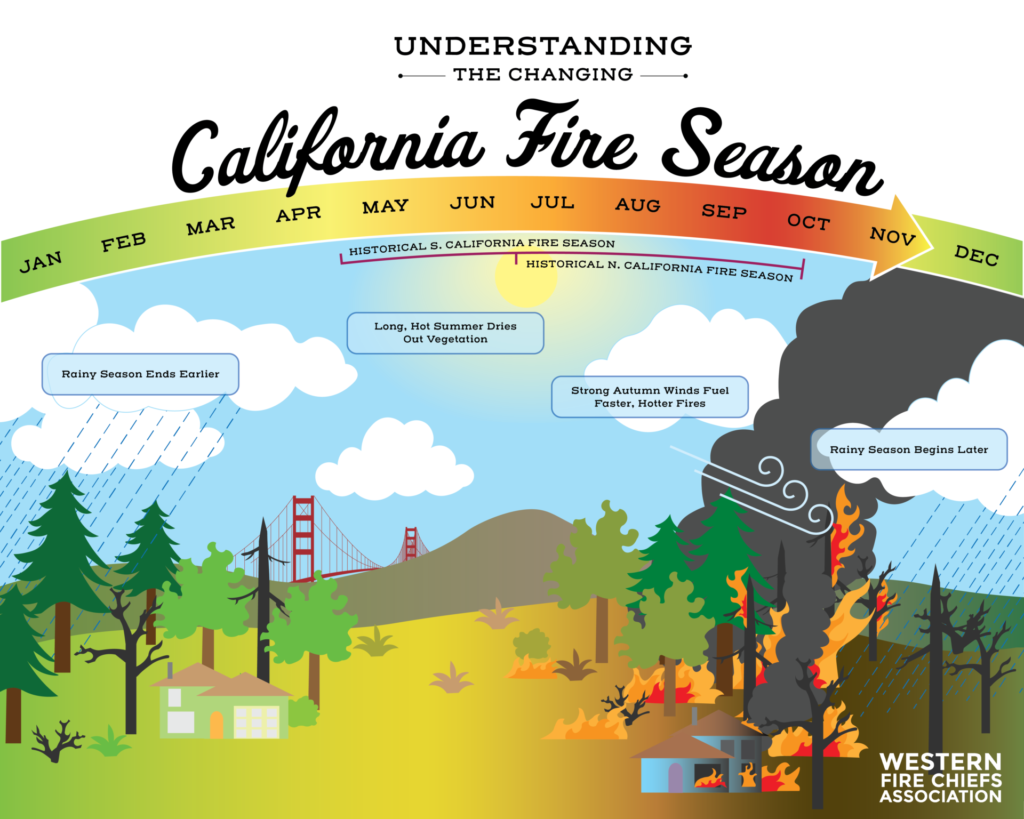
At the heart of California’s wildfire problem lie its unique natural conditions, exacerbated by a changing global climate. The state’s Mediterranean climate, characterized by hot, dry summers and mild, wet winters, creates a predictable fire season. However, recent decades have witnessed an intensification of these conditions, pushing the boundaries of what was once considered normal.
Drought and Extreme Heat: The Perfect Tinderbox
Persistent drought is arguably the most significant natural driver of large, intense wildfires in California. Prolonged periods of low rainfall deplete moisture from vegetation, transforming forests, chaparral, and grasslands into highly flammable tinder. This dried-out fuel acts like a wick, allowing fires to ignite easily and spread with alarming speed. Studies have shown a clear correlation between prolonged drought periods and the increased frequency and severity of wildfires across the state. This phenomenon is not isolated; similar patterns are being observed in other fire-prone regions globally, underscoring the far-reaching impacts of climate change on natural ecosystems.
Extreme heat waves, often occurring in conjunction with drought, further exacerbate the situation. Record-breaking temperatures dry out vegetation even faster, creating an environment where even a small spark can quickly escalate into a catastrophic blaze. These heat events are becoming more frequent and intense, a direct consequence of rising global temperatures. For travelers, this means that the idyllic summer months, once perfect for exploring national parks or enjoying outdoor activities, can become fraught with danger as fire conditions worsen. This directly impacts the types of experiences available, from hiking trails in Big Sur to wine tasting in the Napa Valley.
Wind: The Accelerant of Destruction
Once a fire ignites, wind becomes its primary accelerator. Strong, dry winds, often associated with weather phenomena like the Santa Ana winds in Southern California, can fan flames, carrying embers for miles and igniting new fires ahead of the main blaze. These “firestorms” are particularly dangerous, creating unpredictable fire behavior that is incredibly difficult for firefighters to control. The wind not only propels the flames but also disperses burning material, making containment efforts a monumental task. This can lead to rapid evacuations and widespread destruction, affecting entire communities and disrupting travel plans for those hoping to experience the diverse attractions of California.
Topography and Vegetation: Fueling the Flames
California’s diverse topography, from steep mountain slopes to rugged canyons, also plays a role in fire behavior. Fire spreads faster uphill, and complex terrain can create challenging conditions for suppression efforts. Furthermore, the state’s abundant and diverse vegetation, while contributing to its scenic beauty, also provides ample fuel. Dense forests, particularly those with a buildup of dead and dry undergrowth, are susceptible to intense fires. The type of vegetation also influences how a fire burns; for instance, chaparral, a dense shrubland, can burn very hot and rapidly. Decades of fire suppression policies, which aimed to extinguish all fires, have ironically led to an increased accumulation of fuel in many areas, making the fires that do ignite more severe.
Human Influence: Ignitions and Land Management
While natural conditions set the stage, human actions are often the direct spark that ignites these devastating fires, and historical land management practices have contributed to their severity.
Accidental Ignitions: Everyday Sparks, Catastrophic Consequences
The vast majority of wildfires in California are caused by human activity, often through simple accidents. This includes a range of everyday occurrences that can have devastating consequences:
- Electrical Equipment Malfunctions: Power lines, particularly in windy conditions, are a significant source of ignition. Faulty equipment, falling lines, or sparks from conductors can easily ignite dry vegetation below. Utility companies like Pacific Gas and Electric Company have been under intense scrutiny and have implemented various measures, such as de-energizing lines during high-risk periods, to mitigate this risk.
- Vehicle Incidents: Hot exhaust systems from vehicles, dragging chains, or sparks from brakes can ignite roadside vegetation. This is particularly common along highways and rural roads, which are frequently used by travelers exploring the state.
- Campfires and Debris Burning: Unattended campfires or improperly extinguished embers from backyard bonfires and agricultural burns can easily spread to surrounding dry vegetation, especially during windy conditions. Strict regulations are in place regarding open fires, but adherence is not always universal.
- Arson: Tragically, some fires are intentionally set. While a smaller percentage of total ignitions, arson fires can be particularly dangerous due to their deliberate nature and placement.
- Fireworks and Other Recreational Activities: The misuse of fireworks, especially during dry periods, is a common cause of fires, particularly around holidays. Even small sparks from recreational activities like welding or grinding can be enough to start a blaze.
The presence of millions of people living and traveling through fire-prone areas means that the potential for accidental ignitions remains high. This directly impacts tourism, as popular destinations might face closures or advisories due to fire risk, affecting bookings at hotels and the availability of guided tours and outdoor experiences.
Land Management and Forest Health: A Legacy of Issues
Past and present land management practices have played a significant role in shaping California’s fire landscape. For much of the 20th century, the prevailing policy was one of aggressive fire suppression, aiming to extinguish every fire as quickly as possible. While this approach may have seemed logical at the time, it led to an unnatural buildup of fuel in many forests. Without the natural cleansing effect of smaller, less intense fires, dead trees, undergrowth, and leaf litter accumulated, creating a much larger and more dangerous fuel load.
- Fuel Load Accumulation: The suppression of natural fire cycles has resulted in forests that are often overcrowded and laden with flammable material. When fires do occur in these areas, they are more intense, hotter, and spread more rapidly, leading to greater destruction and making them harder to control.
- Forest Thinning and Prescribed Burns: There is a growing recognition of the need for proactive forest management. This includes mechanical thinning to remove excess trees and undergrowth, as well as the use of prescribed burns (controlled fires set under specific conditions) to reduce fuel loads and mimic natural fire cycles. However, implementing these practices on a large scale is challenging due to logistical complexities, regulatory hurdles, and public perception.
- Impact on Wildlife and Natural Landmarks: These management practices, or lack thereof, have a direct impact on the health of California’s iconic natural landmarks, such as Sequoia National Park and the Redwood National and State Parks. Uncontrolled fires can destroy ancient trees and disrupt ecosystems, affecting the very natural beauty that draws tourists.
The Broader Impacts: Beyond the Flames
The recurring wildfires in California have far-reaching consequences that extend beyond the immediate destruction of property and natural landscapes. They deeply affect the state’s economy, its residents’ quality of life, and the broader tourism industry that is a cornerstone of its prosperity.
Economic Ramifications: Costs of Destruction and Prevention
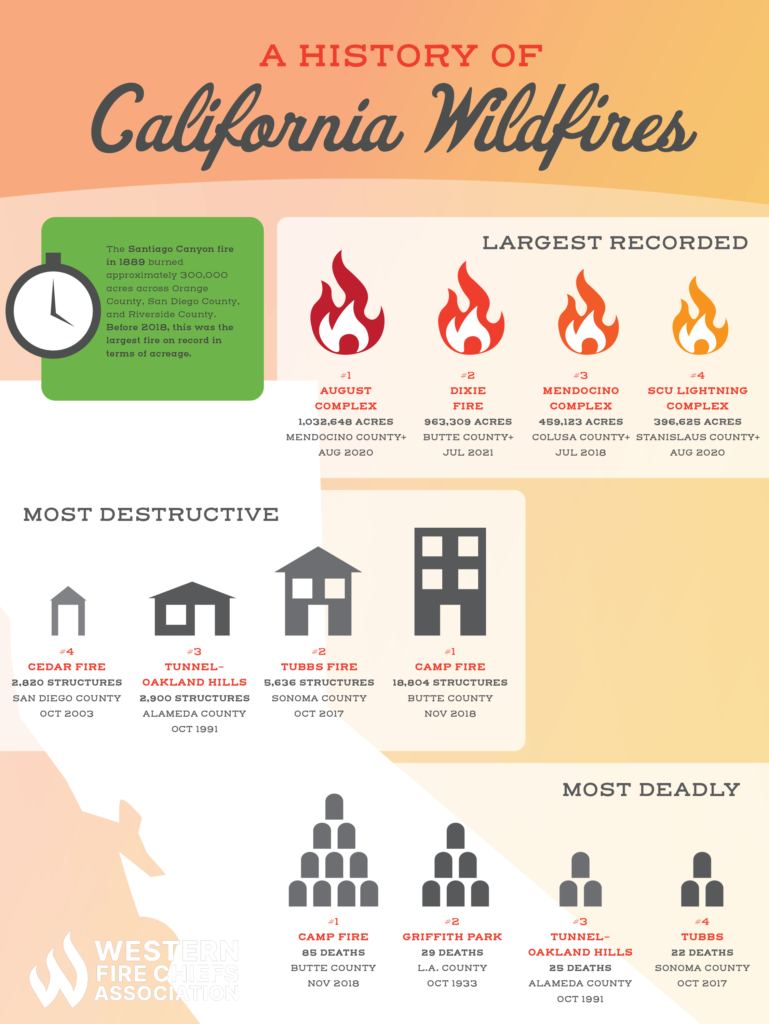
The economic toll of California’s wildfires is staggering. Direct costs include property damage, the expense of firefighting efforts, and the long-term costs of rebuilding. The value of lost timber, agricultural crops, and damaged infrastructure adds further to the financial burden.
Beyond direct costs, there are significant indirect economic impacts:
- Disruption to Businesses: Businesses, particularly in tourism-dependent regions, suffer when fires lead to evacuations, road closures, and a decline in visitor numbers. Hotels, resorts, restaurants, and attractions that rely on a steady flow of tourists can experience significant revenue losses. Planning a business stay or a luxury travel experience can become fraught with uncertainty.
- Insurance Payouts and Market Shifts: The insurance industry faces massive payouts following severe fire seasons. This can lead to increased premiums, reduced coverage availability, or even insurers withdrawing from high-risk areas, impacting homeowners and businesses alike.
- Health Costs: Smoke from wildfires can travel hundreds of miles, leading to widespread air quality issues. This results in increased respiratory problems, healthcare costs, and lost productivity.
Environmental Degradation and Long-Term Recovery
The environmental consequences of intense wildfires are profound and long-lasting. Beyond the immediate loss of trees and wildlife habitat, fires can lead to soil erosion, especially on steep slopes, and can contaminate water sources with ash and debris. The altered landscape can take decades, if not centuries, to recover. This impacts the natural beauty that is central to many Californian landmarks and attractions, potentially diminishing their appeal for future generations of travelers.

The Future of California’s Wildfire Crisis
Addressing California’s wildfire crisis requires a multifaceted and sustained approach. This includes:
- Climate Change Mitigation: Reducing greenhouse gas emissions globally is essential to slow down the intensification of extreme weather conditions that fuel these fires.
- Enhanced Forest Management: Implementing more aggressive and effective fuel management strategies, including prescribed burns and mechanical thinning, is critical.
- Improved Fire Prevention and Response: Investing in early detection systems, more effective firefighting resources, and public education campaigns on fire safety is paramount.
- Climate-Resilient Development: Rethinking land-use planning and building codes in fire-prone areas to reduce the risk to homes and infrastructure.
The fires in California are not a simple problem with a single solution. They are a stark manifestation of the complex interplay between natural forces, climate change, and human actions. For those who live in or plan to visit this beautiful state, understanding these causes is the first step towards navigating the challenges and preserving the unique allure of California for years to come. From booking a dream accommodation in a serene mountain town to embarking on an adventure through its iconic national parks, the reality of wildfires is an unavoidable aspect of the Californian experience that demands our attention and action.