
California, a land of breathtaking natural beauty, from the towering sequoias of Sequoia National Park to the sun-drenched beaches of Southern California, is also unfortunately known for its recurring and often devastating wildfires. These infernos, which can transform vibrant landscapes into scorched earth in a matter of hours, are a complex issue with a multitude of contributing factors. Understanding the root causes is crucial, not only for managing the immediate threat but also for developing long-term strategies to protect communities and the environment. This article delves into the primary drivers behind California’s persistent wildfire problem, examining the interplay of climate, human activity, and land management practices.
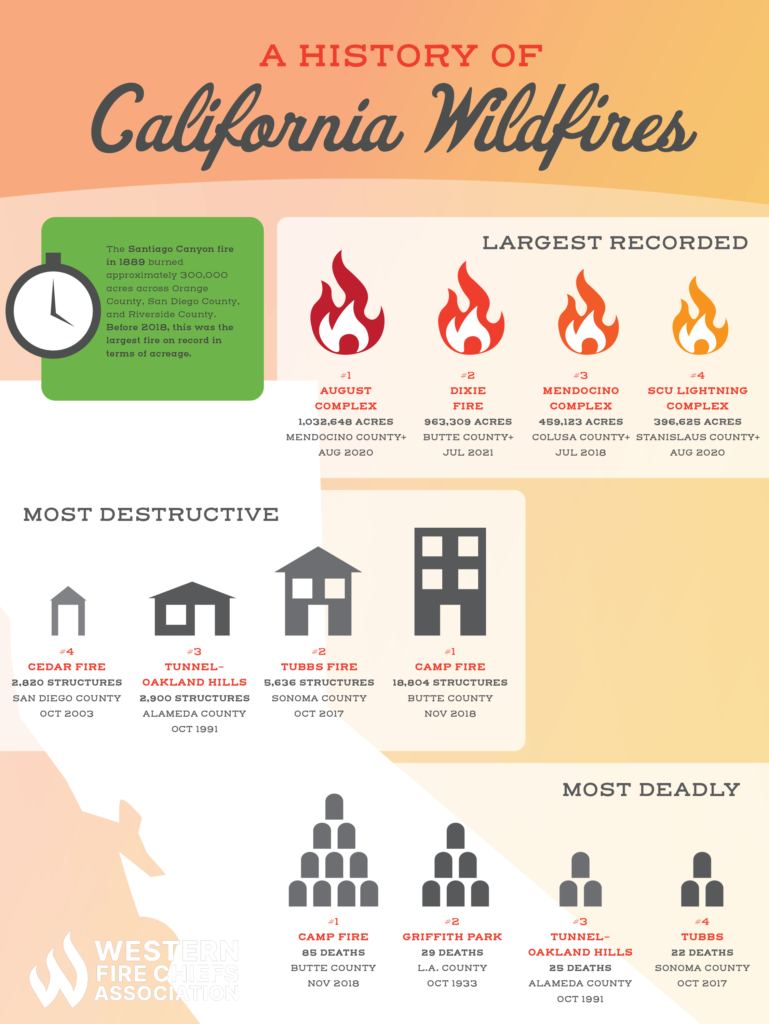
The Dry Foundation: Climate Change and Drought
At the heart of California’s wildfire crisis lies a warming climate and prolonged periods of drought. The state’s Mediterranean climate, characterized by hot, dry summers, naturally creates conditions conducive to fire. However, climate change is exacerbating these inherent vulnerabilities.
Escalating Temperatures and Reduced Snowpack
Global warming has led to a significant increase in average temperatures across California. Higher temperatures mean that vegetation dries out more rapidly, becoming highly flammable tinder. This is compounded by reduced winter precipitation and a dwindling snowpack in the Sierra Nevada mountains. Historically, snowpack acted as a natural reservoir, releasing water gradually through spring and summer, thereby sustaining vegetation and reducing fire risk. With less snow and earlier melt, the dry season begins sooner and lasts longer, creating a larger window for wildfires to ignite and spread.
Intensified Drought Conditions
California has experienced several severe droughts in recent decades, with the current megadrought being one of the most prolonged in the state’s recorded history. Drought stresses vegetation, killing trees and making them more susceptible to insect infestations. These dead and dying trees become fuel, offering a readily available source for fires. The increased dryness of soil and plant matter means that any spark can quickly escalate into a major conflagration.
The Ignition Points: Human Activity and Natural Causes
While climate conditions set the stage, the actual ignition of wildfires is often a result of human actions, though natural causes also play a role.
Human-Caused Ignitions: A Dominant Factor
The vast majority of wildfires in California are human-caused. These ignitions can stem from a variety of sources, underscoring the impact of human presence and activity in wildland areas.
Electrical Equipment and Power Lines
One of the most significant culprits in recent years has been the failure of electrical infrastructure, particularly power lines. Aging equipment, exacerbated by high winds, can spark when they fall or come into contact with dry vegetation. Utilities like Pacific Gas and Electric Company (PG&E) have faced immense scrutiny and lawsuits for their role in igniting some of the state’s most destructive fires, such as the Camp Fire. In response, companies have implemented Public Safety Power Shutoff (PSPS) events, intentionally cutting power to certain areas during extreme weather to prevent ignitions, a measure that itself has significant societal and economic impacts.
Campfires and Debris Burning
Careless behavior, such as improperly extinguished campfires in parks like Yosemite National Park or backyard debris burning that gets out of control, are perennial causes of wildfires. Even a small ember can be carried by the wind and ignite dry grass or brush, especially during red flag warnings when fire conditions are critical.
Vehicle Issues and Equipment Malfunctions
Sparks from vehicles, including faulty exhaust systems or dragging chains, can also ignite dry roadside vegetation. Similarly, malfunctioning power tools, agricultural equipment, and even fireworks can be sources of ignition.
Arson
While less common than accidental ignitions, intentional acts of arson remain a concern. These deliberate acts of destruction can lead to significant loss of life, property, and natural habitats.

Natural Ignitions: Lightning Strikes
Lightning strikes are a natural cause of wildfires. During thunderstorms, especially dry lightning events where little or no rain accompanies the lightning, these strikes can ignite vegetation. While lightning-caused fires have always been a part of California’s ecosystem, the increased fuel load due to drought and climate change means that lightning strikes are more likely to result in larger, more destructive fires.
Fueling the Flames: Land Management and Vegetation
Beyond ignition sources, the condition and management of California’s vast wildlands play a critical role in how fires start, spread, and behave.
Fuel Accumulation: The Legacy of Fire Suppression
For decades, a dominant land management philosophy in the United States was aggressive fire suppression. The goal was to extinguish all fires as quickly as possible. While seemingly logical, this approach has inadvertently led to a dangerous buildup of fuel—dead trees, shrubs, and undergrowth—on the forest floor. This accumulated fuel acts like gasoline, allowing fires to burn hotter, spread faster, and become more difficult to control.
Invasive Species and Dense Forests
Certain invasive plant species, such as cheatgrass, are highly flammable and can alter the fire regime, leading to more frequent and intense fires. Furthermore, dense forests, often a result of past logging practices followed by fire suppression, create conditions where fires can spread rapidly through the canopy, leading to devastating crown fires.
Forest Health and Insect Infestations
As mentioned earlier, drought and rising temperatures weaken trees, making them vulnerable to insect infestations, such as the bark beetle. Large areas of dead trees now stand as massive fuel loads, significantly increasing the risk and intensity of wildfires in regions like the Sierra Nevada. This poses a grave threat to forests, wildlife, and communities.
The Human Factor: Wildland-Urban Interface and Development
The increasing proximity of human settlements to wildland areas, known as the Wildland-Urban Interface (WUI), is a critical element in the growing impact of California wildfires.
Expanding Development into Fire-Prone Areas
As California’s population grows, development continues to push into areas that are naturally susceptible to fire. This means more homes, businesses, and infrastructure are at risk, and evacuation routes become more challenging. Communities in places like Santa Barbara County and the foothills surrounding Los Angeles are particularly vulnerable.
Vulnerable Infrastructure and Evacuation Challenges
Homes in the WUI are often built with flammable materials and surrounded by landscaping that can easily ignite. When a wildfire strikes, the risk of catastrophic loss is immense. Furthermore, evacuating large populations from these areas, especially when fires move rapidly, can be chaotic and dangerous. The interconnectedness of homes, roads, and power lines means that one fire can have cascading effects on entire regions.

Looking Forward: Mitigation and Adaptation
Addressing California’s wildfire crisis requires a multi-faceted approach that tackles the root causes and promotes resilience. This includes:
- Climate Action: Continued efforts to reduce greenhouse gas emissions are essential to mitigate the long-term warming trends that exacerbate drought and fire conditions.
- Improved Land Management: Implementing proactive forest management strategies, such as prescribed burns and mechanical thinning, can help reduce fuel loads and restore forest health. This is a delicate balance, as these practices need to be conducted safely and thoughtfully.
- Infrastructure Hardening: Utilities are investing in grid modernization, undergrounding power lines in high-risk areas, and implementing advanced wildfire detection and prevention technologies.
- Community Preparedness: Encouraging residents in the WUI to create defensible space around their homes, using fire-resistant building materials, and developing robust evacuation plans are vital for community safety.
- Policy and Regulation: State and federal policies are evolving to address wildfire prevention, response, and recovery, including funding for forest management and support for communities impacted by fires.
The wildfires in California are not a singular problem but a complex web of interacting factors. By understanding these causes—from the broad strokes of climate change to the fine details of human behavior and land management—we can work towards a future where the Golden State can better protect its precious natural resources and its vibrant communities from the destructive power of fire.