
The anticipation of a getaway often culminates in the exciting prospect of arriving at your chosen accommodation. Whether you’re embarking on a relaxing beach holiday in the Maldives, a bustling city break in New York City, or a historical exploration in Rome, the logistics of settling into your hotel room are paramount. Among the most frequently asked questions by travelers is, “What is check-in time for hotels?” This seemingly simple query opens the door to understanding a crucial aspect of the travel experience, impacting everything from your travel itinerary to your initial impressions of a hotel. Understanding hotel check-in times is not just about knowing when you can access your room; it’s about managing expectations, planning your arrival effectively, and ensuring a smooth transition from your journey to relaxation.

The Standard Hotel Check-In Time and Its Origins
The vast majority of hotels worldwide adhere to a standard check-in time, typically falling between 2:00 PM and 4:00 PM. This convention is not arbitrary but is rooted in practical operational considerations that benefit both the hotel and its guests.
Why the Afternoon Check-In?
The primary reason behind this afternoon check-in window is the time required for housekeeping and maintenance to prepare rooms for arriving guests. After a guest checks out, usually by 11:00 AM or 12:00 PM, the room needs a thorough cleaning. This process involves:
- Trash Removal and Surface Cleaning: All waste is removed, and surfaces like countertops, tables, and bedside stands are disinfected.
- Bedding and Linen Change: Fresh linens are vital for guest comfort and hygiene. This includes changing sheets, pillowcases, and duvet covers.
- Bathroom Sanitization: Toilets, sinks, showers, and bathtubs are meticulously cleaned and sanitized to high standards.
- Floor Cleaning: Vacuuming carpets or mopping hard floors ensures a clean living space.
- Replenishing Amenities: Items like toiletries, coffee/tea supplies, and stationery are restocked.
- Maintenance Checks: Minor repairs, such as fixing a dripping faucet or replacing a burnt-out lightbulb, are addressed to ensure everything is in perfect working order.
This comprehensive cleaning and preparation process can take several hours, especially for larger hotels or those experiencing high occupancy. The buffer between check-out and check-in times allows the housekeeping team to work efficiently and thoroughly, guaranteeing that every guest enjoys a pristine and comfortable environment upon arrival. Furthermore, hotels may also use this time for front desk preparation, ensuring all necessary guest information is updated, and staff are ready to handle arrivals smoothly.
The Importance of Check-Out Time
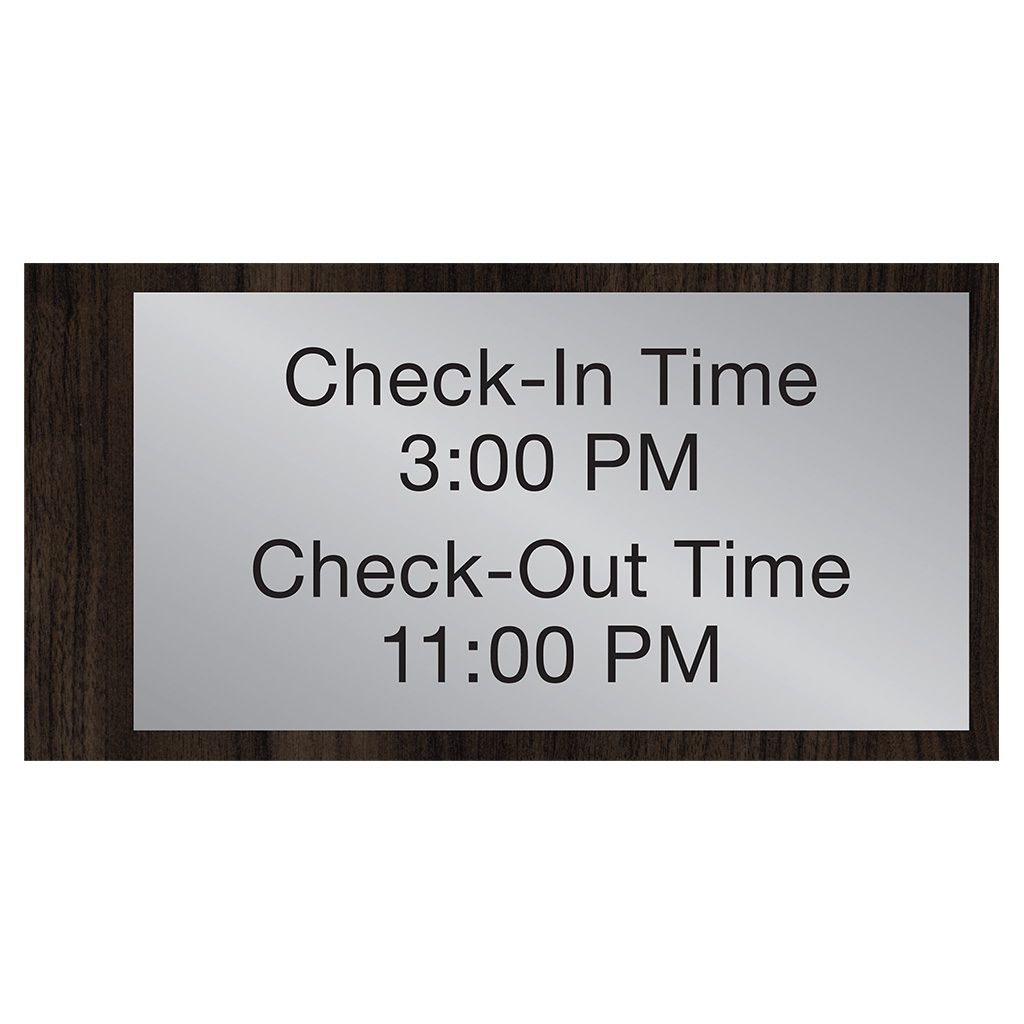
Complementary to check-in time is the check-out time, which is equally important for the hotel’s operational flow. Most hotels set their check-out times between 11:00 AM and 12:00 PM. This allows sufficient time for the housekeeping department to prepare the rooms for the next wave of guests arriving in the afternoon. A standardized check-out time ensures a predictable turnover of rooms, preventing bottlenecks in the cleaning process and allowing the hotel to manage its resources effectively.
Navigating Early Check-In and Late Check-Out
While standard times exist, travel plans don’t always align perfectly with hotel schedules. Fortunately, most hotels offer flexibility, allowing guests to request early check-in or late check-out.
The Possibilities of Early Check-In
Arriving at your hotel before the official check-in time can be a significant convenience, especially after a long journey or if you have early morning activities planned.
- How to Request Early Check-In: The best approach is to contact the hotel directly, ideally a day or two before your arrival, and politely inquire about the possibility of an early check-in. You can also mention it upon arrival at the front desk.
- Factors Influencing Availability: Whether early check-in is possible often depends on the hotel’s occupancy levels. If the hotel is not fully booked, or if rooms have already been cleaned and are ready, they are more likely to accommodate your request.
- What to Do if Early Check-In Isn’t Possible: If your room isn’t ready upon arrival, don’t despair. Most hotels will allow you to store your luggage at the bell desk. This enables you to explore the local area, grab a bite to eat, or visit nearby attractions like the Louvre Museum in Paris or the Colosseum in Rome, without being burdened by your bags. Many hotels also offer access to common areas, such as lobbies or lounges, where you can relax until your room is ready.
The Benefits of Late Check-Out
Similarly, extending your stay in your hotel room beyond the standard check-out time can be incredibly beneficial, especially for those with late flights or a desire for a more leisurely morning.

- Requesting Late Check-Out: Like early check-in, late check-out is subject to availability and is often dependent on the hotel’s occupancy. It’s advisable to speak with the front desk the evening before your scheduled departure or first thing in the morning to make your request.
- Potential Charges: Some hotels offer a complimentary late check-out for a limited period (e.g., until 1:00 PM or 2:00 PM). However, for a more extended late check-out (e.g., until the evening), there may be an additional charge, sometimes equivalent to half a night’s stay or a fixed fee. Loyalty program members or guests booking premium suites might sometimes receive late check-out as a perk.
- Alternatives if Late Check-Out Isn’t Available: If a late check-out cannot be accommodated, the hotel will almost always allow you to store your luggage. This gives you the freedom to continue enjoying the hotel’s amenities, such as the spa, pool, or restaurant, and to explore the city for a few more hours before heading to the airport or your next destination.
Factors Influencing Hotel Check-In Policies
Beyond the general standard, several factors can influence a hotel’s specific check-in policies and the flexibility they offer. Understanding these can help you make more informed booking decisions and manage your expectations.
Hotel Type and Category
The type and star rating of a hotel can significantly impact its check-in procedures.
- Luxury Hotels and Resorts: High-end establishments like the Four Seasons Hotel or exclusive resorts in places like Bali often pride themselves on personalized service. They are more likely to be accommodating with early check-in and late check-out requests, especially for their loyal patrons or those booking higher-tier rooms. Their operational structure is often more robust, allowing for greater flexibility.
- Boutique Hotels: These smaller, often uniquely designed hotels can also offer a more personal touch. While their size might sometimes limit flexibility, their management often prioritizes guest satisfaction and may go the extra mile to fulfill requests.
- Budget Hotels and Hostels: Properties focused on affordability, such as Premier Inn or budget hostels, typically operate with stricter schedules to maximize room turnover and minimize staffing overheads. While they will still store your luggage, early check-in or late check-out is less common and may incur charges.
- Vacation Rentals and Apartments: When booking an apartment or villa through platforms like Airbnb or Vrbo, check-in times can vary widely. Many are managed by individual owners or smaller property management companies, and check-in procedures might be self-service or require coordination with a host. It’s crucial to confirm these details well in advance.
Location and Local Regulations
The city or country where the hotel is located can also play a role.
- Major Tourist Hubs: In popular tourist destinations like London, Tokyo, or Sydney, hotels are accustomed to a high volume of arrivals and departures. They often have well-established systems for managing luggage storage and can be quite flexible with requests.
- Local Customs and Regulations: In some regions, specific local regulations or cultural practices might influence hotel operations, though this is less common for standard check-in/check-out times.
Special Events and High Occupancy Periods
During major events, festivals, or peak tourist seasons (e.g., during the Carnival in Rio de Janeiro or the Oktoberfest in Munich), hotels are often fully booked. In such scenarios, early check-in and late check-out are much harder to secure. The demand for rooms is so high that hotels need to adhere strictly to their schedules to prepare rooms for incoming guests promptly.
Loyalty Programs and Guest Status
Many hotel chains offer loyalty programs that provide members with various benefits, including preferential treatment for check-in and check-out.
- Elite Members: Guests with elite status in a hotel’s loyalty program (e.g., Marriott Bonvoy Platinum Elite, Hilton Honors Diamond) often receive guaranteed or priority late check-out privileges, and sometimes even early check-in when available, as a mark of appreciation for their continued patronage.
- Corporate Travelers: Business hotels catering to corporate clients may also offer more flexibility to their regular business guests as part of their service agreements.
Maximizing Your Arrival Experience
Understanding hotel check-in times is the first step towards a seamless arrival. Here are a few tips to ensure your experience is as smooth and enjoyable as possible:
- Always Confirm with the Hotel: While general guidelines exist, it’s always best to confirm the specific check-in and check-out times directly with your hotel. This information is usually available on their website, your booking confirmation email, or by contacting the front desk.
- Communicate Your Needs in Advance: If you anticipate needing early check-in or late check-out, inform the hotel as soon as you book your stay or at least a few days prior. Early communication increases your chances of having your request granted.
- Be Prepared for Delays: Even with advance notice, early check-in is never guaranteed. Have a backup plan, such as exploring the local neighborhood or enjoying a coffee at a nearby cafe, if your room isn’t immediately available upon arrival.
- Utilize Luggage Storage: Don’t hesitate to use the hotel’s luggage storage facilities if your room isn’t ready. This service is standard and allows you to start enjoying your trip without the inconvenience of carrying your bags.
- Be Polite and Patient: Hotel staff are often dealing with many guests and operational pressures. A polite demeanor and a patient attitude can go a long way when making requests.
In conclusion, understanding the standard hotel check-in time, which is typically between 2:00 PM and 4:00 PM, and the reasons behind it is fundamental for any traveler. This timing allows for the essential cleaning and preparation of rooms. While flexibility exists through early check-in and late check-out requests, their availability is influenced by hotel type, occupancy, location, and loyalty status. By communicating your needs effectively and being prepared for different scenarios, you can ensure a stress-free arrival and a more enjoyable start to your vacation, whether you are planning an adventure in Banff National Park or a relaxing stay in a tranquil villa in Tuscany.
LifeOutOfTheBox is a participant in the Amazon Services LLC Associates Program, an affiliate advertising program designed to provide a means for sites to earn advertising fees by advertising and linking to Amazon.com. Amazon, the Amazon logo, AmazonSupply, and the AmazonSupply logo are trademarks of Amazon.com, Inc. or its affiliates. As an Amazon Associate we earn affiliate commissions from qualifying purchases.