
Planning a trip to the vibrant city of Chicago in Illinois? Whether you’re flying in for a business meeting, embarking on a family vacation, or simply exploring its iconic landmarks, understanding the local time zone is a fundamental piece of information that profoundly impacts every aspect of your travel experience. From booking flights and hotel reservations to scheduling your visits to world-class attractions and making dinner plans, knowing the correct time can make all the difference between a seamless journey and a series of missed connections.
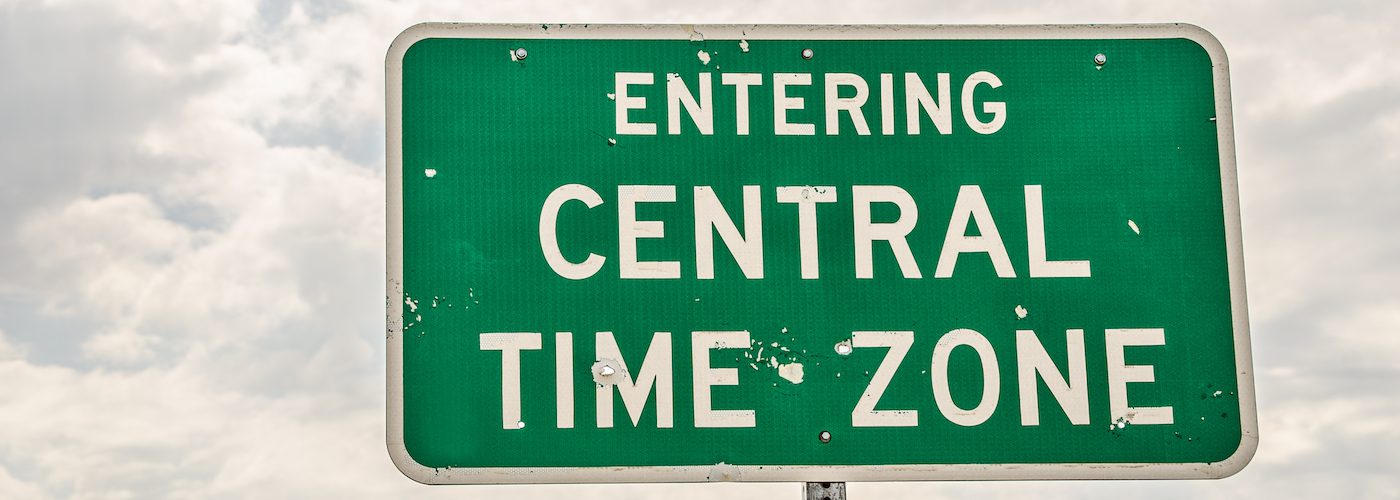
Chicago operates on the Central Time Zone, a designation that covers a significant portion of North America, including many states in the United States, parts of Canada, and sections of Mexico. This time zone is referred to as CST (Central Standard Time) during the fall and winter months and transitions to CDT (Central Daylight Time) during spring and summer. This shift, driven by Daylight Saving Time, means that while the core concept remains the same, the actual offset from Coordinated Universal Time (UTC) changes. Understanding this nuance is key to mastering your itinerary and ensuring a stress-free visit to the Windy City.
Understanding Central Time Zone: CST and CDT
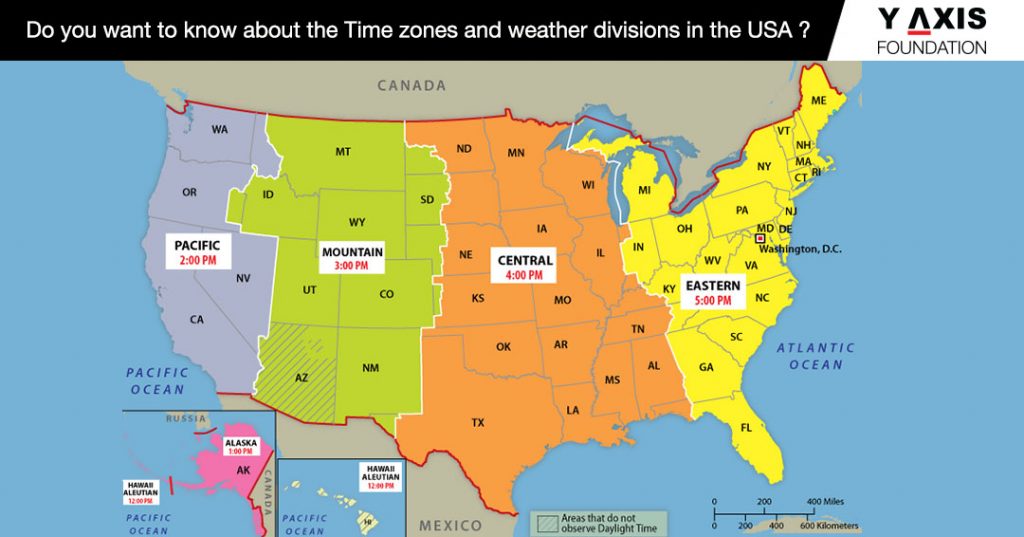
The Central Time Zone is observed across a vast geographical area, primarily encompassing the central United States and parts of Canada and Mexico. In the United States, states fully within CST/CDT include Illinois, Wisconsin, Minnesota, Iowa, Missouri, Arkansas, Louisiana, Mississippi, Oklahoma, and parts of Kansas, Nebraska, North Dakota, South Dakota, Tennessee, and Texas. This wide observance means that if you’re traveling within the Midwest, you might not experience a time change until you cross into an adjacent time zone, like the Eastern Time Zone or Mountain Time Zone.
The Mechanics of Daylight Saving Time
The distinction between CST and CDT is crucial for anyone planning a trip during the transitional months.
- Central Standard Time (CST): This is the base time zone, observed from early November to mid-March. During this period, Chicago is UTC-6, meaning it is six hours behind Coordinated Universal Time.
- Central Daylight Time (CDT): From mid-March to early November, Chicago switches to Daylight Saving Time. Clocks are moved forward by one hour, making the city UTC-5. This provides an extra hour of daylight in the evenings, a welcome change for tourism and outdoor activities.
The exact dates for the start and end of Daylight Saving Time can vary slightly year to year, but generally, clocks spring forward on the second Sunday in March and fall back on the first Sunday in November. For travelers, this means confirming the current time zone designation is essential, especially when making bookings months in advance. A flight scheduled to arrive at 3:00 PM in March might shift by an hour depending on which side of the Daylight Saving Time change your arrival falls. This seemingly small detail can impact everything from connecting flights to pre-booked shuttle services and even the timing of your hotel check-in.
Navigating Travel and Tourism Logistics in Chicago’s Time Zone
For visitors, the time zone dictates much more than just what time it is. It impacts travel planning, daily itineraries, and communication with those back home. Chicago is a major hub for travel, accommodation, and diverse tourism experiences, making time management a key component of a successful trip.
Planning Flights, Accommodations, and Experiences
When booking flights into O’Hare International Airport (ORD) or Midway International Airport (MDW), always verify the arrival and departure times in local Chicago time. Airlines typically provide this information, but double-checking against your home time zone is a good habit. For travelers coming from the Eastern Time Zone, Chicago will be one hour behind, meaning you gain an hour upon arrival. Conversely, those from the Mountain Time Zone will lose an hour. Travelers from the Pacific Time Zone will experience a two-hour time difference. This time shift is crucial when considering connecting flights or ground transportation like Metra or CTA services from the airports to your hotel.
Hotel Check-ins and Check-outs: Most hotels, whether luxury resorts, boutique hotels, or serviced apartments, adhere strictly to local check-in and check-out times. A standard check-in time of 3:00 PM CDT means you need to factor in your travel time from the airport, potential delays, and the time difference. Arriving too early might mean waiting for your room, while a late check-out might incur additional fees. When booking any form of accommodation – be it a cozy suite overlooking Lake Michigan or a charming villa in a historic neighborhood – ensure you align your arrival plans with the hotel’s policies within the Central Time Zone.
Attractions and Operating Hours: Chicago’s world-class museums, observation decks, and cultural centers all operate on the local time. The Art Institute of Chicago, Shedd Aquarium, Field Museum, and Adler Planetarium – all conveniently located on Museum Campus – will open and close according to CST or CDT. Similarly, iconic landmarks like the Willis Tower (Skydeck Chicago) and 360 Chicago Observation Deck at 875 North Michigan Avenue (formerly the John Hancock Center) have specific hours that need to be factored into your day. Booking tickets online often requires selecting a specific entry time, which will always be presented in Chicago local time. Missing your slot due to a time zone miscalculation can be a frustrating and costly mistake.

Embracing Local Culture and Dining Experiences
Chicago’s vibrant tourism scene extends to its celebrated culinary landscape and dynamic nightlife. Reservations for popular restaurants in areas like River North, West Loop, or the Gold Coast are highly recommended, especially for evening dining during peak season. A 7:00 PM reservation will be 7:00 PM Chicago time, regardless of your origin. Adjusting your internal clock, or your “body clock,” is crucial to fully enjoy these experiences without feeling rushed or overly tired.
For those interested in Chicago’s local culture, catching a Chicago Cubs game at Wrigley Field in Wrigleyville or seeing the Chicago Bulls or Chicago Blackhawks play at the United Center will require careful attention to game schedules, which are always listed in Central Time. Similarly, timing your visit to catch the stunning reflections on Cloud Gate (affectionately known as “The Bean”) in Millennium Park at sunrise or enjoying a sunset cruise from Navy Pier requires an awareness of the local sunrise and sunset times, which vary significantly with the change to Daylight Saving Time.
Lifestyle and Time Management in the Windy City
Beyond the practicalities of booking, understanding Chicago’s time zone influences the overall lifestyle experience of your trip. Whether you’re traveling for luxury travel, on a budget travel adventure, a family trip, or a business stay, time management becomes a central theme.
Considerations for Different Traveler Lifestyles
Business Travel: For corporate visitors, meetings, conferences, and presentations are all scheduled according to Central Time. If you’re coordinating with colleagues in other time zones, particularly the Eastern Time Zone (e.g., New York or Washington D.C.) or Pacific Time Zone (e.g., Los Angeles or San Francisco), clear communication about which time zone is being referenced is paramount. Tools like world clock apps are indispensable. When arranging client dinners or networking events in the Loop or River North, ensure all parties are aligned on the local time. High-end accommodations often cater to business travelers with services like 24-hour concierge and in-room amenities, but even these services operate on Chicago’s clock.
Family Travel: Traveling with children often means adhering to strict schedules for meals, naps, and bedtime. Jet lag can be particularly challenging for little ones. If your family is arriving from a different time zone, building in an adjustment day can be incredibly helpful. This allows everyone to slowly adapt to Chicago’s time, ensuring that visits to places like Lincoln Park Zoo, Grant Park, or a boat tour on the Chicago River are enjoyed with well-rested enthusiasm. Planning activities that span from morning to early evening, such as exploring the Magnificent Mile for shopping and then heading to a casual eatery, should be timed with the family’s internal clocks in mind.
Luxury Travel and Budget Travel: Regardless of your travel style, maximizing your time in Chicago is key. For luxury travelers enjoying exclusive experiences like private architectural tours or bespoke dining, being punctual is expected. Concierge services at luxury hotels can help manage intricate schedules across different time zones. On the other hand, budget travelers often rely on public transportation like the CTA and Amtrak, or timed entry tickets to museums and free attractions like the Chicago Cultural Center. Missing a bus or an entry window due to a time mix-up can lead to wasted time and money.
Making the Most of Your Chicago Stay
To fully immerse yourself in Chicago’s dynamic atmosphere, consider these time-related tips:
- Sync Your Devices: Upon arrival, ensure all your smart devices automatically update to the Central Time Zone. Manual adjustments might be necessary if you’ve set your device to a fixed time zone.
- Use a World Clock: If you’re frequently communicating with people in different time zones, a world clock app or widget can be incredibly useful for quick conversions.
- Confirm All Bookings in Local Time: From tickets to the Frank Lloyd Wright-designed Robie House to reservations for a deep-dish pizza tour, double-check that all confirmations reflect Chicago local time.
- Allow for Jet Lag: Especially if you’re traveling from significantly different time zones (Pacific Time Zone or international), schedule a lighter first day to allow your body to adjust.
- Embrace the Daylight: During CDT months, the extended daylight offers more opportunities for outdoor activities and sightseeing. Plan evening strolls along the riverwalk or enjoy a sunset from an observation deck.
In conclusion, understanding that Chicago operates on the Central Time Zone, alternating between CST and CDT with Daylight Saving Time, is an essential piece of knowledge for any traveler. This information is not merely a detail; it’s the framework upon which your entire Chicago adventure will unfold. By mastering this aspect of your trip planning, you set the stage for a smooth, enjoyable, and memorable exploration of one of America’s most magnificent cities. So, synchronize your watches, prepare to “spring forward” or “fall back” as the season demands, and get ready to experience the incredible rhythm of Chicago time.
LifeOutOfTheBox is a participant in the Amazon Services LLC Associates Program, an affiliate advertising program designed to provide a means for sites to earn advertising fees by advertising and linking to Amazon.com. Amazon, the Amazon logo, AmazonSupply, and the AmazonSupply logo are trademarks of Amazon.com, Inc. or its affiliates. As an Amazon Associate we earn affiliate commissions from qualifying purchases.