
Planning a trip to the vibrant metropolis of Chicago? Whether you’re dreaming of strolling through Millennium Park, gazing at masterpieces at the Art Institute of Chicago, indulging in world-class dining, or embarking on a shopping spree along the Magnificent Mile, understanding the local sales tax landscape is a crucial, yet often overlooked, aspect of budget planning for any savvy traveler. Far from being a mere footnote, sales tax in Chicago can significantly impact the final cost of your accommodations, souvenirs, restaurant bills, and even everyday essentials.
This comprehensive guide will demystify Chicago’s sales tax, explaining its components, how it applies to various goods and services, and most importantly, how it affects your travel budget and overall experience. From luxury stays at the Four Seasons Hotel Chicago to a quick bite at a local pizzeria, every transaction has a tax component. Knowing what to expect empowers you to manage your finances effectively, ensuring your focus remains on enjoying all the incredible experiences this Illinois city has to offer.
Unpacking the Chicago Sales Tax Landscape for Visitors
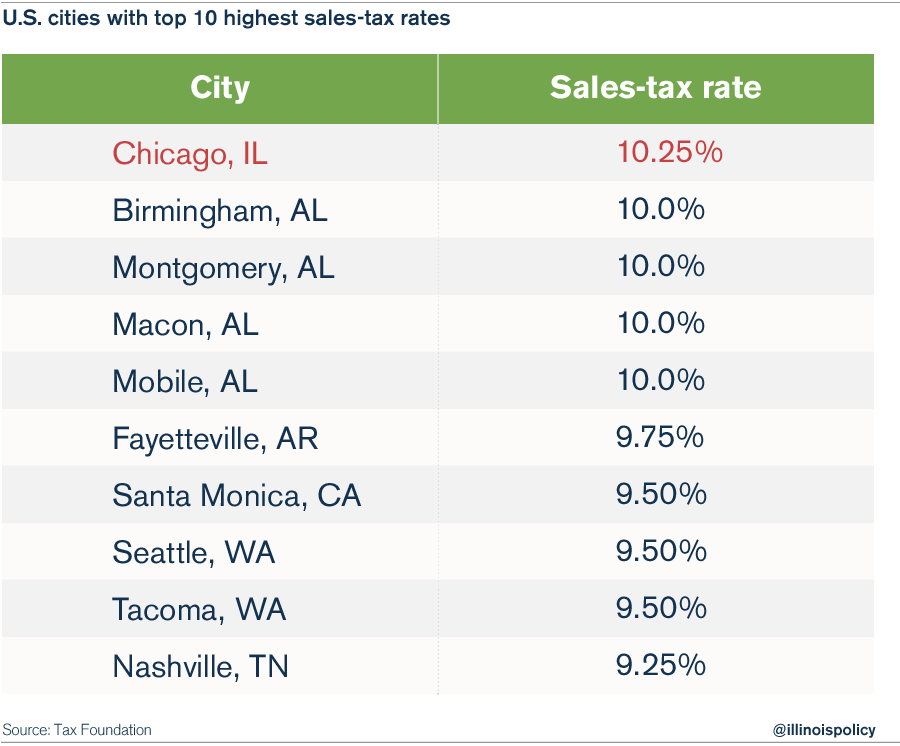
The sales tax in the United States is not a single, uniform rate. Instead, it’s a patchwork of state, county, and local taxes that combine to form the total rate you pay at the register. Chicago, being a major urban center, has one of the higher combined sales tax rates in the nation. This isn’t necessarily a deterrent, but it is a fact that every visitor should be aware of, especially when comparing prices or budgeting for their lifestyle choices during a trip.
For travelers, understanding this complex structure means being able to anticipate the real cost of purchases beyond the advertised price. It impacts everything from a new outfit bought at a boutique on Michigan Avenue to a gourmet meal in the West Loop or a ticket to a show in the Theatre District. This knowledge is fundamental for both budget-conscious adventurers and those seeking a luxury escape.
The Core Components: State, County, and City Rates
The combined sales tax rate in Chicago is primarily composed of three layers: the Illinois state sales tax, the Cook County sales tax, and the City of Chicago sales tax. Additionally, there might be other special district taxes that can incrementally add to the total, depending on the specific location of the purchase within the metropolitan area. While these can sometimes fluctuate, the general breakdown offers a clear picture.
As of recent assessments, the typical combined sales tax rate within Chicago often hovers around 10.25%. This includes a statewide rate of 6.25%, an additional 1.75% for Cook County, and a further 1.25% for the City of Chicago itself. On top of this, special transit district taxes can add another 1.00%, bringing many retail purchases to that 10.25% figure. It’s a significant percentage, meaning that for every $100 spent, an additional $10.25 is added in tax. This seemingly small amount can quickly accumulate, especially during longer stays or trips involving substantial shopping or dining.
What’s Taxed? Understanding Purchases for Your Trip
The general rule of thumb for sales tax in Illinois and Chicago is that it applies to the retail sale of tangible personal property. This means most physical goods you purchase, from clothing and electronics to souvenirs and gifts, will be subject to the full combined sales tax rate. However, there are crucial distinctions, particularly concerning food and beverages, that travelers should be aware of, as they directly impact daily expenditures.
- General Merchandise: This category covers the vast majority of your shopping in Chicago. If you’re buying a new gadget, a book from a bookstore, clothing from a department store on State Street, or memorabilia from a gift shop near Navy Pier, expect the full sales tax to apply.
- Prepared Food and Drinks: When you dine out at a restaurant, grab a coffee from a café, or order takeout, these items are generally subject to the full combined sales tax rate. This is because they are considered “prepared” for immediate consumption, rather than being ingredients for home cooking.
- Groceries (Unprepared Food): A significant exemption to the full sales tax rate applies to most unprepared food items purchased at grocery stores. These items, intended for consumption at home, are typically taxed at a much lower rate, often around 1% (the state’s low rate for certain food and drug items). This distinction is vital for travelers choosing to prepare some of their own meals, especially those staying in serviced apartments or accommodations with kitchenettes.
- Services: Most services are generally not subject to sales tax in Illinois. This means activities like getting a haircut, dry cleaning, or hiring a tour guide typically won’t have sales tax added. However, this rule has exceptions, and certain services, particularly those involving the transfer of tangible property, might be taxed. It’s always wise to clarify if unsure.
Navigating Sales Tax on Chicago’s Premier Experiences
Chicago offers an unparalleled array of experiences, from culinary delights to cultural landmarks and bustling shopping districts. Each of these facets of your trip interacts with the sales tax system in unique ways, making it essential to understand the nuances to effectively manage your travel budget and enhance your overall lifestyle during your stay.
Dining and Culinary Adventures: More Than Just the Menu Price
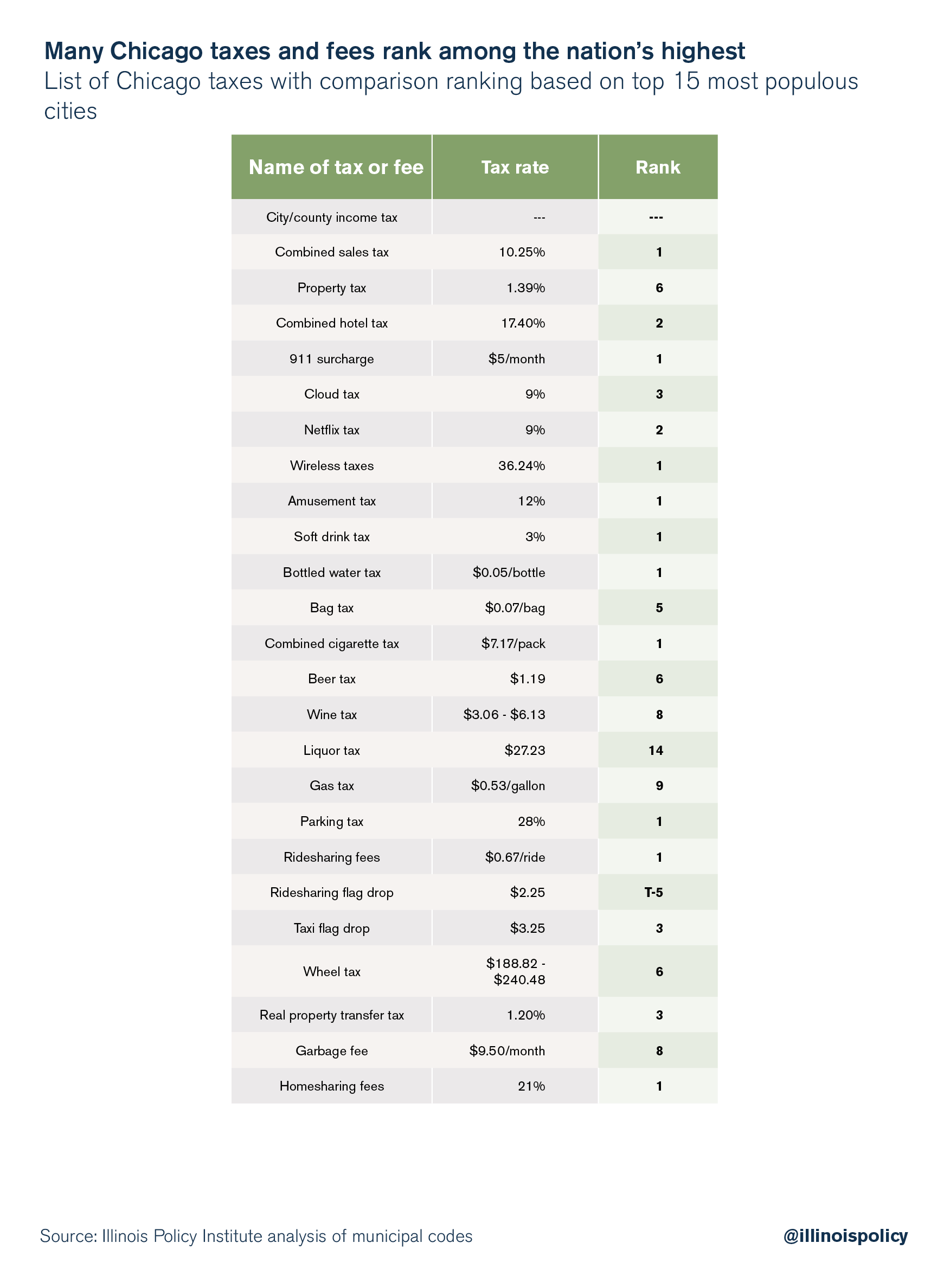
Chicago is a foodie paradise, renowned for its deep-dish pizza, Michelin-starred restaurants, vibrant street food scene, and diverse international cuisines. When budgeting for your culinary adventures, remember that the price listed on the menu is not the final cost. The full combined sales tax rate, often 10.25%, will be added to your bill for all prepared food and beverages.
This applies whether you’re enjoying a gourmet meal at Alinea, grabbing a hot dog from Portillo’s, indulging in brunch, or simply buying a cup of coffee. Even pre-packaged sandwiches or salads from a convenience store that are ready for immediate consumption usually fall under the higher prepared food tax. This is where the difference between “prepared food” and “unprepared groceries” becomes very clear and financially significant. For instance, a box of cereal and milk from a grocery store will have minimal sales tax, while a bowl of cereal and milk served at a café will be taxed at the full rate. When planning multiple meals out, which is common for tourists, this tax can add a substantial amount to your overall food budget.
Shopping Sprees and Souvenirs: Budgeting Beyond the Tag
For many, a trip to Chicago wouldn’t be complete without a visit to the Magnificent Mile, home to flagship stores of major brands, luxury boutiques, and iconic department stores. From fashion and jewelry to electronics and home goods, the retail offerings are vast. Every item of tangible personal property you purchase, from a small souvenir mug from the Willis Tower (formerly Sears Tower) to a designer handbag, will be subject to the full 10.25% sales tax.
This means that a jacket priced at $200 will actually cost you $220.50 after tax. For larger purchases or multiple items, this percentage quickly adds up. Savvy shoppers will factor this into their budget beforehand, avoiding sticker shock at the checkout. While some states have sales tax holidays or lower rates for clothing, Illinois generally applies its standard rate, so don’t expect specific exemptions for apparel in Chicago. This knowledge helps you make more informed decisions when comparing prices, perhaps leading you to prioritize certain purchases or allocate your shopping budget more wisely.
Accommodation and Hotel Stays: A Different Kind of Tax
While not technically “sales tax” in the same way retail goods are taxed, hotel occupancy tax is a critical expenditure for anyone planning to stay overnight in Chicago. It’s a separate levy but serves a similar purpose in contributing to public funds, often directly supporting tourism and convention bureaus. Chicago has a relatively high hotel tax rate compared to many other major cities, which is important for budgeting your accommodation.
The combined hotel occupancy tax rate in Chicago can exceed 17%, comprising state, county, and city components, along with specific convention and tourism board taxes. For example, a room that costs $250 per night could have an additional $42.50 or more added in various hotel taxes, bringing the total closer to $292.50 before any other fees or resort charges. This applies to traditional hotels like the Langham Chicago or the Hyatt Regency Chicago, as well as many short-term rental apartments and villas booked through platforms.
When booking your stay, always check the “total price” that includes all taxes and fees, not just the nightly rate, to get an accurate picture of your accommodation costs. This is particularly relevant for those planning extended stays or luxurious trips, where the cumulative impact of hotel taxes can be quite significant. Awareness of this separate tax structure is vital for anyone planning their trip, ensuring there are no unpleasant surprises when the final bill arrives.
Strategic Planning for Your Chicago Getaway: Saving Smart
Understanding Chicago’s sales tax is not just about awareness; it’s about empowerment. It allows you to make informed decisions that can help you stretch your travel budget further, enhancing your overall experience in this incredible city. A little foresight can go a long way in ensuring your trip is as enjoyable and financially smooth as possible.
Maximizing Your Budget: Practical Tips for Travelers
With Chicago’s sales tax rates, smart planning becomes an integral part of any successful travel itinerary. Here are a few practical tips for maximizing your budget:
- Grocery Shopping for Staples: For travelers staying in accommodations with kitchen facilities, consider buying breakfast items, snacks, and basic beverages from local grocery stores. These items are subject to a much lower sales tax rate (around 1%) compared to prepared meals, offering significant savings over the course of your trip. Look for markets near your hotel or apartment.
- Factor Tax into Shopping Decisions: When browsing shops on North Michigan Avenue or looking for unique finds in neighborhoods like Wicker Park, always mentally (or literally) add 10.25% to the sticker price. This helps in making realistic purchasing decisions and avoids overspending. For high-value items, this percentage can be a deal-breaker or a pleasant surprise if you’ve budgeted for it.
- Explore Free Attractions: Chicago boasts many world-class attractions that are free to enter. Lincoln Park Zoo, the Chicago Cultural Center, and the famous Cloud Gate sculpture (the “Bean”) in Millennium Park offer incredible experiences without adding to your sales tax burden. Spending time at these free landmarks can balance out expenses from paid attractions or shopping.
- Consider “All-Inclusive” or Bundled Deals: Some tourism packages might bundle activities, meals, or even accommodation, sometimes offering a clearer upfront cost or implicit savings on individual components that would otherwise be taxed separately.
- Review Receipts Carefully: Always take a moment to review your receipts, especially for larger purchases or dining bills. While errors are rare, understanding the breakdown of costs, including the sales tax, ensures you’re charged correctly and helps you keep track of your spending against your budget.
The Bigger Picture: Where Your Tax Dollars Go
It’s easy to view sales tax as just an added cost, but it’s important to remember that these funds play a crucial role in maintaining and enhancing the very infrastructure and services that make Chicago such an attractive destination. The revenues generated from state, county, and city sales taxes contribute significantly to public services such as roads and transportation (including the CTA, which is vital for tourists), education, public safety, and the upkeep of magnificent parks like Grant Park.
For tourists, specifically, portions of the hotel occupancy tax directly fund the city’s tourism initiatives, convention centers like McCormick Place, and promotional efforts that bring more visitors to the city. This helps to maintain attractions, support cultural institutions, and ensure Chicago remains a top-tier destination for global travelers. So, while you pay a bit more, you are also contributing to the vibrant ecosystem that makes your visit enjoyable and memorable. It’s an investment in the city’s continued appeal as a hub for travel, lifestyle, and unique experiences.
Comparing Chicago: A National Sales Tax Perspective
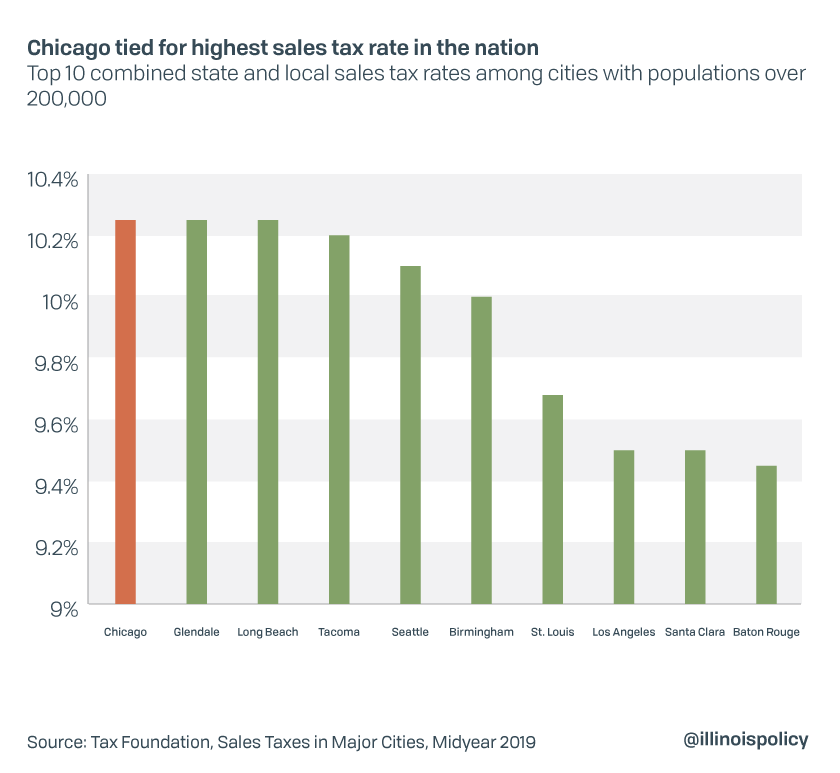
When considering Chicago’s sales tax rates, it’s helpful to place them in a broader national context. The United States has a diverse range of sales tax structures, with some states having no statewide sales tax at all (like Oregon, Delaware, Montana, New Hampshire, and Alaska), while others, particularly major metropolitan areas, have rates comparable to or even slightly higher than Chicago’s.
For instance, some cities in California can have combined rates around 10.25%, and certain areas in Louisiana and Washington also see high combined rates. However, Chicago’s 10.25% (for general merchandise and prepared food) consistently ranks among the higher rates for major cities. This might be a stark contrast for visitors coming from states like Florida (where the statewide sales tax is 6%) or Texas (6.25%).
The relatively high sales tax rate in Chicago is often a reflection of the cost of living and operating a major urban center, as well as the robust public services and cultural institutions it supports. While it’s a factor to consider for budgeting, it rarely deters the millions of tourists who flock to the city each year to experience its architectural wonders like the Chicago Riverwalk, world-class museums such as the Field Museum and Shedd Aquarium, and its vibrant arts and music scenes. It simply underscores the importance of informed travel planning and smart budgeting.
In conclusion, understanding “What Is Chicago Sales Tax?” goes beyond a simple percentage. It’s about being prepared for the financial realities of visiting a bustling, dynamic city. By familiarizing yourself with the different tax rates for various purchases and experiences, you can better manage your travel funds, avoid unexpected costs, and fully immerse yourself in the rich culture, delectable cuisine, and unforgettable adventures that await you in the magnificent city of Chicago. Plan wisely, spend smartly, and enjoy every moment of your journey!
LifeOutOfTheBox is a participant in the Amazon Services LLC Associates Program, an affiliate advertising program designed to provide a means for sites to earn advertising fees by advertising and linking to Amazon.com. Amazon, the Amazon logo, AmazonSupply, and the AmazonSupply logo are trademarks of Amazon.com, Inc. or its affiliates. As an Amazon Associate we earn affiliate commissions from qualifying purchases.