
The electrifying rhythm of the Roaring Twenties, the dark allure of jazz clubs, and a captivating story of crime, ambition, and media manipulation – this is the essence of Chicago, one of Broadway’s longest-running and most iconic musicals. More than just a theatrical performance, experiencing Chicago is a journey into a specific era of American culture and a must-do for any discerning traveler seeking a blend of high-octane entertainment and profound social commentary.
This musical isn’t just about a city; it’s a vibrant, cynical, and utterly captivating exploration of fame, justice, and the seductive power of the media circus. For those planning a getaway to major theatrical hubs like New York City or London, understanding what Chicago is about will undoubtedly enhance the decision to include it in their itinerary. It promises an unforgettable experience that perfectly complements a trip focused on culture, history, and the best of global entertainment.
The Allure of the Roaring Twenties: A Story of Crime and Celebrity
At its core, Chicago is a scathing satire on corruption within the criminal justice system and the sensationalism of the media. Set in the titular city during the Prohibition era of the 1920s, it plunges audiences into a world where notoriety is currency and murder can be a springboard to stardom. The musical takes its inspiration from real-life events and characters, specifically the 1926 play by reporter Maurine Dallas Watkins, who covered actual murder trials in Chicago and witnessed firsthand how the media transformed alleged criminals into unlikely celebrities.
Setting the Scene: Jazz Age Chicago
The setting itself is a crucial character in Chicago. The Jazz Age was a time of immense social change, economic boom, and a loosening of moral constraints, especially in vibrant urban centers like Chicago. Speakeasies buzzed with illegal liquor and live jazz music, flappers danced the night away, and the city pulsed with an intoxicating energy. This backdrop of moral ambiguity and hedonism perfectly frames the musical’s narrative, where the lines between right and wrong, and between celebrity and criminal, become deliciously blurred. The musical deftly captures the zeitgeist of this era, from the fashion and dance styles to the underlying cynicism and hunger for spectacle that defined the decade. When you visit Chicago today, you can still feel echoes of this past in its grand architecture and vibrant cultural scene, making a visit to the city a perfect complement to understanding the musical’s historical context.
A Tale of Murder, Media, and Manipulation
The story revolves around two ambitious and murderous showgirls, Velma Kelly and Roxie Hart. Velma is a seasoned vaudeville performer who murders her husband and sister after catching them in bed together. Already a darling of the press, she’s initially the top “merry murderess” in Cook County Jail. Her reign, however, is challenged by the arrival of Roxie Hart, a chorus girl who shoots her lover, Fred Casely, after he tries to leave her.
Once incarcerated, Roxie quickly learns the ropes from the prison matron, the shrewd and opportunistic “Mama” Morton, who acts as an agent, connecting the inmates with the slickest defense lawyer in Chicago, Billy Flynn. Billy is a master of manipulation, capable of turning public opinion and crafting sensational stories that guarantee acquittals for his female clients. He transforms Roxie into a sympathetic figure, painting her as an innocent victim seduced and abandoned by her lover, now fighting for her life. This creates a fierce rivalry between Roxie and Velma as they vie for Billy’s attention, press coverage, and the coveted spotlight.

The musical brilliantly uses the structure of a vaudeville show, with each song presented as a separate act, often introduced by Billy Flynn as he pulls the strings of the legal and media systems. The themes of betrayal, envy, and the relentless pursuit of fame at any cost are explored with biting wit and cynical humor. The audience is invited to question the very nature of justice and the role of the media in shaping public perception – themes that remain remarkably relevant today.
The Music, Lyrics, and Iconic Choreography
The narrative brilliance of Chicago is inextricably linked to its groundbreaking musical score and iconic choreography, which together create a theatrical style unlike any other.
Kander and Ebb’s Masterpiece
The musical’s indelible songs were composed by the legendary duo John Kander (music) and Fred Ebb (lyrics), whose other notable collaborations include Cabaret and Kiss of the Spider Woman. Their score for Chicago is a masterclass in musical storytelling, with each number serving a distinct purpose in advancing the plot, revealing character, or commenting on the satirical themes.
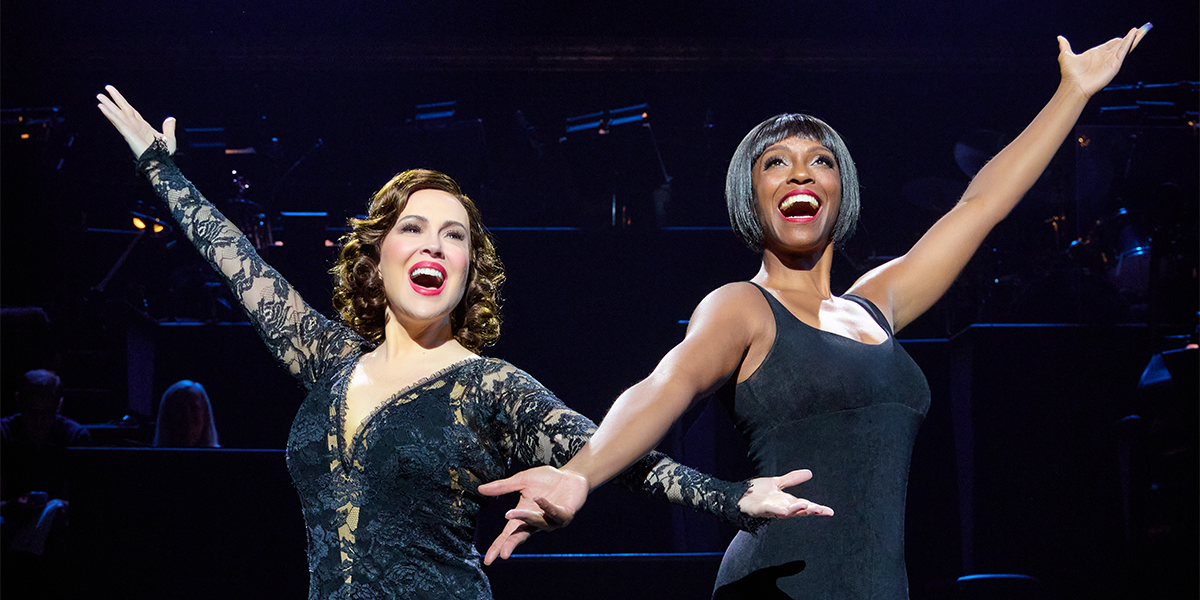
The songs are crafted in a vaudeville style, reflecting the entertainment of the 1920s and emphasizing the idea that the entire legal process is just another show. From the opening number, “All That Jazz,” which immediately immerses the audience in the smoky, sensual world of Velma Kelly, to the powerfully dramatic and darkly humorous “Cell Block Tango,” where the six murderesses recount their crimes, the music is consistently engaging. “Roxie” provides a pivotal moment for the character, a self-serving declaration of her newfound notoriety, while “Razzle Dazzle” is Billy Flynn’s cynical anthem, explaining his strategy of confusing and charming juries. Every note and lyric works in tandem to create a cohesive and unforgettable auditory experience.
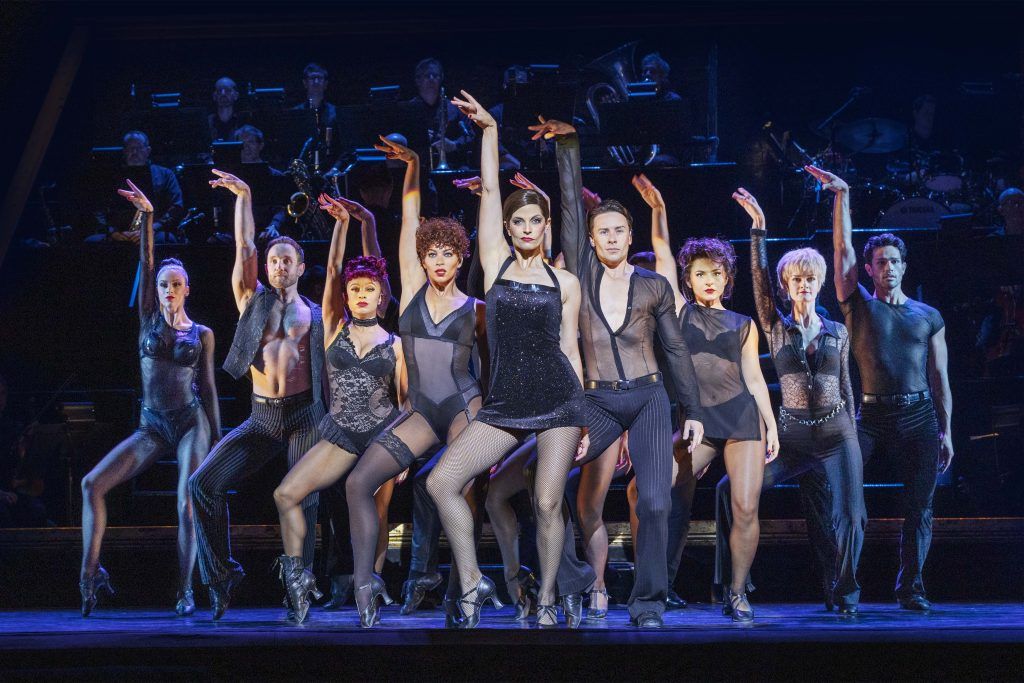
Equally crucial to the musical’s identity is the original choreography by Bob Fosse, who also directed the 1975 original production and co-wrote the book with Fred Ebb. Fosse’s distinctive style – characterized by isolated movements, slouched shoulders, turned-in knees, jazz hands, and a sensual, often cynical edge – became synonymous with Chicago. His choreography is not merely decorative; it is integral to the storytelling, conveying the characters’ inner lives, their desires, and the moral ambiguities of the world they inhabit. When you witness a live production, the precision and power of the Fosse choreography are simply breathtaking, a testament to its enduring impact on dance and theatre.
Enduring Theatrical Legacy
The original 1975 production, while critically acclaimed, initially struggled to find its audience against the backdrop of the more optimistic A Chorus Line. However, the 1996 Broadway revival, conceived as a stripped-down, concert-style production, proved to be a phenomenal success. This revival, still running today, eschewed elaborate sets for a focus on the performers, the music, and the iconic Fosse choreography, proving that the material itself was timeless.
The revival of Chicago went on to win six Tony Awards, including Best Revival of a Musical, and quickly cemented its place as a theatrical phenomenon. It remains one of the longest-running shows in Broadway history and has been performed in countless cities around the world, from the West End in London to touring productions across North America and beyond. Its adaptation into a highly successful 2002 film further broadened its appeal, introducing its cynical charm to a new generation. The enduring legacy of Chicago lies in its timeless themes, unforgettable music, and its ability to consistently captivate audiences with its “Razzle Dazzle.”
Experiencing Chicago: A Travel and Lifestyle Perspective
For travelers who appreciate arts and culture, seeing Chicago is more than just an evening’s entertainment; it’s an integral part of a rich tourism experience. Integrating a world-class musical into your travel plans elevates a simple trip into a memorable cultural immersion.
Planning Your Theatrical Getaway
Deciding to see Chicago often means planning a trip to a major theatrical city. The most common destinations are New York City for Broadway or London for the West End. Both cities offer a plethora of attractions and experiences that beautifully complement an evening at the theatre.
When planning, consider the time of year. While Chicago runs year-round, peak season travel might mean higher ticket prices and busier venues. Booking your tickets in advance is always recommended, especially for popular shows. For accommodation, you have a wide range of options. In New York City, proximity to the Broadway theater district (around Times Square) can be key for convenience, offering everything from luxury hotels with concierge services to boutique hotels offering unique charm. Similarly, in London, staying near the West End in areas like Covent Garden or Leicester Square puts you at the heart of the action.
Beyond the show itself, planning your pre- and post-show dining is essential for a complete experience. Many restaurants in these theatrical districts cater to showgoers, offering pre-theatre menus. You might even find themed dining experiences that evoke the 1920s or the glamour of show business, adding another layer to your theatrical night out.
Beyond the Stage: Exploring the Destination
A trip to see Chicago is an excellent anchor for a broader urban exploration. If you’re seeing the show in Chicago itself (often a touring production or a local revival), immerse yourself in the city’s rich history and iconic landmarks. Walk along the Magnificent Mile, visit the world-renowned Art Institute of Chicago, or marvel at the Cloud Gate sculpture in Millennium Park. These attractions provide a tangible connection to the city that inspired the musical.
In New York City, a visit to Broadway naturally pairs with exploring Times Square, wandering through Central Park, or delving into the city’s myriad museums like the Metropolitan Museum of Art or the Museum of Modern Art. London’s West End offers similar opportunities to explore historical sites like the Tower of London, visit world-class galleries, or enjoy the vibrant atmosphere of Covent Garden before or after your show. The entire trip becomes a celebration of arts, culture, and urban exploration.
Tailoring Your Trip: Luxury vs. Budget Travel
The beauty of planning a trip around a musical like Chicago is its adaptability to various lifestyle and budget preferences. For a luxury travel experience, you might opt for premium orchestra seats, stay in a lavish suite at a five-star hotel like the Ritz-Carlton or a Grand Hyatt Hotel, and enjoy a multi-course pre-theatre dinner at a Michelin-starred restaurant. Consider adding exclusive experiences like backstage tours (where available) or private transportation to complete your upscale getaway.
Alternatively, a budget-friendly adventure is entirely feasible. Look for discounted tickets through lottery systems or day-of rush options. Accommodation can range from cozy apartments booked through rental platforms, hostels with private rooms, or well-located mid-range hotels that offer great value. Dining can involve exploring local eateries, grabbing a quick bite from a food truck, or packing a picnic for a park visit. Even on a tighter budget, the vibrancy of a major city and the thrill of live theatre can be fully enjoyed.
Whether you’re planning a solo adventure, a romantic escape, or even a family trip (though Chicago is generally recommended for mature audiences due to its themes and suggestive content, the city itself offers plenty for all ages), tailoring your trip ensures a personalized and enriching experience. The magic of live performance combined with the excitement of exploring a new destination truly makes for an unforgettable journey.
In conclusion, Chicago the musical is a sharp, sophisticated, and supremely entertaining piece of theatre that satirizes the cult of celebrity and the sensationalism of the media through the lens of 1920s criminal justice. Its compelling story of two murderesses vying for public attention, set to a sizzling Kander and Ebb score and featuring legendary Bob Fosse choreography, continues to thrill audiences worldwide. Incorporating a show like Chicago into your travel plans offers a unique opportunity to immerse yourself in exceptional arts and culture, transforming a simple vacation into a rich and unforgettable cultural adventure.