
For any traveler planning a visit to the vibrant metropolis of Chicago, one of the initial questions that often arises, especially for those venturing from different time zones, is “What time is it in Chicago?” Beyond a simple clock check, understanding Chicago time is crucial for seamless travel planning, maximizing your itinerary, and fully immersing yourself in the city’s unique rhythm. As a bustling hub for travel, tourism, and lifestyle in the United States, Chicago operates within the Central Time Zone, which observes both Central Standard Time (CST) and Central Daylight Time (CDT) depending on the season. This article will delve into the specifics of Chicago time, its implications for visitors, and how to synchronize your travel experiences with the beat of the Windy City.

Decoding Chicago’s Clock: Central Time Zone Explained
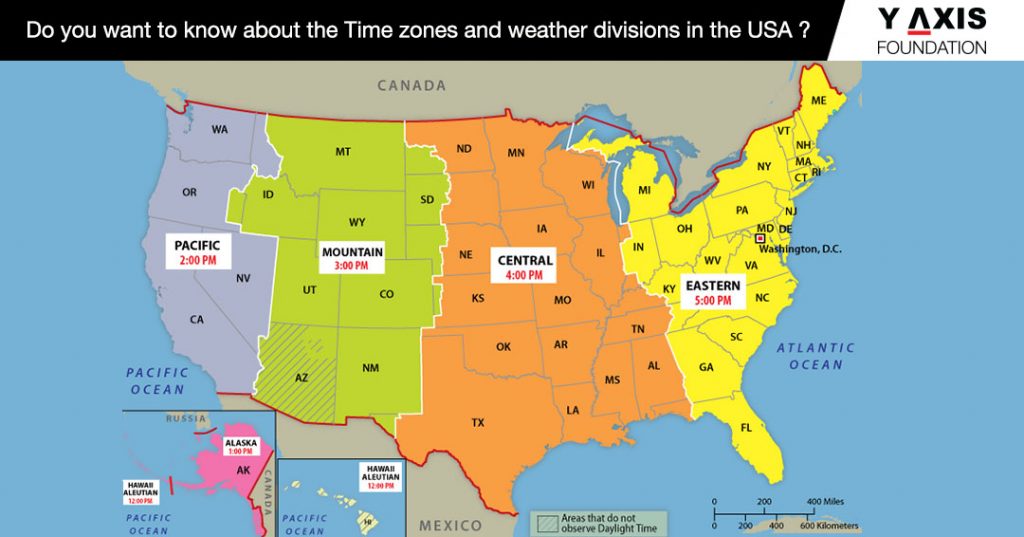
Chicago, the largest city in Illinois and a cornerstone of the Midwest, is geographically positioned within the Central Time Zone. This zone spans a wide swath of North America, encompassing several states and parts of Canada and Mexico. For travelers, this means that once you land at O’Hare International Airport or Midway International Airport, your internal clock will need to adjust to the local time, which is typically one hour behind the Eastern Time Zone, one hour ahead of the Mountain Time Zone, and two hours ahead of the Pacific Time Zone. This time difference is a critical factor in planning flight connections, scheduling business meetings, or simply knowing when to call loved ones back home.
Central Standard Time (CST) vs. Central Daylight Time (CDT)
Like most of the United States, Chicago observes Daylight Saving Time. This means that the city’s time designation shifts twice a year:
- Central Standard Time (CST): This is the baseline time for the Central Time Zone during the colder months, specifically from early November to mid-March. CST is GMT-6, meaning it is six hours behind Coordinated Universal Time. During this period, sunset comes earlier, and the mornings are brighter, which can influence travel plans focused on outdoor activities or natural light photography.
- Central Daylight Time (CDT): From mid-March to early November, Chicago “springs forward” an hour, moving to CDT. This is GMT-5. The primary benefit of Daylight Saving Time is the extended daylight in the evenings, which is particularly cherished during the summer months. For tourists, this means more daylight hours to explore landmarks, enjoy outdoor dining, or catch an evening show without feeling rushed by an early sunset. The transition from CST to CDT and back can be a minor hurdle for those sensitive to time changes, potentially impacting sleep patterns for a day or two.
Geographical Impact: Chicago’s Place on the Time Map
Chicago’s location in the Central Time Zone positions it uniquely within the national tapestry. Travelers arriving from the east coast, such as from New York City or Miami, will gain an hour upon arrival, which can feel like a welcome reprieve, offering a slightly longer day. Conversely, those coming from the west coast, like Los Angeles or Seattle, will lose two hours, necessitating a quicker adjustment to avoid jet lag. Understanding these geographical time relationships is fundamental for efficient travel planning, especially when coordinating meeting times or making calls across multiple time zones. It’s a key piece of information for anyone managing business stays or connecting with colleagues across the United States.
Navigating Time for the Chicago Traveler
Effective time management is a cornerstone of any successful trip, and visiting Chicago is no exception. From arrival to departure, every moment counts in this city packed with attractions and experiences. Knowing “What is Chicago time now?” is merely the starting point; integrating this knowledge into your travel strategy is where the true value lies.
Arrival & Departure: Mitigating Jet Lag
Jet lag, a common challenge for long-distance travelers, is directly tied to time zone changes. When flying into Chicago from a significantly different time zone, particularly from international destinations or the west coast, symptoms like fatigue, disorientation, and disrupted sleep patterns can temporarily dampen your travel enthusiasm. Hotels in Chicago are well-equipped to assist with this, often providing amenities like blackout curtains, 24-hour room service, and comfortable bedding designed to promote restful sleep. Booking an early check-in or a late check-out, depending on your flight schedule, can be a valuable strategy to allow your body to adjust more gradually. Consider choosing a hotel with a spa or fitness center, like The Langham Chicago or Peninsula Chicago, where a refreshing swim or a relaxing massage can aid in your recovery. Hydration, light exercise, and immediate adoption of local meal times are also crucial steps in mitigating the effects of jet lag.
Maximizing Your Itinerary: Opening Hours and Peak Times
Chicago’s most renowned landmarks and attractions adhere strictly to local time for their operating hours. The Art Institute of Chicago, Field Museum, Shedd Aquarium, and the Museum of Science and Industry all have specific opening and closing times that must be factored into your daily schedule. For instance, visiting popular spots like Cloud Gate (affectionately known as “The Bean”) in Millennium Park or enjoying the panoramic views from the Willis Tower (formerly Sears Tower) requires an awareness of both operating hours and peak visitation times. Early mornings are often best for experiencing popular outdoor attractions with fewer crowds and softer light, while museum visits can be planned for late mornings or afternoons. During the summer, when CDT provides extended daylight, attractions like Navy Pier remain open later, offering more opportunities for evening strolls and Ferris wheel rides.
Dining and Nightlife: Embracing the City’s Rhythms
Chicago’s culinary scene and vibrant nightlife also operate on a distinct schedule. Breakfast spots typically open by 7:00 AM, lunch rush peaks around noon to 1:00 PM, and dinner reservations are often sought between 6:00 PM and 9:00 PM. For those seeking late-night entertainment, bars and clubs in neighborhoods like River North or Wicker Park often remain open until 2:00 AM on weekdays and 3:00 AM on weekends. Understanding these local rhythms ensures you don’t miss out on prime dining experiences or the chance to savor Chicago’s renowned deep-dish pizza at its best. Lifestyle choices in Chicago are very much aligned with these timeframes, from early morning jogs along Lake Michigan to late-night jazz sessions in Lincoln Park.
Time-Sensitive Experiences: Iconic Landmarks and Events
Chicago’s allure lies in its magnificent architecture, world-class museums, and lively cultural scene, many of which are best experienced at specific times of day or during particular seasons. Syncing your exploration with Chicago time enhances the overall impact of these iconic experiences.
Morning Glories: Capturing Chicago’s Architectural Splendor
Early mornings in Chicago, especially during the spring and fall when the air is crisp and the sun casts long shadows, are ideal for architectural tours. The soft, golden light is perfect for photography, highlighting the intricate details of buildings along the Magnificent Mile or the historic structures that line the Chicago River. Consider an early morning Chicago River boat tour to get a unique perspective on the city’s skyline before the midday crowds gather. These tours, often starting around 9:00 AM or 10:00 AM, provide historical context and stunning views that are truly time-sensitive, as the lighting can dramatically alter the visual experience.
Afternoon Adventures: Museums and Park Exploration
Afternoons in Chicago are perfect for delving into its vast array of museums. The Field Museum, Shedd Aquarium, and Adler Planetarium, all located within the sprawling Museum Campus, offer hours of captivating exploration. Their indoor environments make them excellent choices regardless of weather, allowing travelers to comfortably spend several hours. Following a museum visit, a leisurely stroll through Grant Park or Lincoln Park Zoo is a delightful way to spend the late afternoon, particularly as the sun begins to lower and the city transitions into its evening ambiance. These parks offer a blend of natural beauty and urban excitement, best enjoyed when the temperature is mild and the crowds are less dense.
Evening Enchantment: Waterfronts and Skyline Views
As Chicago shifts into the evening hours (post-sunset, which varies significantly between CST and CDT), the city transforms into a dazzling display of lights. The skyline, viewed from the shores of Lake Michigan, from Navy Pier, or from a rooftop bar, is nothing short of spectacular. This is prime time for romantic dinners, theater shows, or enjoying live music. The extended daylight of CDT in summer means that these evening enchantments can begin later, allowing for more pre-dinner activities. Conversely, during CST in winter, the early darkness creates an immediate sense of urban coziness and sparkle, perfect for festive holiday lights and indoor cultural performances.
Seasonal Celebrations: Timing Your Visit for Unforgettable Events
Chicago’s calendar is dotted with world-renowned festivals and events, each occurring at specific times of the year. To experience the vibrant music of Lollapalooza, held annually in late July/early August, or to indulge in the culinary delights of Taste of Chicago, typically in July, you must align your visit with Chicago time and its seasonal events. The Chicago Jazz Festival in late summer, or the famous dyeing of the Chicago River green for St. Patrick’s Day in March, are all time-sensitive experiences that draw massive crowds. These events offer deep dives into local culture and community, but require careful planning of accommodation, transport, and daily itineraries around their schedules.
Accommodation and Lifestyle: Synchronizing with Chicago Time
Beyond the attractions, the practicalities of travel, especially concerning accommodation and adapting to the local lifestyle, are intrinsically linked to Chicago time. From booking details to daily routines, understanding the city’s clock is key to a comfortable and enriching stay.
Hotel Stays: Check-in, Check-out, and Comfort
Accommodation in Chicago, whether it’s a luxury suite at the Thompson Chicago, a family-friendly resort, a boutique hotel like Hotel EMC2, or a long-term apartment rental, operates on Central Time. Standard check-in times are typically between 3:00 PM and 4:00 PM CDT/CST, and check-out is usually by 11:00 AM or noon. Being aware of these times is critical to avoid additional charges or unexpected delays. Many hotels, especially those catering to business travelers, offer amenities like 24-hour concierge services, fitness centers that open early, and in-room dining to accommodate varying schedules caused by time zone shifts. For travelers booking through comparison sites, always confirm the local time for reservations to prevent confusion. Some establishments, like the historic Palmer House Hilton or the modern Swissôtel Chicago, offer flexible options for loyal guests, which can be invaluable when dealing with early arrivals or late departures.
The Chicago Lifestyle: From Business to Leisure
The local lifestyle in Chicago is highly influenced by its time zone and seasonal daylight variations. Business districts like The Loop are bustling from 8:00 AM to 5:00 PM, while commuters pack the Metra and CTA during morning and evening rush hours. For leisure travelers, embracing this rhythm can mean enjoying a leisurely breakfast, exploring museums during less crowded mid-day hours, and then transitioning to evening entertainment as the city lights up. Luxury travel experiences, such as private yacht charters on Lake Michigan or exclusive dining at Michelin-starred restaurants, often require reservations well in advance, with specific time slots that adhere strictly to local CDT/CST. Even budget travel benefits from time awareness; knowing off-peak hours can lead to shorter queues at attractions and better deals on public transport.

Practical Tips for a Seamless Time Adjustment
To ensure a smooth transition to Chicago time, consider these practical tips:
- Adjust Before You Arrive: If possible, gradually shift your sleep schedule a few days before your trip.
- Hydrate and Avoid Caffeine/Alcohol: Especially during travel, to minimize jet lag.
- Embrace Natural Light: Seek out sunlight upon arrival in Chicago to help reset your circadian rhythm. Take a walk in Grant Park or along the lakefront.
- Set Your Devices to Local Time: Immediately upon landing, update all your phones, watches, and smart devices to Chicago time.
- Plan Key Activities for Optimal Times: Schedule demanding activities when you anticipate being most alert.
- Communicate Time Zones Clearly: When making plans with people in other time zones, always specify “Chicago time” or CST/CDT to avoid confusion.
- Utilize Hotel Services: Don’t hesitate to use amenities like wake-up calls, room service, or concierge assistance to help you stay on schedule. The Godfrey Hotel Chicago, for example, is known for its excellent service designed to enhance guest comfort and convenience.
In conclusion, “What is Chicago time now?” is more than just a quick question; it’s a gateway to understanding how to best experience this magnificent city. By familiarizing yourself with Central Standard Time and Central Daylight Time, planning your itinerary around local hours, and leveraging accommodation services, you can ensure your visit to Chicago is not only memorable but also perfectly synchronized with the vibrant pulse of the Windy City.
LifeOutOfTheBox is a participant in the Amazon Services LLC Associates Program, an affiliate advertising program designed to provide a means for sites to earn advertising fees by advertising and linking to Amazon.com. Amazon, the Amazon logo, AmazonSupply, and the AmazonSupply logo are trademarks of Amazon.com, Inc. or its affiliates. As an Amazon Associate we earn affiliate commissions from qualifying purchases.