
Embarking on a journey through the vast and vibrant landscapes of Texas offers an unparalleled experience, whether you’re a lifelong resident or a curious traveler. From the bustling metropolitan hubs of Houston and Dallas to the serene beauty of Big Bend National Park and the charming wineries of the Texas Hill Country, the Lone Star State beckons with diverse attractions and adventures. Central to unlocking this freedom of exploration and mobility is understanding the fundamental requirement for navigating its expansive roads: the Class C driver’s license.
The Class C license in Texas is more than just a piece of identification; it’s your passport to independence, enabling you to experience the rich tapestry of Texan culture, visit iconic landmarks, enjoy local cuisine, and simply get around. For many, especially those planning family trips, budget-conscious explorations, or even luxurious getaways, the ability to drive a personal vehicle is non-negotiable. This comprehensive guide will delve into what the Class C license entails, who needs it, how to obtain it, and how it empowers your lifestyle and travel adventures across this magnificent state, ensuring you’re well-prepared for every mile of your journey.

Understanding the Texas Class C License: Your Gateway to the Lone Star State
At its core, the Texas Class C driver’s license is the most common and widely held license in the state, serving as the standard credential for operating most non-commercial passenger vehicles. For anyone looking to enjoy the freedom of the open road, whether commuting to work, embarking on a weekend getaway to South Padre Island, or simply running daily errands, this license is absolutely essential. It represents not just a legal requirement but a fundamental aspect of modern travel and lifestyle in a state as geographically diverse and expansive as Texas.
The significance of the Class C license extends beyond mere legality; it embodies the spirit of independence and adventure that characterizes life in Texas. Without it, many of the state’s incredible destinations, from the historic Alamo in San Antonio to the vibrant music scene of Austin, would be challenging to access. Understanding its scope and purpose is the first step toward a seamless and enjoyable experience within the state.
What the Class C License Allows You to Drive
The Texas Class C driver’s license is primarily designed for the operation of “regular” passenger vehicles. This includes the vast majority of cars, light trucks, sport utility vehicles (SUVs), and vans that individuals drive daily. Specifically, with a Class C license, you are permitted to operate:
- Vehicles with a gross vehicle weight rating (GVWR) of less than 26,001 pounds. This weight limit covers virtually all standard consumer vehicles. It’s important to note that commercial vehicles exceeding this limit, or vehicles designed to transport hazardous materials or a large number of passengers (16 or more, including the driver), would require a Commercial Driver’s License (CDL), such as a Class A or Class B.
- Vehicles designed to transport fewer than 16 passengers. This includes the driver. So, a typical family sedan, SUV, or minivan falls well within this category, making it perfect for family trips, group outings to local attractions, or business travel.
- Towing smaller trailers. A Class C license also allows you to tow a trailer with a GVWR of 10,000 pounds or less, provided the combined GVWR of the vehicle and trailer does not exceed 26,001 pounds. This is great news for those planning camping trips, taking their boat to Lake Travis, or moving personal belongings.
Essentially, if you’re driving a vehicle for personal use that isn’t a large commercial truck, a big bus, or a motorcycle (which requires a Class M endorsement), the Class C license is what you need. This makes it indispensable for anyone looking to fully experience the travel, tourism, and lifestyle opportunities Texas has to offer, from exploring quaint towns in the Texas Hill Country to commuting within the sprawling Dallas-Fort Worth Metroplex.
Who Needs a Class C License in Texas?
In short, most residents of Texas who wish to legally operate a motor vehicle on public roads will need a Class C license. This applies to a broad spectrum of individuals, including:
- New Residents: If you’ve recently moved to Texas from another state or country and plan to reside here permanently, you’ll need to obtain a Texas driver’s license. The state typically grants a grace period for new residents to convert their out-of-state license, but ultimately, a Texas Class C is required for continued legal driving. This is especially pertinent for those relocating for work or seeking new lifestyle opportunities.
- First-Time Drivers: Young adults reaching the eligible age to drive in Texas will start their driving journey by applying for a Class C license (typically after obtaining a learner’s permit and completing driver’s education). This opens up opportunities for independent travel, social activities, and part-time jobs, significantly impacting their lifestyle.
- Individuals Without a Valid License: Anyone who has never held a valid driver’s license in Texas or another state, or whose previous license has expired beyond the renewal period, will need to go through the full application process to acquire a Class C license.
While international visitors with valid driver’s licenses from their home country or an international driving permit can typically drive in Texas for a limited period, establishing residency necessitates obtaining a Texas Class C license. This ensures adherence to state laws and facilitates seamless integration into the community, from renting accommodation to exploring local culture. It’s an indispensable tool for anyone building a life or enjoying an extended stay in the state.
The Path to Obtaining Your Texas Class C License: A Step-by-Step Guide
Securing your Texas Class C driver’s license is a straightforward process, though it requires careful attention to detail and adherence to specific requirements set forth by the Texas Department of Public Safety (DPS). For many, this process is a rite of passage, signifying new independence and the ability to explore the expansive opportunities that Texas offers, from its bustling cities to its tranquil natural parks. Whether you’re a teenager eager to gain mobility or a new resident looking to integrate, understanding each step is crucial for a smooth application.
The journey involves several key stages, from meeting eligibility criteria to passing written and driving tests. Each stage is designed to ensure that all licensed drivers possess the necessary knowledge and skills to safely navigate Texas roads, contributing to safer travel for everyone. This section will walk you through the essential steps, providing clarity on what to expect as you pursue your Class C license.
Eligibility Requirements for Applicants
Before you even consider filling out an application, you must meet certain fundamental eligibility criteria established by the DPS. These requirements are in place to ensure that all applicants are prepared and legally able to hold a driver’s license in the United States. Key eligibility factors include:
- Age:
- To obtain an instruction permit (learner’s permit), you must be at least 15 years old and enrolled in or have completed a driver’s education program.
- To apply for a provisional Class C license (for minors), you must be at least 16 years old, have held an instruction permit for at least six months, and completed both driver’s education and the Impact Texas Teen Drivers (ITTD) program.
- For an unrestricted Class C license (for adults), you must be at least 18 years old.
- Residency: You must be a legal resident of Texas. This typically requires providing proof of your Texas address.
- Social Security Number: You must provide proof of your Social Security Number (SSN).
- Legal Presence: You must prove your legal presence in the United States. This could be through a U.S. birth certificate, U.S. passport, or documentation from the U.S. Citizenship and Immigration Services (USCIS).
- Driver’s Education: For applicants under 18, completion of an approved driver’s education course is mandatory. This includes both classroom and in-car instruction, laying the foundation for safe driving practices crucial for all forms of travel.
- Impact Texas Drivers Program: All applicants, regardless of age, must complete the free ITTD program or the Impact Texas Adult Drivers (ITAD) program (for those 18-24) within 90 days of taking their driving test. This program emphasizes safe driving behaviors and awareness of the consequences of distracted driving, a vital aspect of responsible tourism.
Meeting these requirements is the first critical step toward obtaining your Class C license and unlocking the full scope of Texas’s attractions and lifestyle opportunities.
The Comprehensive Application Process Overview

Once you meet the eligibility requirements, the application process for a Texas Class C license generally follows these steps:
- Complete a Driver’s License Application: You’ll start by filling out the application form (DL-14A), which can often be started online or completed at a DPS office.
- Gather Required Documents: This is a crucial step. You’ll need to present several documents to verify your identity, residency, and legal presence. We’ll detail these in the next section.
- Visit a DPS Office: Schedule an appointment online or visit your local DPS driver’s license office. Be prepared for potentially long wait times if you don’t have an appointment.
- Present Your Documents and Pay Fees: Submit your application and all supporting documents to a DPS representative. You’ll also need to pay the required application fee.
- Pass a Vision Test: Your eyesight will be tested to ensure you meet the minimum visual acuity standards for driving.
- Take Your Photo and Provide Fingerprints: These are standard security procedures for identification purposes.
- Pass the Written Knowledge Test: This test covers Texas traffic laws and road signs. Studying the official Texas Driver Handbook is essential for success. This knowledge is vital for safe travel through the state’s diverse environments, from urban streets to rural highways leading to destinations like Fort Worth or Waco.
- Complete the Driving Skills Test: After passing the knowledge test and any required Impact Texas Drivers program, you’ll take a practical driving test. You must provide a vehicle that is properly insured and registered, and it must pass a basic safety inspection. The test evaluates your ability to safely operate a vehicle, including maneuvers like parallel parking, turning, and maintaining proper lane control. This practical demonstration of skill is the final hurdle before your license is issued, signifying your readiness for independent travel.
Upon successfully completing all these steps, a temporary license will be issued, and your official Class C driver’s license will be mailed to you. This marks the culmination of your efforts and the beginning of your unrestricted travel and lifestyle experiences in Texas.
Essential Documents to Bring to the DPS Office
To ensure a smooth application process and avoid delays, it’s paramount to arrive at the DPS office with all the necessary documentation. The DPS requires specific forms of proof for identity, legal presence, residency, and your Social Security Number. Preparing these documents in advance will save you considerable time and hassle. Here’s a comprehensive checklist:
- Proof of Identity: You will need one primary document or two secondary documents, or one secondary and two supporting documents.
- Primary Documents: U.S. Passport, U.S. Birth Certificate, U.S. Citizenship Certificate, or Permanent Resident Card.
- Secondary Documents: Original Social Security Card, Texas identification card, or an out-of-state driver’s license (if applicable).
- Supporting Documents: Utility bills, bank statements, school records, or insurance policies.
- Proof of U.S. Citizenship or Lawful Presence: This can often be satisfied by your primary identity document (e.g., U.S. Birth Certificate or Passport). Non-citizens will need specific immigration documents (e.g., Permanent Resident Card, Employment Authorization Card).
- Proof of Social Security Number (SSN): Your Social Security Card is the easiest proof. Alternatively, a W-2 form, SSA-1099, or a non-SSA-1099 form showing your full SSN is acceptable.
- Proof of Texas Residency: You typically need two different documents from two different sources that show your name and current Texas residential address. These can include:
- Current utility bills (electric, water, gas, internet)
- Lease agreement or mortgage statement
- Mail from government agencies (e.g., property tax statement)
- Bank statements
- Car insurance policy or statement
- Medical or health card
- Proof of Vehicle Registration and Insurance: If you are taking a driving test, the vehicle you use must have valid registration and proof of liability insurance.
- Proof of Driver Education and ITTD/ITAD Completion: For applicants under 25, the driver’s education certificate (DE-964 or ADE-1317) and the ITTD/ITAD certificate are mandatory.
Double-checking this list and organizing your documents before your DPS visit will streamline your application process, allowing you to quickly move towards enjoying the independence and travel opportunities your Class C license provides.
Navigating Texas: The Class C License and Your Travel Lifestyle
Once you’ve successfully obtained your Texas Class C driver’s license, a world of exploration and personal freedom opens up before you. Texas is a state of vast distances and incredible diversity, from its sprawling metropolises to its charming small towns, from its Gulf Coast beaches like those near Galveston Island and Corpus Christi to its desert landscapes near Marfa. Your Class C license isn’t just a legal document; it’s the key to unlocking these experiences, allowing you to tailor your travel and lifestyle to your exact preferences.
Whether you’re planning a spontaneous weekend trip, a meticulously organized family vacation, or simply want the flexibility to discover local gems, the ability to drive independently is paramount. This section explores how your Class C license empowers your travel lifestyle, offering practical insights for tourists and new residents alike.
Unlocking Texas Destinations: Travel and Tourism Freedom
The sheer size of Texas means that personal transportation is often the most practical and enjoyable way to see the state. Your Class C license enables you to:
- Explore Iconic Cities: Drive from Houston’s space centers and world-class museums to Dallas’s vibrant arts scene and professional sports. Visit San Antonio for its historic River Walk and Alamo, or immerse yourself in Austin’s unique music and food culture. Each city offers distinct attractions and experiences, perfect for diverse travel preferences.
- Discover Natural Wonders: Take a road trip to Big Bend National Park for breathtaking hiking and stargazing, or head to Padre Island National Seashore for pristine beaches and wildlife viewing. The Texas Hill Country beckons with its rolling hills, clear rivers (like Canyon Lake and Lake Travis), charming small towns like Fredericksburg and Luckenbach, and renowned wineries.
- Engage in Local Culture and Activities: Drive to a rodeo in Fort Worth, enjoy fresh seafood in Port Aransas, or visit the historical sites in Waco. Having your own vehicle allows for spontaneity, letting you stop at roadside attractions, local eateries, and unique boutiques that public transport might miss. This freedom is essential for truly experiencing the diverse local culture and activities across the state.
- Facilitate Business and Family Travel: For business stays, the Class C license provides reliable transport between meetings and hotels. For family trips, it means comfortable journeys, the ability to carry luggage and child seats, and the flexibility to deviate from plans for impromptu adventures, creating lasting memories.
Your Class C license is more than just permission to drive; it’s an invitation to immerse yourself fully in the travel and tourism opportunities that make Texas an incredible destination.
Practicalities for Tourists and New Residents
While the Class C license is primarily for Texas residents, understanding its context is vital for anyone engaging with the state’s transportation system, including visitors.
- Car Rentals: For tourists and business travelers flying into Texas, a valid driver’s license from your home state or country (along with an International Driving Permit if applicable for international visitors) is typically sufficient to rent a car. However, for new residents planning an extended stay, converting to a Texas Class C license is a legal requirement once residency is established. This ensures seamless car rental experiences and adherence to local laws.
- Insurance Considerations: Whether you own a car or rent one, having proper insurance is non-negotiable in Texas. Your Class C license, once obtained, is linked to your driving record, which can affect insurance rates. Understanding state minimum requirements and considering additional coverage for travel, especially for long road trips, is a smart lifestyle choice.
- Long-Term Accommodation and Mobility: For those seeking long-term accommodation, perhaps renting an apartment or villa, the Class C license is crucial for daily mobility, whether for groceries, work commutes, or exploring your new neighborhood. It integrates seamlessly into the broader lifestyle, offering convenience for everything from booking reviews for local restaurants to comparing long-term stay options.
- Adapting to Texas Driving Conditions: Texas roads can vary greatly, from multi-lane freeways in Houston to winding country roads in the Texas Hill Country. The Class C license signifies that you’ve demonstrated basic competency, but adapting to local driving customs, speed limits, and traffic patterns is an ongoing process for all drivers, enhancing safety for all forms of travel.
The Class C license underpins the practical aspects of living and traveling in Texas, making it a cornerstone for a fulfilling lifestyle within the state.
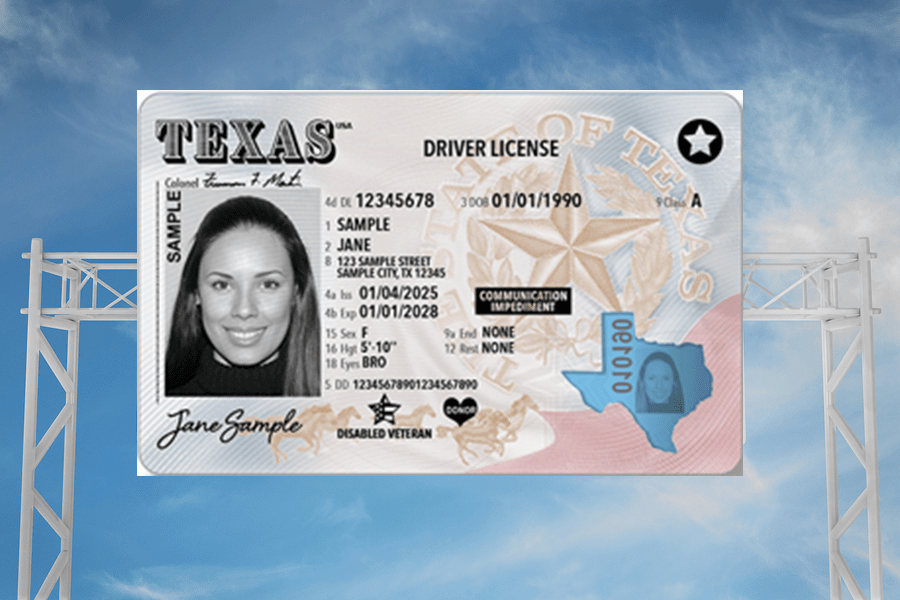
Keeping Your License Valid: Maintaining Your Freedom
Maintaining a valid Texas Class C license is just as important as obtaining it. A valid license ensures uninterrupted travel and prevents legal complications that could impact your lifestyle and mobility.
- Renewal Process: Texas driver’s licenses typically need to be renewed every six years. You’ll receive a renewal notice from the DPS before your license expires. Renewals can often be completed online, by mail, or in person at a DPS office, usually requiring updated information, a vision test, and payment of a fee. For those who travel frequently, online renewal options offer significant convenience.
- Defensive Driving and Driver Safety: Even experienced drivers benefit from occasional defensive driving courses. These courses can refresh your knowledge of traffic laws, introduce new safety techniques, and in some cases, even help with ticket dismissal or insurance premium reductions. Maintaining a clean driving record is vital for a stress-free travel lifestyle.
- Consequences of Violations: Traffic violations, such as speeding, reckless driving, or driving under the influence (DUI), can lead to fines, points on your license, license suspension, or even revocation. These consequences can severely restrict your ability to travel and impact your daily lifestyle. It is crucial to adhere to all traffic laws to maintain your driving privileges and ensure personal safety, and that of others, on Texas roads.
In conclusion, the Class C driver’s license in Texas is far more than a simple formality; it is a fundamental element for anyone looking to truly experience the depth and breadth of the Lone Star State. From daily commutes to epic road trips exploring its diverse attractions, this license grants you the freedom, independence, and flexibility essential for a vibrant travel and lifestyle experience. By understanding its requirements, diligently following the application process, and upholding safe driving practices, you unlock boundless opportunities to explore Texas, create unforgettable memories, and fully immerse yourself in its unique culture and hospitality. Armed with your Class C, the open roads of Texas await your adventure.
LifeOutOfTheBox is a participant in the Amazon Services LLC Associates Program, an affiliate advertising program designed to provide a means for sites to earn advertising fees by advertising and linking to Amazon.com. Amazon, the Amazon logo, AmazonSupply, and the AmazonSupply logo are trademarks of Amazon.com, Inc. or its affiliates. As an Amazon Associate we earn affiliate commissions from qualifying purchases.