
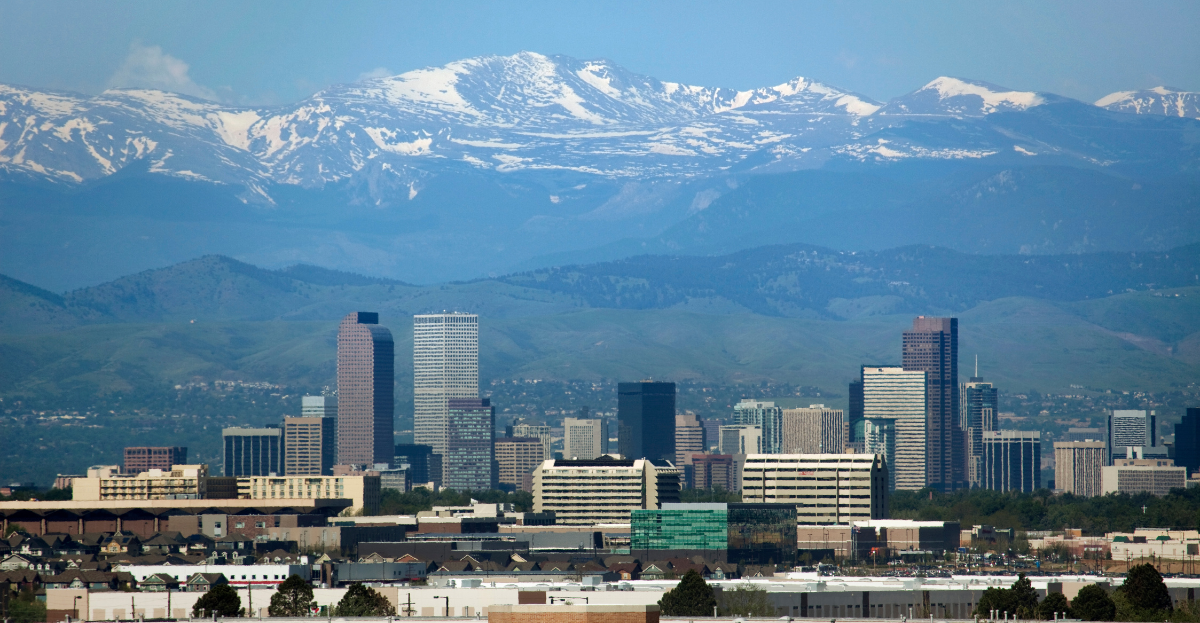
Nestled against the dramatic backdrop of the Rocky Mountains, Denver, the capital of Colorado, holds a unique distinction that captivates travelers and residents alike: its significant elevation. Often famously referred to as the “Mile High City,” Denver’s official elevation stands at exactly one mile, or 5,280 feet (1,609 meters) above sea level, at a specific point on the steps of the State Capitol building. However, the city itself isn’t uniformly at this precise mark; its elevation actually ranges from about 5,130 feet to 5,690 feet across different neighborhoods, with downtown generally hovering around the iconic mile-high benchmark. This substantial altitude isn’t just a quirky fact for postcards; it profoundly shapes everything from the local climate and outdoor activities to the experience of visitors, making understanding Denver’s elevation a crucial aspect of planning any trip to this vibrant United States destination.
For anyone considering a journey to Denver, whether for its bustling tourism scene, world-class landmarks, or unparalleled outdoor lifestyle opportunities, acknowledging the altitude is the first step towards a comfortable and memorable travel experience. This article delves into the specifics of Denver’s elevation, its implications for health and activities, and essential tips for navigating your Mile High City adventure, ensuring your focus remains on enjoying the breathtaking scenery and rich culture rather than adjusting to the thin air.
Understanding Denver’s Unique Elevation
The moniker “Mile High City” isn’t merely a catchy slogan; it’s a geographical reality that defines Denver’s identity. This unique positioning provides a constant source of fascination and, at times, a challenge for those unaccustomed to such heights.
Defining the Mile-High City’s Altitude
While the famous step on the Colorado State Capitol Building precisely marks 5,280 feet above sea level, it’s important to remember that Denver is a sprawling metropolis. Its elevation varies, with the western parts of the city, closer to the foothills of the Rocky Mountains, generally sitting higher than the eastern plains. For instance, Denver International Airport (DIA) is actually located at a slightly higher elevation, around 5,431 feet (1,655 meters), meaning visitors begin their altitude adjustment even before reaching the downtown core.
This elevation is considered high altitude, typically defined as anything above 5,000 feet. At this height, the air pressure is lower, and there are fewer oxygen molecules per breath. While the percentage of oxygen in the air remains the same (about 21%), the reduced pressure means your body takes in less oxygen with each breath compared to sea level. This physiological difference is the root cause of what many visitors experience when they first arrive.
Denver’s location on the western edge of the Great Plains, where they meet the Rocky Mountains to the west, contributes to its dynamic weather patterns and stunning vistas. The city serves as a gateway to some of the most spectacular natural beauty in the United States, from towering peaks to vast wilderness areas, many of which are at even higher elevations. Understanding Denver’s baseline altitude is crucial for preparing for excursions into these truly high-altitude environments.
The Impact of High Altitude on Visitors
For many, arriving in Denver might be their first encounter with significant altitude. The effects can range from subtle to quite noticeable, and being prepared is key to a comfortable visit.
Common Altitude Sickness Symptoms
Altitude sickness, also known as Acute Mountain Sickness (AMS), occurs when your body doesn’t have enough time to adapt to lower air pressure and reduced oxygen levels. Symptoms can appear within a few hours of arrival and typically include headaches, nausea, dizziness, fatigue, shortness of breath, and difficulty sleeping. While most cases in Denver are mild, symptoms can sometimes be more severe, especially if visitors exert themselves too much too soon or have underlying health conditions. It’s important to listen to your body and recognize these signs.
Children and the elderly can be more susceptible, as can individuals with certain pre-existing conditions like heart or lung issues. However, even healthy, fit individuals can experience symptoms. The key is that it’s largely unpredictable who will be affected and to what degree, making universal preventative measures important for all visitors.
Acclimatization Strategies
The best way to combat altitude sickness is through gradual acclimatization. For a city like Denver, this means taking it easy for the first 24-48 hours. Avoid strenuous physical activity immediately after arrival. Instead, focus on light sightseeing and allow your body to adjust to the new environment. Many visitors arrive excited to hit the trails or slopes, but patience in the initial days will pay dividends later in the trip.
Hydration is paramount. The dry climate and increased respiration at altitude can lead to rapid dehydration. Drinking plenty of water, even more than you think you need, is crucial. Avoid or limit alcohol and caffeine consumption during your first few days, as these can exacerbate dehydration and interfere with acclimatization. Eating light, easily digestible meals can also help, as your digestive system might also be working harder.
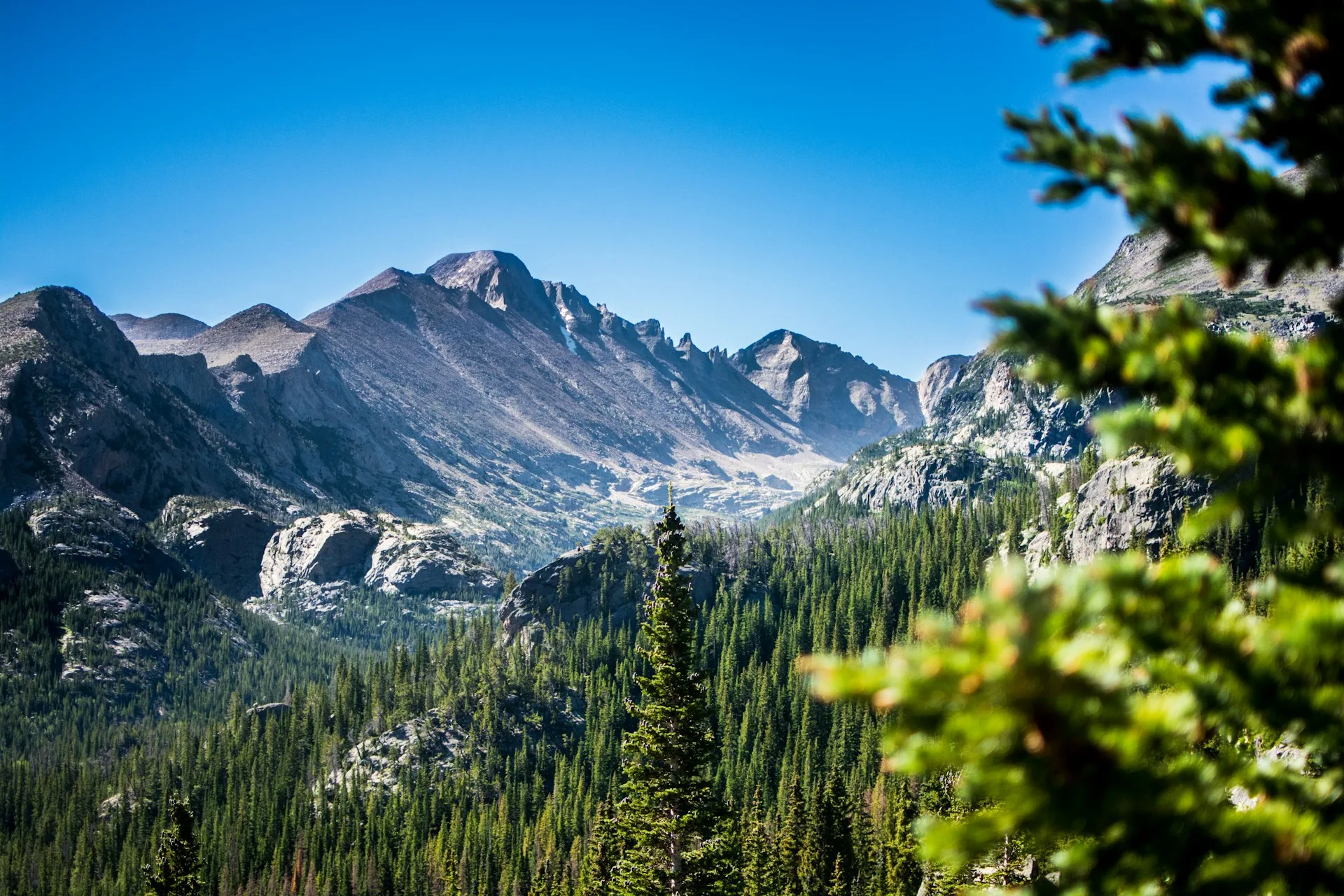
If you plan to venture to even higher elevations, such as popular ski resorts like Aspen, Vail, Breckenridge, Keystone, or Copper Mountain, or national parks like Rocky Mountain National Park, it’s advisable to spend a night or two in Denver first. This allows your body a crucial head start in adjusting before ascending further.
Navigating Denver’s Altitude: Essential Tips for Travelers
Making the most of your Denver trip means proactively managing the altitude. These practical tips, rooted in travel and lifestyle best practices, will help ensure a smooth and enjoyable experience.
Hydration and Diet Tips
As mentioned, staying hydrated is the number one rule in Denver. Carry a reusable water bottle and refill it frequently. Many hotels and public places offer filtered water stations. Electrolyte-rich drinks can also be beneficial, especially if you plan any physical activity.
Regarding diet, opt for carbohydrates and avoid excessively heavy or fatty foods initially. Your body may have a slightly increased need for calories at altitude, but a balanced diet focusing on fresh fruits, vegetables, and whole grains will be easier on your system. Remember that alcohol can hit harder and faster at altitude, so consume it sparingly, especially during your first few days. Even a single drink can feel like two at sea level.
Physical Activity and Rest
While Denver is a paradise for outdoor enthusiasts, it’s wise to ease into physical activity. If you typically run 5 miles a day, cut it back to 2 or 3 for the first few days, or switch to a walk. Pay attention to how your body feels; if you’re experiencing shortness of breath or unusual fatigue, rest. Adequate sleep is also crucial for acclimatization. Ensure your chosen accommodation provides a comfortable environment for rest, allowing your body to recover and adjust. Many hotels in Denver are well-equipped to cater to travelers, offering amenities that can enhance your comfort.
For those planning to participate in popular Denver activities like hiking at Red Rocks Park and Amphitheatre or exploring the vast Cherry Creek State Park, factor in more time for breaks and less intensity than you might at lower elevations. Even a casual stroll through LoDo (Lower Downtown) or the RiNo Art District can feel more taxing than expected.
Exploring Denver and Beyond: Activities at High Elevation
Denver’s altitude is not just a challenge; it’s an integral part of its charm, offering access to unparalleled natural beauty and a vibrant urban landscape.
Outdoor Adventures and Sports
The Rocky Mountains are Denver’s playground. From world-class skiing and snowboarding at nearby resorts like Winter Park Resort to summer hiking, mountain biking, and rock climbing, the opportunities for outdoor adventure are limitless. Visitors eager to experience Colorado’s famous slopes must be mindful that ski resorts are often at much higher elevations (e.g., Breckenridge base is around 9,600 feet, and summits easily exceed 12,000 feet). Acclimatizing in Denver first becomes even more critical for these higher-altitude pursuits.
Even within the city, sports enthusiasts will find much to love. Denver is famous for its professional sports teams, with Empower Field at Mile High (home of the Broncos) and Coors Field (home of the Rockies) providing thrilling experiences. The altitude even affects sports; baseballs fly further at Coors Field, leading to more home runs, a unique aspect of the Denver fan experience.
For those seeking less strenuous outdoor activities, Denver Botanic Gardens offers a beautiful and serene escape, showcasing diverse plant collections adapted to various climates, including alpine environments. Local parks like City Park provide green spaces for leisurely walks with stunning views of the city skyline and the mountains beyond.
Iconic Landmarks and Attractions
Beyond its natural setting, Denver boasts a rich array of cultural and historical landmarks and attractions. A visit to Union Station in LoDo offers a glimpse into historic Denver while serving as a modern transportation hub and a vibrant social gathering place with diverse dining options and boutique accommodation like The Crawford Hotel. The Denver Art Museum, with its striking architecture, houses an impressive collection, including significant Western American art.
The dynamic neighborhoods of Denver, such as the RiNo Art District with its colorful murals and galleries, or the upscale shops and eateries in Cherry Creek, offer varied experiences. Exploring these areas on foot is a great way to soak in the local atmosphere, just remember to pace yourself and stay hydrated.
Venturing slightly further afield, day trips can take you to other iconic Colorado destinations. Boulder, known for its outdoor lifestyle and vibrant Pearl Street Mall, is a short drive away. Colorado Springs, home to the stunning Garden of the Gods and the majestic Pikes Peak (which can be ascended by cog railway or car), offers a different perspective of the Front Range. Even further, but within reach for a longer excursion, are wonders like Great Sand Dunes National Park and Preserve and Mesa Verde National Park. Each of these destinations also presents its own altitude considerations, reinforcing the importance of being well-prepared.
Making the Most of Your Mile-High Experience
A successful trip to Denver involves more than just knowing its altitude; it’s about embracing the unique lifestyle and preparing for all aspects of your travel.
Choosing the Right Accommodation
Selecting the appropriate accommodation can significantly impact your comfort. Denver offers a wide range of options, from luxury resorts and boutique hotels in downtown LoDo to charming apartments and villas in quieter neighborhoods like Cherry Creek or near the Denver Botanic Gardens. When booking, consider properties that offer humidifiers in rooms, as the dry air can exacerbate altitude symptoms. Many modern hotels, recognizing the unique needs of visitors, often provide complimentary water bottles in rooms or readily available hydration stations. Look for reviews that mention comfortable sleeping environments, as sleep can sometimes be disrupted by altitude. Comparing different accommodation options based on proximity to attractions, access to public transportation, and specific amenities can enhance your overall tourism experience.
Embracing the Local Lifestyle
Denver residents are generally active and health-conscious, accustomed to the altitude. They embrace the outdoor lifestyle year-round. Don’t be surprised to see people hiking, biking, or running even in cooler weather. Integrating into this active culture, even if at a reduced pace, can be a rewarding part of your trip. Enjoy the city’s vibrant culinary scene, which ranges from farm-to-table restaurants to craft breweries. Many establishments focus on fresh, local ingredients, aligning well with the lighter diet recommended for altitude adjustment.
Take advantage of Denver’s abundant sunshine – the city averages over 300 days of sun per year – but remember that the sun’s rays are more intense at higher elevations. Wear sunscreen, sunglasses, and a hat, even on cloudy days. Layering clothing is also a smart strategy, as temperatures can fluctuate significantly between day and night, especially in the mountains. By respecting the altitude and adopting a mindful approach to your activities, you’ll unlock the full potential of your Denver adventure, allowing you to create lasting memories in this extraordinary Mile High City.
In conclusion, Denver’s altitude is a defining characteristic that shapes the city’s environment and the visitor experience. While it requires a degree of preparation and mindful adjustment, it is also the very feature that grants access to the breathtaking beauty of the Rocky Mountains and cultivates a unique, active lifestyle. By understanding the potential impacts and following simple acclimatization strategies, travelers can confidently explore all that the Mile High City and its surrounding Colorado wonders have to offer, ensuring a truly unforgettable travel experience.
LifeOutOfTheBox is a participant in the Amazon Services LLC Associates Program, an affiliate advertising program designed to provide a means for sites to earn advertising fees by advertising and linking to Amazon.com. Amazon, the Amazon logo, AmazonSupply, and the AmazonSupply logo are trademarks of Amazon.com, Inc. or its affiliates. As an Amazon Associate we earn affiliate commissions from qualifying purchases.