
Understanding the demographic makeup of a city is fundamental to grasping its identity, its challenges, and its potential. The question of “What is Detroit’s population?” delves into the heart of this dynamic metropolis, revealing a story of significant transformation and enduring resilience. As the motor city, Detroit has long been a bellwether for American industrial might and urban evolution. Its population figures are not merely numbers; they represent the ebb and flow of economic cycles, the shifts in cultural landscapes, and the ongoing efforts to revitalize and reimagine a city with a storied past.
For decades, Detroit experienced a dramatic population decline, mirroring the challenges faced by many post-industrial cities in the latter half of the 20th century. However, recent trends suggest a changing narrative. The city’s population is not just a static figure but a fluid entity that reflects its evolving appeal to new residents and the return of former inhabitants. Exploring these figures offers a compelling insight into the contemporary urban experience in America and the unique trajectory of this iconic Michigan city.

Historical Population Trends: A Tale of Two Eras
To truly understand the current population of Detroit, it is essential to contextualize it within its historical trajectory. The city’s demographic story is characterized by a period of immense growth followed by a significant contraction, and now, a nascent phase of stabilization and potential regrowth.
The Apex of Industrial Growth and its Aftermath
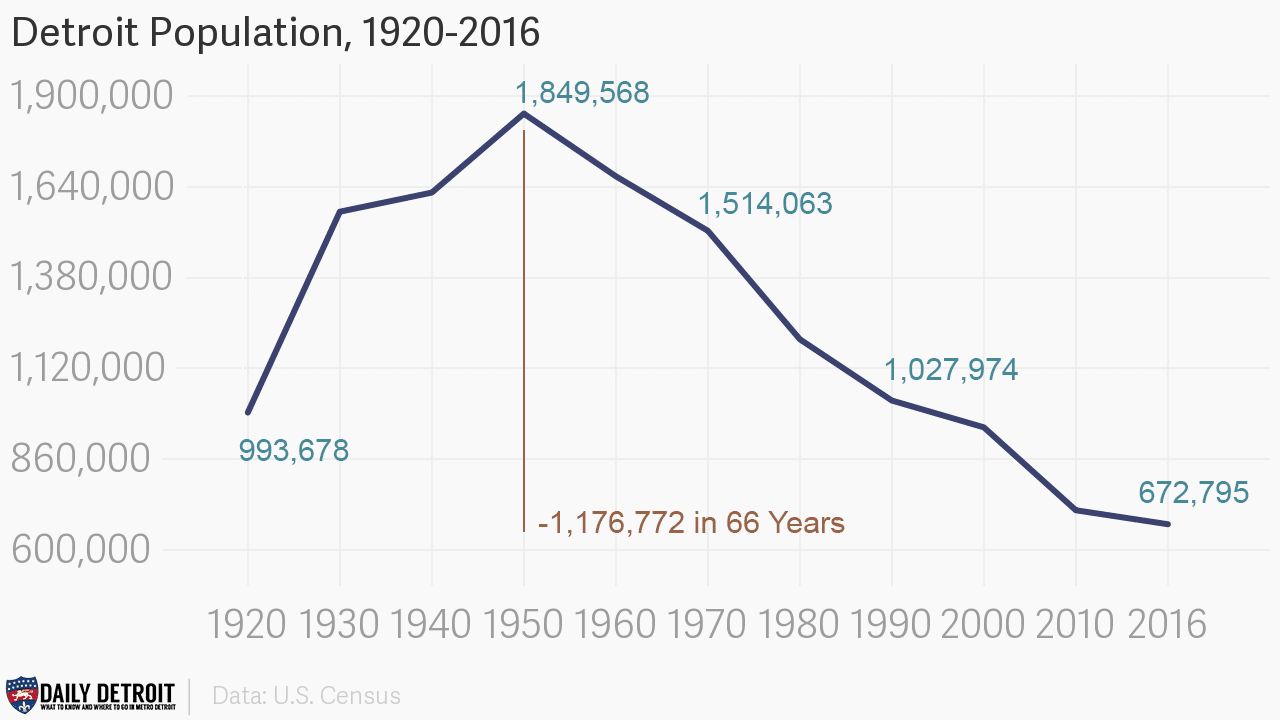
Detroit was once the undisputed capital of the automotive industry, a magnet for workers and their families from across the globe. This industrial boom propelled the city to a peak population of over 1.8 million residents in the 1950s. The promise of well-paying factory jobs attracted a diverse workforce, shaping Detroit into a bustling hub of innovation and opportunity. This era saw the construction of iconic landmarks and the development of vibrant neighborhoods that still bear the imprint of this prosperous period.
However, the mid-to-late 20th century brought significant economic shifts. The decline of the American automotive industry, coupled with factors such as suburbanization and racial tensions, led to a steady exodus of residents. This period of deindustrialization and population loss was stark and prolonged, impacting the city’s tax base, infrastructure, and social fabric. By the early 21st century, Detroit had lost a substantial portion of its peak population, facing the profound challenges of urban decay and economic disinvestment.
The Turnaround: Stabilization and Emerging Growth
The narrative of Detroit’s population has begun to shift in more recent years. While the city has not yet returned to its mid-century heights, recent census data and estimates indicate a halt to the long-term decline and, in some areas, a modest increase. This turnaround is attributed to a confluence of factors, including a renewed interest in urban living, significant investments in downtown revitalization, and the emergence of new economic drivers beyond traditional manufacturing.
The appeal of Detroit for younger generations, attracted by its affordability, creative spirit, and emerging tech and startup scenes, has played a crucial role. The city’s unique character, rich cultural heritage, and accessible urban environment are increasingly drawing in new residents, including professionals, artists, and entrepreneurs. This demographic shift is vital for the city’s future, bringing new energy and perspectives to its ongoing development.
Current Population Figures: A Snapshot of Modern Detroit
As of the most recent available data, Detroit’s population stands as a testament to its resilience and evolving identity. These figures provide a crucial baseline for understanding the city’s present and future development strategies.
The 2020 Census and Beyond
The United States Census Bureau’s 2020 data provided a significant update on Detroit’s population. The official count revealed a population of approximately 639,111 residents. While this figure represents a decrease from the 2010 census, it also signals a slowing of the decline seen in previous decades. More importantly, this number serves as a critical benchmark for federal and state funding, resource allocation, and urban planning initiatives.

Following the 2020 census, various estimates and projections offer a more dynamic view of the city’s demographic movement. Some analyses suggest that Detroit may be experiencing a slight increase in population in the years immediately following the census, particularly in its core downtown and surrounding neighborhoods. This is often driven by continued redevelopment efforts and the attractiveness of urban centers for a new generation of city dwellers. The city’s ability to attract and retain residents is a key indicator of its economic health and quality of life.
Demographic Composition and its Implications
Beyond the raw numbers, the demographic composition of Detroit is a crucial aspect of its population story. The city remains a predominantly African American city, a reflection of its historical development and the significant migration patterns of the 20th century. The African American population constitutes a substantial majority, shaping the city’s cultural landscape, its political discourse, and its community initiatives.
In recent years, there has been a notable increase in the white population, particularly in gentrifying neighborhoods and newly developed urban areas. This demographic shift, while contributing to population stabilization and economic revitalization, also presents ongoing challenges related to equity, inclusion, and the preservation of Detroit’s distinct cultural heritage. Understanding the interplay of these demographic groups is essential for fostering a cohesive and thriving urban environment. The city’s youth population is also a critical factor, as their engagement and opportunities will define Detroit’s future trajectory.
Factors Influencing Detroit’s Population Dynamics
Several interconnected factors are currently shaping Detroit’s population dynamics, from economic revival to urban planning initiatives. Understanding these drivers is key to appreciating the city’s ongoing transformation.
Economic Revitalization and Job Creation
The economic resurgence of Detroit has been a primary catalyst for its population stabilization and growth. The decline of traditional manufacturing led to significant job losses, but the city has been actively diversifying its economy. New sectors, including technology, healthcare, finance, and the creative industries, are creating a broader range of employment opportunities. Major investments in downtown Detroit have led to the renovation of historic buildings and the construction of new commercial and residential spaces, attracting businesses and their employees.
The presence of established companies like General Motors and Ford, alongside a growing number of startups and innovative enterprises, provides a more robust and varied job market. This economic dynamism makes Detroit an increasingly attractive place for individuals seeking career advancement and economic stability. The city’s efforts to foster entrepreneurship and support small businesses also contribute to job creation and, consequently, population retention and attraction.
Urban Redevelopment and Quality of Life Improvements
Significant investments in urban redevelopment have dramatically altered the landscape and livability of Detroit. Initiatives focused on revitalizing downtown, midtown, and surrounding neighborhoods have led to improved infrastructure, enhanced public spaces, and a greater availability of housing options. The restoration of historic buildings, the creation of new parks and green spaces like the Detroit RiverWalk, and the expansion of public transportation networks all contribute to a higher quality of life for residents.
The emergence of vibrant cultural districts, a burgeoning culinary scene, and a rich array of arts and entertainment venues further enhance Detroit’s appeal. These improvements not only attract new residents but also encourage existing residents to remain in the city, fostering a sense of renewed pride and community investment. The ongoing efforts to improve Detroit’s schools and public services are also critical for long-term population growth and stability.
Challenges and Future Outlook
Despite the positive trends, Detroit continues to face challenges that influence its population dynamics. Issues such as poverty, educational disparities, and crime rates, while improving in some areas, still require sustained attention and strategic intervention. The equitable distribution of resources and opportunities across all neighborhoods remains a critical focus for policymakers and community leaders.
The future population of Detroit will likely be shaped by the city’s ability to continue its economic diversification, foster inclusive growth, and address lingering social and economic inequalities. Continued investment in education, affordable housing, and community development will be paramount. The city’s unique heritage and its capacity for reinvention suggest a promising, albeit complex, demographic future. The ongoing efforts to attract a diverse range of residents and ensure that all citizens benefit from the city’s resurgence will be key to its long-term success.