
The world of travel and accommodation offers a dazzling array of options, each designed to cater to different needs, budgets, and travel styles. Among the most common distinctions travelers encounter are the choices between a motel and a hotel. While both provide a place to rest your head, their origins, design, amenities, and overall guest experience can be remarkably different. Understanding these nuances is crucial for making informed booking decisions, ensuring your travel plans align perfectly with your expectations. This article will delve into the core differences between motels and hotels, exploring their historical evolution, architectural styles, typical guest profiles, and the services they offer, all within the broader context of travel and accommodation.

The Genesis and Evolution of Motels and Hotels
The distinction between motels and hotels is deeply rooted in their history and the evolving landscape of travel. Understanding their origins helps to illuminate their fundamental differences.
The Rise of the Hotel: A Legacy of Hospitality
Hotels, in their more contemporary form, emerged alongside the development of the railway systems and the burgeoning tourism industry of the 19th century. As travel became more accessible, particularly for leisure and business, the need for comfortable and well-equipped lodging grew. Early hotels were often grand establishments, designed to impress and cater to a clientele seeking luxury and convenience. They were typically located in city centers or at prominent railway stations, serving as hubs for travelers arriving by train.
These establishments focused on providing a comprehensive hospitality experience. This included multiple guest rooms, often arranged around a central courtyard or along corridors, with a strong emphasis on internal amenities. Dining rooms, lounges, ballrooms, and sometimes even shops were integrated into the hotel’s design, creating a self-contained environment for guests. The service aspect was also paramount, with dedicated staff attending to every need, from porters to concierges. As travel evolved, so too did hotels, branching into various sub-categories like boutique hotels, luxury resorts, and business hotels, each offering a specialized experience. The concept of the hotel has always been about providing a complete lodging solution, often emphasizing an immersive experience within the property itself.
The Birth of the Motel: A Road Warrior’s Haven
The motel, on the other hand, is a distinctly 20th-century invention, born out of the American love affair with the automobile and the expansion of the highway system. The term “motel” itself is a portmanteau of “motor” and “hotel,” directly reflecting its purpose: accommodation for motorists. The first true motels began appearing in the United States in the 1920s and 1930s, coinciding with the rise of long-distance car travel.
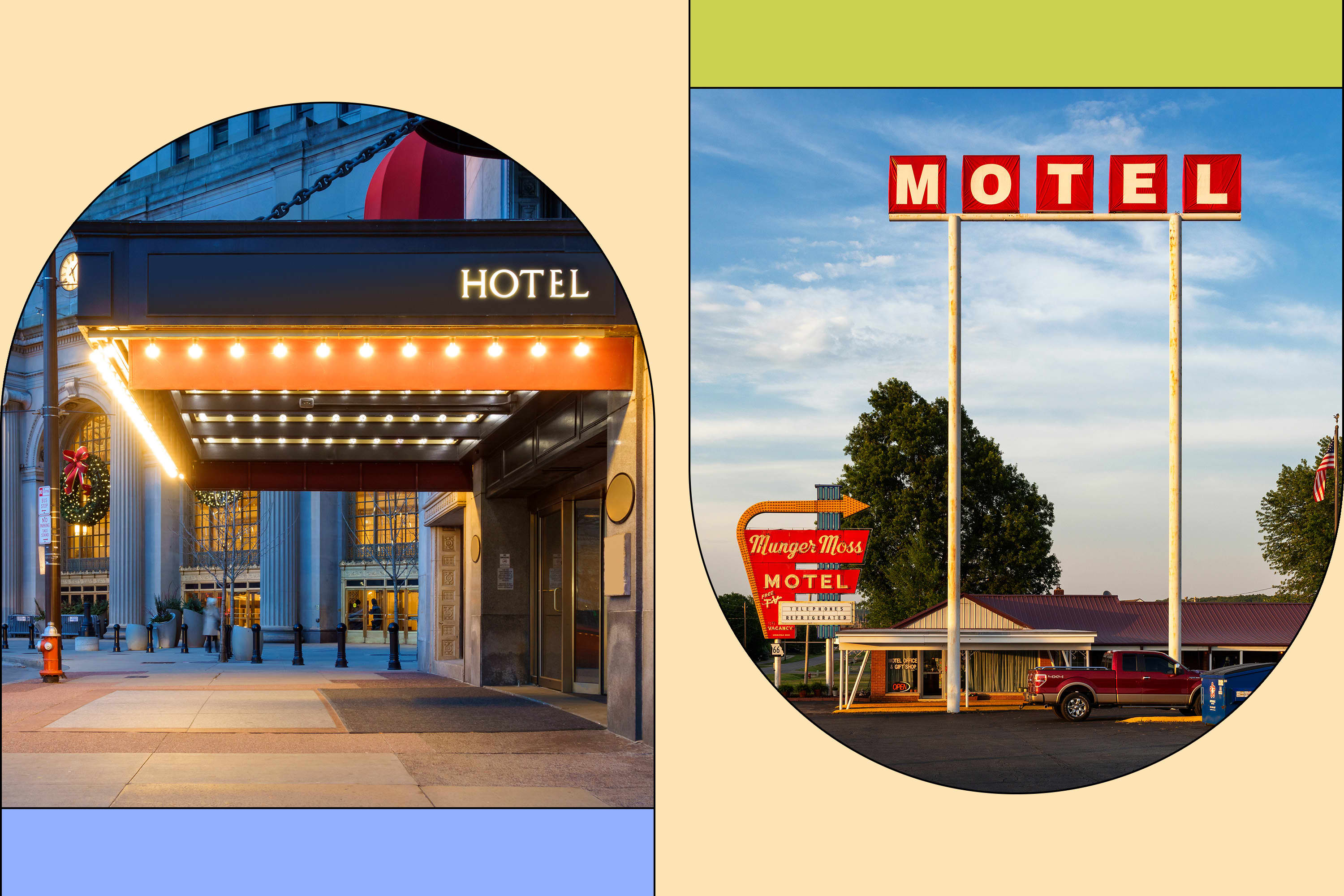
These early motels were revolutionary because they were designed with the car in mind. Unlike traditional hotels, which were often situated in urban centers and required guests to park their vehicles elsewhere, motels offered direct access to rooms from parking areas. This meant travelers could literally park their car right outside their door, making the process of checking in and out incredibly convenient for those on the road. The architecture was typically low-rise, often featuring a U-shaped or L-shaped layout, with rooms opening directly onto exterior walkways or parking lots. This design prioritized easy vehicle access and quick departures, catering to the needs of travelers who were simply looking for a comfortable and affordable place to sleep before continuing their journey. The focus was on practicality and convenience for the mobile traveler.
Architectural Design and Location: Key Distinguishing Features
The most immediate visual differences between a motel and a hotel often lie in their architectural design and their strategic placement. These aspects are not arbitrary but rather a direct result of their intended purpose and target audience.
Motel Architecture: Convenience and Accessibility
Motels are characterized by their functional and accessible design. They are typically low-rise buildings, often comprising one or two stories. The defining architectural feature is the direct access to guest rooms from the exterior. This means you can often step out of your car and walk a few feet to your room’s entrance, which is usually located on the ground floor or accessible via an external staircase from an upper floor.
The rooms themselves are often arranged in a linear fashion, facing a central parking area. This layout allows for excellent visibility of vehicles and makes it easy for guests to load and unload their luggage. Many motels feature an open-air corridor system, where all rooms open onto a shared walkway that leads back to a central reception area. This design emphasizes practicality and speed of access. Amenities within the room are typically straightforward, focusing on essential comforts for a short stay. While some modern motels have updated their designs, the core principle of car-centric convenience remains. You’ll commonly find motels situated along major highways, bypasses, and the outskirts of towns, directly serving the needs of travelers on the move. They are designed for easy in-and-out access, making them ideal for road trips.
Hotel Architecture: Variety and Immersion
Hotels, on the other hand, exhibit a much wider range of architectural styles and scales. They can be anything from historic, grand buildings in the heart of a city to modern high-rises or sprawling resorts. The defining characteristic of most hotels is that guest rooms are typically accessed from internal corridors. This design choice contributes to a sense of security and often allows for greater soundproofing between rooms.
The architecture of a hotel often reflects its brand, target market, and the destination it’s located in. A luxury hotel might boast elaborate lobbies, intricate detailing, and expansive common areas, while a budget hotel might prioritize efficiency and simplicity. Hotels are frequently found in city centers, tourist hubs, business districts, and popular vacation destinations. Their locations are chosen to offer convenient access to attractions, businesses, or the specific experience the hotel aims to provide. Beyond just accommodation, hotels often aim to create an immersive experience for their guests, offering a variety of on-site amenities and services that encourage guests to spend time within the property. This can include restaurants, bars, swimming pools, fitness centers, spas, and meeting rooms.
Guest Experience and Amenities: Catering to Different Needs
The difference between a motel and a hotel extends beyond their physical structure; it significantly impacts the guest experience and the range of amenities offered.

Motel Experience: Practicality and Budget-Friendliness
The motel experience is primarily geared towards practicality and affordability. Guests who choose motels are often on a road trip, seeking a clean, safe, and comfortable place to rest for a night or two before continuing their journey. The focus is on efficient check-in and check-out processes, and the amenities provided are typically those essential for a short stay.
Common amenities in a motel include a bed, a private bathroom, air conditioning or heating, and a television. Many motels also offer complimentary Wi-Fi and a continental breakfast. Some may have a small swimming pool or vending machines. The emphasis is on providing the basic necessities without the frills. Service is usually limited to front desk operations, with less emphasis on personalized guest services like room service or concierge assistance. This streamlined approach helps to keep costs down, making motels a popular choice for budget-conscious travelers, families on road trips, and those prioritizing convenience over extensive on-site facilities. The experience is functional and straightforward, designed to get travelers back on the road refreshed.
Hotel Experience: Comfort, Services, and Extended Stays
Hotels aim to offer a more comprehensive and often more comfortable lodging experience, catering to a wider range of traveler needs, from short business trips to extended vacations. Hotels generally provide a higher level of service and a broader array of amenities compared to motels.
Guest rooms in hotels are typically accessed via interior hallways, offering increased privacy and sound insulation. Standard room amenities often include en-suite bathrooms, comfortable bedding, televisions with a wider selection of channels, in-room telephones, and often a desk or workspace. Many hotels go further by offering in-room safes, mini-fridges, coffee makers, and premium toiletries.
Beyond the room, hotels distinguish themselves with their on-site facilities. These can include:
- Restaurants and Bars: Offering diverse dining options, from casual to fine dining.
- Swimming Pools and Fitness Centers: Providing recreational and wellness opportunities.
- Business Centers: Catering to the needs of business travelers with services like printing and faxing.
- Meeting and Event Spaces: Suitable for conferences, weddings, and other gatherings.
- Concierge Services: Assisting guests with booking tours, making restaurant reservations, and providing local information.
- Room Service: Delivering food and beverages directly to the guest’s room.
- Laundry and Dry Cleaning Services: For longer stays.
- Spas and Salons: Offering relaxation and beauty treatments.
Hotels cater to various types of travelers, including business professionals seeking a productive environment, families looking for entertainment and convenience, and luxury travelers desiring premium experiences and personalized service. The overall hotel experience is designed to be more immersive, offering guests opportunities to relax, work, dine, and be entertained all within the hotel premises.
Choosing the Right Accommodation: Motel vs. Hotel for Your Trip
Deciding whether to book a motel or a hotel ultimately depends on your specific travel circumstances, priorities, and budget. Both offer valuable lodging solutions, but they cater to distinct needs.
When to Opt for a Motel: Road Trips and Budget Travel
Motels are often the superior choice for travelers who prioritize convenience and cost-effectiveness, especially during long road trips. If your primary goal is to find a clean and safe place to sleep for the night and then continue your journey the next morning, a motel’s direct parking access and no-frills approach can be incredibly appealing. They are ideal for:
- Cross-country road trips: Where you might be driving long hours and need frequent, accessible stops.
- Budget travel: When every dollar counts and you’re looking for the most economical lodging option.
- Quick overnight stays: If you simply need a place to crash between destinations.
- Travelers with vehicles: The ease of parking right outside your room is a significant advantage.
Think of brands like Motel 6 or Super 8 as classic examples that embody this practical, accessible lodging style. They offer a reliable solution without the added costs or complexities of full-service hotels.
When to Choose a Hotel: Exploring Cities and Seeking Amenities
Hotels shine when you’re looking for a more immersive travel experience, seeking comfort, convenience, and access to a broader range of services. If your trip involves exploring a new city, attending business meetings, or enjoying a relaxing vacation where you plan to spend more time at your accommodation, a hotel is likely the better fit. Hotels are excellent for:
- City breaks and urban exploration: Hotels are often located in the heart of cities, close to attractions, museums, and entertainment venues.
- Business travel: With amenities like business centers, meeting rooms, and reliable Wi-Fi, hotels are designed to support productivity.
- Family vacations: Many hotels offer family-friendly amenities, swimming pools, and activities that cater to children.
- Luxury and comfort seekers: Those looking for premium services, fine dining, spas, and a higher standard of accommodation.
- Longer stays: The broader range of amenities and services can make a hotel stay more comfortable and convenient for extended periods.
Whether you’re looking for a boutique experience in a historic district, a sprawling resort with all-inclusive packages, or a reliable chain hotel for a business trip, hotels offer a diverse spectrum of choices. Consider brands like Marriott, Hilton, or independent boutique hotels when seeking these types of experiences.
In conclusion, while both motels and hotels serve the fundamental purpose of providing lodging, they are distinct in their design, ethos, and the experiences they offer. Understanding these differences empowers travelers to make the best choice for their next adventure, ensuring their accommodation perfectly complements their journey.