
Embarking on a journey to the Sunshine State, whether for its world-renowned Walt Disney World Resort or its pristine white-sand beaches, often involves meticulous planning. From booking the perfect accommodation to mapping out your must-see Florida landmarks, every detail contributes to a seamless and unforgettable experience. While seemingly a minor detail, understanding the various area codes across Florida can be surprisingly crucial for travelers. It impacts how you communicate with local businesses, connect with tour operators, or even call for assistance during your trip. Beyond the technicality, a quick grasp of these numerical prefixes offers a subtle geographical compass, hinting at which vibrant region of this diverse state you’re dialing into. This comprehensive guide delves into the specifics of Florida’s area codes, then seamlessly transitions into a broader exploration of how communication underpins an enriching travel, tourism, and lifestyle experience across the state’s spectacular destinations and attractions.

Deciphering Florida’s Area Code Landscape
For many, the concept of an “area code” might seem like a relic of landline telephones, yet in the age of mobile communication, it still plays a fundamental role, particularly when dealing with local services or businesses. For visitors to Florida, knowing the correct area code ensures that calls connect correctly and that you can easily reach the people and places essential to your travel itinerary.
The Importance of Area Codes for Travelers
Imagine you’re trying to confirm a reservation at a charming Key West boutique hotel, book a deep-sea fishing charter in Destin, or inquire about showtimes at Universal Orlando Resort. Without the correct area code, your call might not go through, or worse, you could accidentally dial a long-distance number to an entirely different region. In an emergency, every second counts, and knowing the local area code can save precious time. Furthermore, when researching local businesses online, their listed phone numbers often include the area code, providing an immediate clue as to their geographic location within the state. This simple detail is an integral part of effective travel planning and local tourism engagement, ensuring you stay connected throughout your journey.
Key Area Codes and Their Geographic Reach
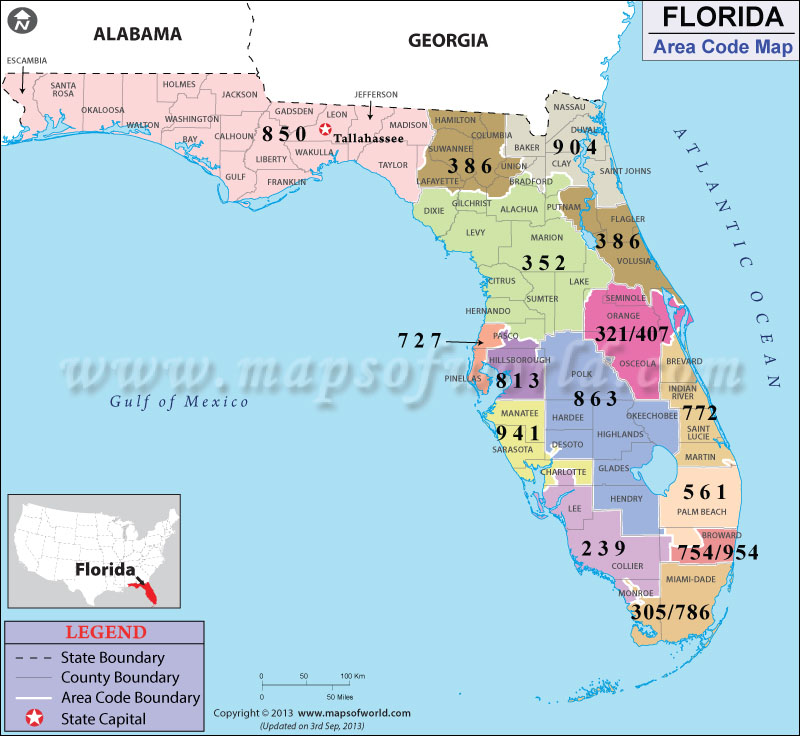
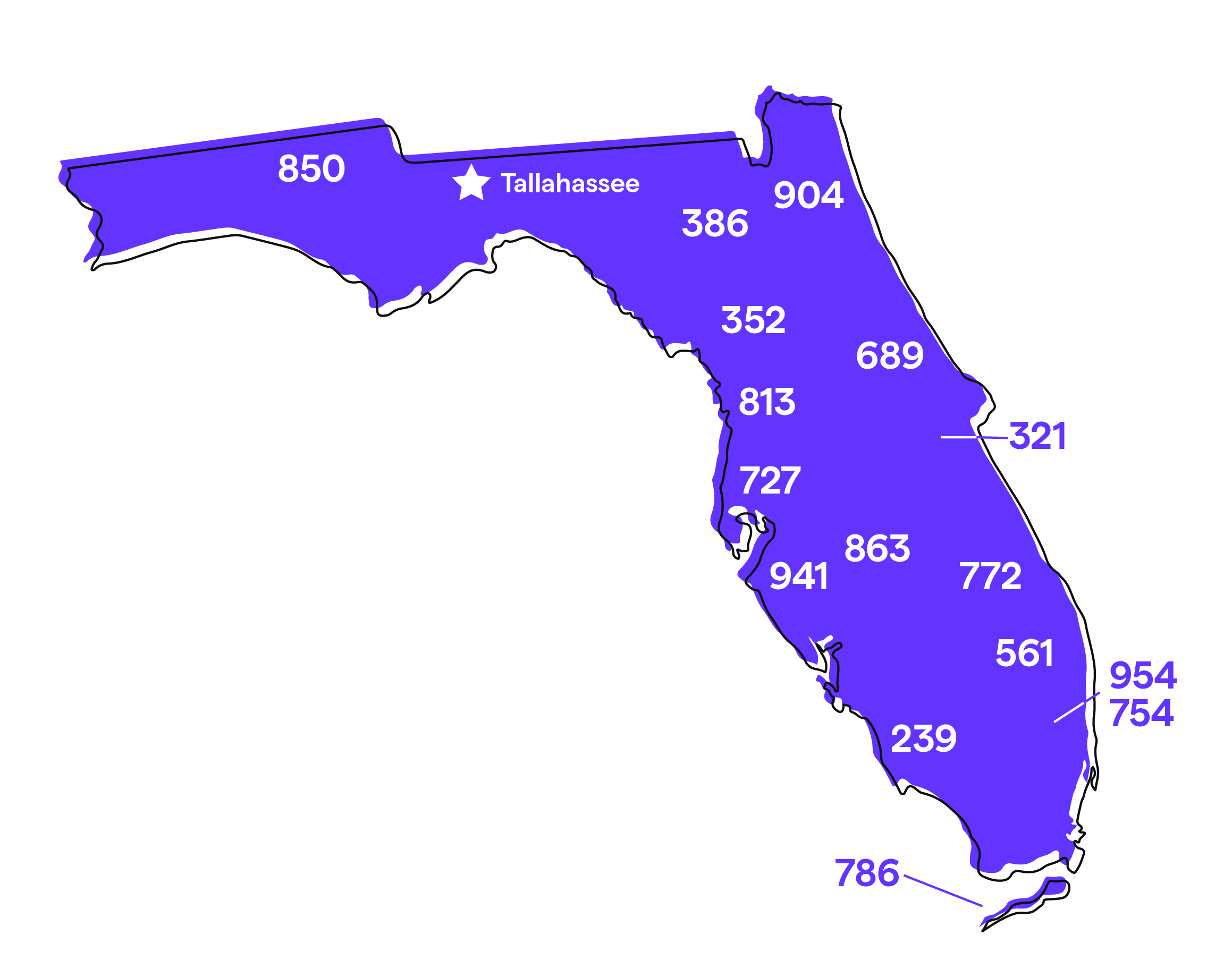
Florida is a vast state, and its population density varies significantly from its bustling metropolitan hubs to its serene coastal towns. Consequently, it boasts a multitude of area codes, often reflecting historical growth patterns and population distribution. Here are some of the most prominent area codes and the regions they serve, offering a quick geographical overview for travelers:
- 239: Primarily covers the southwest Florida region, including cities like Naples, Fort Myers, Cape Coral, Sanibel Island, and Captiva Island. This area is renowned for its stunning Gulf Coast beaches and upscale lifestyle.
- 305/786: These are the iconic codes for Miami-Dade County, covering Miami itself, Miami Beach, and surrounding areas like Coral Gables. This dynamic region is a hub for international travel, vibrant culture, and luxurious accommodation.
- 321/407/689: These codes predominantly serve the Central Florida area, including Orlando and the famous Space Coast (home to Kennedy Space Center). This is the heart of theme park tourism and family-friendly experiences.
- 352: Extends across north-central Florida, covering areas like Gainesville and Ocala. This region offers a mix of natural springs, equestrian culture, and collegiate life.
- 386: Encompasses the northeast coastal and inland areas, notably including Daytona Beach and St. Augustine, Ormond Beach, and Palm Coast. It’s a region rich in history and motorsports.
- 448/850: Primarily serves the Florida Panhandle, covering cities such as Tallahassee, Pensacola, Panama City Beach, and Destin. This area is known for its “Emerald Coast” beaches and military heritage.
- 561/728: These codes cover Palm Beach County, including West Palm Beach, Boca Raton, and Delray Beach. This region is synonymous with luxury travel, high-end shopping, and vibrant nightlife.
- 727: Dedicated to St. Petersburg and Clearwater in the Tampa Bay area, offering access to stunning beaches, art museums like the Salvador Dalí Museum, and the popular St. Pete Pier.
- 754/954: These codes serve Broward County, including Fort Lauderdale, Hollywood, and surrounding communities. Known as the “Venice of America,” it’s a popular cruise ship port and beach destination.
- 772: Covers the Treasure Coast region, including Port St. Lucie, Vero Beach, and Stuart, offering a quieter coastal experience.
- 813/656: These codes belong to Tampa, Lakeland, and the surrounding areas in Hillsborough and Polk counties. This region boasts attractions like Busch Gardens Tampa Bay and a thriving urban scene.
- 863: Encompasses the inland Central Florida region, including Lakeland and Winter Haven.
- 904/324: Primarily covers Jacksonville and its surrounding counties in northeast Florida, including St. Augustine and Amelia Island. This is Florida’s largest city by area.
- 941: Serves the Sarasota-Bradenton area along the Gulf Coast, known for its arts and culture, including the Ringling Museum of Art and beautiful beaches like Siesta Key.
Navigating Overlays and 10-Digit Dialing
Due to the rapid growth of Florida’s population and the explosion of mobile devices, many areas now have “overlay” area codes. This means that two or more area codes serve the same geographic region. For example, Miami uses both 305 and 786, and Orlando uses 407, 321, and 689. To ensure all calls are routed correctly, residents and visitors alike are required to dial all ten digits (area code + seven-digit number) for all local calls. This is a crucial piece of information for any traveler to the United States and Florida, as simply dialing seven digits will almost certainly result in a failed call. It’s a small adjustment, but one that ensures seamless communication during your stay.
Beyond Area Codes: Essential Communication for Your Florida Journey
While understanding area codes is foundational, modern travel demands a broader communication strategy. From booking last-minute tours to sharing your adventures on social media, staying connected is paramount for convenience, safety, and enhancing your overall experience.
Staying Connected: Wi-Fi, SIM Cards, and Roaming
For international travelers, relying solely on cellular roaming can be expensive. Most hotels, resorts, and vacation rentals in Florida offer complimentary Wi-Fi, which is excellent for browsing, emails, and VoIP calls. However, for continuous connectivity on the go, consider purchasing a local prepaid United States SIM card upon arrival. Major carriers like AT&T, T-Mobile, and Verizon offer various plans suitable for short-term visitors, providing reliable coverage across the state. Alternatively, eSIM technology offers a convenient digital solution, allowing you to activate a local data plan without physically swapping SIM cards. Before you depart, check with your home mobile provider about international roaming packages. Often, adding a travel pass can be a cost-effective solution for short trips, ensuring you can make and receive calls, texts, and use data without interruption.
Emergency Services and Local Contacts
The universal emergency number in the United States for police, fire, and medical assistance is 911. This number works nationwide and does not require an area code. However, for non-emergency situations, such as contacting your hotel concierge, a local taxi service, or making dinner reservations, you will need to use the full 10-digit number, including the area code. It’s always a good idea to save important local numbers, like your accommodation’s front desk, tour operators, and any personal contacts, into your phone with the full 10-digit format. This proactive approach ensures that you’re prepared for any scenario, from routine inquiries to unexpected needs.
Exploring the Sunshine State: Regions, Attractions, and Lifestyles
Now that communication essentials are covered, let’s dive into what makes Florida a top-tier global destination. The state offers an unparalleled diversity of travel experiences, catering to every type of lifestyle and budget, from luxury resorts to adventurous eco-tourism.
South Florida: Glamour, Culture, and Coastal Bliss
South Florida is synonymous with vibrant energy, luxury, and cultural fusion. Miami stands as its glittering crown jewel, boasting the iconic sands of South Beach, the colorful architecture of the Art Deco Historic District, and the exclusive boutiques of the Miami Design District. Visitors can immerse themselves in Little Havana’s Cuban rhythms, marvel at the opulent Vizcaya Museum & Gardens, or explore marine life at the Miami Seaquarium. Further north, Fort Lauderdale offers miles of beautiful beaches, an intricate canal system perfect for boating, and the lively Las Olas Boulevard. For those seeking an even more upscale experience, Palm Beach and Boca Raton provide world-class resorts, championship golf courses, and high-end shopping. This region is a playground for those seeking luxury travel, exquisite dining, and a dynamic nightlife, with accommodation options ranging from five-star hotels to stylish apartment rentals. Beyond the glitz, the vast wilderness of Everglades National Park offers unique opportunities for airboat tours and wildlife viewing, a stark contrast to the urban landscape. Nearby, Biscayne National Park protects a treasure trove of marine life and coral reefs, ideal for snorkeling and diving enthusiasts.
Central Florida: The Theme Park Capital of the World
No discussion of Florida tourism is complete without acknowledging Central Florida, home to Orlando and its legendary theme parks. Millions flock here annually to experience the magic of Walt Disney World Resort, which includes Magic Kingdom, Epcot, Hollywood Studios, and Animal Kingdom, alongside multiple water parks and resort hotels. Equally captivating is Universal Orlando Resort, where visitors can immerse themselves in The Wizarding World of Harry Potter and thrilling rides. Beyond the major parks, SeaWorld Orlando offers marine animal encounters and roller coasters, while LEGOLAND Florida Resort caters to younger families. Central Florida is the quintessential family trip destination, with a wide array of accommodation from sprawling resorts with elaborate amenities to budget-friendly hotels and vacation villas.
The Florida Keys: Island Paradise and Underwater Wonders
Stretching southwest from the tip of Florida into the Gulf of Mexico, the Florida Keys offer a distinctly laid-back, tropical lifestyle reminiscent of the Caribbean. Connected by the iconic Overseas Highway, each key has its unique charm. Key Largo is known as the “Diving Capital of the World” due to its incredible coral reefs. Islamorada is a haven for fishing enthusiasts, while Marathon offers family-friendly attractions and beautiful beaches. The journey culminates in Key West, a historic and bohemian town famous for its pastel-hued houses, lively Duval Street nightlife, and stunning sunsets at Mallory Square. Key attractions include the Ernest Hemingway Home and Museum and Fort Zachary Taylor Historic State Park. For the truly adventurous, a ferry or seaplane trip to Dry Tortugas National Park, with its historic Fort Jefferson, is an unforgettable experience. Accommodation in the Keys ranges from quaint guesthouses to luxury resorts, all promising a relaxed, island-style stay.
Florida’s Gulf Coast: Pristine Beaches and Artistic Flair
The Gulf Coast of Florida, from Tampa Bay down to Naples, is renowned for its tranquil, emerald-green waters and sugar-white sand beaches. Clearwater Beach consistently ranks among the top beaches in the United States, offering family-friendly fun and incredible sunsets. Nearby, St. Petersburg boasts a thriving arts scene, epitomized by the Salvador Dalí Museum and the vibrant St. Pete Pier. Further south, Sarasota is a cultural hub, home to the magnificent Ringling Museum of Art and the powder-soft sands of Siesta Key. Anna Maria Island offers a charming, old-Florida vibe with quaint shops and serene beaches. The region also includes Fort Myers Beach and Naples, known for their upscale amenities, exquisite dining, and beautiful botanical gardens like Naples Botanical Garden. Accommodation choices are plentiful, from grand resorts to comfortable vacation rentals, appealing to those seeking relaxation, natural beauty, and a touch of refinement.
The Atlantic Coast & Panhandle: History, Space, and Natural Beauty
The Atlantic Coast of Florida offers a diverse range of experiences. St. Augustine, the nation’s oldest continuously inhabited European-established settlement, transports visitors back in time with its historic streets, the imposing Castillo de San Marcos, and charming colonial architecture. Jacksonville, Florida’s largest city by land area, offers a vibrant urban core, beautiful beaches, and extensive park systems. The Space Coast, centered around Cocoa Beach, is home to the Kennedy Space Center Visitor Complex, where history buffs and aspiring astronauts can witness space shuttle launches and explore fascinating exhibits. Up in the Florida Panhandle, the Emerald Coast beckons with its sparkling green waters and bustling beach towns like Panama City Beach and Destin. These areas are popular for family trips and lively spring breaks. Further west, Pensacola blends history with stunning beaches, including sections of the Gulf Islands National Seashore. Quaint coastal towns like Seaside, Rosemary Beach, and Alys Beach offer a unique, master-planned community experience, perfect for a refined, serene getaway. Tallahassee, the state capital, provides a glimpse into Florida’s political history and offers a more traditional Southern experience.
Crafting Your Ideal Florida Stay: Accommodation and Experiences
The essence of a memorable Florida vacation lies not just in its destinations but also in the quality of your accommodation and the depth of your cultural immersion. The state’s diverse tourism offerings mean there’s a perfect fit for every traveler’s preference and budget.
From Luxury Resorts to Budget-Friendly Stays
Florida’s accommodation landscape is as varied as its scenery. For those pursuing luxury travel, the state offers an abundance of five-star resorts, particularly in Miami, Palm Beach, and Orlando, complete with world-class amenities, private beaches, and concierge services. Boutique hotels in historic districts like St. Augustine or Key West provide unique charm and personalized experiences. For family trips or longer stays, vacation rentals, including apartments, villas, and condos, are widely available, offering more space and often self-catering facilities. Budget travel is also easily achievable with numerous mid-range hotels, motels, and even campgrounds near major attractions and natural parks like Big Cypress National Preserve. Many accommodations offer special packages, and comparison websites can help travelers find the best deals, whether they’re seeking an all-inclusive resort experience or a simple, comfortable base for exploration.
Immersing Yourself in Local Culture and Cuisine
Beyond the sun and sand, Florida offers a rich tapestry of local culture and culinary delights. The state’s history as a melting pot is evident in its food, from the Cuban influences of Miami’s Little Havana to the fresh seafood along its vast coastlines. Don’t miss trying a traditional Key Lime Pie in the Keys or indulging in fresh stone crab claws during season. Participate in local festivals, explore farmers’ markets, or visit historic districts like Historic St. Andrews in Panama City to gain a deeper understanding of the local lifestyle. Whether your interest lies in art, history, nature, or simply relaxing by the ocean, Florida provides an endless array of activities and experiences to enrich your journey, making every trip unique and memorable.
In conclusion, understanding Florida’s area codes is more than a technical detail; it’s a small but significant piece of the puzzle that ensures smooth communication and helps orient travelers within this vast and varied state. From the bustling streets of Miami to the serene shores of the Gulf Coast, and from the magical realms of Orlando to the historic charm of St. Augustine, Florida offers a world of discovery. By combining practical communication knowledge with an adventurous spirit and careful planning, every visitor can unlock an unforgettable travel, tourism, and lifestyle experience in the Sunshine State.