
The Sunshine State, a popular destination for tourists seeking sun-drenched beaches, vibrant nightlife, and world-class theme parks, also presents a complex socio-economic landscape. While many flock to Florida for its luxurious resorts and exciting attractions, a significant portion of its residents grapple with economic challenges. Understanding the Florida poverty level is crucial for a comprehensive view of the state, moving beyond just its celebrated tourism appeal. This exploration delves into the definition, measurement, and impact of poverty within Florida, considering how it intersects with the very lifestyle elements that draw millions to its shores each year.

Understanding Poverty Metrics
Defining the Poverty Line
At its core, the Florida poverty level, much like the federal poverty line, is an income threshold. It’s a benchmark established by the government to determine who is considered to be living below a certain standard of living. This line is not static; it’s updated annually to reflect changes in the cost of living. The most common measure used is the U.S. Department of Health and Human Services (HHS) poverty guidelines. These guidelines are based on the U.S. Census Bureau’s poverty thresholds, which are adjusted for inflation.
The basic principle is straightforward: if a household’s income falls below a certain amount, adjusted for family size, they are considered to be living in poverty. For instance, a single individual will have a lower poverty threshold than a family of four. The exact figures fluctuate yearly, but they provide a standardized way to count and compare poverty across different populations and regions. The Department of Health and Human Services publishes these guidelines, which are then used by various government agencies and researchers to assess need and allocate resources. It’s important to note that these are income thresholds; they don’t directly account for wealth or assets, focusing instead on the immediate cash flow available to a household.
How Poverty is Measured in Florida
In Florida, the Florida poverty level is typically assessed using the federal poverty guidelines. These guidelines are then applied to the state’s population. However, the cost of living can vary significantly within Florida. For example, a poverty-level income in an affluent area like Miami might not provide the same standard of living as it would in a more rural part of the state. This localized variation in the cost of living is a crucial nuance when discussing poverty. While the federal guidelines offer a consistent benchmark, local economic conditions can make the experience of poverty more or less acute depending on geographic location.
The U.S. Census Bureau’s American Community Survey (ACS) is a primary source for data on poverty in Florida. This survey collects detailed demographic and economic information from households across the state. Researchers and policymakers then analyze this data to understand the prevalence of poverty, identify vulnerable populations, and track trends over time. Beyond the official federal guidelines, some organizations and researchers in Florida may use alternative measures to gain a more nuanced understanding of economic hardship. These might include considering factors like the cost of housing, food, transportation, and healthcare in specific Florida counties or cities. For instance, an organization might create a “basic needs budget” for a particular area, which goes beyond the federal poverty line to reflect the actual cost of a modest but decent standard of living in that locality. This approach can highlight needs that might be masked by the broader federal definition.
The Face of Poverty in Florida
Demographics and Disparities
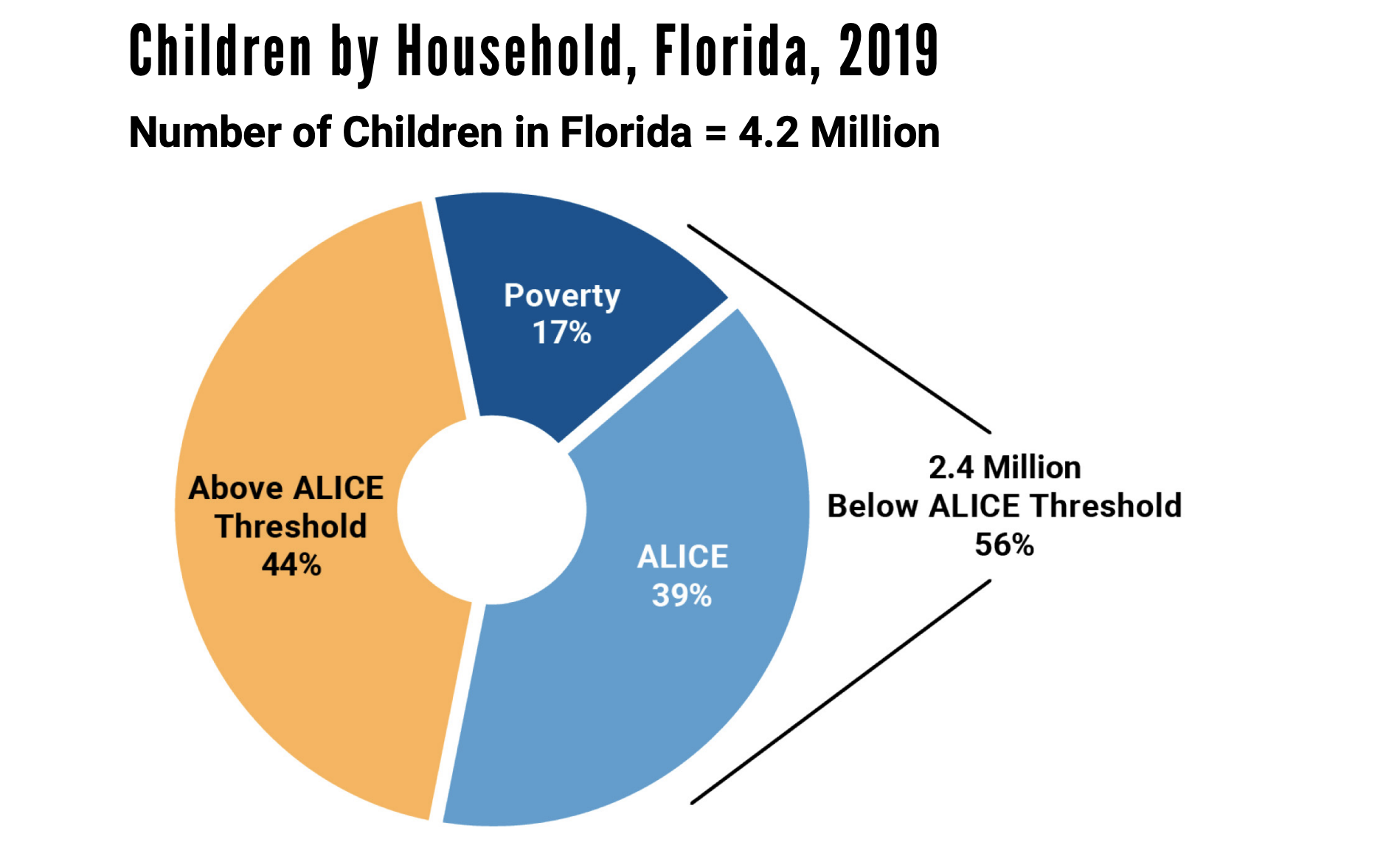
Poverty in Florida, as in many places, disproportionately affects certain demographic groups. Racial and ethnic minorities, particularly African Americans and Hispanics, often experience higher rates of poverty. This disparity is rooted in a complex history of systemic inequalities, including differences in educational opportunities, employment discrimination, and access to wealth-building resources. Children are also particularly vulnerable to poverty. Growing up in poverty can have long-lasting negative impacts on health, educational attainment, and future economic prospects. Single-parent households, especially those headed by women, are also more likely to fall below the poverty line.
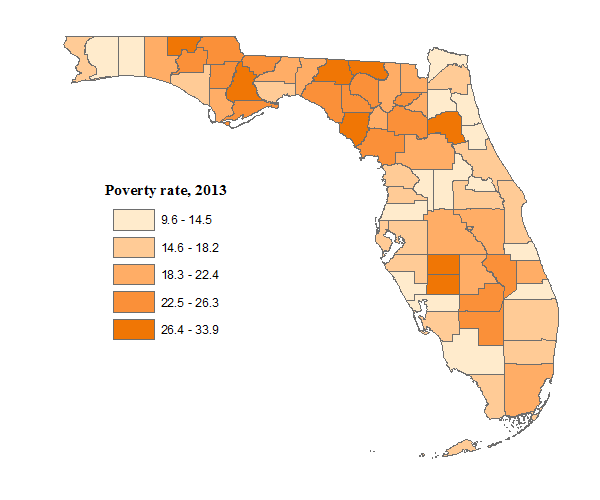
Geographic location plays a significant role. While Florida is known for its wealthy coastal cities and tourist hubs, there are also pockets of deep poverty, often found in rural areas or in specific urban neighborhoods. Counties in the Florida Panhandle and some inland agricultural regions can show higher poverty rates compared to major metropolitan areas that benefit from diverse economies and tourism revenue. These disparities highlight the uneven distribution of economic prosperity across the state, even within what is perceived as a generally prosperous vacation destination. The impact of poverty isn’t uniform; it is deeply influenced by factors like race, age, family structure, and where one lives within the state.
Impact on Lifestyle and Opportunities
The reality of poverty in Florida profoundly impacts the lifestyle and opportunities available to its residents. For families struggling to make ends meet, the dream of a Florida vacation, enjoying its abundant attractions, becomes an unattainable luxury. Instead, their daily lives are consumed by the challenges of securing basic necessities. This can mean making difficult choices between paying for rent, food, healthcare, or education. The constant stress of financial insecurity can take a toll on mental and physical health.
Access to quality education is a critical determinant of future economic mobility. Children growing up in poverty in Florida may attend under-resourced schools, have limited access to extracurricular activities, and face barriers to higher education. This perpetuates a cycle of poverty, making it harder for them to break free. Similarly, access to affordable and quality healthcare can be a significant challenge. Without adequate health insurance, unexpected medical emergencies can quickly plunge a family deeper into debt.
Even the more affordable aspects of Florida living can be strained. While budget travel options exist, for those living on the edge, unexpected expenses can be devastating. The dream of a stable home, a good job, and a secure future often feels out of reach. This creates a stark contrast between the idealized image of Florida as a paradise and the lived experiences of many of its own citizens. The very industries that attract tourists, such as hospitality and service jobs, often offer wages that, while providing employment, may not be sufficient to lift individuals and families out of poverty, especially in high-cost areas. This creates a complex economic dynamic within the state.
Poverty in Relation to Florida’s Tourism and Lifestyle Sectors
The Economic Paradox
Florida‘s economy is heavily reliant on tourism, a sector that generates billions of dollars annually and supports countless jobs. Millions visit destinations like Orlando, Miami, and the Florida Keys to experience theme parks like Walt Disney World and Universal Orlando Resort, enjoy the beaches of South Beach, or explore natural wonders like the Everglades. This influx of visitors fuels a vibrant hospitality industry, from luxury resorts and boutique hotels to budget-friendly motels and vacation rentals.
However, there’s an inherent paradox. The very prosperity generated by tourism doesn’t always trickle down to alleviate poverty among the state’s workforce. Many jobs in the tourism and hospitality sectors are low-wage positions, such as hotel housekeepers, restaurant servers, and park attendants. While these jobs provide employment, they often don’t offer a living wage, especially in areas with a high cost of living. This means that many Floridians working in the industries that cater to affluent tourists are themselves struggling to meet basic needs.
This economic disparity is visible even in the types of accommodation available. While Florida boasts world-renowned luxury hotels and exclusive villas, a significant portion of its population may only dream of such amenities, living in more modest housing or facing housing insecurity. The wealth generated by attracting high-spending tourists doesn’t automatically translate into economic security for all Floridians. This creates a scenario where the state’s celebrated lifestyle and luxury offerings exist alongside significant economic hardship for a segment of its population. The pursuit of budget travel by tourists can also put downward pressure on wages in certain sectors.
Bridging the Gap: Solutions and Initiatives
Addressing poverty in Florida requires a multi-faceted approach that considers its unique economic landscape. This involves looking beyond immediate charitable aid and focusing on sustainable solutions that promote economic mobility and opportunity.
One key area is investing in education and job training programs. Equipping Floridians with in-demand skills can lead to better-paying jobs, not just in the service industry but in growing sectors like technology, healthcare, and renewable energy. Initiatives that focus on early childhood education can break the cycle of poverty before it takes hold, ensuring children have a strong foundation for future success.
Expanding access to affordable healthcare and childcare is also crucial. When families don’t have to choose between their health and their rent, or between working and caring for their children, they are better positioned to achieve financial stability. Policies that support affordable housing are also vital, as housing costs are a significant burden for low-income families in many parts of Florida.
Furthermore, advocating for policies that ensure a living wage is essential. This doesn’t mean eliminating the diverse range of employment opportunities Florida offers, but rather ensuring that full-time work provides a sufficient income to live with dignity. Supporting small businesses and entrepreneurship within low-income communities can also foster local economic development and create jobs that provide better wages and benefits. Finally, raising awareness about the realities of poverty in Florida, even amidst its glamorous image, is a critical step in driving meaningful change and fostering a more equitable society for all its residents. The state’s ability to attract tourists and offer diverse lifestyle options should ideally be mirrored by opportunities for its own citizens to thrive.