
Planning a trip to the Sunshine State or considering a move to Florida? Understanding the local economic landscape, especially the minimum wage, is crucial for both visitors and potential residents. Florida, a perennial magnet for tourism, known for its pristine beaches, world-famous theme parks, and vibrant cities, relies heavily on its service industry. From the bustling streets of Miami to the magical realms of Orlando, and the historic charm of St. Augustine, countless individuals contribute to the state’s allure, often working in roles directly impacted by minimum wage regulations. This article delves into Florida’s current minimum wage, its historical trajectory, future projections, and the significant implications for workers, businesses, and the millions of tourists who flock to this captivating corner of the United States each year. Whether you’re an employer in the hospitality sector, an individual seeking employment, or a traveler budgeting for your next adventure, knowing the intricacies of Florida’s minimum wage is essential for navigating the economic currents of this dynamic state.
Understanding Florida’s Minimum Wage Landscape
The minimum wage in Florida isn’t static; it’s a dynamic figure influenced by constitutional amendments and annual adjustments. Unlike the federal minimum wage, which has remained at $7.25 per hour since 2009, Florida has taken a proactive approach to gradually increase its base pay, reflecting a broader national discussion about livable wages. This progressive shift has significant ramifications for the state’s colossal tourism and hospitality industries, which employ a substantial portion of its workforce. Understanding these nuances is key to grasping the economic realities of living, working, and traveling in the Sunshine State.
The Current Rate and Its Evolution
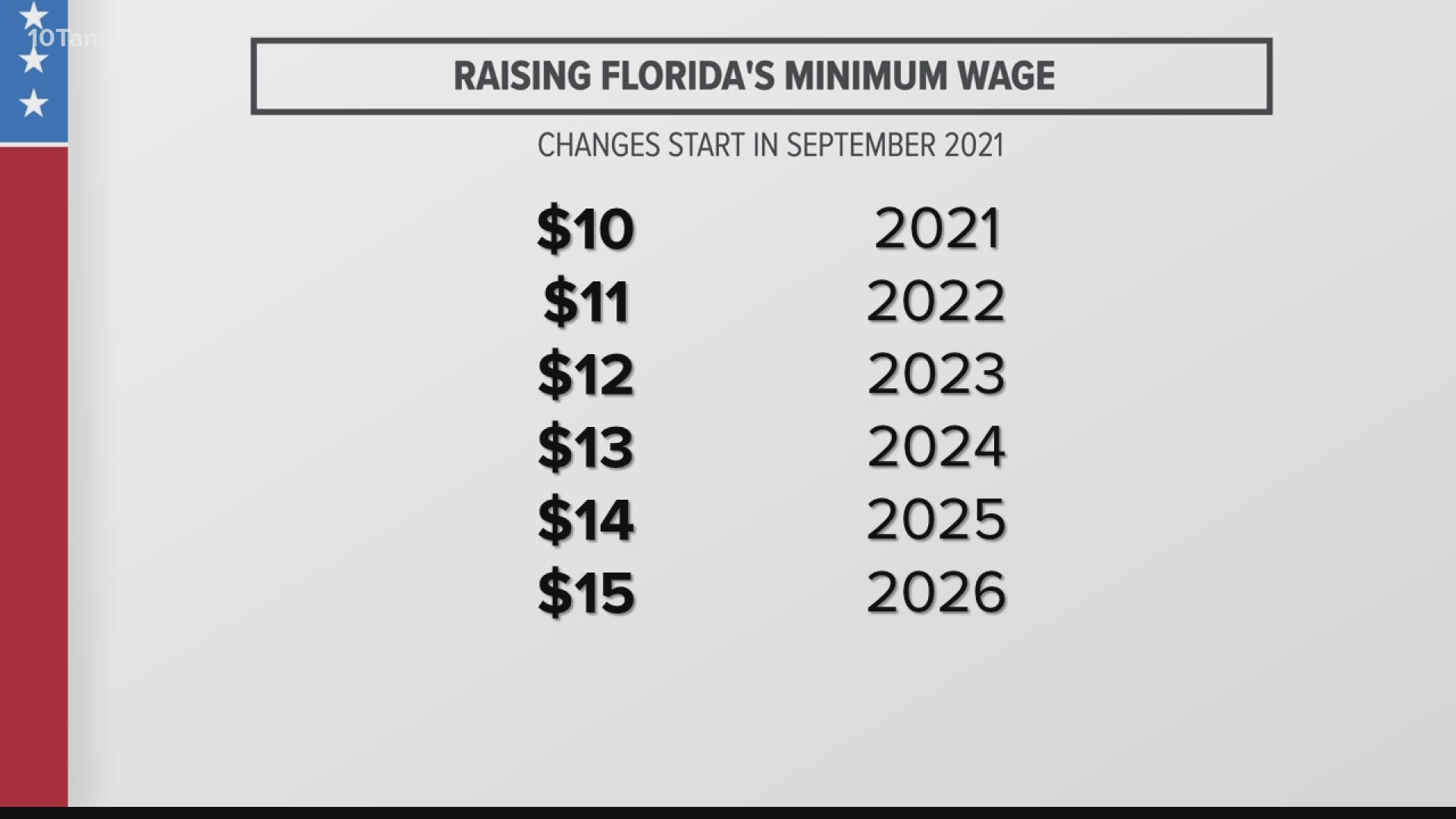
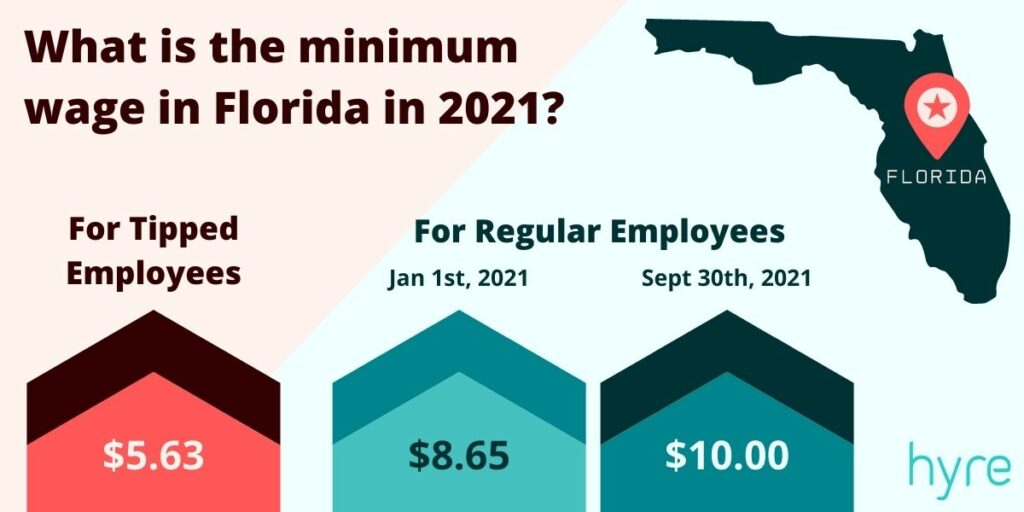
As of September 30, 2023, the minimum wage in Florida stands at $12.00 per hour. This rate reflects a significant step in a pre-defined series of increases mandated by a constitutional amendment approved by voters in 2020. This amendment set Florida on a clear path towards a $15 per hour minimum wage by 2026. Prior to this amendment, Florida’s minimum wage was subject to annual adjustments based on inflation, typically in line with the Consumer Price Index. However, the 2020 amendment fundamentally altered this trajectory, establishing a fixed schedule for increases.
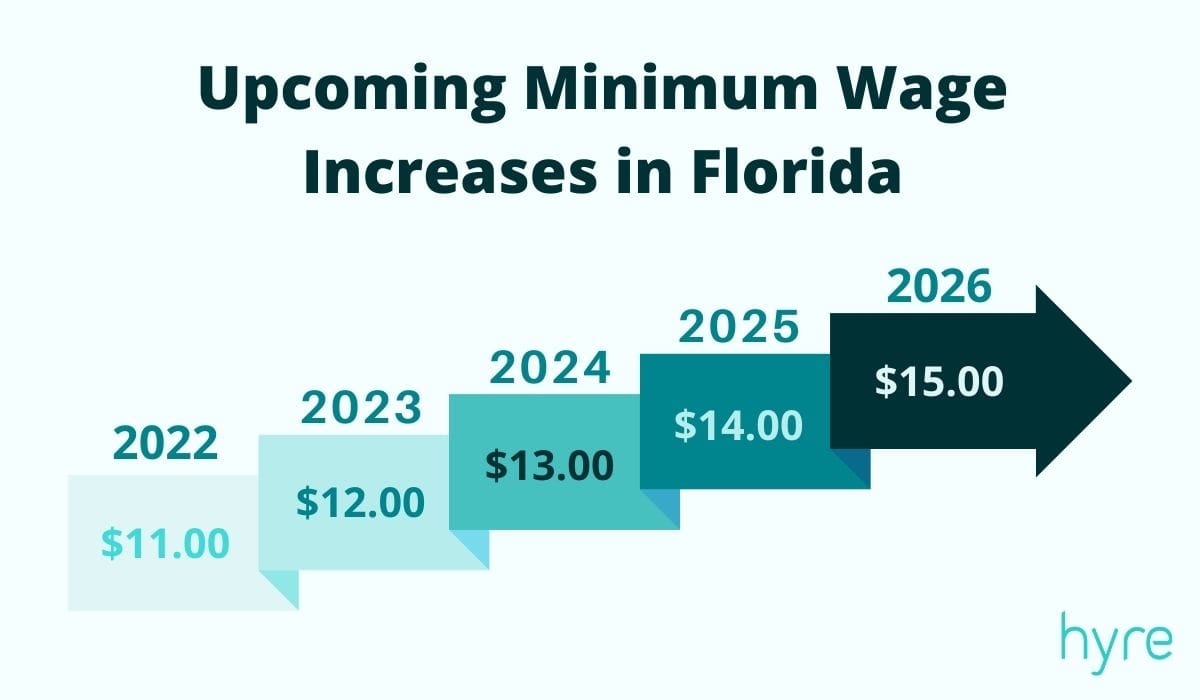
The phased implementation ensures that businesses and employees have time to adapt to the new wage structure. Specifically, the schedule dictates:
- September 30, 2024: The minimum wage will rise to $13.00 per hour.
- September 30, 2025: It will further increase to $14.00 per hour.
- September 30, 2026: The rate will reach its target of $15.00 per hour.
Following the achievement of the $15 per hour target in 2026, subsequent annual adjustments will once again revert to being tied to inflation, specifically the Consumer Price Index for Urban Wage Earners and Clerical Workers (CPI-W) for the South Region. This long-term commitment provides a degree of predictability for both the workforce and businesses operating across the state, from the theme parks of Universal Orlando Resort to the boutique hotels along South Beach.
Key Exceptions and Tipped Wages
While the general minimum wage applies to most non-exempt employees in Florida, there are specific provisions and exceptions, most notably concerning tipped employees. For workers who customarily and regularly receive tips, Florida allows for a tip credit. This means employers can pay tipped employees a lower direct hourly wage, provided that the employee’s tips, combined with that direct wage, meet or exceed the standard minimum wage.
As of September 30, 2023, the minimum cash wage for tipped employees in Florida is $8.98 per hour, with a maximum tip credit of $3.02 per hour. The combined total of the cash wage and tip credit ($8.98 + $3.02) equals the standard minimum wage of $12.00 per hour. Crucially, if an employee’s tips do not bring their total hourly earnings up to the standard minimum wage, the employer is legally obligated to make up the difference. This system is particularly relevant for the vast number of workers in Florida’s extensive service sector, including waiters, bartenders, hotel staff, and tour guides, who depend on tips as a significant portion of their income. As the standard minimum wage increases annually, the minimum cash wage for tipped employees and the maximum tip credit will also adjust accordingly, maintaining the integrity of the system and ensuring that all workers ultimately earn at least the state’s minimum. Other, less common exceptions may apply to certain student workers or individuals with disabilities, but the tipped wage provision is by far the most widespread and impactful exception in the Sunshine State’s economy.
The Impact on Florida’s Vibrant Tourism and Hospitality Sector
Florida’s economy is inextricably linked to its tourism and hospitality sector, a colossal industry that fuels growth, creates jobs, and shapes the state’s global image. From the world-renowned attractions like Walt Disney World Resort and Busch Gardens Tampa Bay to the luxurious resorts of Palm Beach and the historic inns of Key West, this sector thrives on dedicated service professionals. The evolving minimum wage directly influences the livelihoods of these workers and the operational strategies of the businesses that employ them, creating a fascinating dynamic within this economic powerhouse.
For Employees: Navigating the Cost of Living in Paradise
For many employees in Florida’s tourism and hospitality industry, the minimum wage increase represents a critical step towards a more sustainable lifestyle. The allure of the Sunshine State comes with a significant caveat: the cost of living, particularly in popular tourist destinations like Orlando, Miami, and Fort Lauderdale, can be high. Housing, transportation, and everyday expenses often strain the budgets of those earning entry-level wages. The incremental rise in the minimum wage provides a much-needed boost, offering greater financial stability for housekeepers, front-desk staff, food service workers, and attraction attendants.
This improvement in wages can translate to tangible benefits: the ability to afford better housing, reduce reliance on multiple jobs, or even invest in personal development and education. For many, it means a more realistic path to enjoying the very “paradise” they help create for tourists. However, it’s also important to acknowledge that even with increases, many workers in high-cost-of-living areas still face challenges. The cost of renting an apartment in a city like Miami or near the theme parks in Orlando can quickly consume a significant portion of a minimum wage earner’s income, even at $15 an hour. Consequently, while the minimum wage increases are vital, they often serve as one piece of a larger puzzle in addressing affordability for the dedicated individuals who form the backbone of Florida’s visitor economy. The commitment to a higher wage offers a brighter outlook for those considering a career in the state’s vibrant service industries, from operating rides at SeaWorld Orlando to assisting guests at a Hilton resort.
For Businesses: Balancing Payroll and Profitability
From grand resorts and boutique hotels to family-run restaurants and souvenir shops, businesses across Florida’s tourism sector are directly impacted by the rising minimum wage. For many small and medium-sized enterprises, increasing labor costs present a significant operational challenge. While larger corporations like Marriott International or Hyatt Hotels Corporation may have more robust frameworks to absorb such changes, independent operators must meticulously re-evaluate their financial models.
Businesses typically respond to increased labor costs in several ways. Some may adjust their pricing, leading to higher costs for accommodations, dining, or attractions. Others might explore efficiency improvements, such as investing in automation for certain tasks, optimizing staff scheduling, or streamlining operations to reduce waste. There could also be a focus on improving employee retention through competitive benefits and a positive work environment, recognizing that high turnover can be more costly than higher wages in the long run. The goal is to balance the need to compensate employees fairly with the imperative of maintaining profitability in a highly competitive market.
While the immediate concern for some businesses is the bottom line, many also recognize the potential long-term benefits of a higher minimum wage. Improved employee morale, reduced absenteeism, increased productivity, and a stronger local economy driven by greater consumer spending can all stem from a better-compensated workforce. Ultimately, the successful integration of these wage increases into Florida’s business landscape will depend on strategic planning, innovation, and a collaborative spirit between employers and employees to ensure the Sunshine State remains a top-tier destination for both visitors and those who call it home.
Budgeting for Your Florida Adventure: A Traveler’s Perspective
Florida is a dream destination for millions, offering everything from serene beaches in Sarasota to thrilling roller coasters in Tampa. However, like any popular travel spot, managing your budget effectively is key to a memorable experience. The state’s minimum wage, and its impact on the cost of goods and services, subtly influences how travelers plan their trips, especially when it comes to dining, accommodation, and activities. Understanding these economic undercurrents can help you optimize your spending and ensure your Florida adventure is both enjoyable and affordable.
Accommodation and Dining: What to Expect
The cost of labor is a significant component of pricing in the hospitality industry, meaning that changes in Florida’s minimum wage can have a ripple effect on your travel budget. When booking accommodations, from luxury suites in Naples to budget-friendly hotels near Jacksonville, expect prices to reflect operating costs, including staff wages. While direct correlation might not always be immediately apparent, the upward trend in minimum wage contributes to the overall pricing structure across various lodging options, from large resorts to cozy apartments and villas available for short-term stays. It’s always wise to book in advance, especially during peak seasons like spring break or winter holidays, to secure the best rates. Utilizing comparison sites and looking for special deals on accommodations can help mitigate these costs.
Similarly, dining out in Florida will be influenced. Restaurants, particularly those with full-service models, rely heavily on tipped employees. As the minimum cash wage for tipped workers increases, and overall labor costs rise, menu prices may see slight adjustments. However, the quality of service and the culinary experiences often justify the cost, whether you’re enjoying fresh seafood in the Florida Keys or sampling international cuisine in South Florida. Budget travelers might consider exploring local markets, self-catering in accommodations with kitchenettes, or seeking out casual dining options and food trucks, which often provide delicious and more affordable meals. Understanding the local culture around tipping is also important; while a service charge might sometimes be included, customary tipping for excellent service remains a vital part of supporting the dedicated staff who make your dining experiences enjoyable.
Attractions and Experiences: Making the Most of Your Spend
Florida boasts an incredible array of attractions and experiences, catering to every interest. From the thrilling rides at Walt Disney World Resort and Universal Orlando Resort to the natural wonders of Everglades National Park and the historical depth of Castillo de San Marcos, there’s no shortage of things to do. Like accommodations and dining, the pricing of these attractions and experiences can subtly reflect the underlying labor costs. Entrance fees, tour prices, and even the cost of souvenirs contribute to the overall expenditure on your trip.
To make the most of your travel budget, consider purchasing multi-day passes for theme parks, which often offer better value than single-day tickets. Many attractions offer discounts for booking online in advance, or for specific groups like seniors, military personnel, or students. Exploring free or low-cost landmarks and natural beauty spots, such as Florida’s numerous state parks and public beaches, can significantly reduce expenses while still providing unforgettable memories. For instance, a stroll along Clearwater Beach or a visit to Kennedy Space Center Visitor Complex offers distinct experiences. Balancing high-ticket attractions with more budget-friendly activities is a smart strategy. Additionally, look for travel packages that bundle flights, hotels, and attraction tickets, as these can sometimes offer considerable savings. Understanding the underlying economic factors, like minimum wage, allows travelers to anticipate potential costs and plan a more informed and enjoyable Florida itinerary.
Life and Livelihoods in the Sunshine State: Beyond the Paycheck
Beyond the immediate financial implications for workers and businesses, Florida’s minimum wage policy plays a pivotal role in shaping the broader economic and social fabric of the state. It influences everything from local consumer spending habits to long-term career prospects and the overall lifestyle for its residents. For those considering making Florida their home, understanding these wider effects offers a more comprehensive picture of life in the Sunshine State.
Exploring Career Opportunities in Florida’s Thriving Economy
Florida’s robust economy offers a diverse range of career opportunities, extending far beyond the tourism sector. While hospitality remains a cornerstone, other industries like healthcare, technology, logistics, and professional services are rapidly expanding, particularly in metropolitan areas such as Miami, Orlando, and Tampa. The increasing minimum wage can make entry-level positions in these diverse sectors more attractive, drawing a broader pool of talent and potentially fostering greater workforce stability. For individuals looking to relocate, the prospect of a steadily rising minimum wage, especially one set to reach $15 per hour by 2026, provides a more optimistic outlook for financial stability and career progression.
Many companies in Florida are actively seeking skilled and dedicated employees. A higher minimum wage can serve as a foundational living wage, allowing individuals to pursue further education or training to advance their careers. This creates a positive feedback loop: better-compensated workers are more likely to invest in their future, leading to a more skilled and productive workforce, which in turn attracts more businesses to the state. Whether you’re considering a seasonal job in a resort town or a long-term career in Jacksonville’s burgeoning tech scene, the minimum wage acts as a baseline, impacting the broader compensation landscape and the quality of life for all workers in the state.
The Broader Economic Ripple Effect
The mandated increase in Florida’s minimum wage creates a significant economic ripple effect that extends far beyond individual paychecks and business ledgers. One of the most direct effects is on local consumer spending. When low-wage workers have more disposable income, they tend to spend it on essential goods and services within their local communities, such as groceries, clothing, and local entertainment. This injection of capital can stimulate local economies, supporting small businesses and contributing to overall economic growth.
Furthermore, a higher minimum wage can contribute to reducing poverty rates and income inequality, fostering a more equitable society. While critics often raise concerns about potential job losses or inflation, proponents argue that the benefits of increased purchasing power and reduced reliance on public assistance often outweigh these risks. The increases in Florida are phased over several years, designed to allow businesses to adapt gradually, minimizing abrupt shocks to the economy. Ultimately, the minimum wage is not just a number; it’s a policy instrument with profound implications for the overall health and dynamism of Florida’s economy, influencing everything from the tourism sector to the well-being of its residents, ensuring the Sunshine State continues to thrive as a premier destination for both work and play.
In conclusion, Florida’s minimum wage, currently at $12.00 per hour and steadily climbing to $15.00 by 2026, is a pivotal economic factor. It directly impacts the livelihoods of countless individuals in the state’s dominant tourism and hospitality industries, shaping their ability to navigate the cost of living in popular destinations. For businesses, it necessitates strategic adjustments to payroll and operations, fostering innovation and efficiency. For travelers, understanding these economic realities can inform budgeting for accommodations, dining, and attractions, ensuring a more informed and enjoyable Florida experience. Beyond these immediate effects, the minimum wage influences the broader economic landscape, from consumer spending to career opportunities, underscoring its significance for anyone engaging with the vibrant and ever-evolving Sunshine State.
LifeOutOfTheBox is a participant in the Amazon Services LLC Associates Program, an affiliate advertising program designed to provide a means for sites to earn advertising fees by advertising and linking to Amazon.com. Amazon, the Amazon logo, AmazonSupply, and the AmazonSupply logo are trademarks of Amazon.com, Inc. or its affiliates. As an Amazon Associate we earn affiliate commissions from qualifying purchases.