
Imagine planning a dream getaway to the Sunshine State, where pristine beaches meet vibrant cities and world-class attractions. You’ve booked your flights, secured a stunning beachfront villa or a luxurious resort suite, and mapped out an exciting itinerary. But then a seemingly simple question arises: What time is it in Florida? While it might seem straightforward, Florida’s unique geography and adherence to Daylight Saving Time can create a surprising puzzle for both first-time visitors and seasoned travelers alike.
Understanding Florida’s time zones is crucial for seamless travel, efficient planning, and fully enjoying every moment of your vacation. From coordinating flight arrivals and hotel check-ins to scheduling dinner reservations and theme park visits, a grasp of the local time ensures you don’t miss a beat. This comprehensive guide will demystify “Florida Time,” explaining the nuances of its time zones, the impact of Daylight Saving Time, and providing essential tips to help you navigate your trip without a hitch. Whether you’re heading to the bustling streets of Miami, the magical parks of Orlando, or the serene shores of the Panhandle, we’ll ensure you’re always on schedule for an unforgettable Florida experience.
Navigating Florida’s Time Zones: An Overview
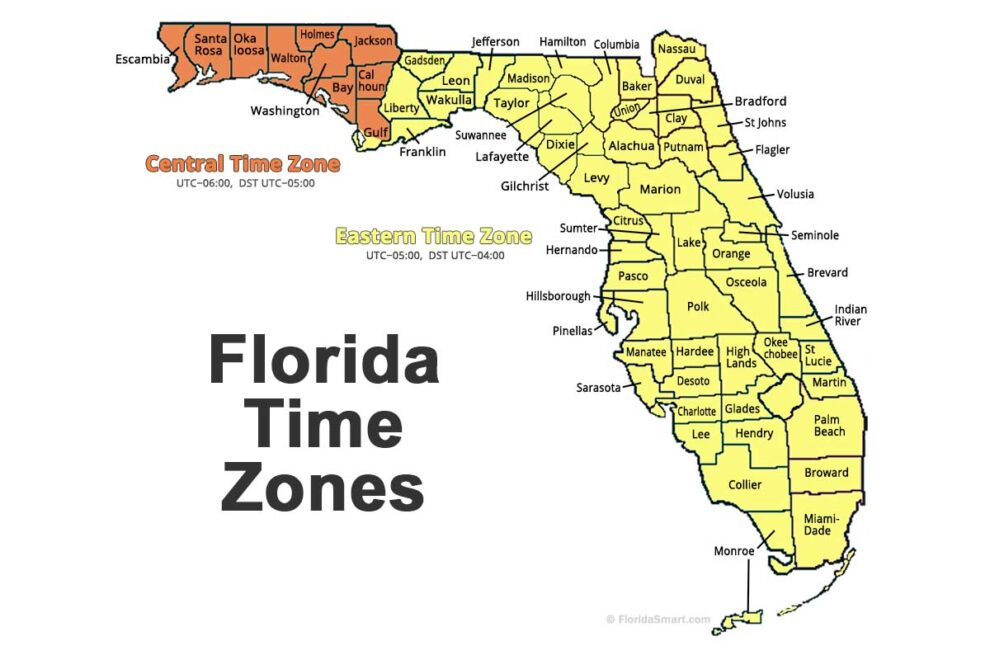
At first glance, understanding time in Florida might seem as simple as checking your watch. However, the state is bisected by two distinct time zones, a geographical quirk that can trip up even the most meticulous planners. The vast majority of Florida operates on Eastern Time, but a significant portion of its westernmost region, particularly the Florida Panhandle, observes Central Time. This divide, combined with the annual shift for Daylight Saving Time, makes “Florida Time” a topic worth exploring in detail.
The Dominant Rhythm: Eastern Time Zone (ET)
The lion’s share of Florida, including all its major metropolitan areas and most popular tourist destinations, falls within the Eastern Time Zone. This means that during standard time, it operates as Eastern Standard Time (EST), which is UTC-5. When Daylight Saving Time is in effect, from early March to early November, it switches to Eastern Daylight Time (EDT), making it UTC-4.
This encompasses iconic cities like Orlando, home to the Walt Disney World Resort and Universal Orlando Resort; Miami, with its vibrant South Beach and bustling arts scene; Tampa, known for Busch Gardens Tampa Bay and thriving local culture; Jacksonville, Florida’s largest city by area; and the charming historic streets of Key West. Even the state capital, Tallahassee, situated relatively close to the Panhandle, remains firmly in Eastern Time.

For the majority of visitors, especially those arriving from other areas of the eastern United States or Canada, adjusting to Eastern Time will be minimal, if at all. However, it’s crucial for those traveling from further west or internationally to factor in the time difference when scheduling flights, booking hotel apartments, or planning activities at landmarks like the Kennedy Space Center Visitor Complex.
The Western Edge: Central Time Zone (CT)
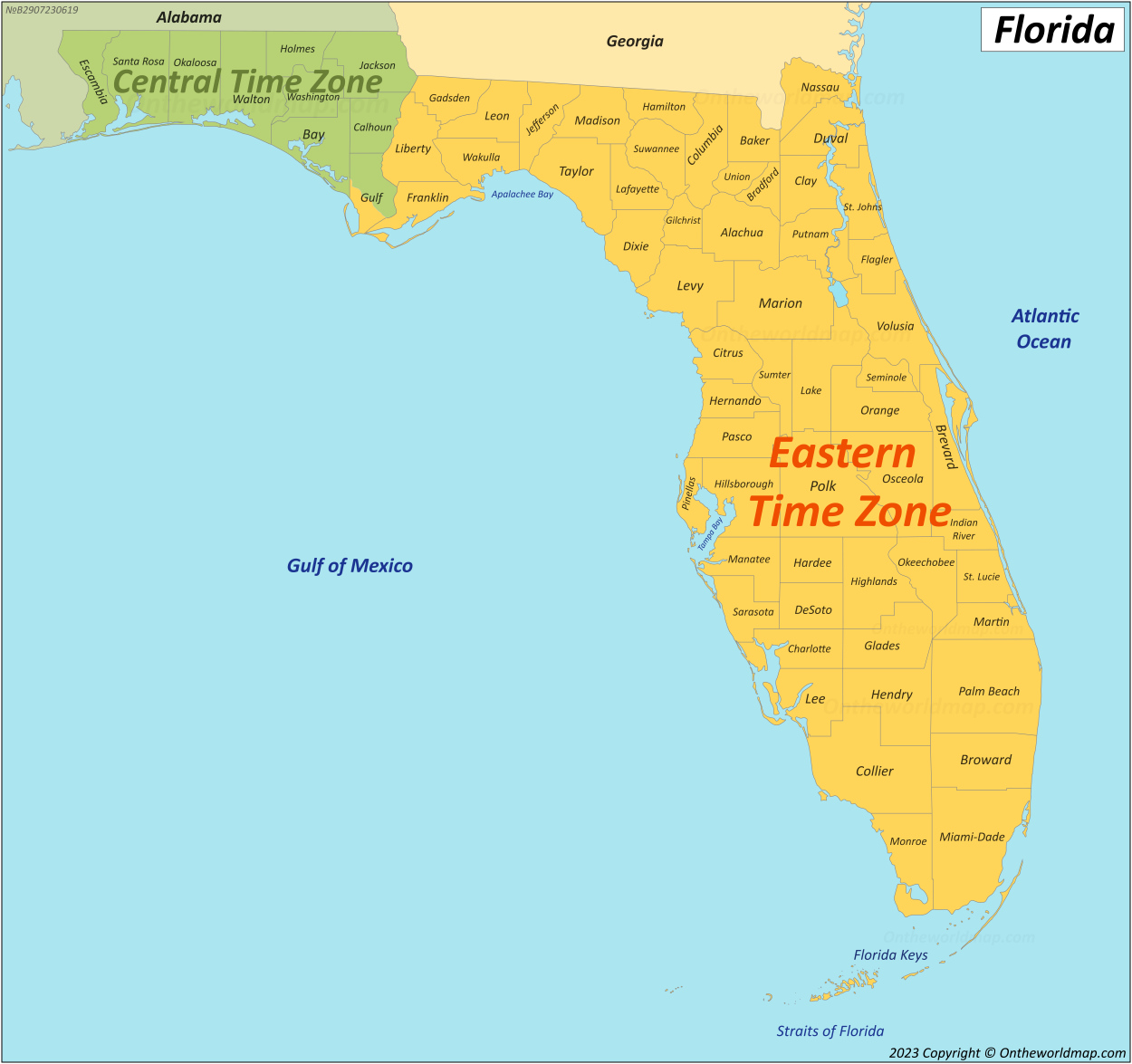
Venturing into the Florida Panhandle, the landscape and the clock both shift. Most of the Panhandle observes Central Time Zone, making it one hour behind Eastern Time. During standard time, it’s Central Standard Time (CST), which is UTC-6, and during Daylight Saving Time, it becomes Central Daylight Time (CDT), or UTC-5.
This zone includes popular coastal destinations such as Pensacola, Panama City Beach, Fort Walton Beach, and Destin. The counties that predominantly operate on Central Time are Escambia County, Santa Rosa County, Okaloosa County, Walton County, Bay County, and Washington County. A notable exception is Gulf County, where the western part (including Port St. Joe and Mexico Beach) is Eastern Time, while the eastern part (closer to the Central Time Zone) also observes Eastern Time. This can be a point of confusion for those driving east or west within the Panhandle or crossing the border with Alabama which is entirely on Central Time.
For travelers exploring the beautiful beaches of Northwest Florida, being aware of this time shift is crucial. A simple oversight could mean missing a pre-booked fishing charter, arriving an hour late for a resort activity, or miscalculating check-out times. Always confirm the local time when making plans, especially if your itinerary involves crossing the invisible time zone boundary.
The Impact of Daylight Saving Time (DST)
Both the Eastern Time Zone and the Central Time Zone in Florida observe Daylight Saving Time. This means that on the second Sunday in March, clocks “spring forward” one hour, effectively making evenings lighter for longer. On the first Sunday in November, clocks “fall back” one hour, returning to standard time.
While DST is a widespread practice across the United States, its implementation still presents potential complications for travelers.
- Flight Schedules: Arrival and departure times are typically listed in local time, but if you’re traveling during the switchover, especially for connecting flights, verify the actual time differences.
- Hotel Check-ins/Check-outs: A miscalculation during the “fall back” could lead to an early check-out surprise, while “spring forward” might mean missing an hour of sleep before an early flight. Confirm these details with your accommodation.
- Tour and Activity Bookings: Many organized tours, theme park schedules, and restaurant reservations adhere strictly to local time. Missing an hour could mean missing a crucial pre-booked experience.
- International Travel: For those arriving from countries that do not observe DST or follow a different schedule (like some parts of Mexico), the adjustment can be even more pronounced.
Florida has, at times, considered abolishing Daylight Saving Time and remaining permanently on Daylight Time. While a bill called the “Sunshine Protection Act” was passed by the Florida legislature, it requires congressional approval in the United States, which has not yet occurred. So, for now, the annual clock changes remain a reality for all travelers to the state.
Planning Your Florida Trip: Time Zone Considerations for Travelers
Effective planning is the cornerstone of any successful trip, and understanding “Florida Time” is an often-overlooked but crucial element. Whether you’re on a budget travel adventure or indulging in a luxury travel escape, these considerations apply to ensure your journey is smooth and enjoyable.
Travel and Logistics
- Flights and Connections: When booking flights to or within Florida, always confirm the time zone of your origin and destination airports. A flight from Houston (CT) to Orlando (ET) will technically take longer on the clock due to the time difference. Even more critical are connecting flights, especially if one segment lands in the Panhandle before continuing to Central or South Florida. Verify layover times in local time to avoid missing your next leg. Online booking platforms usually account for time zones, but a quick double-check can save you a lot of stress.
- Road Trips Across Zones: If your Florida itinerary involves driving from, say, Jacksonville down to Miami (both ET) or, more acutely, from Tallahassee (ET) west to Pensacola (CT), be mindful of the time change. Your GPS device should automatically adjust, but it’s wise to have a mental note. Adjusting your departure time by an hour can optimize your travel and arrival at your next destination, especially if you have evening plans.
Accommodation and Bookings
- Check-in/Check-out Times: Hotels, resorts, apartments, and villas in different time zones will have their check-in and check-out times set according to their local time. If you’re staying in a Panhandle resort but booked from an Eastern Time Zone location, ensure your arrival plans align with the local check-in window. Similarly, on your departure day, confirm the local check-out time to avoid any unexpected fees or rushing.
- Reservation Systems: When booking accommodation, tours, or transportation online, the time displayed is usually the local time of the service provider. However, if you are making reservations from a different time zone, it’s always prudent to cross-reference to ensure there’s no confusion. For instance, booking a restaurant in Destin (CT) from Orlando (ET) means a 7 PM reservation in Destin will feel like 8 PM to your Orlando-adjusted body clock.
Attractions and Activities
- Opening/Closing Hours: Florida’s diverse attractions, from world-renowned theme parks to serene national parks like Everglades National Park, strictly adhere to their local operating hours. Always double-check the opening and closing times, especially if you’re visiting a landmark near a time zone boundary or during a Daylight Saving Time change. This is critical for maximizing your time, particularly for family trips where kids’ schedules are paramount.
- Tour Schedules and Dining: Many guided tours, boat excursions, and specific dining experiences have set schedules. Confirming the local time for these bookings will prevent missed opportunities. When experiencing local culture through food tours or specific activities, being punctual enhances the experience and respects the local providers.
- Planning Daily Itineraries: When creating your daily schedule, consider both the time zone and the impact of Daylight Saving Time. During DST, the longer daylight hours in the evening are perfect for outdoor activities, beach strolls, or enjoying outdoor dining. Conversely, during standard time, planning earlier starts might be necessary to capture daylight for certain attractions or outdoor adventures.
Embracing “Florida Time”: Beyond the Clock
While understanding the technicalities of Florida’s time zones is essential for practical travel planning, there’s also a more colloquial, relaxed interpretation of “Florida Time” that permeates the local lifestyle. This concept refers to a laid-back approach to schedules and a general appreciation for a slower pace of life, particularly in coastal and leisure-focused areas. Embracing this mindset can be key to truly enjoying your Florida experience, whether you’re on a business stay or a long-awaited vacation.
The Laid-Back Lifestyle
“Florida Time” often signifies a shift from the hurried pace of everyday life to a more relaxed rhythm. It’s about savoring moments, lingering over a meal of fresh seafood, or spending an extra hour by the pool without feeling rushed. This isn’t to say that services will be slower or unreliable; rather, it encourages visitors to adopt a similar unhurried attitude.
- Local Culture and Pace: Engage with the local culture by understanding that in some areas, particularly smaller towns or beach communities, things might operate at a slightly more leisurely pace than in bustling metropolises. This can apply to service at a charming local eatery, the speed of traffic, or the general demeanor of residents.
- Food and Dining: Florida’s food scene is incredibly diverse, from casual beachside cafes to upscale fine dining establishments. While reservations are important for popular spots, particularly during peak tourist seasons, allowing flexibility in your dining schedule can lead to delightful discoveries. Don’t be afraid to try a spontaneous sunset dinner or a late-morning brunch.
Maximizing Your Experience
By being mindful of the official time zones and embracing the spirit of “Florida Time,” you can create a truly memorable trip.
- Adjusting Your Internal Clock: Give yourself a day or two to adjust if you’re arriving from a significantly different time zone. This is especially important for family trips with young children. Prioritize rest, stay hydrated, and gradually shift your sleep schedule.
- Optimizing Daylight for Activities: Leverage the long daylight hours, particularly during Daylight Saving Time, to enjoy outdoor activities. Early mornings are often cooler and less crowded for visiting attractions or engaging in watersports. Evenings are perfect for enjoying sunsets, outdoor dining, or strolls along the beach.
- Flexibility is Key: While planning is crucial, building a degree of flexibility into your itinerary allows for spontaneous detours, unexpected discoveries, or simply more time to relax. If a sudden rain shower disrupts your beach plans, having alternative indoor activities or simply accepting a moment of pause can enhance your overall experience.
- Utilizing Technology: Modern smartphones and smartwatches automatically adjust to local time zones. Rely on these devices, but always have a quick mental check, especially when crossing the Eastern/Central Time boundary. Confirmation via hotel staff or local signs can provide extra peace of mind.
In conclusion, “What is Florida Time?” is more than just a question about hours and minutes; it’s an inquiry into a state’s unique geography, its adherence to seasonal time changes, and even its laid-back approach to life. By understanding the distinction between Eastern and Central Time Zones, being aware of Daylight Saving Time, and embracing the relaxed pace of the Sunshine State, you can ensure that your travel plans align perfectly with your unforgettable Florida adventure. So set your watches, relax, and get ready to experience Florida on its own wonderful time.
LifeOutOfTheBox is a participant in the Amazon Services LLC Associates Program, an affiliate advertising program designed to provide a means for sites to earn advertising fees by advertising and linking to Amazon.com. Amazon, the Amazon logo, AmazonSupply, and the AmazonSupply logo are trademarks of Amazon.com, Inc. or its affiliates. As an Amazon Associate we earn affiliate commissions from qualifying purchases.