
Nestled amidst the vast, untamed wilderness of Alaska, far from the bustling tourist trails and well-trodden landmarks, lies a scientific installation that has captivated the imaginations of researchers, enthusiasts, and conspiracy theorists alike: the High-frequency Active Auroral Research Program, more commonly known as HAARP. While not a typical travel destination or a resort for luxury stays, HAARP represents a unique facet of Alaska’s diverse landscape, offering a glimpse into groundbreaking scientific exploration set against one of the world’s most breathtaking natural backdrops. For the discerning traveler with an interest in the unconventional, or for those simply curious about the mysteries that unfold in remote corners of our planet, understanding HAARP adds another layer to the rich tapestry of Alaskan experiences.
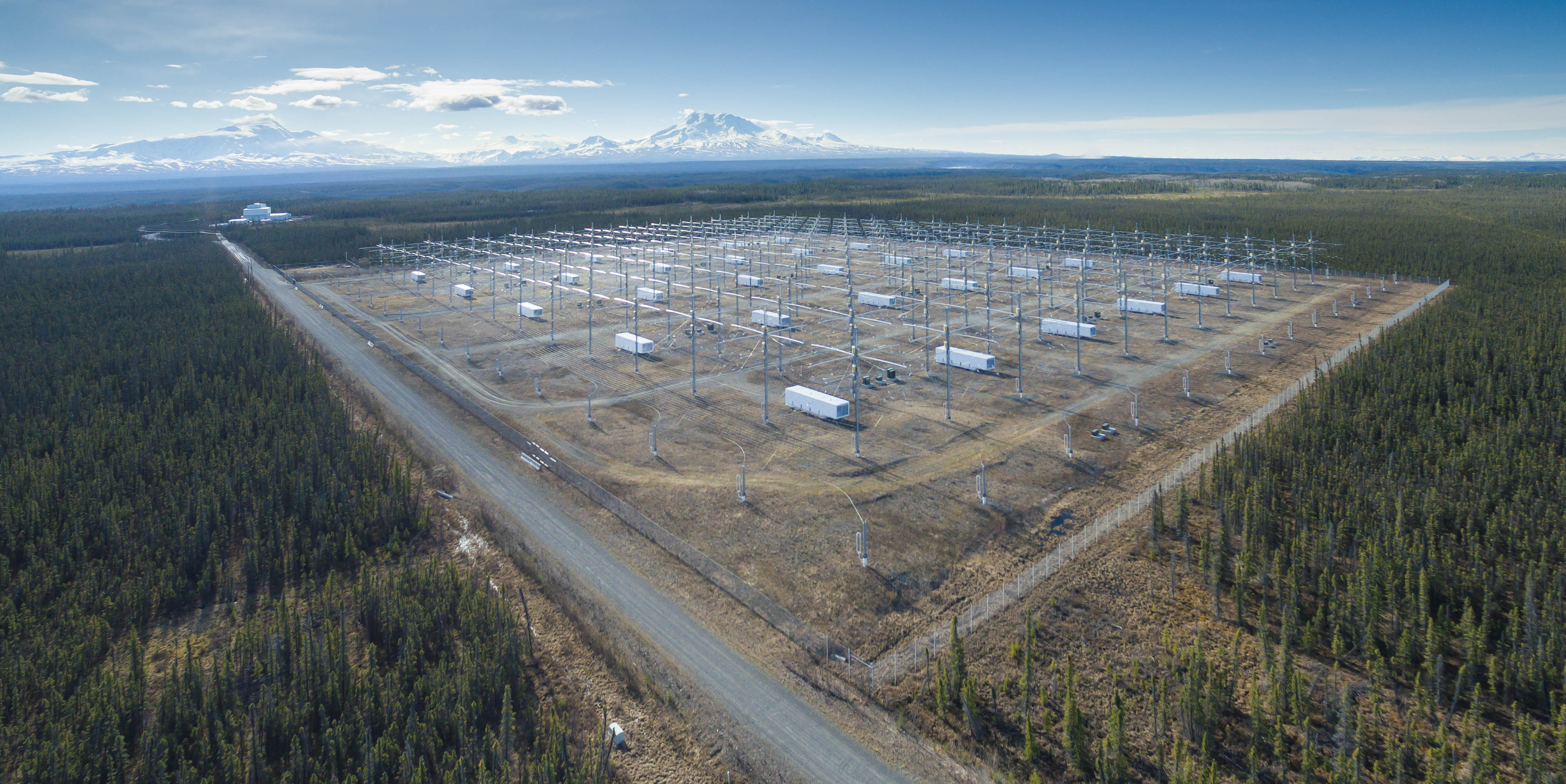
The website’s core themes—travel, hotels, tourism, accommodation, landmarks, and lifestyle—might seem an odd pairing for a research facility. However, HAARP, by its very existence and location, touches upon several of these. It stands as an unconventional landmark, a testament to human ingenuity in an extreme environment. Its remote setting influences travel planning and accommodation choices for anyone venturing into the interior of Alaska. And for a niche segment of travelers, it represents a unique point of interest, shaping a particular lifestyle of exploration and intellectual curiosity that extends beyond traditional sightseeing. This article delves into what HAARP is, its scientific significance, and how it fits into the broader context of an Alaskan adventure, however unconventional.
Unveiling HAARP: A Scientific Enigma in the Alaskan Wilderness
At its heart, HAARP is a highly advanced scientific research facility dedicated to studying the Earth’s ionosphere. This critical layer of our atmosphere, extending from about 60 to 1,000 kilometers (37 to 621 miles) above the surface, plays a crucial role in radio communication and is constantly influenced by solar activity. HAARP’s primary mission is to conduct experiments that enhance our understanding of ionospheric processes, with potential applications ranging from improving long-range radio communication to understanding the physics of the aurora borealis. Despite its often-misunderstood public image, rooted in various conspiracy theories, the facility’s operations are transparent and its scientific objectives clear.
The Core Mission: Ionospheric Research
HAARP’s genesis dates back to the early 1990s, when it was initially funded by the U.S. Air Force, the U.S. Navy, and the Defense Advanced Research Projects Agency (DARPA). Its main instrument is the Ionospheric Research Instrument (IRI), a powerful high-frequency radio transmitter array. This array is capable of transmitting radio waves into the ionosphere to temporarily excite a small, localized region. Scientists then use a suite of diagnostic instruments, including radars, magnetometers, and optical tools, to observe the effects of these waves on the ionosphere. These observations provide invaluable data on how the ionosphere reacts to external stimuli, how space weather impacts it, and how natural phenomena like the aurora borealis are formed.
The research conducted at HAARP has yielded significant insights into fundamental space physics. Understanding the ionosphere is vital for various applications, including military and civilian communication systems, satellite navigation, and even earthquake prediction (though HAARP itself is not designed for this, understanding atmospheric layers is part of broader geophysical research). The facility has allowed scientists to create small, controlled experiments that mimic natural ionospheric phenomena, which would be impossible to study in detail otherwise. In 2015, ownership and operational responsibility for the HAARP facility were transferred from the U.S. Air Force to the University of Alaska Fairbanks, specifically its Geophysical Institute. This transition ushered in a new era of academic research, opening the facility to a wider scientific community and further cementing its role as a global leader in ionospheric studies.
A Landscape of Antennas: The Facility’s Design
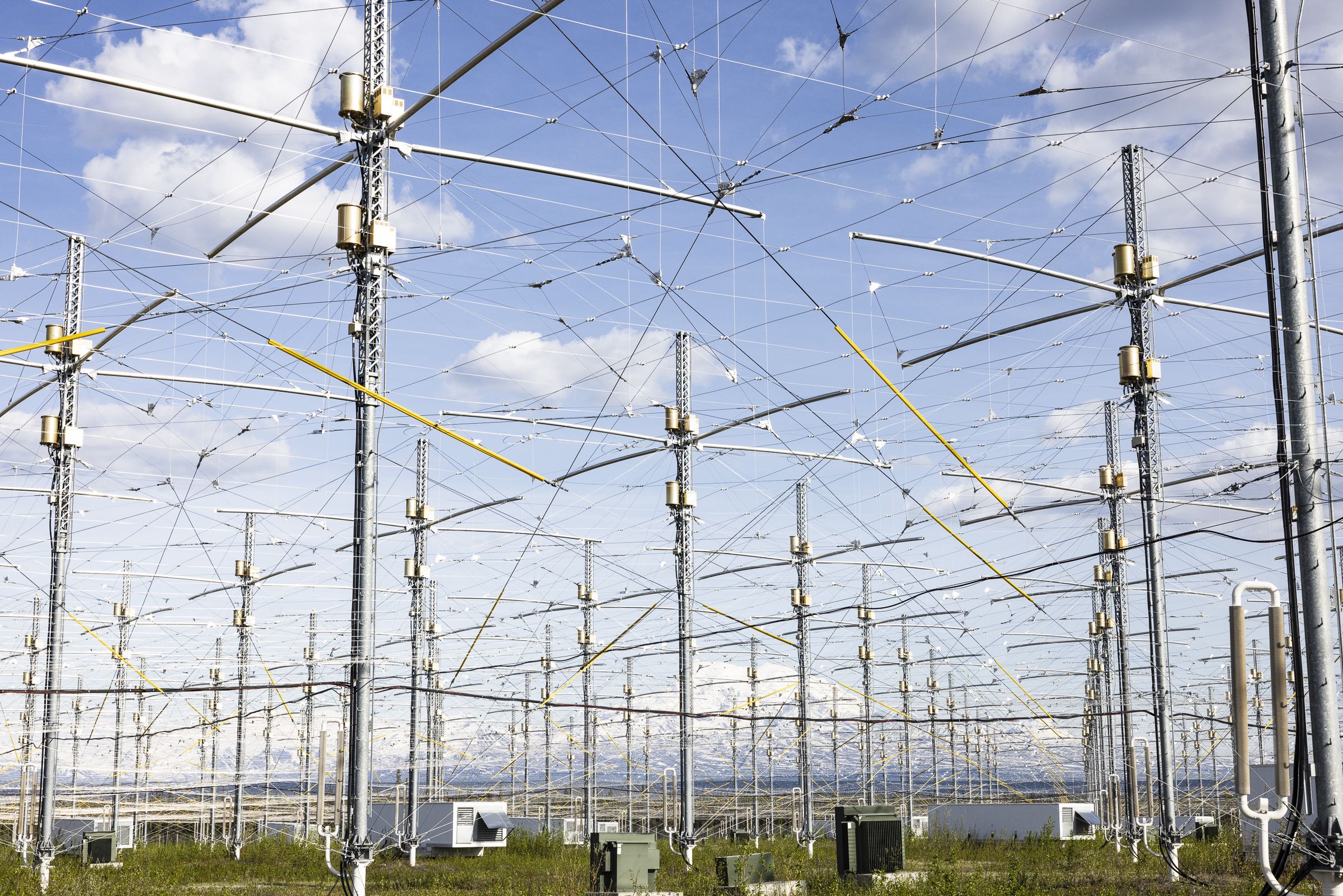
Physically, the HAARP facility is an impressive sight, particularly when viewed from the air. Located near Gakona, Alaska, it consists of 180 antennas arranged in a dense array across 33 acres. These antennas are about 72 feet (22 meters) tall, forming a grid that makes the installation look like a giant metallic forest against the backdrop of the Alaskan wilderness. Each antenna is equipped with a transmitter, allowing the facility to beam a focused, high-frequency radio signal upwards. The sheer scale and intricate design of the array speak volumes about the technological ambition behind HAARP.
The chosen location in Gakona is no accident. Alaska’s high latitude and minimal radio interference provide an ideal environment for studying the ionosphere, especially in regions where the aurora borealis is a frequent visitor. The remote nature of the site also ensures that the powerful radio signals do not interfere with other communication systems. For those with a keen interest in science or unique landmarks, the HAARP antenna array, even if only viewed from a distance, offers a striking visual reminder of humanity’s continuous quest for knowledge, standing as a man-made marvel in an otherwise pristine natural landscape. This blend of cutting-edge technology and raw natural beauty contributes to its appeal as an unconventional point of interest for travelers exploring the vast reaches of Alaska.

HAARP and the Allure of Alaska: A Traveler’s Perspective
While HAARP is undoubtedly a fascinating subject, it is not a conventional tourist attraction in the same vein as a national park or a historic monument. Its primary purpose is scientific research, and access to the facility is generally restricted. However, for a particular kind of traveler—one drawn to unique experiences, off-the-beaten-path exploration, and the intersection of science and nature—HAARP can be an intriguing focal point for an Alaskan adventure.
Visiting HAARP: An Unconventional Tourist Destination?
For most of its operational history, HAARP has been closed to the public. However, under the University of Alaska Fairbanks’s stewardship, the facility occasionally hosts open house events. These rare opportunities allow the public to tour the site, learn about the research directly from scientists, and witness the impressive antenna array up close. Such events are typically announced well in advance and attract a significant number of visitors, including science enthusiasts, amateur radio operators, and curious locals. If planning an Alaskan trip with a specific interest in HAARP, monitoring the University of Alaska Fairbanks Geophysical Institute’s announcements for these open house dates would be crucial.
Even without direct access, the mere presence of HAARP in the Alaskan interior adds a layer of mystique to the region. Travelers can drive close enough to appreciate its remote location and perhaps catch a distant glimpse of the antennas. For those embarking on a journey through the scenic Glenn Highway or the Richardson Highway, knowing that this renowned research facility is nearby can enhance the sense of adventure and discovery. It transforms a scenic drive into an exploration of both natural beauty and human scientific endeavor, appealing to a lifestyle that values unique experiences over conventional itineraries.
Beyond HAARP: Exploring the Alaskan Interior
Since direct access to HAARP is limited, visiting the area around Gakona becomes part of a broader Alaskan travel experience. The Copper River Basin, where Gakona is situated, is a region of stunning natural beauty and rich cultural heritage, offering countless opportunities for outdoor adventure and immersion in local life. This makes a trip to the HAARP vicinity a launching pad for exploring some of Alaska’s most captivating attractions.
Travelers can indulge in world-class fishing, particularly for salmon in the famous Copper River. Hiking trails abound, leading through pristine forests and offering panoramic views of majestic mountains like the Wrangell-St. Elias Range. The nearby Wrangell-St. Elias National Park and Preserve, the largest national park in the United States, is a UNESCO World Heritage Site and an absolute must-visit for nature lovers. Here, visitors can engage in glacier trekking, wildlife viewing (bears, moose, caribou, and eagles are common), and exploring historic mining towns like Kennecott.
Small towns such as Glennallen serve as hubs for the region, offering essential services and a taste of local Alaskan culture. These communities provide insights into the resilience and spirit of those who choose to live in such a rugged environment. For those seeking authentic travel experiences, away from the cruise ship crowds, the Alaskan interior around HAARP offers an unparalleled blend of natural splendor, challenging adventures, and quiet reflection. It’s a journey that caters to a lifestyle focused on discovery, self-reliance, and an appreciation for the raw power of nature.
Planning Your Alaskan Adventure (Including a HAARP Glimpse)
Embarking on a journey to the heart of Alaska, particularly to a remote area like Gakona, requires careful planning. While HAARP itself might be the initial curiosity, the surrounding region promises an unforgettable adventure that aligns perfectly with themes of travel, accommodation, and a unique lifestyle.
Accommodation and Logistics
Given the remote nature of Gakona and its vicinity, traditional large-scale hotels or resorts are uncommon. Instead, visitors will find a selection of charming lodges, cabins, and bed-and-breakfasts that offer a more rustic yet comfortable experience. Towns like Glennallen, approximately an hour’s drive from HAARP, provide the most comprehensive options for accommodation. These range from independently owned hotels offering standard amenities to cozy wilderness lodges that blend seamlessly into the environment. Many accommodations in the region cater specifically to outdoor enthusiasts, providing easy access to fishing guides, rafting tours, and hiking trails.
Booking in advance is highly recommended, especially during the peak summer months (June to August), as options can be limited. For travelers prioritizing local culture and a more intimate experience, seeking out family-run lodges or vacation rentals can offer a deeper connection to the Alaskan way of life. When considering accommodation, it’s also wise to check for amenities like Wi-Fi (which can be spotty in remote areas) and dining options, as nearby restaurants may be few and far between.
Transportation is another critical aspect. A rental car is almost essential for exploring the Copper River Basin. Major cities like Anchorage or Fairbanks serve as primary entry points into Alaska, and from there, travelers can embark on scenic drives to Gakona. The journey itself, traversing iconic Alaskan highways with breathtaking vistas, becomes an integral part of the travel experience, emphasizing the “destinations” and “experiences” aspects of the website’s focus. Fuel stops can be infrequent, so planning routes and monitoring fuel levels are important considerations for a stress-free trip.
The Mystique and Local Impact
HAARP’s reputation has been amplified by decades of sensationalized media and conspiracy theories, which range from weather manipulation to mind control. While these claims are largely unsubstantiated and dismissed by the scientific community, they have undeniably contributed to HAARP’s mystique. For some travelers, this very mystique is part of the draw – a chance to visit a location steeped in both legitimate science and intriguing speculation. Understanding this dual identity enriches the experience, allowing visitors to appreciate the facility’s scientific merit while acknowledging its place in popular culture.
From a local tourism perspective, HAARP, particularly during its open house events, brings visitors to a region that might otherwise be overlooked by mainstream tourism. This influx of curious individuals provides a modest boost to local businesses, including accommodations, restaurants, and tour operators in towns like Glennallen and Gakona. It highlights how even a specialized research facility can, in its own way, contribute to local economies and broaden the appeal of a destination. It exemplifies a niche form of tourism, where specific interests drive travel choices, creating unique opportunities for local engagement and economic benefit.
In conclusion, HAARP stands as a testament to scientific inquiry in one of the world’s most dramatic settings. While not a traditional tourist draw, its presence near Gakona, Alaska, offers a compelling reason for adventurous travelers to explore the state’s magnificent interior. It’s a landmark of human ingenuity amidst unparalleled natural beauty, shaping an experience that intertwines science, wilderness exploration, and a unique lifestyle of discovery. Whether drawn by scientific curiosity, the allure of the unexplained, or simply the desire for an unforgettable Alaskan adventure, understanding what HAARP is adds a fascinating dimension to the myriad experiences awaiting travelers in the Last Frontier. It serves as a reminder that some of the most profound destinations are not always found on the beaten path, but in the places where science meets the wild, inviting us to look a little closer and wonder a little more.
LifeOutOfTheBox is a participant in the Amazon Services LLC Associates Program, an affiliate advertising program designed to provide a means for sites to earn advertising fees by advertising and linking to Amazon.com. Amazon, the Amazon logo, AmazonSupply, and the AmazonSupply logo are trademarks of Amazon.com, Inc. or its affiliates. As an Amazon Associate we earn affiliate commissions from qualifying purchases.