
When picturing Florida, images of sun-kissed beaches, vibrant theme parks, and sprawling, flat landscapes immediately come to mind. The Sunshine State is renowned for its low elevation, making it a stark contrast to the mountainous regions found in many other parts of the United States. This characteristic often leads travelers and geography enthusiasts alike to ponder a fascinating question: what is the highest point in Florida? The answer might surprise you, not for its towering grandeur, but for its quiet, unassuming charm.
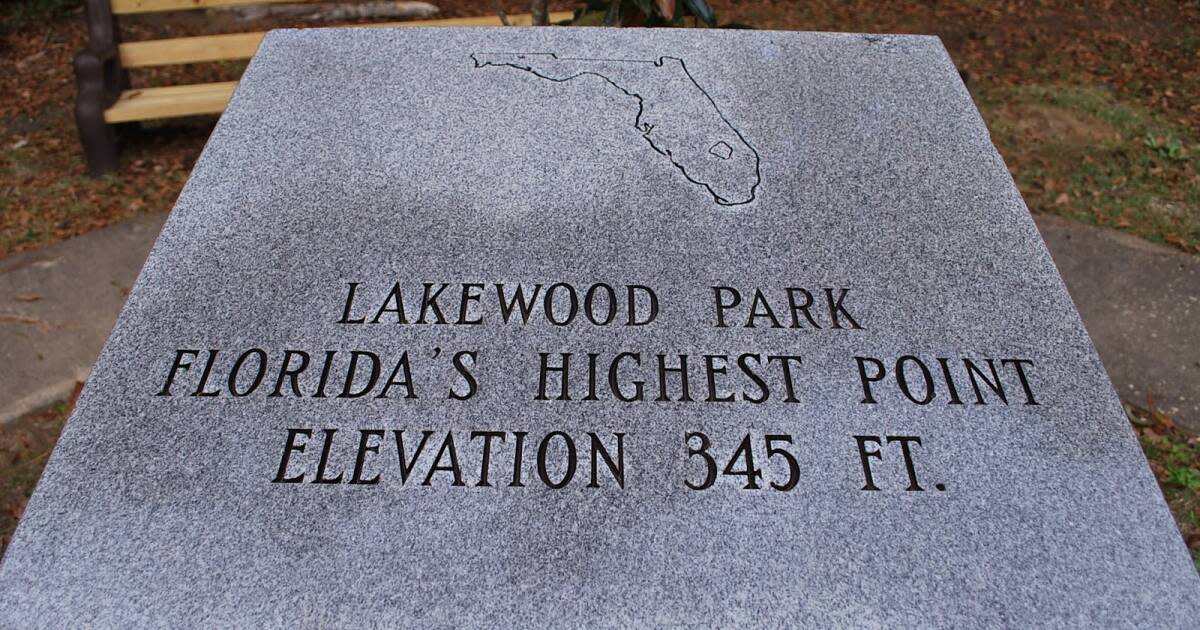
Florida’s highest natural elevation is Britton Hill, a modest rise situated in the northern reaches of the state, specifically in Walton County. Reaching an elevation of just 345 feet (105 meters) above sea level, Britton Hill holds the unique distinction of being the lowest “high point” of any state in the United States. Far from a challenging summit expedition, a visit to Britton Hill offers a delightful and easily accessible experience, making it a popular destination for “highpointers” – individuals dedicated to visiting the highest natural point in each U.S. state – and curious travelers alike.
Unveiling Florida’s Highest Peak: Britton Hill
The journey to discover Florida’s highest point is less about conquering a mountain and more about appreciating a subtle geographical anomaly. Britton Hill is a testament to the state’s predominantly flat topography, yet it provides a unique landmark that draws visitors to an often-overlooked corner of the Florida Panhandle.
The Modest Majesty of Britton Hill
At 345 feet (105 meters) above sea level, Britton Hill doesn’t exactly conjure images of the majestic peaks of the Rocky Mountains or the Appalachian Mountains. Instead, it embodies a gentle rise within a landscape defined by its closeness to the ocean. For many, the allure lies precisely in this modesty. It’s a geographical curiosity, a high point that you can literally walk up to without breaking a sweat, making it an ideal family-friendly landmark and a quick, satisfying stop on a longer road trip through the southern United States.
The hill itself is part of a larger geographic feature known as the Central Highlands, a region characterized by rolling hills and ridges that extend into Alabama and Georgia. This subtle elevation offers a refreshing change from the coastal plains and marshlands for which Florida is famous. While it lacks dramatic vistas from its summit, its significance as a state high point adds an intriguing layer to Florida’s diverse natural attractions.
A National Rarity: The Lowest High Point
What truly sets Britton Hill apart on a national scale is its status as the lowest state high point. This fact alone makes it a destination for travelers seeking to complete the unique challenge of visiting all 50 state high points. For these dedicated adventurers, Britton Hill is a pivotal stop, offering an easily achievable milestone on their cross-country journey.
Comparing Britton Hill’s 345 feet to Mount Whitney’s 14,505 feet in California or Denali’s 20,310 feet in Alaska highlights the sheer diversity of American landscapes. This contrast underscores Florida’s unique geological story, largely shaped by ancient sea levels and sediment deposits rather than tectonic plate movements. Understanding this geological context enhances the appreciation for what Britton Hill represents: a defining characteristic of the Sunshine State’s very foundation.
The Journey to the Summit: Lakewood Park
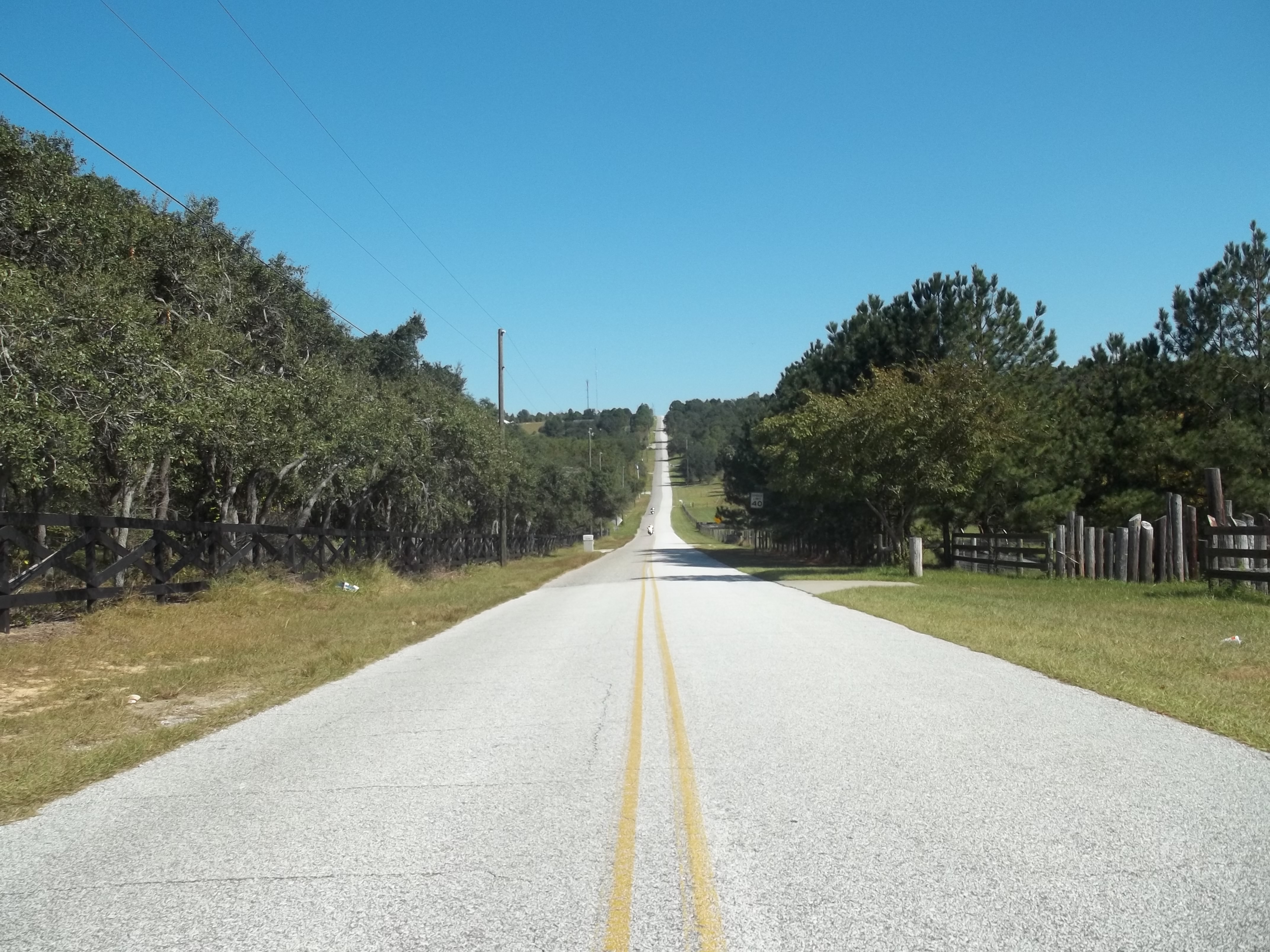
The actual “summit” of Britton Hill is nestled within Lakewood Park, a small, well-maintained recreational area designed to celebrate this geographical landmark. The park is located near the small community of Florala, just a stone’s throw from the Alabama border. Visitors can drive directly to a parking area, from which a short, paved path leads to the high point marker.
At the summit, you’ll find a monument with a bronze plaque commemorating Britton Hill, along with a small stone cairn. The park also features a picnic area, restrooms, and a short walking trail through a peaceful, wooded environment. It’s a serene spot, perfect for a picnic lunch or a moment of reflection. The lack of strenuous hiking makes it accessible to everyone, from young children to seniors, ensuring that the experience of reaching Florida’s highest point is enjoyable for all. The ease of access makes it a prime example of accessible landmarks for travelers of all abilities.
Florida’s Unique Topography: Beyond the Beaches
While Britton Hill stands as the highest natural point, it is merely one fascinating facet of Florida’s broader geological narrative. The state’s landscape is defined not by towering peaks, but by a delicate interplay of ancient seas, shifting sands, and a vast underground aquifer that gives rise to its renowned springs and sinkholes.
The Geology Behind the Flatness
Florida’s remarkable flatness is a direct result of its geological history. For millions of years, the state was largely submerged under shallow seas. As these seas receded and advanced over geological time, they deposited vast layers of marine sediments, primarily limestone, shell fragments, and sand. This process created a relatively uniform, flat landmass. The highest elevations, like Britton Hill and other subtle ridges in the northern and central parts of the state, are remnants of ancient sand dunes or slightly uplifted areas that escaped erosion.
The underlying limestone platform is porous, allowing rainwater to seep through and form the massive Floridan Aquifer, one of the world’s most productive aquifers. This geological feature is responsible for the state’s abundant freshwater springs and intricate cave systems, which, while underground, represent another dimension of Florida’s fascinating and often hidden topography.
Beyond Britton Hill: Other Notable Elevations
While Britton Hill claims the title of the highest natural point, Florida does have other elevated areas and unique geological formations that are worth noting. Central Florida, for instance, features a series of ridges, such as the Lake Wales Ridge and the Davenport Ridge, which reach elevations of around 200-250 feet. These ridges are ancient sand dunes formed when sea levels were higher. They host unique ecosystems, including sand scrub habitats, which are home to many endemic species found nowhere else on Earth.
Man-made elevations also play a role in Florida’s landscape, particularly within its famous theme parks. Attractions like Expedition Everest at Disney’s Animal Kingdom or the various “mountains” at Universal Orlando Resort offer the sensation of climbing to impressive heights, albeit artificially constructed. These engineering marvels, while not natural, provide elevated experiences that millions of tourists enjoy annually, adding to the state’s diverse appeal.
How Florida’s Landscape Shapes Its Charm
Florida’s low-lying, watery landscape is not a drawback but a defining characteristic that has shaped its unique ecosystems, culture, and attractions. The abundance of wetlands, estuaries, and coastline creates unparalleled biodiversity, from the Everglades National Park’s sawgrass prairies to the vibrant coral reefs off the Florida Keys.
This flat terrain has also facilitated the development of extensive transportation networks, connecting its bustling cities like Miami, Orlando, and Tampa with ease. It allows for broad, accessible beaches along both the Atlantic and Gulf Coasts, which remain the primary draw for millions of tourists each year. The gentle slopes and stable ground also make it an ideal canvas for vast agricultural operations and urban development, contributing significantly to Florida’s economy and lifestyle.
Exploring the Florida Panhandle and Beyond
Visiting Britton Hill offers an excellent excuse to explore the lesser-known, yet incredibly charming, Florida Panhandle. This region, often overlooked by those rushing to Orlando or South Florida, boasts stunning white-sand beaches, historical sites, and a distinct Southern culture.
Attractions Near Britton Hill
While Britton Hill itself is a quick stop, the surrounding area in Walton County and beyond offers a wealth of attractions for travelers.
- Falling Waters State Park: Located a short drive south near Chipley, this park is home to Florida’s highest waterfall. The 73-foot waterfall plunges into a 100-foot-deep, 20-foot-wide cylindrical sinkhole, creating a unique and captivating natural spectacle. The park also offers camping, hiking trails, and picnic areas.
- Florida Caverns State Park: Near Marianna, this is the only dry cave open to the public in Florida. Guided tours explore impressive formations of stalactites, stalagmites, and flowstones, offering a rare glimpse into the underground wonders of the state’s limestone geology.
- Coastal Gems of the Panhandle: The world-famous sugar-white beaches and emerald waters of the Gulf Coast are within a reasonable drive from Britton Hill. Towns like Destin, Seaside, Rosemary Beach, and Panama City Beach offer resorts, luxury villas, family-friendly attractions, water sports, and exquisite dining. The scenic Highway 30A in South Walton is particularly renowned for its charming coastal communities and pristine natural beauty, perfect for a relaxing retreat.
Planning Your Visit to Florida’s Highest Point
Visiting Britton Hill is straightforward. It’s easily accessible by car, often incorporated into road trips along Interstate 10 (I-10), which runs across the Florida Panhandle.
- Location: Lakewood Park on County Road 285, approximately 2 miles south of the Alabama border.
- Best Time to Visit: The Florida Panhandle experiences mild winters and hot, humid summers. Spring (March-May) and Fall (September-November) offer the most pleasant weather for exploring, with comfortable temperatures and lower humidity.
- What to Bring: Sunscreen, insect repellent (especially in warmer months), comfortable shoes for light walking, and a camera to capture the unique landmark. A picnic lunch is also a great idea to enjoy at Lakewood Park.
Accommodations and Travel Tips
For those looking to extend their stay near Britton Hill or explore the wider Florida Panhandle, a range of accommodation options awaits.
- Nearby Towns: Small towns like DeFuniak Springs or Chipley offer a few local hotels and motels, providing a convenient base for exploring the immediate vicinity of Britton Hill. For a more robust selection, Marianna or Tallahassee (the state capital, about an hour and a half drive east) offer more extensive choices, including chain hotels and boutique inns.
- Coastal Resorts: If your travel plans include a blend of high-pointing and beach relaxation, consider staying in the renowned coastal communities of Destin, South Walton, or Panama City Beach. These areas boast a wide array of luxurious resorts, family-friendly hotels, vacation rentals (villas, apartments), and charming boutique hotels, offering amenities like beachfront access, pools, spas, and gourmet dining experiences. Booking in advance, especially during peak season (spring break, summer), is highly recommended.
- Lifestyle Choices: The Florida Panhandle caters to various travel lifestyles. Budget travelers can find affordable motels and campsites, while those seeking luxury can indulge in upscale resorts and private vacation homes. Family trips will appreciate the many kid-friendly attractions and spacious accommodations, while business travelers might find suitable hotels in cities like Tallahassee.
The Allure of the Sunshine State: More Than Just Hills
While Britton Hill provides a unique geographical talking point, it is just one small piece of the grand tapestry that makes Florida one of the world’s most beloved travel destinations. The state’s true allure lies in its unparalleled diversity, offering experiences that cater to every type of traveler.
From Elevated Views to Underwater Worlds
Florida might not have towering mountains, but it compensates with its vibrant coastal scenery, lush wetlands, and abundant water-based activities. From the “heights” of Britton Hill to the depths of its crystal-clear springs and the warm waters of the Gulf of Mexico and Atlantic Ocean, the state offers a remarkable range of natural environments.
Travelers can kayak through mangrove tunnels in the Everglades, dive among colorful marine life in the Keys, swim with manatees in a freshwater spring, or simply relax on miles of pristine beaches. The transition from the gentle slopes of Britton Hill to the vibrant underwater ecosystems highlights the state’s remarkable natural contrasts.

Why Florida Remains a Top Travel Destination
Florida’s enduring popularity as a travel destination stems from its ability to offer a comprehensive and diverse range of experiences.
- World-Class Attractions: From the magic of Walt Disney World Resort and Universal Studios Florida in Orlando to the historic charm of St. Augustine and the vibrant nightlife of Miami Beach, there’s an attraction for every interest.
- Natural Wonders: Beyond Britton Hill, the state boasts national parks, wildlife refuges, and state parks that protect unique ecosystems and offer opportunities for hiking, birdwatching, and eco-tourism.
- Diverse Culture and Cuisine: Florida’s history as a melting pot of cultures is reflected in its food, music, and festivals. From fresh seafood and Cuban influences in South Florida to Southern comfort food in the Panhandle, culinary adventures abound.
- Accessibility and Infrastructure: With numerous international airports and an extensive road network, navigating Florida is relatively easy, making it an ideal destination for both domestic and international travelers.
- Accommodation Variety: Whether you seek luxury suites, family-friendly resorts, budget-friendly hotels, or unique boutique apartments, Florida’s accommodation sector is vast and varied, ensuring every traveler finds their perfect stay.
In conclusion, while Britton Hill may not be a soaring peak, it is a significant landmark that beautifully encapsulates Florida’s distinctive geography. It invites travelers to venture off the well-trodden paths to experience a different side of the Sunshine State – one that offers quiet natural beauty, intriguing geological insights, and a gateway to the charms of the Florida Panhandle. It serves as a gentle reminder that even in a state known for its flatness, there are still unique elevations to discover and celebrate.
LifeOutOfTheBox is a participant in the Amazon Services LLC Associates Program, an affiliate advertising program designed to provide a means for sites to earn advertising fees by advertising and linking to Amazon.com. Amazon, the Amazon logo, AmazonSupply, and the AmazonSupply logo are trademarks of Amazon.com, Inc. or its affiliates. As an Amazon Associate we earn affiliate commissions from qualifying purchases.