
Florida, a state renowned for its sun-drenched beaches, vibrant theme parks, and welcoming atmosphere, also offers significant financial benefits to its residents, particularly homeowners. Among the most impactful is the Homestead Exemption, a powerful property tax advantage that can substantially reduce your annual tax burden. This guide delves into what the Homestead Exemption is in Florida, who qualifies, how to apply, and the various benefits it provides, making it an essential piece of knowledge for any Florida homeowner, whether you’re a long-term resident or a newcomer drawn to the Sunshine State for its lifestyle opportunities, including its diverse range of accommodations from luxury resorts to charming villas.
Understanding the Core Benefit: Property Tax Relief
At its heart, the Homestead Exemption is a legal provision designed to protect homeowners from excessive property tax increases. In Florida, this exemption offers two primary forms of relief:
The Basic Homestead Exemption: A Significant Reduction
The most common and widely accessible benefit is the basic Homestead Exemption. This exemption reduces the taxable value of your primary residence by $50,000. This means that if your home is appraised at, say, $300,000, the Homestead Exemption would reduce its taxable value to $250,000, leading to a direct decrease in your property tax bill. This reduction is applied uniformly across the state, providing a baseline of savings for eligible homeowners.
Additional Exemptions and Their Impact
Beyond the basic exemption, Florida offers additional homestead exemptions that can further reduce your tax liability, often targeting specific groups of homeowners or certain property characteristics. These can include:
- The $5,000 Homestead Exemption: This is a supplementary exemption that is added to the basic $50,000 exemption. It applies to the assessed value of the homestead and can be used to offset taxes levied by most taxing authorities.
- The “Save Our Homes” Amendment: While not an exemption in the traditional sense, the “Save Our Homes” amendment, passed in 1992, is intrinsically linked to homesteaded properties. It caps the annual increase in assessed value for homesteaded properties at the lower of 3% or the percentage change in the Consumer Price Index (CPI). This is a crucial protection against rapid and unsustainable increases in property taxes, especially in rapidly appreciating real estate markets, common in popular travel destinations like Miami or the Florida Keys. This amendment ensures that even as property values rise, your tax bill grows at a much more manageable rate.
- Specific Exemptions for Specific Groups: Florida also provides enhanced homestead exemptions for certain individuals, such as:
- Veterans with disabilities: Eligible veterans who have a permanent disability due to their service may qualify for additional exemptions, sometimes up to a total exemption from property taxes on their homestead. This recognizes their sacrifice and aims to alleviate financial burdens.
- Surviving spouses: Spouses who have lost their partner may be eligible to retain the deceased spouse’s homestead exemption, providing continuity and financial stability.
- First responders and law enforcement officers: In some counties, specific ordinances may offer additional exemptions to first responders and law enforcement officers, acknowledging their vital roles in the community.
The interplay of these exemptions means that the actual amount of tax savings can vary significantly depending on your property’s value, the taxing authorities in your area, and your personal circumstances. Understanding these nuances is key to maximizing your benefit.
Eligibility Requirements: Who Can Claim the Homestead Exemption?
To benefit from Florida‘s Homestead Exemption, you must meet specific criteria. These requirements are designed to ensure that the exemption is reserved for bona fide residents who own and occupy their homes as their primary dwelling.
Primary Residence: The Cornerstone of Eligibility
The most critical requirement is that the property must be your permanent residence. This means it’s the place you intend to live indefinitely and where you spend the majority of your time. You cannot claim Homestead Exemption on multiple properties, vacation homes, rental properties, or vacant land. This principle is fundamental to the exemption’s purpose of protecting the primary home of Florida residents.
Ownership and Occupancy Dates
You must own the property and have occupied it as your permanent residence by January 1st of the tax year for which you are applying. For instance, to receive the exemption for the 2024 tax year, you must have owned and resided in the property by January 1, 2024. This date is crucial and applies to both new applications and renewals.
Florida Residency: Establishing Your Connection
You must establish Florida residency. This involves demonstrating your intent to make Florida your permanent home. This can be evidenced by various factors, including:
- Registering to vote in Florida.
- Obtaining a Florida driver’s license or state identification card.
- Registering a vehicle in Florida.
- Enrolling children in Florida schools.
- Filing Florida income tax returns (if applicable, as Florida has no state income tax).
- Opening Florida bank accounts.
- Listing the property as your mailing address.
The county property appraiser’s office will review these factors to determine your Florida residency. It’s important to be able to substantiate your claim of permanent residence in Florida. This is particularly relevant for individuals who may split their time between Florida and another state, perhaps for business stays or during cooler months.
Age and Disability (for Additional Exemptions)
As mentioned earlier, specific additional exemptions may have further requirements, such as age or a documented disability rating from the U.S. Department of Veterans Affairs or the Social Security Administration.
The Application Process: Securing Your Exemption
Applying for the Homestead Exemption is a straightforward process, but it requires timely action.
Where and When to Apply
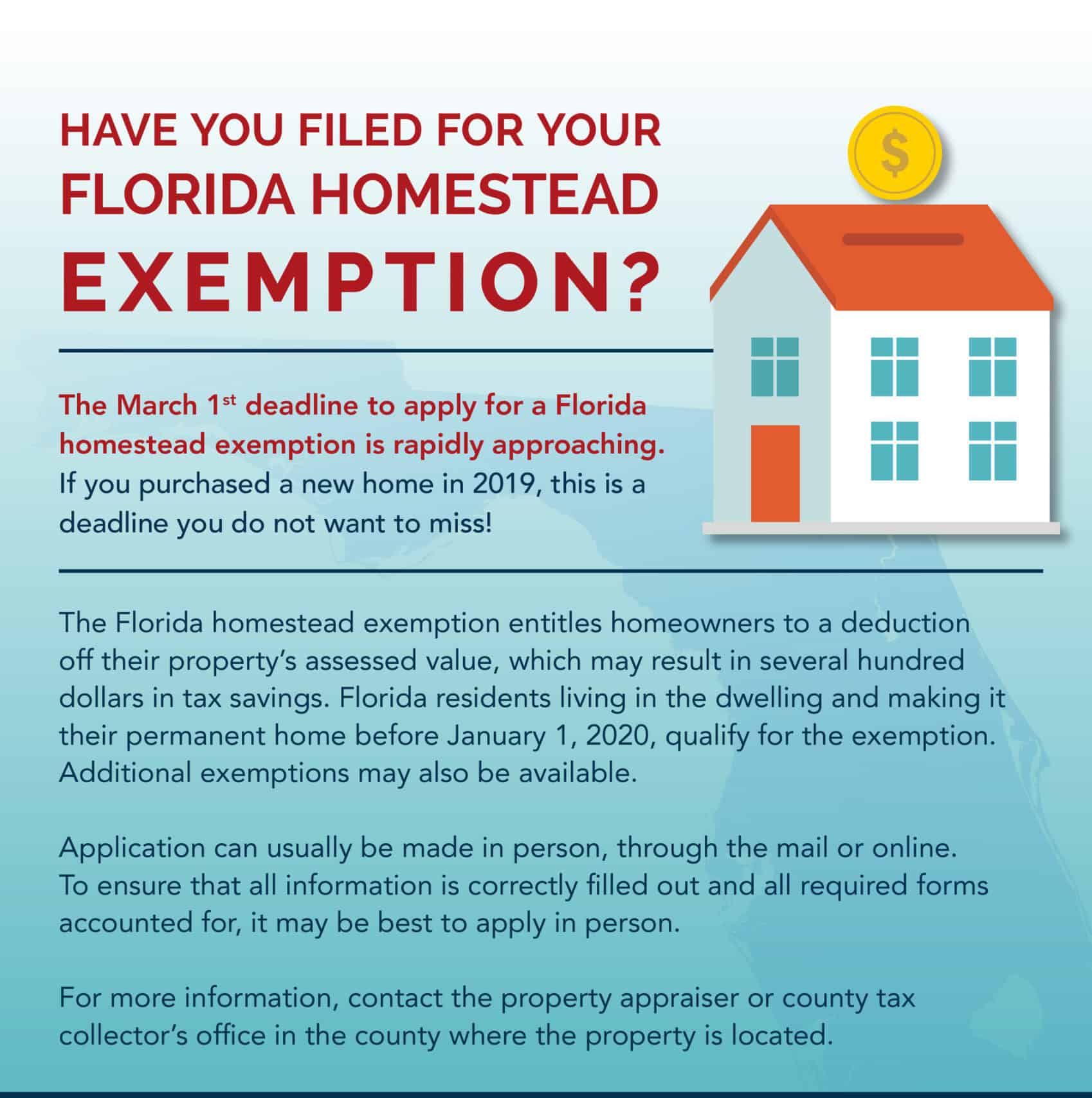
Applications are filed with the county property appraiser’s office where the property is located. The application period opens on January 1st of each year and typically closes on March 1st. However, if you miss the deadline, you can usually file an application for the following year. It’s crucial to mark these dates on your calendar.
Required Documentation
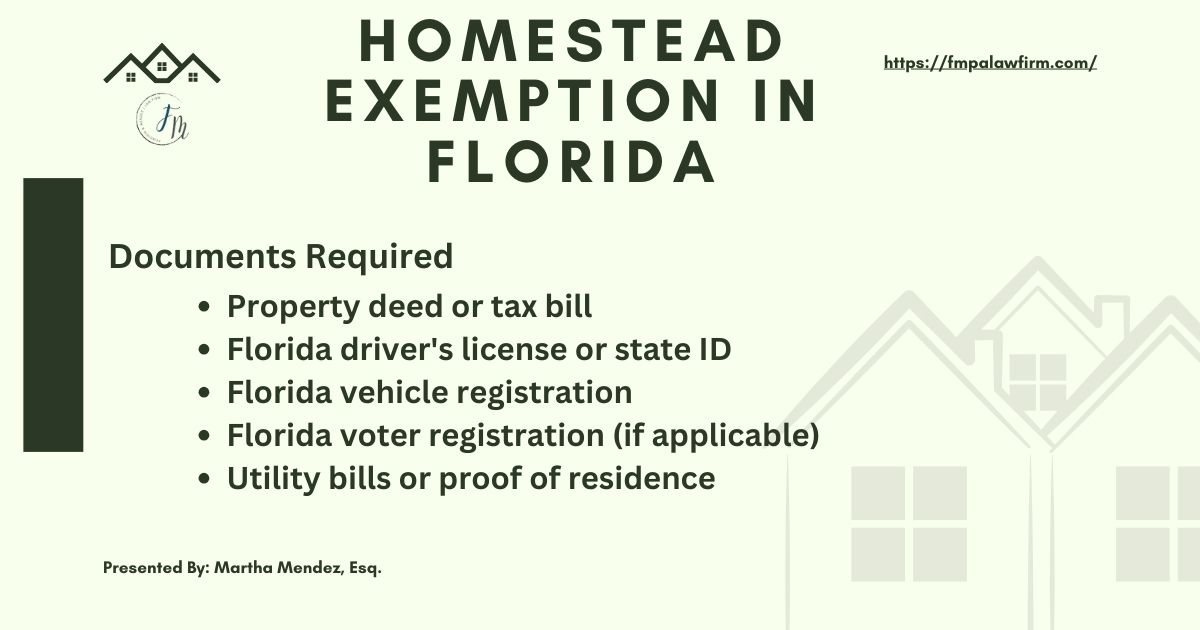
When applying, you will typically need to provide:
- Proof of ownership: This could be a deed or other legal document showing you own the property.
- Proof of residency: This includes documentation such as a Florida driver’s license, vehicle registration, or voter registration card, all showing the homesteaded property as your address.
- Social Security Number: For all owners listed on the deed.
- Vehicle Identification Numbers (VINs): For all vehicles registered in Florida and owned by the applicant.
- Proof of disability or veteran status: If you are applying for additional exemptions based on these criteria.
The specific documents required may vary slightly by county, so it’s advisable to check with your local property appraiser’s office for a definitive list.
Filing for Subsequent Years
Once you have been granted the Homestead Exemption, it generally renews automatically each year, provided you continue to meet the eligibility requirements and your ownership and residency have not changed. However, if you move to a new homesteaded property, you will need to reapply. It is also important to notify the property appraiser if your circumstances change, such as if you start renting out your homesteaded property or establish a primary residence elsewhere. Failure to do so could result in penalties or the revocation of your exemption.
Beyond the Home: How Homestead Exemption Affects Your Lifestyle and Investments
The Homestead Exemption in Florida is more than just a tax break; it plays a significant role in the state’s overall lifestyle and real estate market, impacting everything from how residents approach accommodation to their long-term investment strategies.
Protecting Your Investment and Budget
For Florida homeowners, the exemption provides a crucial layer of financial security. It protects a significant portion of your property’s value from being taxed, making homeownership more affordable and predictable. This predictability is especially valuable in a state that attracts a diverse population, from young families seeking affordable apartments to retirees looking for a stable environment for their golden years. The “Save Our Homes” amendment further shields homeowners from the volatility of the real estate market, ensuring that your home remains a secure and manageable asset. This stability encourages long-term residency and investment in communities.
Influencing Real Estate Decisions
The attractive tax benefits of the Homestead Exemption are a significant draw for individuals considering a move to Florida. Many who relocate for travel and tourism opportunities, or who are drawn by the state’s vibrant culture and array of attractions, find themselves further enticed by the prospect of lower property taxes on their primary residence. This can influence decisions about where to buy property, often favoring areas with excellent school districts or proximity to desirable landmarks and amenities. The exemption contributes to Florida‘s reputation as a tax-friendly state, encouraging both personal and business relocation.
Impact on Rental Properties and Second Homes
It’s important to note that the Homestead Exemption is strictly for primary residences. This means that rental properties, vacation homes, and investment properties do not qualify for this exemption. Property owners of second homes, such as those who own a beachfront villa in Naples or a city condo in Orlando for occasional use or as a rental income source, will be taxed on the full assessed value of these properties. This distinction is vital for property investors and those who enjoy frequent travel and might own multiple properties.

Considerations for Long-Term Stays and Accommodation Choices
For those considering long-term stays in Florida, whether for work, retirement, or extended vacations, understanding the Homestead Exemption is paramount. If you plan to reside in Florida permanently, establishing your homestead can lead to substantial long-term savings. This might influence your choice between renting an apartment or purchasing a home. For those who prefer the flexibility of renting or frequently change their accommodation, the exemption won’t apply. However, for those looking to put down roots, whether in a sprawling resort community or a quieter suburban neighborhood, securing the Homestead Exemption is a critical step in maximizing the financial advantages of living in the Sunshine State.
In conclusion, the Homestead Exemption in Florida is a cornerstone of the state’s property tax system, offering substantial financial relief to homeowners who establish the property as their primary residence. By understanding the eligibility requirements, the application process, and the broader implications, Florida residents can effectively leverage this benefit to enhance their financial well-being and fully enjoy the lifestyle opportunities that this dynamic state has to offer, from its world-class travel destinations to its diverse range of accommodations and enriching cultural experiences.