
In the dynamic world of travel and accommodation, the concept of hospitality stands as the bedrock of success, particularly within the bustling hotel industry. Far more than just providing a room for the night, true hospitality is an intricate art and science focused on creating memorable, positive, and personalized experiences for every guest. It’s about making individuals feel welcome, valued, and cared for, transforming a simple stay into an enriching journey. For hotels, from grand resorts to boutique apartments, understanding and delivering exceptional hospitality is not merely a service; it is the essence of their brand, the driver of loyalty, and the foundation of their reputation. It encompasses every interaction, every amenity, and every detail designed to anticipate and exceed guest expectations, turning first-time visitors into lifelong advocates.

The Core Pillars of Hotel Hospitality
At its heart, hospitality in the hotel industry is built upon several fundamental pillars, each contributing to the overall guest experience. These elements work in concert to ensure that guests not only have their basic needs met but also feel a genuine connection and comfort during their stay.
Personalized Guest Service
One of the most distinguishing features of exemplary hospitality is the ability to deliver personalized guest service. This goes beyond standard politeness; it involves actively listening to guests, anticipating their needs before they even voice them, and tailoring experiences to their individual preferences. Imagine arriving at a Ritz-Carlton property, and the front desk agent remembers your preferred type of pillow or your favorite coffee. This level of attentiveness, whether at a luxury Four Seasons resort or a cozy boutique hotel in Paris, makes guests feel seen and appreciated.
Personalization can manifest in various ways: a concierge recommending local attractions and activities specifically tailored to a family with young children, a hotel in Tokyo offering a specific type of tea that a returning business traveler enjoys, or an MGM Resorts International property recognizing a guest’s past preferences for a suite with a particular view. It involves training staff to observe, communicate effectively, and utilize technology to recall guest histories, ensuring that each interaction feels unique and sincere. This meticulous attention to detail transforms a transactional stay into a relationship, fostering a sense of belonging and trust that encourages repeat visits and positive reviews. It’s about crafting an experience that resonates on an emotional level, making each guest feel like a VIP, whether they are on a budget trip or a luxury getaway.
Creating Memorable Experiences
Hospitality extends far beyond the physical accommodation; it’s about crafting entire experiences that linger in the guest’s memory long after they have checked out. This involves curating unique moments and offering exceptional service that transcends the ordinary. A stay at a hotel should not just be about a comfortable bed, but about the story it tells and the emotions it evokes. Think of a culinary experience at a Taj Hotels property, where local cuisine is presented with flair and cultural insight, or a guided tour arranged by a Hyatt Regency that delves into the hidden gems of a city like Rome.
These memorable experiences can range from surprise upgrades, thoughtful welcome amenities, or assistance with planning special events like proposals or birthday celebrations. It could be the stunning architecture of a hotel near the Eiffel Tower, the serene beauty of a resort in the Maldives, or an immersive cultural activity organized by the hotel that allows guests to connect deeply with the local culture. The objective is to create touchpoints that delight and surprise, turning a standard travel itinerary into an adventure. This focus on experiential travel is particularly vital for today’s tourists, who increasingly seek authentic engagement and unique narratives rather than generic stays. It means going the extra mile, whether arranging a private transfer from the airport, providing comprehensive travel guides, or offering exclusive access to local events.
Operational Excellence and Comfort
While personalization and memorable moments are crucial, they must be underpinned by unwavering operational excellence and a commitment to guest comfort. This pillar of hospitality ensures that all the practical aspects of a stay are seamless, efficient, and of the highest standard. This includes impeccably clean rooms and public spaces, state-of-the-art amenities, and prompt, reliable service. Guests expect a comfortable, safe, and functional environment, and any lapse in these areas can quickly undermine even the most personalized gestures.
Consider the seamless booking process, the efficiency of check-in and check-out, the responsiveness of housekeeping, and the reliability of Wi-Fi. A well-maintained Hilton property, for instance, prides itself on consistent service standards across its global portfolio. From the ergonomic design of hotel suites and apartments to the luxurious feel of bath linens and the quality of in-room dining, every detail contributes to the overall perception of comfort and care. Safety and security are also paramount, with robust protocols in place to protect guests and their belongings. For those on business stays, amenities like fully equipped business centers, quiet meeting rooms, and reliable transport links become essential. For families, child-friendly facilities and services are key. This foundational operational excellence ensures that guests can relax and enjoy their stay without any practical concerns, knowing that their well-being is a top priority.
Understanding Diverse Guest Needs
The hotel industry serves a vast and varied clientele, each with unique motivations, expectations, and budgets. True hospitality necessitates a deep understanding and appreciation of these diverse guest needs. Hotels must be adept at catering to business travelers seeking efficiency and connectivity, leisure travelers looking for relaxation and adventure, families requiring child-friendly amenities, and luxury travelers expecting exclusivity and indulgence.
For instance, a hotel in New York City might have dedicated services for corporate clients, including express check-in and premium internet, while a resort in France could focus on romantic getaways with spa treatments and gourmet dining. Budget hotels emphasize value and essential comforts, while luxury villas offer bespoke services and private chefs. Understanding these segments allows hotels to tailor their offerings, from the design of their rooms (e.g., accessible suites for guests with disabilities) to the range of services available (e.g., pet-friendly policies, multi-lingual staff). This adaptability is key to attracting and satisfying a broad spectrum of guests and ensuring that every visitor, regardless of their travel style or purpose, feels genuinely welcomed and understood.
Why Hospitality Matters: Impact on Business and Brand
Exceptional hospitality is not merely a desirable trait; it is a critical business imperative that directly impacts a hotel’s financial health, market position, and long-term viability. It’s the silent force that distinguishes leaders in the accommodation sector from their competitors.
Driving Guest Loyalty and Repeat Business
In an increasingly crowded market, guest loyalty is a gold standard, and outstanding hospitality is the most effective way to achieve it. When guests experience personalized service, comfort, and memorable moments, they are far more likely to return to that specific hotel or brand. A positive experience at a Marriott International property in one city can inspire confidence to book another Marriott International hotel in a different country. This repeat business forms a stable revenue stream, reducing the costs associated with constantly acquiring new customers.
Furthermore, delighted guests become powerful advocates through word-of-mouth recommendations and glowing online reviews. In the age of social media and review platforms, a single positive review detailing an exceptional experience can influence hundreds, if not thousands, of potential new bookings. Conversely, a poor hospitality experience can lead to negative reviews that deter future guests. Hotels that consistently prioritize guest satisfaction build a loyal community that not only returns but also actively promotes the brand, offering invaluable social proof and credibility. This makes comparison and booking easier for future guests, knowing they are in good hands.
Enhancing Brand Reputation and Competitiveness
A hotel’s reputation is inextricably linked to the quality of its hospitality. Brands like Shangri-La Hotels and Resorts or Peninsula Hotels have cultivated their esteemed reputations largely through their unwavering commitment to superior guest service. A strong reputation attracts not only guests but also top talent, as employees are drawn to work for companies known for excellence and positive work environments. This creates a virtuous cycle where dedicated staff deliver better service, further enhancing the brand.
In a competitive market where new hotels and accommodation options emerge constantly, hospitality serves as a key differentiator. While physical amenities can be replicated, the genuine warmth, attentiveness, and personalized care that define true hospitality are much harder to imitate. It gives a hotel a distinct competitive edge, allowing it to command higher prices and maintain robust occupancy rates even during challenging economic times. For those seeking long-term stays, a reliable and reputable brand is often a deciding factor, offering peace of mind.
The Role of Technology in Modern Hospitality
Technology has revolutionized how hospitality is delivered, enabling hotels to enhance personalization, streamline operations, and connect with guests in innovative ways. From advanced booking systems and mobile check-ins to smart room features and AI-powered concierge services, technology facilitates a more efficient and customized guest journey. Guests can use apps to unlock their doors, adjust room temperature, order room service, or even book local activities, all from their smartphones.
Data analytics allows hotels to gain deeper insights into guest preferences, enabling them to offer highly targeted promotions and personalized recommendations. For example, a hotel might use past stay data to suggest a specific restaurant to a guest arriving in London or recommend a spa treatment based on their booking history. While technology enhances efficiency and personalization at scale, it’s crucial to remember that it should support human interaction, not replace it. The most successful hotels integrate technology seamlessly to free up staff to focus on genuine human connection and problem-solving, ensuring that the essence of hospitality remains personal and authentic.
Cultivating a Culture of Hospitality: Training and Leadership
Exceptional hospitality doesn’t happen by accident; it is the deliberate outcome of a strong organizational culture that values and champions guest satisfaction. This culture is nurtured through effective training, clear communication, and inspired leadership.
Empowering Staff to Deliver Exceptional Service
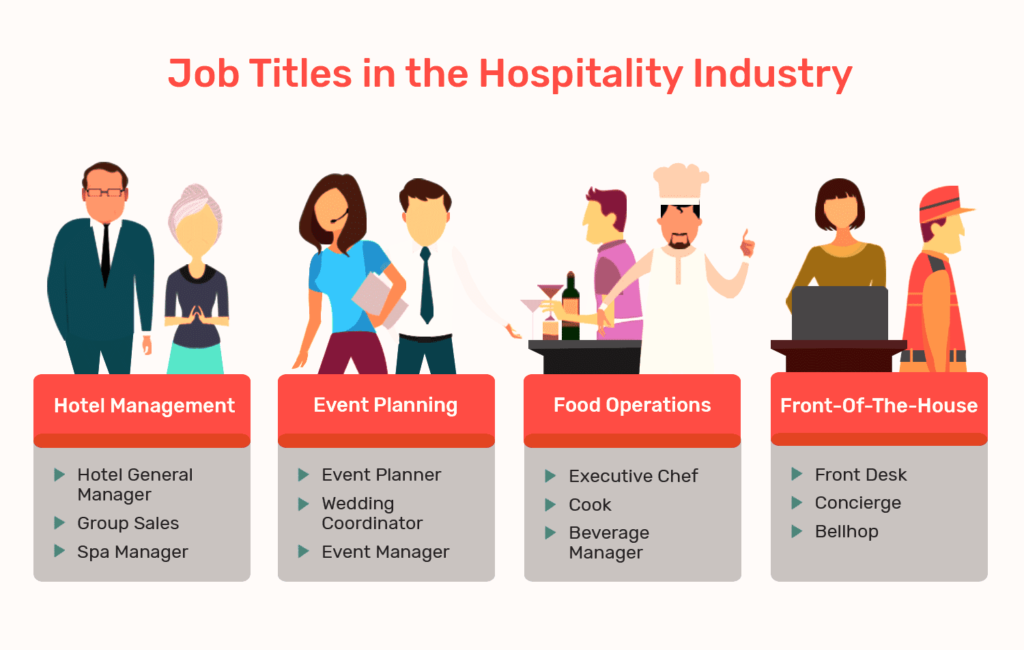
The frontline staff—from the bellhop to the front desk agent, the housekeeper to the restaurant server—are the true ambassadors of a hotel’s hospitality. Their interactions directly shape the guest experience. Therefore, empowering these employees with the right training, tools, and autonomy is crucial. Training should go beyond operational procedures to include empathy, problem-solving skills, and cross-cultural communication. Staff should feel confident in their ability to resolve guest issues promptly and effectively, without always needing to seek managerial approval.
When employees are empowered and feel valued, they are more likely to take initiative and go above and beyond for guests. This could mean a staff member at a Singapore hotel helping a lost tourist find their way to Marina Bay Sands even if it’s outside their direct responsibility, or a waiter in Italy surprising a guest with a complimentary dessert to celebrate an occasion. Recognizing and rewarding such initiative reinforces the desired behaviors and fosters a proactive, service-oriented mindset throughout the team.
Leadership’s Role in Shaping Hospitality Values
The leadership team plays an indispensable role in defining, upholding, and embodying a hotel’s hospitality values. Leaders must not only articulate the vision for guest service but also model it through their own actions and decisions. They set the tone, create the environment, and provide the resources necessary for staff to excel. This includes investing in continuous training, fostering open communication, and creating a supportive work environment where employees feel respected and motivated.
A strong leader understands that a happy and engaged staff is the prerequisite for happy guests. They lead by example, demonstrating empathy, professionalism, and a genuine commitment to excellence. Regular feedback, performance reviews focused on service quality, and opportunities for professional development are all critical components of leadership’s role. When leadership prioritizes hospitality, it permeates every aspect of the operation, from strategic planning to daily routines, ensuring that guest satisfaction remains at the forefront of every decision.
The Future of Hospitality: Adapting to Evolving Expectations
The hotel industry is constantly evolving, driven by changing consumer behaviors, technological advancements, and a growing global consciousness. Hospitality must adapt to these shifts to remain relevant and continue delivering exceptional experiences.
Sustainability and Responsible Tourism
Increasingly, guests are seeking hotels that demonstrate a commitment to sustainability and responsible tourism. This involves implementing eco-friendly practices, such as reducing waste, conserving water and energy, and sourcing local produce. A hotel in Japan near Mount Fuji that promotes responsible hiking or a property in the United States that supports local community projects embodies this trend. Guests are not only looking for comfort but also for ethical practices that align with their values.
Hospitality in the future will involve transparent communication about these efforts, engaging guests in sustainable practices, and creating experiences that benefit both the environment and local communities. This includes promoting local culture, supporting local businesses, and ensuring that tourism has a positive impact on the destination. Hotels that embrace these principles not only enhance their brand image but also contribute to a more sustainable future for travel.
Hyper-Personalization and Experiential Travel
While personalization is already a core pillar, the future points towards hyper-personalization, where technology and human insight combine to create truly bespoke experiences. Imagine a digital concierge that learns your preferences over multiple stays, suggesting activities, dining options, and even room configurations perfectly suited to your tastes. This level of anticipatory service will become a key differentiator.
Furthermore, experiential travel will continue to dominate, with guests prioritizing unique activities and cultural immersion over generic sightseeing. Hotels will evolve into experience hubs, offering curated tours, workshops, and access to local experts. Whether it’s a cooking class led by a local chef, an art workshop, or an adventure excursion, the emphasis will be on creating authentic, shareable moments. The challenge for hospitality providers will be to seamlessly integrate these diverse offerings, ensuring that every touchpoint contributes to a cohesive and unforgettable narrative for the guest.
Conclusion
Hospitality in the hotel industry is a multifaceted concept that goes far beyond merely offering a place to sleep. It is the art of making guests feel valued, understood, and genuinely cared for, encompassing everything from personalized service and memorable experiences to operational excellence and a culture of genuine warmth. It’s the reason why a visit to a landmark like the Burj Khalifa in Dubai is complemented by the impeccable service of a nearby hotel, or why a business trip to London feels more enriching when staying at an establishment that anticipates your needs.
Ultimately, exceptional hospitality is the cornerstone of a successful hotel business, driving guest loyalty, enhancing brand reputation, and fostering a competitive edge. As the travel landscape continues to evolve, embracing sustainability, leveraging technology, and committing to continuous staff empowerment will ensure that the spirit of hospitality remains vibrant and central to the guest experience. It is this enduring commitment to human connection and service that transforms a mere transaction into a cherished memory, truly defining what it means to be hospitable in the bustling world of hotels.
LifeOutOfTheBox is a participant in the Amazon Services LLC Associates Program, an affiliate advertising program designed to provide a means for sites to earn advertising fees by advertising and linking to Amazon.com. Amazon, the Amazon logo, AmazonSupply, and the AmazonSupply logo are trademarks of Amazon.com, Inc. or its affiliates. As an Amazon Associate we earn affiliate commissions from qualifying purchases.