
The California Roll. For many across the globe, this seemingly simple sushi roll represents their very first encounter with the fascinating world of Japanese cuisine. Far from its traditional roots, this iconic creation has carved out a unique place in culinary history, becoming a universal ambassador for sushi and a testament to gastronomic innovation. But what exactly goes into this delightful roll that has captured so many hearts and palates, and how does it intertwine with the broader tapestry of travel, tourism, and lifestyle experiences? Let’s embark on a flavorful journey to uncover the secrets of the California Roll.
The Core Components: Unpacking the Classic California Roll
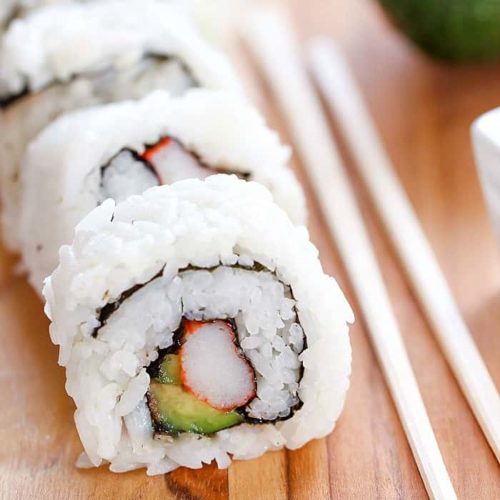
At its heart, the California Roll is a masterpiece of balance, combining contrasting textures and complementary flavors into a harmonious bite. Unlike traditional Japanese sushi, which often places seaweed (nori) on the outside, the California Roll famously adopts the uramaki style, meaning the rice is on the exterior, with the nori carefully tucked inside. This seemingly minor alteration was, in fact, a stroke of genius that helped introduce sushi to a skeptical Western audience.
A Symphony of Simple Ingredients
The classic California Roll is characterized by a core set of ingredients, each playing a crucial role in its distinct identity:
- Sushi Rice: The foundation of any sushi, the rice for a California Roll is meticulously prepared. It’s a short-grain white rice, cooked to perfection, then seasoned with a delicate blend of rice vinegar, sugar, and salt. This gives it that signature slightly sweet, tangy, and subtly sticky quality that holds the roll together and provides a comforting base for the other fillings.
- Nori (Seaweed): While the rice forms the outer layer, a sheet of dried seaweed, or nori, is essential. It’s positioned between the rice and the inner fillings, providing a subtle umami flavor, a slight chewiness, and crucial structural integrity. For those unfamiliar with sushi, having the nori on the inside made the roll less intimidating and more approachable.
- Imitation Crab (Surimi): Perhaps the most defining ingredient, imitation crab is a processed seafood product made from surimi, typically Alaskan pollock, flavored and shaped to resemble crab meat. Its mild, sweet flavor and flaky texture are instantly recognizable. While some upscale versions may use real crab meat – often snow crab or Dungeness crab – the imitation variety remains the classic choice, contributing to the roll’s accessibility and consistent taste.
- Avocado: The creamy, buttery texture of ripe avocado is a game-changer in the California Roll. It adds a rich mouthfeel, a subtle nutty flavor, and a vibrant green hue, beautifully complementing the other ingredients. The avocado was a crucial element in appealing to Western palates, which appreciated its familiar richness.
- Cucumber: Providing a refreshing crunch and a clean, crisp counterpoint to the richness of the avocado and crab, the cucumber (often cut into thin matchsticks) adds a vital textural contrast. It brightens the overall flavor profile, preventing the roll from feeling too heavy.
- Toasted Sesame Seeds or Tobiko/Masago: The final flourish for many California Rolls is an outer coating. Toasted sesame seeds, either white or black, add a nutty aroma and a delicate crunch. Alternatively, some rolls are adorned with flying fish roe (Tobiko) or capelin roe (Masago), which introduce a burst of oceanic flavor and a delightful popping sensation with each bite, elevating the experience.
Together, these ingredients create a symphony of flavors and textures – the soft rice, the creamy avocado, the flaky crab, and the crisp cucumber, all bound by the subtle embrace of nori and finished with a delicate outer layer. It’s a combination that has proven irresistible to millions, making it a staple on sushi menus worldwide.
A Culinary Journey: Tracing the Origins and Global Impact
The story of the California Roll is not just about its ingredients; it’s a fascinating narrative of cultural exchange, culinary adaptation, and widespread popularization. Its genesis marks a pivotal moment in the global expansion of Japanese cuisine, transforming sushi from an exotic novelty into a mainstream dining experience.
Birthplace of an Icon: California’s Innovative Spirit
While the exact origins are debated, most culinary historians point to Los Angeles, California, as the birthplace of this innovative roll in the late 1960s or early 1970s. The prevailing theory credits either Noritoshi Kanai, who was associated with the restaurant Tokyo Kaikan in Little Tokyo, or Ichiro Mashita, a chef at the same establishment, with its invention.
The motivation behind its creation was simple yet profound: to appeal to the tastes of a largely unfamiliar Western clientele. Raw fish, a cornerstone of traditional sushi, was still a foreign concept to many Americans. Furthermore, the dark, visible seaweed on the outside of traditional maki rolls was sometimes perceived as unappetizing. The solution was ingenious:
- Introduce familiar ingredients: Avocado, a staple in California, and imitation crab, a mild and accessible seafood option, replaced more exotic raw fish.
- Flip the roll (Uramaki style): By placing the rice on the outside, the intimidating dark nori was hidden, making the roll visually more appealing and less daunting.
This adaptation was a game-changer. It offered a palatable entry point for those hesitant to try traditional sushi, effectively bridging a cultural gap. The California spirit of innovation, openness to new ideas, and a focus on consumer preference, provided the perfect incubator for this culinary revolution.

From Local Delicacy to Global Phenomenon
What began as a local adaptation in Los Angeles quickly transcended its humble beginnings. The California Roll’s popularity exploded throughout the United States in the 1980s and 1990s, becoming a standard offering on virtually every sushi menu, from casual eateries to high-end Japanese restaurants found within luxury hotels. Its success paved the way for countless other fusion rolls, encouraging chefs to experiment with non-traditional ingredients and techniques.
Soon, its influence spread internationally. You can find California Rolls served in London, Sydney, Dubai, and even in Tokyo itself – though in Japan, it’s often viewed as an “American roll,” a testament to its successful Westernization. Its ubiquity is a powerful example of how culinary innovations can travel across borders, adapt to local tastes, and ultimately shape global food trends. This roll didn’t just introduce sushi; it democratized it, making it accessible and enjoyable for a broader demographic, thereby fueling a worldwide appreciation for Japanese cuisine.
Beyond the Basics: California Rolls in the Modern Culinary Landscape
The California Roll’s enduring appeal lies not only in its classic composition but also in its remarkable adaptability. It has evolved, inspired new creations, and remains a vibrant part of the global culinary scene, especially for travelers exploring diverse food cultures.
Variations and Evolutions: The Californian Legacy
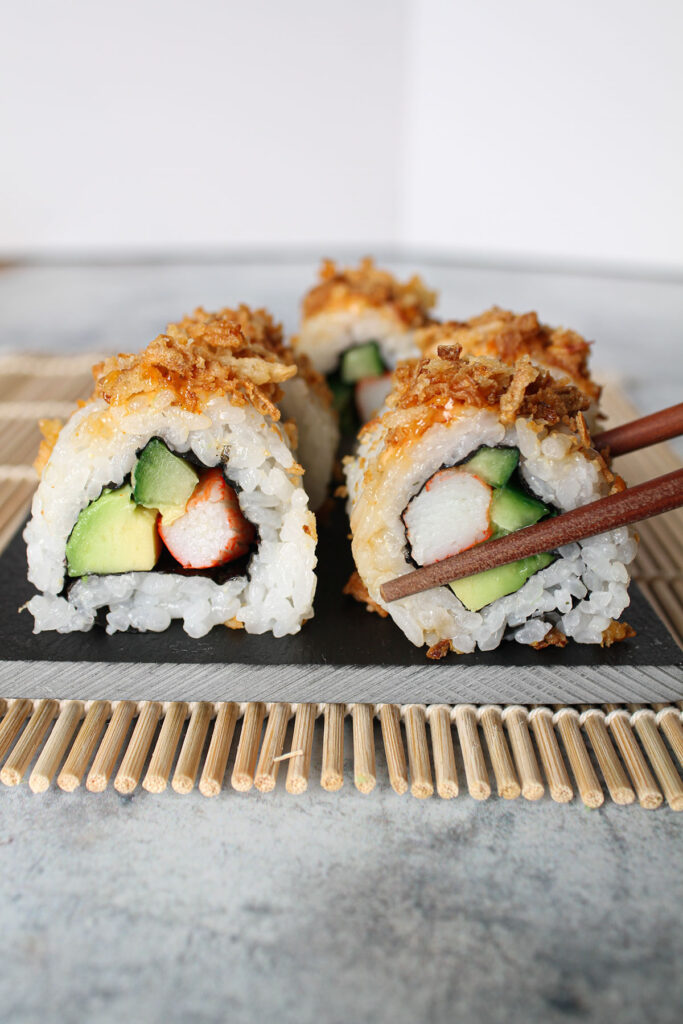
The success of the original California Roll naturally led to a myriad of variations, each building upon its foundational concept. Chefs around the world have taken the base idea and infused it with local flavors and creative twists. Some popular variations include:
- Real Crab California Roll: Elevating the experience, many establishments opt for premium real crab meat (such as snow crab or Dungeness crab) instead of imitation crab, offering a richer, more authentic seafood flavor.
- Spicy California Roll: A dash of spicy mayonnaise or sriracha mixed with the crab meat adds a fiery kick for those who enjoy a bit of heat.
- Philadelphia Roll: While distinct, the Philadelphia Roll (with cream cheese, smoked salmon, and cucumber or avocado) is a clear descendant, demonstrating how non-traditional ingredients could be successfully integrated into sushi.
- Rainbow Roll and Dragon Roll: These more elaborate rolls often use a California Roll as their base, adding slices of various fish (tuna, salmon, yellowtail) or eel and avocado on top, creating visually stunning and complex flavor profiles.
These evolutions highlight the California Roll’s role as a culinary springboard. It demonstrated that sushi could be flexible, appealing to a broader audience without compromising on quality or creativity, paving the way for the diverse and often experimental sushi menus we see today.
Where to Savor: Experiencing the California Roll as a Traveler
For the discerning traveler, discovering a great California Roll isn’t just about satisfying a craving; it’s an opportunity to engage with local food culture, explore vibrant neighborhoods, and experience different facets of hospitality. Whether you’re a luxury traveler or on a budget adventure, the California Roll can be a part of your culinary exploration.
When planning your travels, consider cities renowned for their Japanese dining scenes. Naturally, a trip to Los Angeles offers the chance to experience the roll in its birthplace. Explore Little Tokyo for a blend of traditional and fusion Japanese eateries, where you can perhaps compare a classic roll to its modern interpretations. In San Francisco, New York City, or even major European capitals like London or Paris, high-end sushi restaurants are often found within or adjacent to upscale hotels, offering a sophisticated dining experience. Many Four Seasons or Hyatt Regency properties, for instance, pride themselves on their exquisite in-house Japanese restaurants, where you might find a gourmet take on the California Roll.
For those interested in culinary tourism, seeking out a top-rated sushi spot – be it a bustling local favorite or a Michelin-starred establishment – can be a highlight of any trip. Researching food guides and local recommendations before booking your accommodation can help you stay near thriving food districts, optimizing your gastronomic adventures. Many boutique hotels offer concierge services that can point you to hidden gems or secure reservations at popular sushi destinations.
Beyond dining out, embracing a lifestyle of culinary exploration might involve taking a sushi-making class. Several cities offer workshops where you can learn to craft your own California Rolls, turning a meal into an immersive cultural activity. This hands-on experience not only provides practical skills but also a deeper appreciation for the artistry and precision involved in sushi preparation. Whether you’re seeking a casual bite on a budget trip or a refined dining experience as part of a luxury getaway, the California Roll offers a familiar yet endlessly enjoyable option, connecting you to a global culinary heritage that began with a simple desire to make sushi more accessible.
The California Roll is more than just a dish; it’s a cultural artifact, a symbol of culinary ingenuity, and an enduring testament to the power of adaptation. Its journey from a West Coast innovation to a global phenomenon highlights how food can transcend borders and bring people together. The next time you bite into a California Roll, take a moment to appreciate the harmonious blend of its ingredients and the rich history behind this unlikely pioneer of sushi’s worldwide appeal.