
When the sun-drenched beaches, vibrant culture, and diverse landscapes of the Sunshine State come to mind, many immediately picture its iconic cities. But when the question arises, “What is the largest city in Florida?”, the answer might surprise some who are accustomed to thinking of the state’s most famous tourist hubs. While cities like Miami and Orlando often steal the spotlight with their world-class attractions and bustling nightlife, the title of the largest city in Florida, by population, actually belongs to Jacksonville.
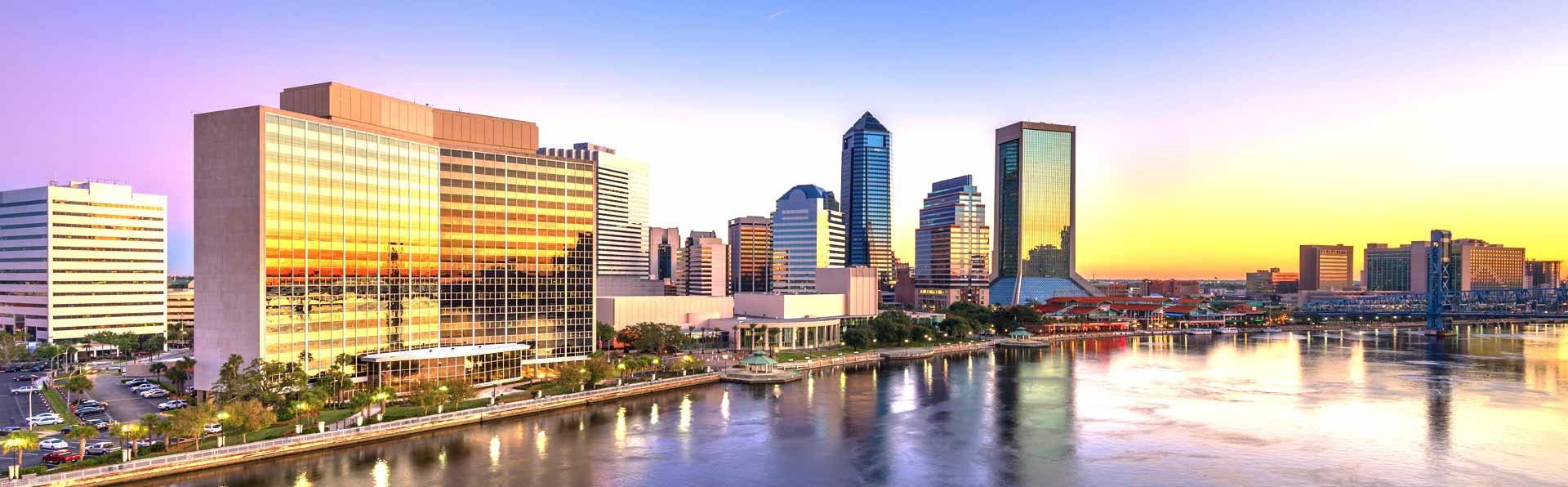
Nestled in the northeastern part of the state, along the St. Johns River, Jacksonville is a sprawling metropolis that often flies under the radar compared to its southern counterparts. This distinction is not merely about land area; it’s a testament to the city’s significant and growing population, making it a vital economic and cultural center within Florida. Understanding Jacksonville‘s scale requires looking beyond its immediate tourist appeal and delving into its urban footprint, economic drivers, and the diverse experiences it offers to residents and visitors alike.

Understanding “Largest” in an Urban Context
The term “largest” in relation to a city can be interpreted in several ways, primarily population and land area. For the purpose of answering “What is the largest city in Florida?”, we focus on population as the standard metric for urban size, as it reflects the human scale and bustling activity of a metropolis.
Population as the Definitive Metric
According to the latest available data from the U.S. Census Bureau, Jacksonville consistently ranks as the most populous city in Florida. This means more people call Jacksonville home than any other municipality within the state. This large population base fuels a dynamic economy, supports a wide array of services, and contributes to the city’s rich cultural tapestry. The sheer number of residents translates into a vibrant urban environment, with a diverse workforce, a constant flow of new businesses, and a demand for varied housing and recreational options.
Land Area Considerations
While Jacksonville leads in population, it also boasts a significant land area, making it one of the largest cities by land area east of the Mississippi River. This expansive geographical footprint encompasses a variety of environments, from the urban core to coastal regions and natural preserves. The consolidation of Duval County with the city government in 1968 played a crucial role in its vast land size, integrating surrounding suburban and rural areas into the city limits. This unique governmental structure means that within Jacksonville‘s official boundaries, one can find a blend of dense urban neighborhoods, sprawling residential communities, and significant undeveloped natural landscapes, including extensive park systems and portions of the Atlantic coast.
Beyond the Numbers: Experiencing Jacksonville
While Jacksonville‘s size is a factual point of interest, its true allure lies in the experiences it offers. This city is not just a collection of people and buildings; it’s a destination brimming with attractions, diverse neighborhoods, and a burgeoning culinary scene, all contributing to its vibrant lifestyle.
A Hub for Travel and Tourism
For travelers, Jacksonville presents a compelling array of destinations and attractions that cater to a wide range of interests. Its proximity to the Atlantic Ocean provides access to beautiful beaches, including the popular Jacksonville Beach, Ponte Vedra Beach, and Atlantic Beach, offering opportunities for sunbathing, surfing, and water sports. Beyond the coastline, the city boasts a thriving cultural scene. The Cummer Museum of Art & Gardens showcases impressive collections and exquisite botanical displays. History buffs can explore the Cummer Museum of Art & Gardens, delving into the city’s past. The historic St. Augustine, the oldest continuously inhabited European-established settlement in the United States, is also a short drive away, offering a deep dive into colonial history.
For sports enthusiasts, Jacksonville is a major league city, home to the Jacksonville Jaguars of the National Football League (NFL). The TIAA Bank Field, where the Jaguars play, is a modern stadium that also hosts other major sporting events and concerts. The city also has a strong presence in professional golf, with the renowned TPC Sawgrass in nearby Ponte Vedra Beach hosting The Players Championship.
Accommodation and Lifestyle Options
The diverse population and expansive nature of Jacksonville are reflected in its accommodation offerings and lifestyle choices. From luxury resorts to budget-friendly hotels and apartment rentals, the city provides options for every traveler and resident.
Hotels and Resorts for Every Traveler
For those seeking a pampered stay, Jacksonville offers a range of upscale hotels and resorts. Properties like the Ponte Vedra Inn & Club provide a classic Florida luxury experience with pristine beaches, championship golf, and fine dining. The city center also features modern hotels catering to business travelers and tourists alike, offering amenities such as swimming pools, fitness centers, and convenient access to business districts and entertainment venues. For longer stays or those seeking a more independent experience, apartment rentals and villas are readily available, particularly in the growing suburban areas and along the coast. The Hyatt Regency Jacksonville Riverfront is a prime example of a centrally located hotel offering extensive amenities and stunning views of the St. Johns River.
Exploring Diverse Neighborhoods and Lifestyle
Jacksonville‘s expansive nature means it comprises many distinct neighborhoods, each with its own unique character and lifestyle. The historic San Marco district, for instance, is known for its upscale boutiques, fine dining, and charming residential streets. Riverside Avondale is famous for its historic homes, oak-lined avenues, and vibrant arts scene, with numerous independent shops and restaurants. Downtown Jacksonville is undergoing a revitalization, with new residential developments, entertainment venues, and a growing culinary landscape. Whether one is interested in luxury travel, budget-friendly adventures, family trips, or business stays, Jacksonville provides a multifaceted experience. The city’s commitment to green spaces is evident in its numerous parks, including the expansive Kathryn Abbey Hanna Park, offering residents and visitors ample opportunities for outdoor recreation and an escape into nature.
Jacksonville’s Economic and Cultural Significance
The sheer size of Jacksonville by population and land area translates into significant economic and cultural influence within Florida. Its strategic location, diverse economy, and growing population make it a key player in the state’s development.
A Diverse and Growing Economy
Jacksonville boasts a diversified economy with strong sectors in finance, insurance, logistics, healthcare, and manufacturing. The presence of major corporations like Bank of America and Wells Fargo highlights its role as a financial hub. Its status as a major port city, the Port of Jacksonville, further boosts its economic significance, facilitating international trade and logistics. The healthcare sector is also a major employer, with prominent institutions like the Mayo Clinic and Baptist Health contributing to the city’s reputation as a center for medical innovation and care. This robust economic foundation supports the large population and fuels the city’s continuous growth and development, making it an attractive place for both businesses and individuals.

A Rich Tapestry of Local Culture and Activities
Beyond its economic prowess, Jacksonville offers a rich tapestry of local culture and a wide array of activities that appeal to its diverse population. The city hosts numerous festivals and events throughout the year, celebrating everything from music and arts to food and heritage. The Jacksonville Jazz Festival is a nationally recognized event that draws performers and crowds from around the country. The World Golf Hall of Fame Museum, located in nearby St. Augustine, further cements the region’s connection to a globally popular sport.
The culinary scene in Jacksonville is also flourishing, with a growing number of restaurants offering diverse cuisines, from fresh seafood and Southern comfort food to international flavors. Neighborhoods like Five Points and San Marco are particularly known for their vibrant dining and nightlife options. For families, the Jacksonville Zoo and Gardens and the MOSH (Museum of Science & History) offer engaging educational and recreational experiences. The city’s commitment to preserving its natural beauty is also evident in its extensive park system, providing ample opportunities for outdoor activities and a high quality of life for its residents.
In conclusion, while Jacksonville may not always be the first city that comes to mind when discussing Florida‘s most famous tourist destinations, its status as the largest city by population is undeniable. This designation underscores its importance as a major urban center, a thriving economic engine, and a vibrant cultural hub, offering a unique blend of urban amenities and natural beauty that continues to attract and engage people from all walks of life.