
Louisiana, often referred to as the Pelican State, is a unique and captivating destination that stands out even within the diverse tapestry of the United States. Its allure stems from a vibrant mix of cultures, a rich and complex history, an utterly distinctive culinary landscape, and a natural environment unlike any other. For travelers seeking an immersive experience that stimulates all senses, Louisiana offers an unforgettable journey, whether you’re exploring its bustling cities, venturing into its mystical bayous, or delving into its storied past.
The state’s identity is profoundly shaped by its French, Spanish, African, and Native American heritage, particularly evident in the Creole and Cajun cultures that thrive here. From the soulful sounds of jazz and blues to the tantalizing aromas of gumbo and jambalaya, Louisiana provides a sensory feast that makes it a top choice for tourism and exploration. It’s a place where history isn’t just preserved in museums but lives and breathes in its architecture, its music, and the very spirit of its people. This article will delve into the multifaceted aspects that make Louisiana a world-renowned landmark of culture, cuisine, and captivating experiences.
The Vibrant Heart of Louisiana: New Orleans and Its Unforgettable Charms
At the very mention of Louisiana, many minds immediately conjure images of New Orleans, the state’s largest and most iconic city. This vibrant metropolis, often called the “Big Easy,” is a global epicenter of culture, music, and unrestrained revelry. A trip to New Orleans is a journey into a world where European elegance meets Caribbean vivacity, all infused with a distinctly American spirit.
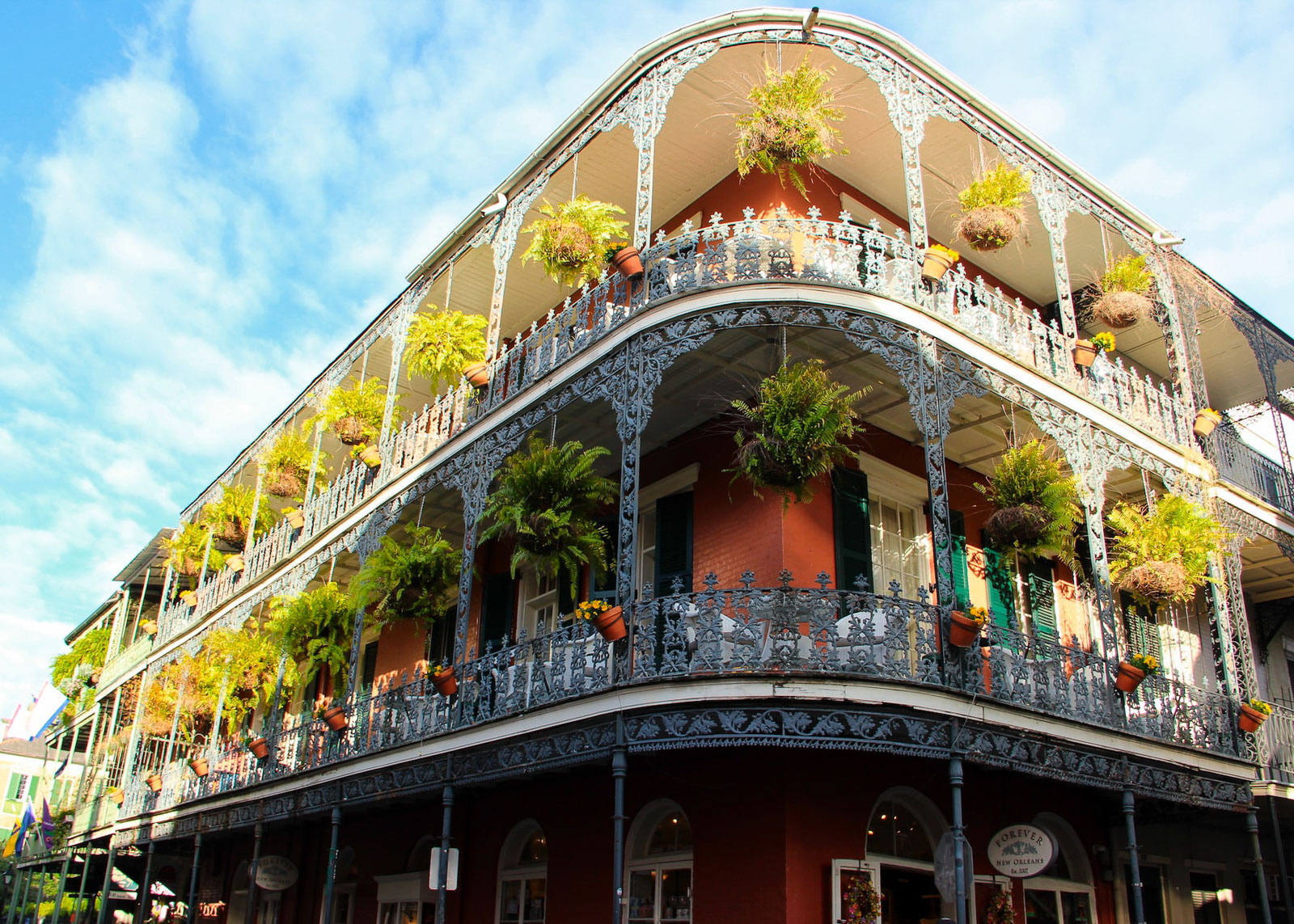
The city’s magnetic appeal lies in its ability to transport visitors to another era while simultaneously embracing a dynamic, modern energy. From the historic iron-laced balconies of the French Quarter to the majestic oak-lined streets of the Garden District, every corner of New Orleans tells a story. Accommodation options here are as diverse as the city itself, ranging from luxurious boutique hotels housed in historic buildings to charming bed and breakfasts, offering an ideal base for any travel lifestyle, be it luxury travel or a more budget-conscious adventure.
A Mélange of History and Architecture: The French Quarter and Beyond
The undisputed soul of New Orleans is the French Quarter, also known as the Vieux Carré. This historic district, with its narrow streets, Spanish colonial architecture, and wrought-iron balconies dripping with ferns, is a living museum. A stroll through the French Quarter is a must-do experience, leading visitors past landmarks like Jackson Square, where artists display their works and street performers entertain crowds against the backdrop of the impressive St. Louis Cathedral. Along the banks of the mighty Mississippi River, visitors can embark on Mississippi Riverboats for a scenic cruise, offering a different perspective of the city’s waterfront.
No visit to the French Quarter is complete without a stop at Café Du Monde for a taste of their famous beignets and café au lait. As night falls, the legendary Bourbon Street comes alive with music pouring from every doorway, offering an exhilarating, albeit boisterous, nightlife experience. For those seeking a quieter historical exploration, the elegant Garden District beckons with its stunning Garden District Mansions and grand avenues, perfect for walking tours and architectural admiration. Families traveling with children will also find plenty to do, with attractions like Audubon Park, City Park, the Audubon Zoo, and the Audubon Aquarium of the Americas offering hours of entertainment. Culture enthusiasts can explore the impressive collections at the New Orleans Museum of Art.
Beyond the historical districts, New Orleans boasts world-class museums such as The National WWII Museum, which provides a poignant and comprehensive look at World War II. For a glimpse into the magic behind the city’s most famous celebration, Mardi Gras World offers behind-the-scenes tours of float construction.
The Rhythms and Flavors: Music, Festivals, and Culinary Delights
Louisiana is synonymous with music, and New Orleans is its beating heart. The city is the birthplace of jazz, and its melodies permeate every street and establishment. Live music can be found everywhere, from impromptu street performances to legendary venues like Preservation Hall, where traditional jazz is kept alive and thriving. Visitors looking for a true local experience should seek out clubs on Frenchmen Street for a more authentic, neighborhood music scene.
The festival calendar in New Orleans is packed year-round, but none is more famous than Mardi Gras. This epic carnival celebration, with its elaborate parades, vibrant costumes, and infectious energy, draws millions of visitors annually. Beyond Mardi Gras, the city hosts other significant events like the New Orleans Jazz & Heritage Festival, a globally renowned celebration of music and culture, and the Essence Festival, which focuses on African-American music and culture. These festivals are prime examples of the rich local culture that defines New Orleans tourism.
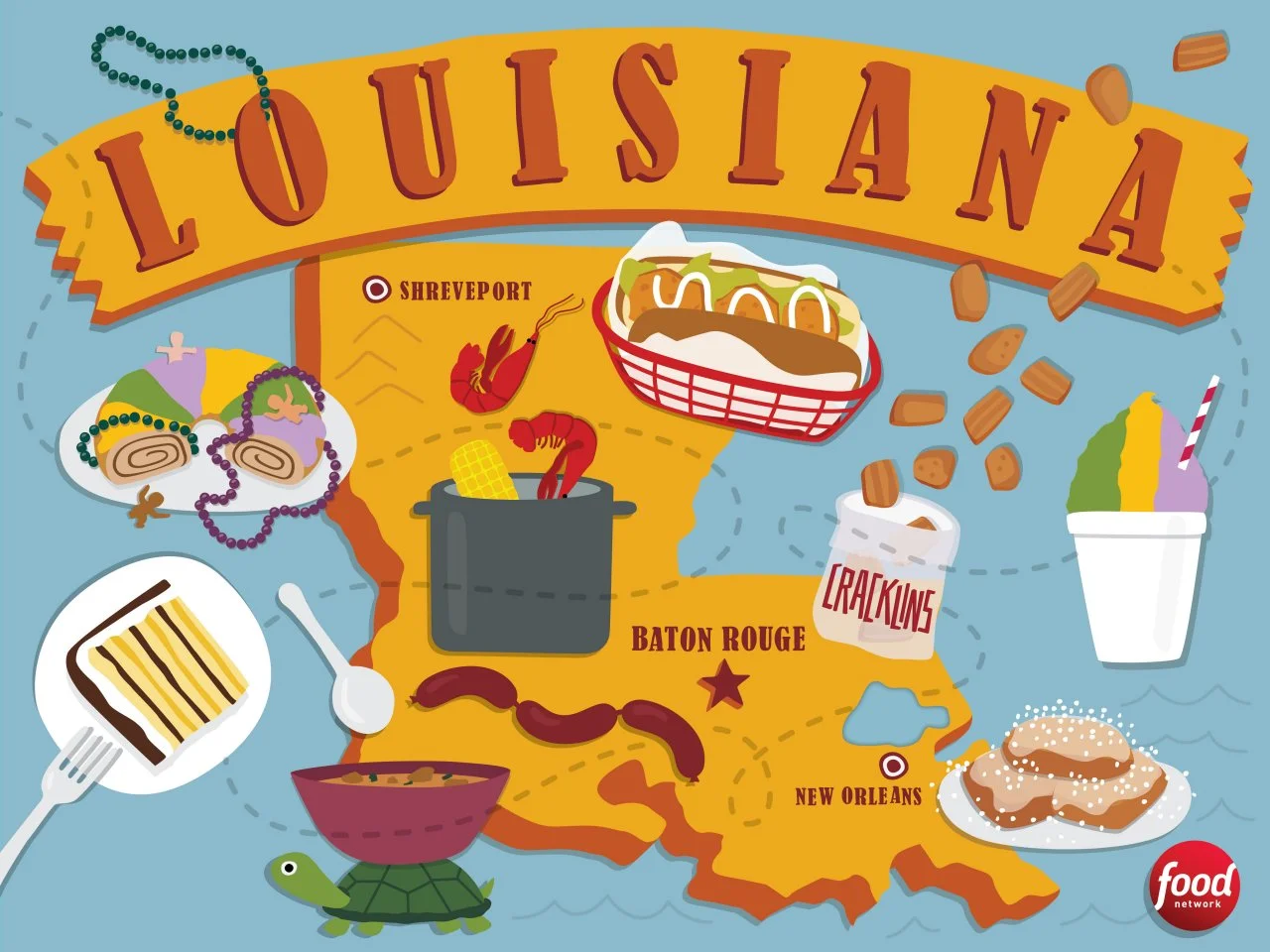
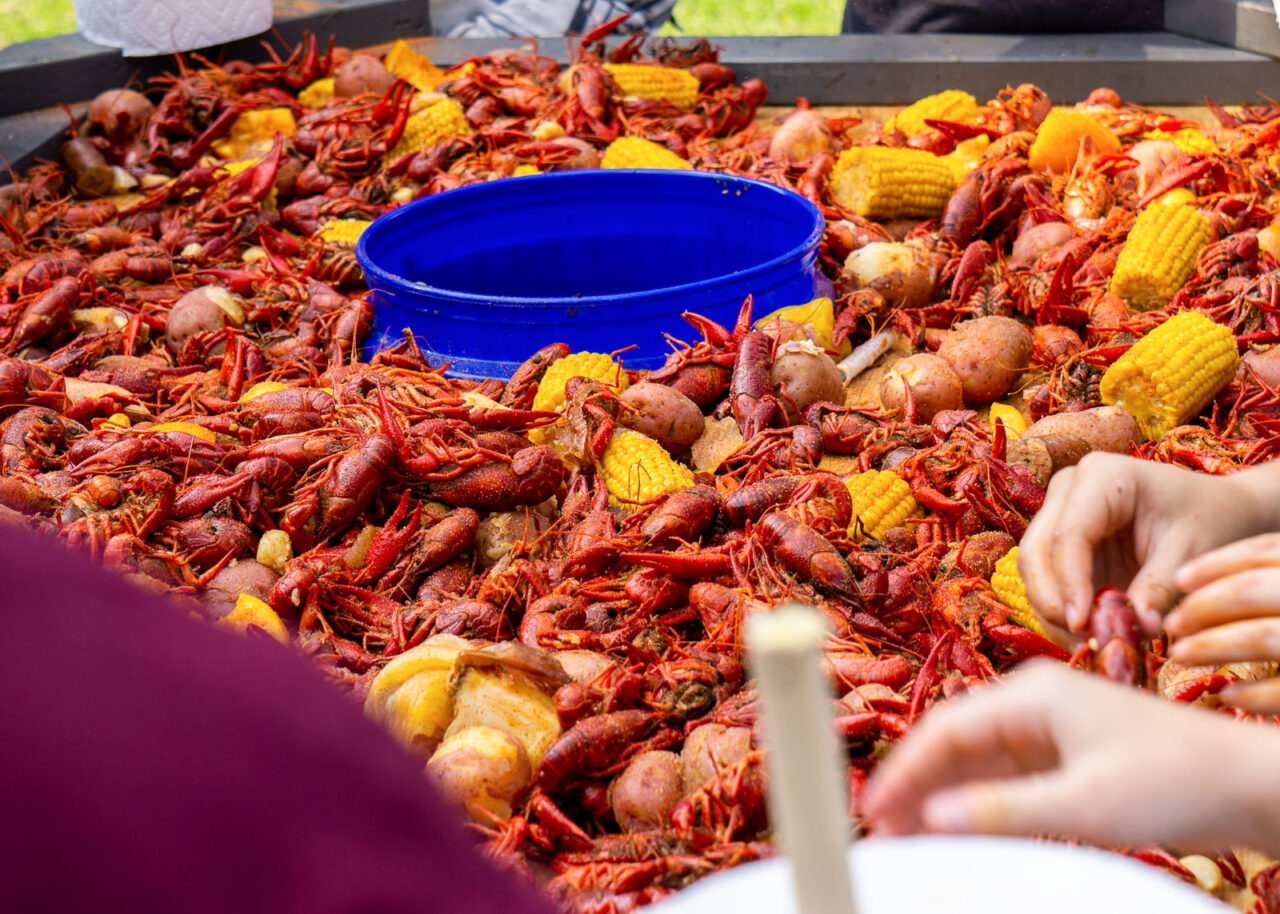
The culinary scene in New Orleans is a powerful draw in itself, celebrated for its unique blend of Creole Cuisine and Cajun Cuisine. Staples like gumbo, jambalaya, etouffée, and po’boys are iconic dishes that tell the story of the state’s diverse heritage. From upscale dining establishments such as Commander’s Palace, Galatoire’s, Antoine’s Restaurant, and Brennan’s to casual eateries and bustling food markets, the city caters to every palate and budget. Food tours are a popular way to explore these gastronomic wonders, offering insights into the ingredients and traditions that make Louisiana food famous worldwide.
Beyond the Big Easy: Exploring Cajun Country and the Bayou State’s Natural Wonders
While New Orleans captures much of the limelight, the true heart and soul of Louisiana extend far beyond its most famous city. Venturing west and north, travelers discover the enchanting realms of Cajun Country, also known as Acadiana, and the mystical, sprawling bayous that define the state’s unique natural landscape. This region offers a stark contrast to the urban vibrancy of New Orleans, providing a deeper dive into Louisiana’s authentic cultural roots and breathtaking natural beauty. It’s an ideal destination for experiential travel, focusing on local culture and outdoor adventures.
Immerse Yourself in Cajun Culture and Cuisine
Cajun Country is the ancestral home of the Acadians, French Canadians who were exiled from Nova Scotia in the 18th century and settled in the swamps and prairies of southern Louisiana. Their distinct culture, language (Cajun French), music (Zydeco and Cajun), and Cajun Cuisine have flourished here, creating a vibrant and welcoming community.
The unofficial capital of Acadiana is Lafayette, a lively city that serves as an excellent base for exploring the region. Here, you can immerse yourself in Cajun hospitality, enjoy live music at local dancehalls (called fais do-dos), and savor authentic Cajun Cuisine. Beyond Lafayette, smaller towns like Breaux Bridge and Eunice offer an even more intimate glimpse into Cajun life. Historic sites such as Vermilionville Living History Museum and Folklife Park in Lafayette allow visitors to step back in time and experience 18th and 19th-century Cajun and Creole life. For those venturing further west, Lake Charles offers a blend of Cajun charm and vibrant casino resorts, catering to different lifestyle preferences from relaxation to entertainment.
Unveiling Louisiana’s Unique Ecosystems: Swamp Tours and Wildlife
No visit to Louisiana would be complete without experiencing its iconic bayous and swamps. These mysterious waterways, teeming with cypress trees draped in Spanish moss, are the lifeblood of the state’s natural environment and home to an incredible array of wildlife. Swamp tours are a popular activity, offering guided boat excursions deep into the wetlands where visitors can spot alligators, turtles, migratory birds, and various other creatures in their natural habitat. These tours are both educational and exhilarating, making them a highlight for nature lovers and families alike.
The Atchafalaya Basin, the largest river swamp in the United States, is a prime example of Louisiana’s ecological richness. It’s a wilderness unparalleled, offering opportunities for fishing, kayaking, and photography. Other notable natural landmarks include the Cypress Island Preserve near Lafayette, which features a beautiful boardwalk trail through a cypress-tupelo swamp, ideal for birdwatching and tranquil reflection. These natural attractions offer a perfect complement to the historical and cultural experiences found in the cities, emphasizing the unique blend of adventure travel and natural tourism Louisiana provides.
A Rich Tapestry of History and Southern Grandeur
Beyond the vibrant streets of New Orleans and the rustic charm of Cajun Country, Louisiana is steeped in a history that stretches back centuries, evident in its grand plantations, significant political landmarks, and a deep sense of tradition that pervades the entire state. These historical sites are not just relics of the past but crucial landmarks that offer profound insights into the complex social, economic, and cultural forces that shaped the American South. Exploring these areas is essential for anyone seeking a comprehensive understanding of Louisiana’s identity, making it a compelling destination for history buffs and those interested in immersive historical tourism.
Echoes of the Past: Iconic Plantations and Historic Sites
The historic plantation homes along the Mississippi River Road between New Orleans and Baton Rouge are among Louisiana’s most iconic landmarks. These antebellum estates, with their magnificent architecture and sprawling grounds, serve as poignant reminders of a bygone era, albeit one built on difficult truths. Each plantation offers a unique perspective on the lives of both the wealthy owners and the enslaved people who toiled on the land.
- Oak Alley Plantation is perhaps the most famous, renowned for its breathtaking canopy of 28 evenly spaced live oak trees that form a quarter-mile tunnel leading to the majestic Greek Revival mansion. Its beauty is undeniable, and its history is presented with thoughtful interpretation.
- Laura Plantation provides a stark contrast, focusing on the Creole way of life and telling the stories of four generations of women who ran the plantation, alongside the detailed history of the enslaved families.
- Houmas House Plantation and Gardens, often called “The Sugar Palace,” offers a more opulent experience, showcasing lavish interiors and extensive gardens, while also sharing the narrative of its past.
- Other notable plantations include the rumored haunted Myrtles Plantation in St. Francisville and the grand “White Castle” of Nottoway Plantation, the largest antebellum mansion in the South.
Visiting these plantations offers an invaluable educational experience, encouraging reflection on American history. Many provide guided tours that delve into the architecture, family histories, and the difficult realities of slavery. These sites are crucial for understanding the complex heritage that shapes modern Louisiana and offer deep insights into Southern culture and history. Further north, the ancient earthworks of Poverty Point World Heritage Site near Epps provide a fascinating glimpse into a complex prehistoric society, predating many well-known ancient civilizations.
Baton Rouge: The Political and Cultural Hub
As the state capital, Baton Rouge plays a significant role in Louisiana’s identity, serving as its political and governmental heart. The city offers a different flavor of Southern charm compared to New Orleans, focusing more on history, education, and local community life.
The towering Louisiana State Capitol building, a striking example of Art Deco architecture, is the tallest capitol in the United States and offers panoramic views of the city from its observation deck. Nearby, the Gothic Revival style Old State Capitol, often called “Louisiana’s Castle,” is another architectural gem and a museum of political history. Baton Rouge is also home to Louisiana State University (LSU), whose campus is a landmark in itself, known for its beautiful architecture and lively collegiate atmosphere.
Beyond its political significance, Baton Rouge offers a vibrant cultural scene with museums, art galleries, and a growing culinary landscape. It serves as a practical hub for exploring both the plantations to its south and the northern parts of the state, including cities like Shreveport, Monroe, and Alexandria, which offer their own unique Southern charm and local attractions. These diverse destinations underscore Louisiana’s appeal as a comprehensive travel destination, offering a mix of historical exploration, cultural immersion, and governmental insights.
Planning Your Louisiana Adventure: Travel, Accommodation, and Lifestyle Tips
Embarking on a journey through Louisiana promises an experience rich in culture, flavor, and history. To make the most of your adventure, thoughtful planning regarding travel, accommodation, and understanding the local lifestyle is key. Louisiana caters to a wide array of travel preferences, from luxury seekers to budget-conscious explorers, families, and business travelers alike. By considering these aspects, you can craft a personalized itinerary that allows you to fully immerse yourself in all that the Pelican State has to offer.
Choosing Your Stay: Hotels, Resorts, and Unique Accommodations
Louisiana offers a vast selection of accommodation options, ensuring every traveler finds a perfect fit for their needs and desired lifestyle. In New Orleans, you can choose from historic luxury hotels in the French Quarter like the renowned Hotel Monteleone with its famous Carousel Bar, or the elegant The Roosevelt New Orleans, A Waldorf Astoria Hotel, Windsor Court Hotel, and Ritz-Carlton New Orleans, all offering exquisite amenities and service. Boutique hotels and charming guesthouses provide a more intimate experience, often featuring unique architecture and personalized touches. For those preferring modern conveniences, chain hotels are readily available throughout the city and beyond.
Outside of New Orleans, especially in Cajun Country or near plantation sites, you might find more unique accommodation options, including cozy bed and breakfasts, rustic cabins, or even staying directly on a historic plantation. Resort options, particularly around Lake Charles, combine leisure with entertainment, offering spas, golf courses, and casinos. When planning your stay, it’s always advisable to compare options, read reviews, and book in advance, especially during peak festival seasons like Mardi Gras or the New Orleans Jazz & Heritage Festival. Websites dedicated to accommodation can help with booking and finding the best deals for long-term stays or short visits.
Navigating Louisiana: Essential Travel and Tourism Advice
Getting around Louisiana depends largely on your itinerary. For exploring New Orleans, walking is often the best way to soak in the atmosphere of the French Quarter, with streetcars providing charming transportation to other districts like the Garden District. Taxis and ride-sharing services are also widely available. However, to venture into Cajun Country, visit the plantations, or explore the bayous, renting a car offers the most flexibility. Road trips through Louisiana can be incredibly scenic, revealing hidden gems and local communities.
When it comes to tourism tips, embracing the local culture is paramount. Don’t be shy about trying new foods, listening to live music, or striking up conversations with locals – Louisianans are known for their hospitality. Keep an eye on local event calendars for festivals and seasonal activities, as these can significantly enhance your travel experience. Packing light, breathable clothing is advisable given the state’s warm and humid climate, especially during the summer months. For budget travel, consider visiting during the off-season or looking for deals on accommodation and flights. Family trips can be enriched by visiting attractions like the Audubon Zoo or embarking on a swamp tour. Business stays can easily combine work with the unique local flavor, offering unparalleled networking and cultural experiences after hours. Ultimately, Louisiana is a destination that rewards curiosity and an open mind, promising a journey filled with unforgettable memories.