
To truly understand what Mardi Gras is in New Orleans, one must look beyond the iconic images of colorful beads and masked revelers. It is a profound cultural phenomenon, a season of exuberant celebration that transforms the entire city into a vibrant tapestry of music, parades, and culinary delights. Far from being just a single day event, Mardi Gras is the culmination of a weeks-long carnival season, leading up to “Fat Tuesday,” the day before Ash Wednesday, marking the beginning of the Christian liturgical season of Lent. It’s a final, grand flourish of indulgence before a period of solemnity, deeply rooted in centuries of tradition and interwoven with the unique spirit of New Orleans, Louisiana.

This festive period, also known as Carnival, beckons millions of visitors annually, transforming the city into a global destination for those seeking an unparalleled travel experience. From the intricate planning of elaborate parades to the casual street parties brimming with local culture and exquisite food, Mardi Gras offers a rich blend of attractions and activities. For travelers, understanding its essence is key to unlocking the full spectrum of experiences, whether they seek luxury travel accommodations, a budget-friendly adventure, or a memorable family trip amidst the historic landmarks and vibrant lifestyle of this unforgettable city.
The Enduring Spirit of Carnival: A Brief Overview
At its core, Mardi Gras in New Orleans is a deeply ingrained part of the city’s identity, a testament to its resilience and its love for life. The term “Mardi Gras” itself is French for “Fat Tuesday,” a literal translation that signifies the last day of feasting and merrymaking before the asceticism of Lent. This period of joyous excess is not merely a party; it’s a centuries-old tradition that weaves together ancient pagan rites, European carnival customs, and the distinctive Creole culture of New Orleans.
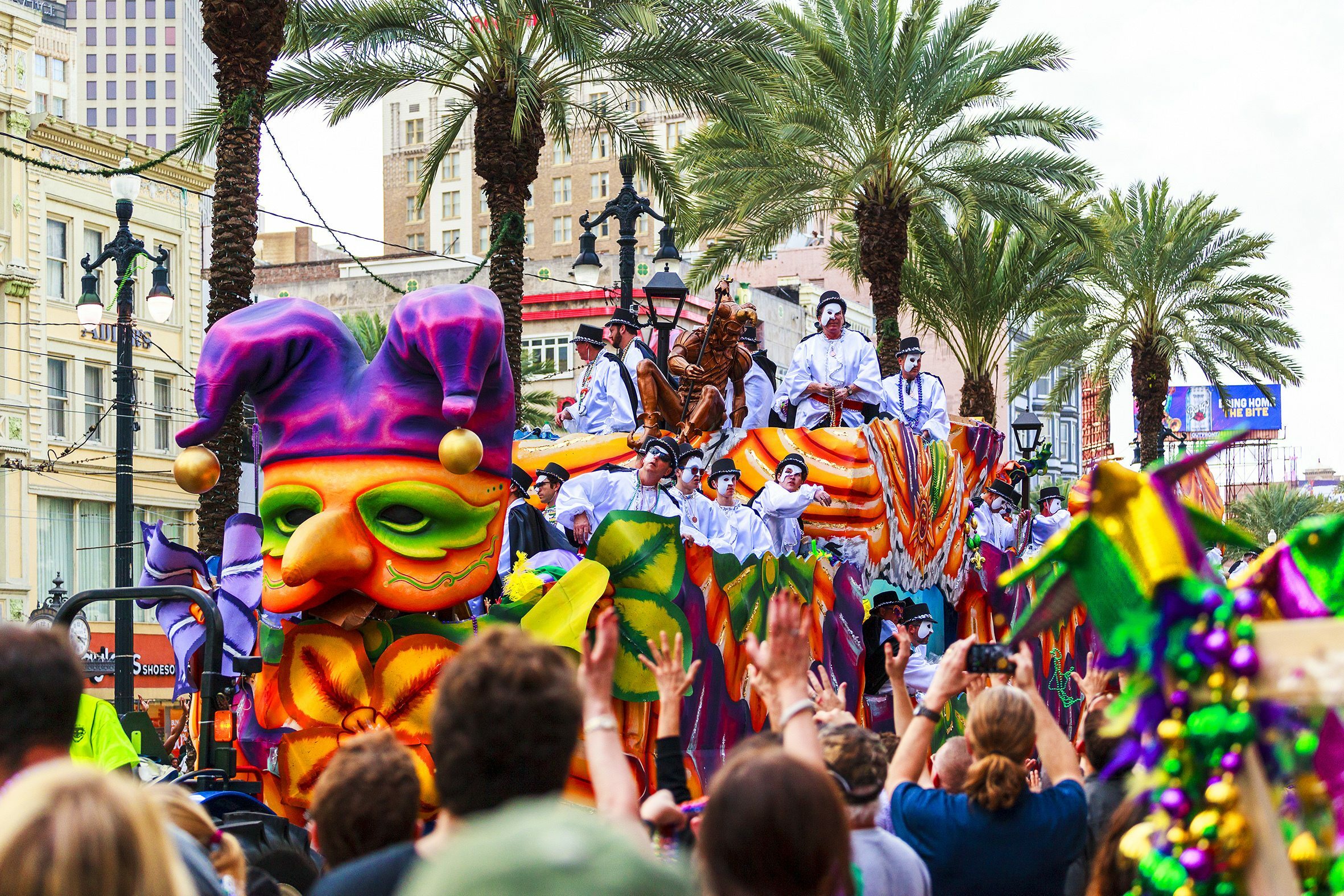
The Carnival season officially begins on January 6th, the Twelfth Night (Feast of the Epiphany), and steadily builds momentum, growing in intensity as “Fat Tuesday” approaches. While many associate Mardi Gras primarily with the boisterous celebrations in the French Quarter, the true heart of the festivities lies in the meticulously organized and community-driven parades that roll through various neighborhoods. These parades, organized by social clubs known as “krewes,” are the main attraction, showcasing spectacular floats, marching bands, and costumed riders who shower onlookers with “throws” – the iconic beads, doubloons, and trinkets that have become synonymous with the celebration.
For visitors, Mardi Gras offers a unique glimpse into local culture, food, and activities. It’s an experience that transcends mere tourism, inviting participation and immersion. From securing the best hotel suites or apartment rentals to navigating the city’s famous places and absorbing its rich history, planning is crucial. Understanding the rhythm of Carnival and its distinct traditions is the first step in truly appreciating this magnificent spectacle.
A Tapestry of Tradition: History and Symbolism
The grandeur of Mardi Gras is not a spontaneous eruption but the culmination of a rich historical narrative and layers of profound symbolism.
Roots in Ancient Rites and French Colonialism
The roots of Carnival stretch back to ancient pagan spring and fertility rites. These traditions were later absorbed and adapted by Christianity, serving as a period of feasting and revelry before the lean days of Lent. The custom of Carnival arrived in Louisiana with early French settlers. The first recorded Mardi Gras celebration in what would become the United States occurred in 1699, when French explorer Pierre Le Moyne d’Iberville camped near the mouth of the Mississippi River on “Fat Tuesday.” He named the spot Pointe du Mardi Gras. The earliest organized celebrations in New Orleans date back to the late 18th century, with masked balls and street processions.
However, the modern tradition of parades as we know them truly began to take shape in the mid-19th century. The first organized Mardi Gras parade in New Orleans was reportedly held in 1837. By 1857, the Mistick Krewe of Comus was established, introducing secret societies, elaborate floats, and themed parades, setting the standard for the krewes that would follow. These krewes transformed Mardi Gras from chaotic street celebrations into structured, artistic pageants, blending elements of mystery, satire, and opulent display. This rich history is a testament to the city’s enduring commitment to its unique identity, offering visitors a chance to witness a living tradition that has evolved over centuries.
The Meaning Behind the Magic: Colors, Costumes, and King Cake
Every element of Mardi Gras is imbued with meaning, from the dazzling costumes to the symbolic colors and the festive treats. The official colors of Mardi Gras – Purple, Green, and Gold – were chosen by the Krewe of Rex in 1872. Each color carries a specific significance: Purple represents justice, Green symbolizes faith, and Gold signifies power. These colors adorn everything from parade floats to costumes and, of course, the ubiquitous beads.
Masks and elaborate costumes are another fundamental aspect of Mardi Gras. Historically, masks allowed revelers to mingle across social classes and engage in playful anonymity, shedding their everyday identities for a day of uninhibited celebration. Today, costumes range from simple masks and colorful wigs to incredibly intricate, handcrafted ensembles that are works of art in themselves. They embody the spirit of transformation and fantasy that is central to the Carnival experience.
No discussion of Mardi Gras symbolism is complete without mentioning the King Cake. This seasonal delicacy, typically available from Twelfth Night through “Fat Tuesday,” is a brioche-like cake covered in Purple, Green, and Gold sugar or icing. Hidden inside is a small plastic baby, and tradition dictates that whoever finds the baby in their slice is responsible for buying the next King Cake or hosting the next Mardi Gras party. This tradition fosters a sense of community and playful anticipation, making the King Cake an integral part of the Mardi Gras lifestyle and culinary landscape.
The Heartbeat of Mardi Gras: Parades, Krewes, and Throws
The true pulse of Mardi Gras beats loudest during its parades, which are far more than mere processions. They are elaborate, moving theatrical productions, showcasing the artistic ingenuity and communal spirit of New Orleans.
The Grand Spectacle of Parades
The parade season truly kicks into high gear about two weeks before “Fat Tuesday,” with daily and nightly parades rolling through different parts of the city. These spectacles are orchestrated by various krewes, each with its unique history, theme, and traditions. Some of the most famous include the “Super Krewes” like Rex, Zulu, Endymion, and Bacchus. These krewes are known for their massive, multi-float parades featuring hundreds of riders, intricate designs, and dazzling lights. Their routes often traverse major avenues like St. Charles Avenue and Canal Street, drawing enormous crowds.

Beyond the behemoths, there are also satirical krewes like Muses (known for their decorated shoes) and Orpheus, as well as smaller, more irreverent walking krewes such as the Krewe du Vieux, famous for their adult-themed humor and hand-pulled floats. Each parade features vibrant floats, often elaborately decorated to match a specific theme for the year, accompanied by high school and college marching bands from across the region, dance groups, and other performing artists. The energy is infectious, with the rhythmic beat of drums and brass filling the air, encouraging spectators to clap, cheer, and dance along. Experiencing a parade is not just watching; it’s participating in a collective outpouring of joy and tradition.
The Art of the “Throw”
One of the most exciting and interactive aspects of Mardi Gras is the tradition of “throws.” As floats pass by, costumed riders toss a variety of trinkets to the eager crowds lining the streets. The most famous “throws” are the colorful plastic beads, which come in countless varieties, from simple strands to elaborate, themed necklaces. Beyond beads, revelers also vie for doubloons (aluminum coins stamped with the krewe’s emblem and parade theme), plastic cups, frisbees, toys, and other novelty items.
The act of catching a throw is an essential part of the Mardi Gras experience. Spectators wave their arms, shout, and sometimes even stand on ladders (permitted in certain areas) to catch the attention of the riders. Some throws are highly coveted, such as the hand-decorated coconuts tossed by the Krewe of Zulu, which are considered prized possessions. Similarly, the doubloons from the Krewe of Rex are collector’s items. This playful exchange between riders and crowds creates a dynamic, engaging atmosphere that is unique to Mardi Gras, blending the excitement of a spectacle with the thrill of participation.
Beyond the Parade Routes: Music, Food, and Festivities
While parades are the central attraction, Mardi Gras offers a holistic sensory experience that extends far beyond the main routes. Music is the soul of New Orleans, and during Carnival, it permeates every corner of the city. Live jazz, brass bands, and street performers fill the air with joyful melodies, creating an impromptu party wherever you go. From the bustling bars of Bourbon Street to the more laid-back venues of Frenchmen Street, the soundtrack to Mardi Gras is undeniably New Orleans itself.
The culinary landscape also comes alive. While the aforementioned King Cake is a seasonal highlight, New Orleans cuisine shines throughout Carnival. Visitors can indulge in classic dishes like rich gumbo, spicy jambalaya, crispy beignets dusted with powdered sugar, and savory po’boys. Street food vendors abound, offering quick and delicious bites to keep revelers energized. Many local restaurants also offer special Mardi Gras menus and events. The vibrant food scene is an attraction in itself, making Mardi Gras a feast for all senses.
Beyond official events, countless street parties and impromptu celebrations spontaneously erupt, particularly in areas like the French Quarter. These gatherings capture the authentic, uninhibited spirit of the holiday, where locals and tourists alike come together to dance, socialize, and celebrate. While the French Quarter can be very lively, with adult-oriented celebrations, other neighborhoods offer more family-friendly environments, ensuring that Mardi Gras truly has something for everyone.
Planning Your Mardi Gras Adventure: A Traveler’s Guide
Experiencing Mardi Gras requires careful planning, especially given its immense popularity. A successful trip hinges on strategic decisions regarding timing, accommodation, and navigating the festivities.
When to Visit and Where to Stay
The prime time to experience Mardi Gras is during the final week leading up to “Fat Tuesday,” known as “Mardi Gras week.” This period sees the largest and most spectacular parades, with daily events and an unparalleled atmosphere. However, for those seeking a slightly less crowded but still vibrant experience, visiting during the two weekends before “Fat Tuesday” offers a fantastic taste of Carnival with numerous parades.
Accommodation during Mardi Gras is at a premium, and booking early is not just recommended, it’s essential. Travelers should secure their reservations for hotels, resorts, apartments, or villas months, if not a year, in advance. New Orleans offers a diverse range of lodging options to suit various lifestyles and budgets. Upscale hotels and charming boutique properties can be found in the French Quarter and Downtown areas, offering proximity to attractions and nightlife. For those seeking a more relaxed or family-friendly atmosphere, the Garden District provides elegant accommodations and is also on a major parade route. Short-term apartment or villa rentals can also be an excellent option for groups or longer stays, offering amenities that enhance the comfort of a trip. When comparing options, consider factors like proximity to parade routes, access to public transportation, and specific amenities that cater to your travel needs.
It’s also important to understand the different vibes of various neighborhoods. While the French Quarter is synonymous with lively, often adult-oriented celebrations, areas like the Garden District or Uptown offer a more family-friendly Mardi Gras experience, with dedicated viewing areas and a generally calmer atmosphere.
Navigating the Festivities: Tips for a Seamless Experience
Once your accommodation is secured, consider the practicalities of getting around. During Mardi Gras week, street closures and heavy traffic are common. Public transportation, particularly the iconic New Orleans streetcars, can be an excellent way to get to parade routes, though they too can be crowded. Walking is often the best way to cover shorter distances, especially in dense areas. Ride-sharing services are available but expect surge pricing and potential delays.
Safety is paramount. Keep personal belongings secure, stay aware of your surroundings, and travel in groups, especially at night. It’s wise to carry a small bag or backpack for your throws, snacks, and water. Comfortable shoes are a non-negotiable; you’ll be doing a lot of standing and walking. Layers of clothing are also advisable, as New Orleans weather can be unpredictable in late winter.
Respecting local culture and etiquette is key to a rewarding experience. Remember that Mardi Gras is a cherished tradition for residents, not just a tourist attraction. Engage respectfully with locals, participate joyfully, and adhere to local guidelines. Many families set up elaborate “ladders” with seats for children along the parade routes; be mindful of these long-standing traditions. For families, seeking out parades that roll during the day and areas known for a more wholesome environment will ensure a pleasant experience for all ages. Guides and tourism information, often available through hotels or the local tourism office, can provide invaluable tips for navigating the crowds and maximizing your experience.
The Enduring Legacy: More Than Just a Party
Mardi Gras in New Orleans is much more than a collection of parades and parties; it is a vital expression of the city’s soul. It’s a time when the entire community, regardless of background, comes together to celebrate life, art, music, and the unique cultural heritage that defines New Orleans. The economic impact of Mardi Gras is substantial, supporting countless local businesses, artists, musicians, and hospitality workers, making it a crucial component of the city’s tourism industry.
From the elaborate floats crafted by generations of artisans to the joy on a child’s face catching their first string of beads, Mardi Gras is a testament to creativity, community, and the enduring human spirit of revelry. It’s an invitation to step into a world where everyday concerns fade, replaced by a vibrant symphony of color, sound, and camaraderie. For any traveler seeking an authentic and unforgettable experience, delving into the heart of Mardi Gras in New Orleans offers not just a vacation, but a true immersion into one of the world’s most captivating cultural phenomena. It’s a celebration that stays with you long after the last bead has been thrown and the final notes of jazz have faded, calling you back to the magic of the Big Easy year after year.
LifeOutOfTheBox is a participant in the Amazon Services LLC Associates Program, an affiliate advertising program designed to provide a means for sites to earn advertising fees by advertising and linking to Amazon.com. Amazon, the Amazon logo, AmazonSupply, and the AmazonSupply logo are trademarks of Amazon.com, Inc. or its affiliates. As an Amazon Associate we earn affiliate commissions from qualifying purchases.