
When planning a trip to a vibrant metropolis like Miami, understanding the local nuances is key to a seamless experience. From navigating its bustling streets to booking a table at a coveted restaurant or connecting with newfound acquaintances, knowing the area code is a fundamental piece of information for any visitor or resident. More than just a set of digits, Miami’s area codes represent the intricate growth and expansion of one of Florida‘s most dynamic urban centers, embodying a blend of rich history, diverse culture, and a future-forward lifestyle.
Miami, often called the “Gateway to the Americas,” is a dazzling jewel on the southeastern tip of Florida, famed for its stunning beaches, vibrant Art Deco Historic District, pulsating nightlife, and a unique multicultural flair that sets it apart from any other city in the United States. Its allure as a premier travel destination attracts millions each year, from luxury travelers seeking opulent resorts to budget explorers hunting for authentic local experiences. Before diving into the sun-drenched attractions and the luxurious accommodations, let’s first decode the essential numerical identifiers that keep this thriving city connected.

Decoding Miami’s Telephone Landscape
The telephone area codes serving Miami-Dade County and surrounding areas are more than just numbers; they tell a story of population growth, technological advancement, and the region’s ever-increasing demand for connectivity. For visitors and new residents alike, understanding these codes is crucial for making calls, setting up phone services, or simply recognizing local numbers.
The Primary Area Code: 305
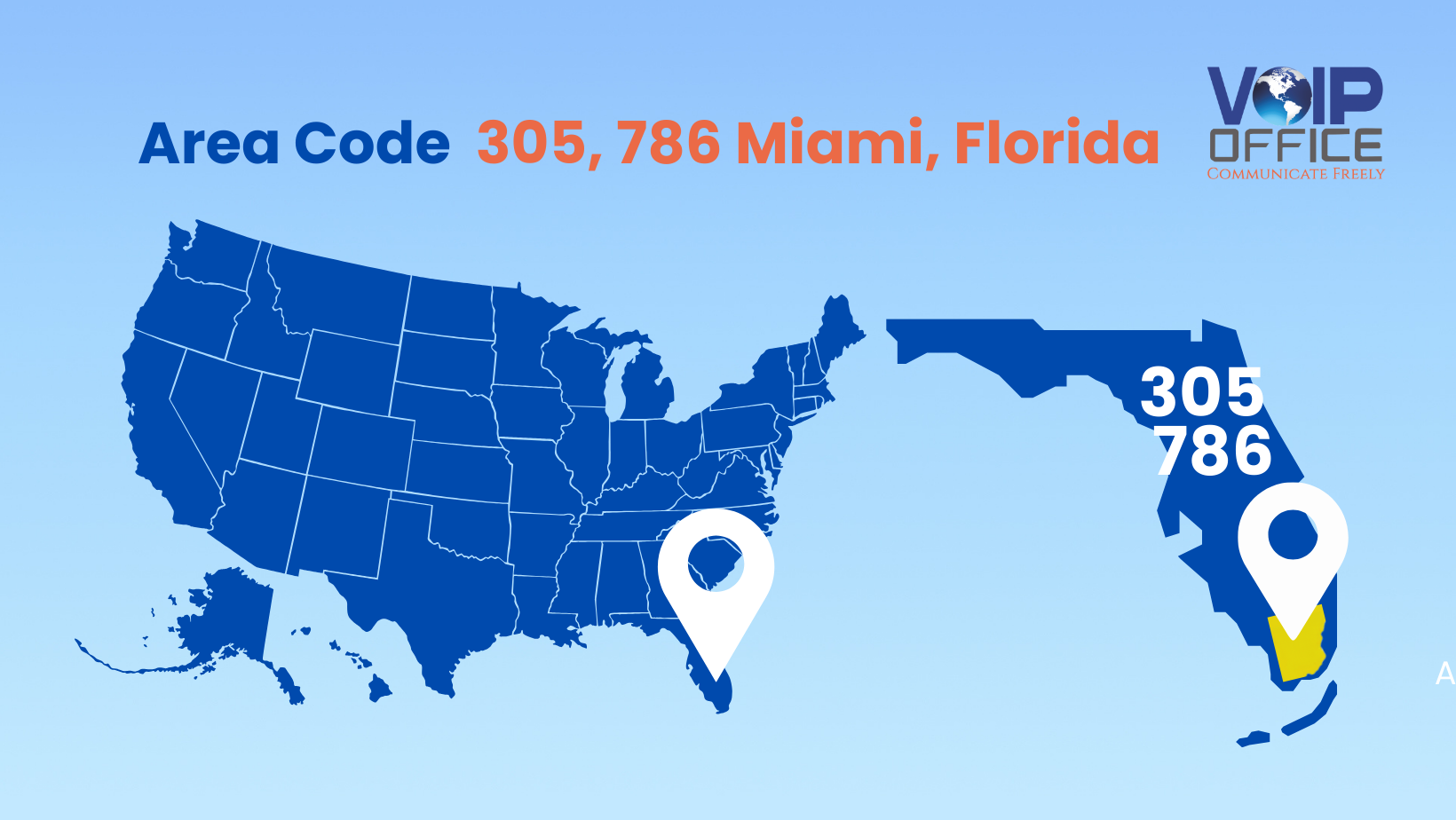
Historically, the original and most iconic area code for Miami and the Florida Keys is 305. Established in 1947 as one of the original 86 North American Numbering Plan (NANP) area codes, 305 initially covered the entire state of Florida. As the state experienced rapid population booms through the mid-20th century, the demand for telephone numbers skyrocketed, necessitating several splits over the decades. The 305 area code eventually narrowed its coverage to Miami-Dade County and the Florida Keys, cementing its status as the quintessential Miami identifier. For many, “305” is synonymous with Miami culture, celebrated in music, art, and local identity, making it far more than just a functional prefix.
The Overlays: 786 and 645
As Miami’s population continued to surge into the late 20th and early 21st centuries, the available numbers within the 305 area code began to dwindle. To address this looming shortage without requiring existing subscribers to change their beloved 305 numbers, an overlay plan was implemented.
The 786 area code was introduced in 1998 as the first overlay for the same geographic region covered by 305—namely, Miami-Dade County and the Florida Keys. An overlay means that new telephone numbers assigned in the region could be given either the 305 or 786 prefix. This introduction also mandated 10-digit dialing (area code + 7-digit number) for all local calls within the area, a practice that initially required an adjustment for residents accustomed to 7-digit dialing.
Years later, with continued growth and an increasing demand for mobile and landline numbers, a second overlay, 645, was approved and became active on March 1, 2024. The 645 area code now also serves the same geographic area as 305 and 786, ensuring a sufficient supply of new telephone numbers for years to come. This multi-overlay system underscores Miami’s relentless expansion and its status as a major metropolitan hub in North America. For visitors, this means that any phone number you encounter within Miami and its immediate surroundings could start with 305, 786, or 645. Always remember to dial all ten digits, even for local calls.
Understanding South Florida’s Broader Area Codes
While 305, 786, and 645 specifically cover Miami-Dade County and the Florida Keys, South Florida encompasses a wider region with its own set of area codes. Knowing these can be helpful for those planning to explore beyond the immediate Miami metropolitan area or connect with services in neighboring cities:
- 954 / 754: These codes serve Broward County, including the popular city of Fort Lauderdale, known for its canals and vibrant arts scene.
- 561: This area code covers Palm Beach County, home to the affluent city of Palm Beach and the lively city of West Palm Beach.
- 239: Further west on the Gulf Coast of Southwest Florida, this code serves cities like Naples and Fort Myers.
- 772: This code covers the Treasure Coast region, including cities such as Port St. Lucie and Vero Beach.
Understanding this geographical distribution of area codes is particularly useful for travelers planning road trips across South Florida, ensuring they can effortlessly connect with attractions, accommodations, and local services wherever their journey takes them.
Miami: A Gateway to Unforgettable Travel Experiences
Beyond its practical telecommunications, Miami offers a kaleidoscope of experiences that embody travel, tourism, and lifestyle at its finest. From sun-drenched beaches to pulsating nightlife and rich cultural enclaves, the city promises an adventure for every type of traveler. The importance of knowing the local area codes subtly underpins this, as reliable communication forms the backbone of any well-planned itinerary, connecting you to hotels, tour operators, and emergency services.
Iconic Landmarks and Attractions
Miami’s landscape is dotted with world-renowned landmarks and attractions that draw visitors from across the globe.
- South Beach and the Art Deco Historic District: No visit to Miami is complete without soaking up the sun on the iconic sands of South Beach. Adjacent to it lies the Art Deco Historic District, a vibrant tableau of pastel-hued buildings from the 1930s and 40s. Strolling along Ocean Drive reveals a fascinating architectural style, home to boutique hotels, lively cafes, and the unmistakable energy that defines Miami Beach. This area perfectly encapsulates the city’s unique blend of glamour, history, and seaside charm.
- Little Havana and Calle Ocho: For a deep dive into Miami’s vibrant Cuban heart, Little Havana is a must-visit. Its main artery, Calle Ocho, buzzes with the rhythms of Latin America, from the aroma of Cuban coffee and cigars to the lively sounds of salsa music. Visitors can watch cigars being hand-rolled, play dominoes with locals at Maximo Gomez Park, and savor authentic Cuban cuisine, experiencing a truly immersive cultural journey.
- Wynwood Walls and the Art Scene: The once-industrial neighborhood of Wynwood has been transformed into an outdoor street art museum, centered around the spectacular Wynwood Walls. This vibrant district showcases massive, colorful murals and graffiti by renowned artists from around the globe. Beyond the walls, Wynwood is home to numerous art galleries, trendy boutiques, craft breweries, and innovative restaurants, making it a hotspot for contemporary culture and urban exploration.
- Vizcaya Museum & Gardens: A true architectural marvel, Vizcaya Museum & Gardens transports visitors to another era. This opulent European-inspired estate, built in the early 20th century, boasts stunning Italian Renaissance gardens, exquisite antique furnishings, and breathtaking views of Biscayne Bay. It’s a serene escape from the city’s hustle, offering a glimpse into Miami’s Gilded Age history and an ideal spot for photography and leisurely strolls.
- Everglades National Park: Just a short drive from Miami, the vast wilderness of Everglades National Park offers a stark contrast to the city’s urban landscape. This unique ecosystem, a UNESCO World Heritage Site, is home to a diverse array of wildlife, including alligators, crocodiles, panthers, and countless bird species. Airboat tours, hiking trails, and ranger-led programs provide unforgettable opportunities to experience Florida’s wild side and appreciate its natural beauty.
Culinary Delights and Vibrant Nightlife

Miami’s food scene is as diverse as its population, a melting pot of Latin American, Caribbean, and international flavors. From upscale dining in Brickell and the Miami Design District to casual eateries in South Beach and authentic spots in Little Havana, there’s a taste for every palate. Seafood is a particular highlight, with fresh catches from the Atlantic Ocean featuring prominently on menus. Don’t miss the chance to try a traditional Cuban sandwich, stone crab (in season), or a refreshing ceviche.
As the sun sets, Miami transforms into a nightlife paradise. South Beach remains the epicenter for world-class clubs and trendy lounges, while areas like Wynwood and Brickell offer more laid-back bars, rooftop venues, and live music spots. Whether you’re seeking a high-energy dance floor or a sophisticated cocktail bar, Miami’s nocturnal offerings are guaranteed to impress, reflecting the city’s luxurious and vivacious lifestyle.
Navigating Accommodation and Lifestyle in Miami
Choosing where to stay in Miami is an experience in itself, with options ranging from opulent five-star resorts to charming boutique hotels and budget-friendly apartments. The city’s accommodation landscape caters to every preference, ensuring that your stay complements your travel style and desired lifestyle.
Choosing Your Miami Stay: From Luxury to Budget
Miami is renowned for its diverse array of accommodations, each offering a unique perspective on the city.
- Luxury Resorts and Hotels: For those seeking unparalleled indulgence, Miami Beach is home to some of the world’s most luxurious resorts. Establishments like the Faena Hotel Miami Beach dazzle with their extravagant decor and bespoke services, while the iconic Fontainebleau Miami Beach offers a legendary blend of history, glamour, and modern amenities. In Coral Gables, the historic The Biltmore Hotel Miami Coral Gables provides a taste of old-world elegance amidst lush surroundings. These hotels often boast private beach access, multiple pools, world-class spas, and celebrity-chef restaurants, defining the epitome of luxury travel.
- Boutique Hotels and Vacation Rentals: For a more intimate and personalized experience, Miami also offers a plethora of boutique hotels, particularly within the Art Deco Historic District of South Beach. These unique properties often feature distinctive designs, attentive service, and a local charm. Additionally, vacation rentals, including stylish apartments in Brickell or spacious villas in upscale neighborhoods like Coconut Grove and Key Biscayne, provide flexibility and a home-away-from-home feel, especially suitable for longer stays or family trips.
- Budget-Friendly Options: Travelers on a budget will find numerous options too, from comfortable hostels in South Beach to well-located chain hotels in areas like Downtown Miami or near Miami International Airport (MIA). Websites dedicated to accommodation booking and comparison tools are invaluable for finding the best deals, reading reviews, and securing a stay that meets your needs without breaking the bank.
Each neighborhood in Miami offers a distinct vibe, influencing your accommodation choice. South Beach is ideal for party-goers and beach lovers, while Brickell caters to business travelers and those seeking a cosmopolitan city experience. Coral Gables and Coconut Grove provide a more serene, upscale residential feel, perfect for relaxation or family vacations.
Experiencing the Miami Lifestyle
The Miami lifestyle is an intoxicating blend of sun, glamour, and cultural richness.
- Luxury and Indulgence: Miami epitomizes luxury travel, offering high-end shopping experiences at destinations like Bal Harbour Shops and the Miami Design District, where designer boutiques and exquisite jewelry stores abound. Private yacht charters, exclusive beach clubs, and world-class spas are integral parts of the opulent Miami experience.
- Family-Friendly Adventures: For family trips, Miami has a plethora of attractions. Zoo Miami and Jungle Island offer exciting wildlife encounters, while the Phillip and Patricia Frost Museum of Science and the Pérez Art Museum Miami (PAMM) provide engaging educational experiences. The city’s numerous parks and beaches, including the calm waters of Crandon Park Beach on Key Biscayne, are perfect for all ages.
- Business Stays: As an international business hub, Miami is well-equipped for business travelers, with state-of-the-art convention centers, a wide range of corporate hotels in Downtown Miami and Brickell, and excellent connectivity.
- Arts and Culture: Beyond the Art Deco Historic District and Wynwood Walls, Miami’s cultural scene thrives with institutions like the Bass Museum of Art and various performing arts venues. Neighborhoods like Little Haiti and Overtown also offer rich cultural narratives and unique local experiences.
Practical Tips for Your Miami Visit
To make the most of your Miami adventure, a few practical considerations will enhance your travel experience, from navigating the city to exploring its wider regional charm.
Getting Around and Staying Connected
Miami is a sprawling city, and understanding its transportation options is key.
- Transportation: While a rental car offers the most flexibility for exploring the broader South Florida region and attractions like Everglades National Park or cities further afield like Homestead or Doral, traffic can be heavy, especially on major arteries like I-95 and the Florida Turnpike. Within urban centers, ride-sharing services are widely available and convenient. Downtown Miami and Brickell are well-served by the free Metromover, an elevated automated people mover system, while the Metrorail connects Downtown Miami to Miami International Airport (MIA) and other key areas. Walking and biking are also pleasant options in pedestrian-friendly districts like South Beach’s Lincoln Road Mall or Coral Gables’ Miracle Mile.
- Connectivity: Ensuring you stay connected is crucial. If you’re traveling internationally, consider purchasing a local SIM card upon arrival at Miami International Airport (MIA) or Fort Lauderdale-Hollywood International Airport (FLL) or enabling international roaming with your existing provider. Having a working phone with a local Miami area code (305, 786, or 645) will simplify everything from making restaurant reservations to navigating with GPS and coordinating with tour guides.
- Best Time to Visit: Miami boasts a tropical climate, with warm weather year-round. The most popular time to visit is during the dry season, from November to April, when temperatures are pleasant, and humidity is lower. This period is ideal for beach activities and outdoor exploration. The summer months (June to September) are hot and humid, with a higher chance of rain and hurricanes, but also offer fewer crowds and potentially better deals on accommodation.
Beyond the City Limits: Exploring South Florida
While Miami itself offers endless attractions, the broader South Florida region presents exciting opportunities for day trips and extended explorations.
- Fort Lauderdale: Just an hour’s drive north, Fort Lauderdale (area codes 954/754) is often called the “Venice of America” due to its extensive canal system. It offers beautiful beaches, a sophisticated dining scene, and attractions like the Stranahan House Museum.
- Palm Beach: Further north, Palm Beach (area code 561) is synonymous with luxury, offering high-end shopping, exquisite dining, and historic estates like the Henry Morrison Flagler Museum.
- Florida Keys: Extending southwest from Miami and sharing the 305/786/645 area codes, the Florida Keys offer a distinct island vibe, famous for snorkeling, diving, fishing, and the quirky charm of Key West.
These regional explorations highlight the importance of understanding the geographical reach of area codes. Whether you’re staying within Miami-Dade County or venturing into neighboring counties, a firm grasp of the local telephone landscape ensures you remain connected and informed throughout your South Florida journey.
In conclusion, the area codes 305, 786, and 645 are more than mere numerical prefixes; they are threads woven into the fabric of Miami’s identity and its journey as a global city. For any traveler or prospective resident, understanding these codes is a simple yet crucial step to unlock the full potential of this magnificent destination. From its iconic landmarks and vibrant cultural tapestry to its luxurious accommodations and boundless lifestyle offerings, Miami beckons with promises of unforgettable experiences, all reachable with a simple ten-digit dial.
LifeOutOfTheBox is a participant in the Amazon Services LLC Associates Program, an affiliate advertising program designed to provide a means for sites to earn advertising fees by advertising and linking to Amazon.com. Amazon, the Amazon logo, AmazonSupply, and the AmazonSupply logo are trademarks of Amazon.com, Inc. or its affiliates. As an Amazon Associate we earn affiliate commissions from qualifying purchases.