
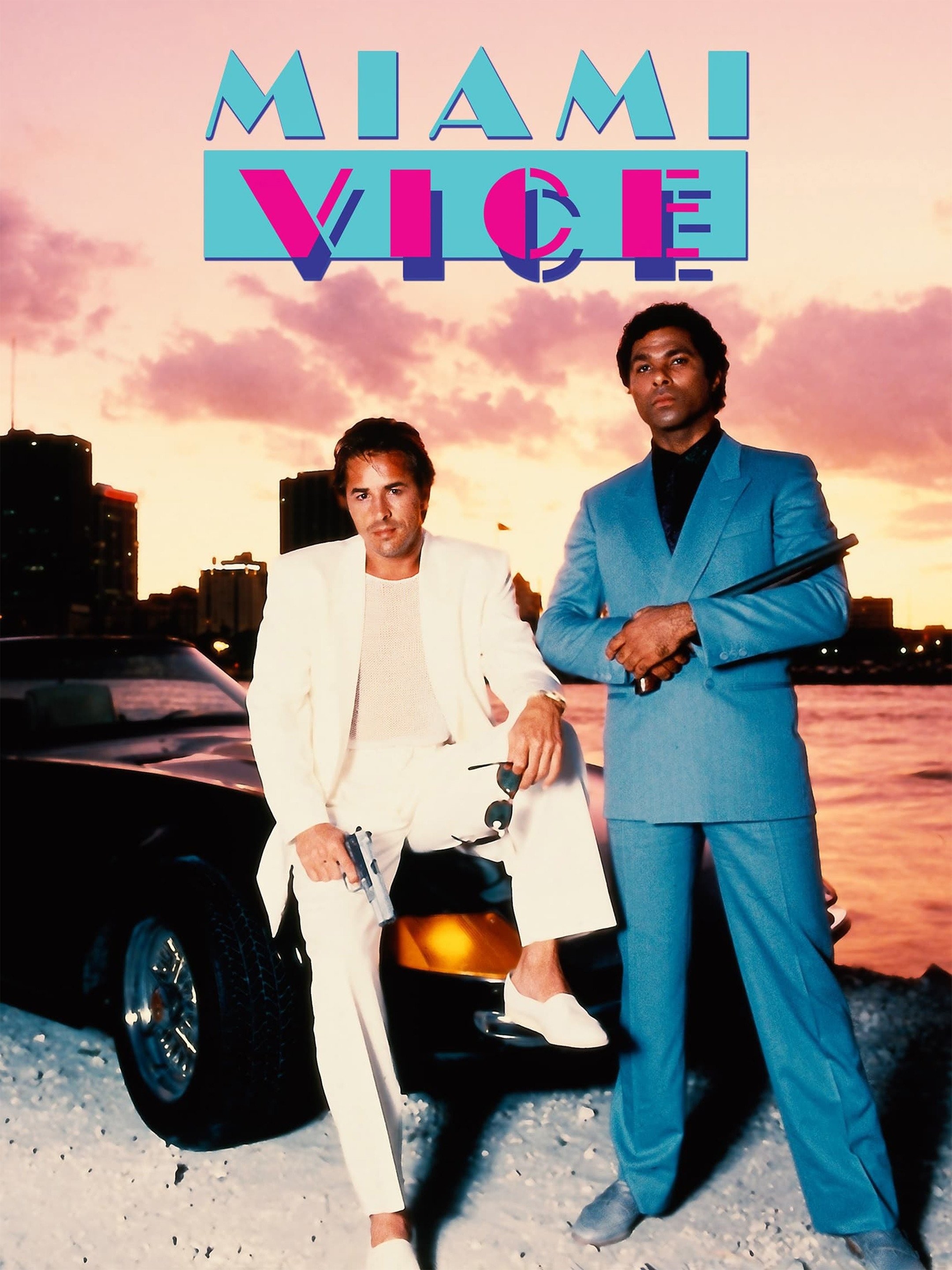
Miami, a city synonymous with sunshine, art deco splendor, and an infectious energy, has captivated imaginations for decades. But when we speak of “Miami Vice,” we’re not just talking about the city itself. We’re referencing a cultural phenomenon, a television series that redefined the crime drama genre and permanently etched a stylish, sun-drenched aesthetic into the global consciousness. This iconic show, which aired from 1984 to 1989, was more than just a collection of gritty police stories; it was a vibrant tapestry woven from the threads of fashion, music, art, and the very spirit of Miami itself.

“Miami Vice” didn’t just show Miami; it was Miami. The show’s creators, Michael Mann and Anthony Yerkovich, meticulously crafted a vision of the city that was both aspirational and intoxicating. They tapped into the burgeoning trends of the 1980s, infusing the series with a palpable sense of cool that resonated with audiences worldwide. From the pastel suits and designer sunglasses worn by its protagonists to the evocative synth-pop soundtrack that became a chart-topping sensation, “Miami Vice” was a masterclass in sensory immersion. It presented a Miami that was glamorous, dangerous, and undeniably alluring, a city where high-stakes drug busts unfolded against a backdrop of breathtaking sunsets and pulsating nightlife.
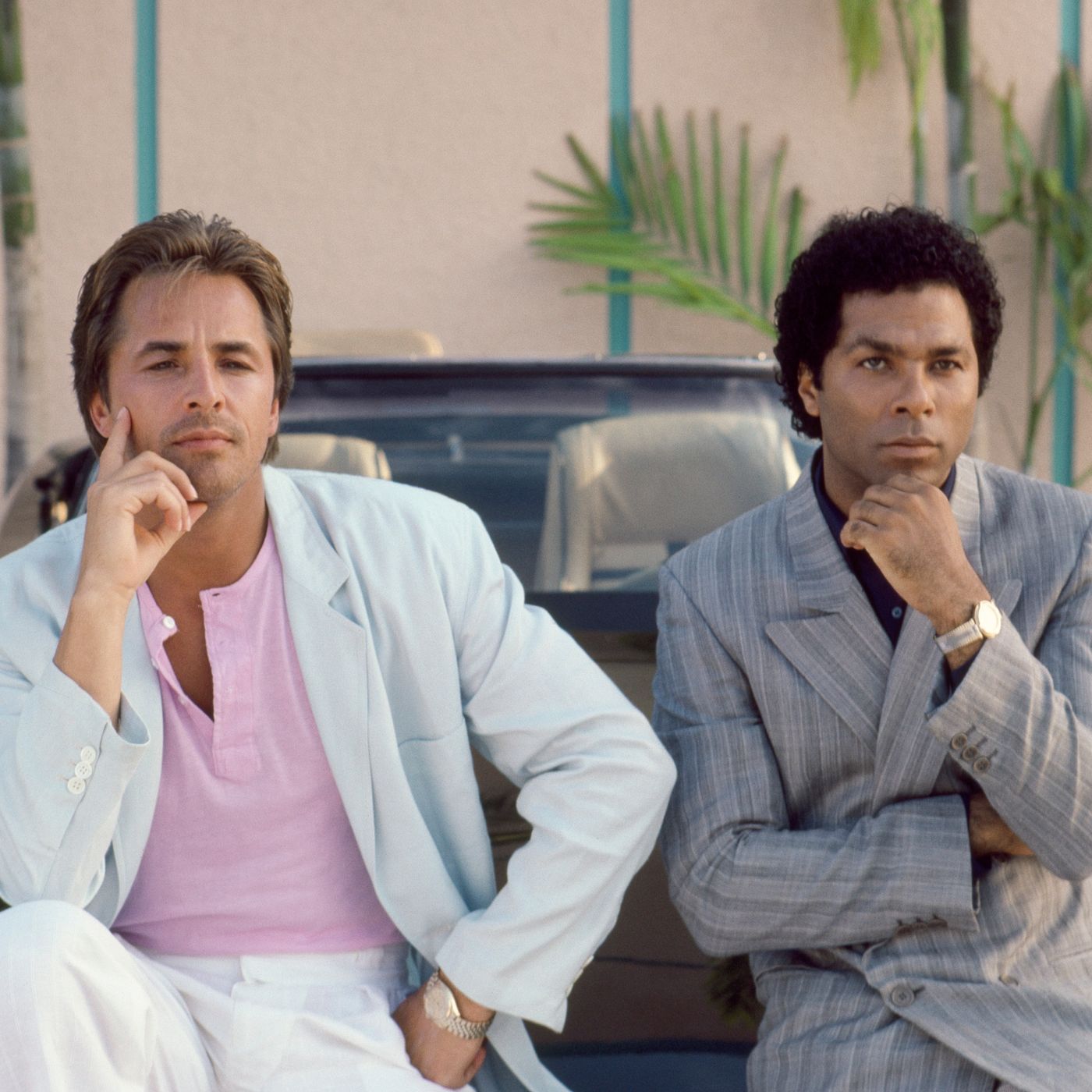
The series followed the exploits of undercover detectives James “Sonny” Crockett, played by Don Johnson, and Ricardo “Rico” Tubbs, portrayed by Philip Michael Thomas, as they navigated the treacherous underbelly of the drug trade, arms trafficking, and murder in Miami. Their methods were unconventional, their lives often blurred the lines between their professional and personal worlds, and their unwavering commitment to justice, however unorthodox, made them compelling figures. The show’s innovative approach to storytelling, its cinematic visual style, and its fearless exploration of complex social issues set it apart from anything seen before on television.
The Aesthetic of Cool: Fashion, Music, and the Miami Vibe
The enduring legacy of “Miami Vice” is intrinsically linked to its groundbreaking aesthetic. It wasn’t just a TV show; it was a fashion statement and a musical revolution rolled into one. The series’ visual language was as important as its plotlines, influencing trends that are still felt today.
Style That Defined an Era
The fashion in “Miami Vice” was a radical departure from the conventional police procedural attire of the time. Gone were the drab, ill-fitting uniforms and perpetually rumpled suits. In their place emerged a new sartorial language that exuded sophistication and a laid-back sensuality. Sonny Crockett, in particular, became a style icon. His signature look, often featuring pastel-colored linen blazers worn over t-shirts or turtlenecks, designer sunglasses (most famously Ray-Ban Wayfarers and Aviators), and loafers without socks, was the epitome of 1980s cool. This ensemble projected an image of effortless confidence, a stark contrast to the gritty realism often associated with crime dramas.
The show’s costume designer, Red Lewis, was instrumental in crafting this distinct look. He drew inspiration from the vibrant colors and relaxed silhouettes prevalent in Miami’s fashion scene, a blend of Mediterranean flair and South Florida chic. Beyond Crockett, other characters also sported stylish wardrobes, reflecting the show’s commitment to a visually rich experience. The clothing wasn’t merely for show; it was an integral part of character development, conveying personality, status, and attitude. The influence of “Miami Vice” fashion can still be seen in contemporary resort wear and casual-chic ensembles, proving its lasting impact on the world of style.
The Soundtrack That Became a Phenomenon
Equally as vital to the “Miami Vice” experience as its visuals was its groundbreaking soundtrack. The series embraced the burgeoning synth-pop and new wave music genres, commissioning an original score by Jan Hammer that became instantly recognizable. Hammer’s iconic theme music, with its driving synthesizers and propulsive beat, perfectly captured the show’s energy and sense of urgency.
But the soundtrack went far beyond the theme tune. Each episode was a carefully curated playlist of contemporary hits, featuring artists like Phil Collins, Tina Turner, Glenn Frey, and U2. These songs weren’t just background noise; they were woven into the narrative, enhancing the mood, underscoring emotional moments, and amplifying the visual dynamism of the scenes. The show’s willingness to feature cutting-edge music introduced a generation of viewers to new artists and genres, solidifying its role as a cultural tastemaker. The “Miami Vice” soundtrack albums were massive commercial successes, topping charts and further cementing the show’s influence on popular culture. It demonstrated the power of music to elevate a television series from mere entertainment to a full-fledged cultural phenomenon.
Miami: More Than a Backdrop, It’s a Character
“Miami Vice” didn’t just use Miami as a filming location; the city itself was an active participant in the drama, a vibrant and multifaceted character that shaped the show’s narrative and its enduring appeal. The creators embraced the unique allure of South Florida, showcasing its diverse landscapes, its architectural marvels, and its pulsating cultural heartbeat.
Exploring Miami’s Iconic Landmarks and Neighborhoods
The series offered viewers an unprecedented tour of Miami and its surrounding areas, highlighting iconic landmarks and distinct neighborhoods that became synonymous with the show’s aesthetic. From the sun-drenched beaches of South Beach to the opulent estates of South Florida, the show captured the essence of this tropical metropolis.
The Art Deco Historic District in South Beach was a particularly prominent feature. Its pastel-colored buildings, with their geometric shapes and nautical motifs, provided a visually stunning backdrop for the detectives’ investigations. The Fontainebleau Miami Beach hotel, with its mid-century modern grandeur, was another frequent filming location, adding a touch of old-school Hollywood glamour to the series. Beyond these well-known spots, the show also explored the more gritty and diverse corners of the city, from the bustling streets of Little Havana to the tranquil canals of the Florida Keys. Each location contributed to the show’s rich tapestry, offering a glimpse into the multifaceted personality of Miami.
The show’s cinematography was instrumental in showcasing these locations. Director of Photography, Ernest Dickerson, employed a distinctive visual style, utilizing neon lights, moody shadows, and sweeping drone shots to capture the city’s atmosphere. This visual richness transformed Miami from a mere setting into a character in its own right, a place of both intense beauty and hidden dangers. The series encouraged audiences to see Miami not just as a vacation destination, but as a city with a complex identity, a place where the vibrant surface often hid a darker undercurrent.
Experiencing the “Miami Vice” Lifestyle: Travel, Tourism, and Accommodation
For many viewers, “Miami Vice” sparked a desire to experience the city firsthand. The show created an aspirational lifestyle that transcended the screen, influencing travel patterns and fueling interest in Miami’s unique offerings. The allure of sun, style, and adventure beckoned, and the city became a prime destination for those seeking a taste of that iconic “Vice” lifestyle.
Today, visitors can still trace the footsteps of Crockett and Tubbs, experiencing the very essence of what made the show so captivating. The vibrant energy of South Beach, with its iconic Ocean Drive and stunning Art Deco architecture, remains a must-see. Staying in one of the many boutique hotels in the Art Deco district offers an immersive experience, allowing guests to soak in the historic ambiance. For those seeking luxury, Miami boasts world-class resorts and opulent hotels that offer unparalleled amenities and breathtaking ocean views.
The culinary scene, which was subtly hinted at in the show’s depiction of lavish parties and undercover stakeouts, is now a major draw. From fresh seafood to Cuban-inspired dishes, Miami’s diverse gastronomic landscape caters to every palate. Exploring the city’s vibrant neighborhoods, from the artistic Wynwood district with its stunning street art to the culturally rich Little Havana, offers a deeper understanding of the local culture and activities that inspired the show. The “Miami Vice” era may have passed, but its spirit lives on in the city’s enduring style, its captivating energy, and its endless opportunities for unforgettable experiences. Whether you’re a long-time fan or a newcomer, Miami continues to offer a journey into a world where style, excitement, and a touch of danger are always on the horizon.
The Lasting Impact of a Cultural Touchstone
“Miami Vice” was more than just a successful television series; it was a cultural phenomenon that left an indelible mark on fashion, music, and the perception of Miami itself. Its innovative approach to storytelling and its distinctive visual style set new standards for television production and continue to influence creative works today.
The show’s impact on the tourism industry in Miami cannot be overstated. It put the city on the global map, attracting visitors eager to experience the glamorous and exciting atmosphere they saw on screen. The pastel hues, the sleek cars, and the vibrant nightlife became synonymous with a dream vacation, and the city benefited immensely from this newfound international fame. Many of the hotels, restaurants, and landmarks featured in the show, or inspired by its aesthetic, became tourist hotspots, drawing in fans who wanted to immerse themselves in the “Miami Vice” experience. The show’s influence on the perception of Miami as a stylish and exciting destination is a testament to its powerful cultural reach.
Beyond its commercial success and tourist appeal, “Miami Vice” also managed to tackle complex social issues with a surprising degree of nuance for its time. The series often delved into the moral ambiguities faced by undercover police officers, the corrosive effects of the drug trade, and the broader societal challenges of the 1980s. This willingness to explore darker themes within a visually stunning and stylish framework distinguished it from other crime dramas and resonated with a discerning audience. The show’s enduring popularity is a testament to its ability to blend compelling drama, cutting-edge style, and a thought-provoking exploration of human nature against the backdrop of one of America’s most iconic cities. The legacy of “Miami Vice” is a reminder of the power of television to not only entertain but also to shape culture, define eras, and inspire generations.