
Colorado, a state renowned for its breathtaking natural beauty, vibrant cities, and thriving tourism industry, offers a unique blend of adventure and relaxation for travelers worldwide. From the majestic peaks of the Rocky Mountains to the bustling streets of Denver and the charming towns dotting its landscape, Colorado truly has something for everyone. Whether you’re planning a luxurious ski trip, a budget-friendly hiking excursion, a family vacation to a historic landmark, or even considering a longer stay as a digital nomad, understanding the local economic landscape is a crucial part of your preparation. A significant component of this landscape, especially for those interacting with the hospitality sector or contemplating employment within it, is the state’s minimum wage.
The minimum wage in Colorado is more than just a number; it’s a dynamic factor influencing everything from the cost of your morning coffee to the pricing of your hotel room, and the overall experience you have with the dedicated service professionals who make your travel dreams a reality. This comprehensive guide will delve into the intricacies of Colorado’s minimum wage, examining its current rates, annual adjustments, regional variations, and its profound impact on the state’s vibrant tourism, accommodation, and lifestyle sectors. For travelers, understanding these economic underpinnings can lead to more informed budgeting and a deeper appreciation for the local economy. For those considering working in Colorado’s bustling hospitality scene, it offers a vital overview of earning potential and worker protections.
Navigating Colorado’s Minimum Wage: A Traveler’s Economic Compass
For any discerning traveler, a well-planned budget is the cornerstone of a stress-free adventure. When visiting a destination like Colorado, renowned for both its high-end resorts and accessible outdoor experiences, understanding the local cost of living and labor can significantly enhance your financial preparedness. Colorado’s minimum wage, which sees annual adjustments, plays a direct role in shaping the prices of services and goods you encounter, from gourmet meals in Aspen to a simple souvenir in Colorado Springs.
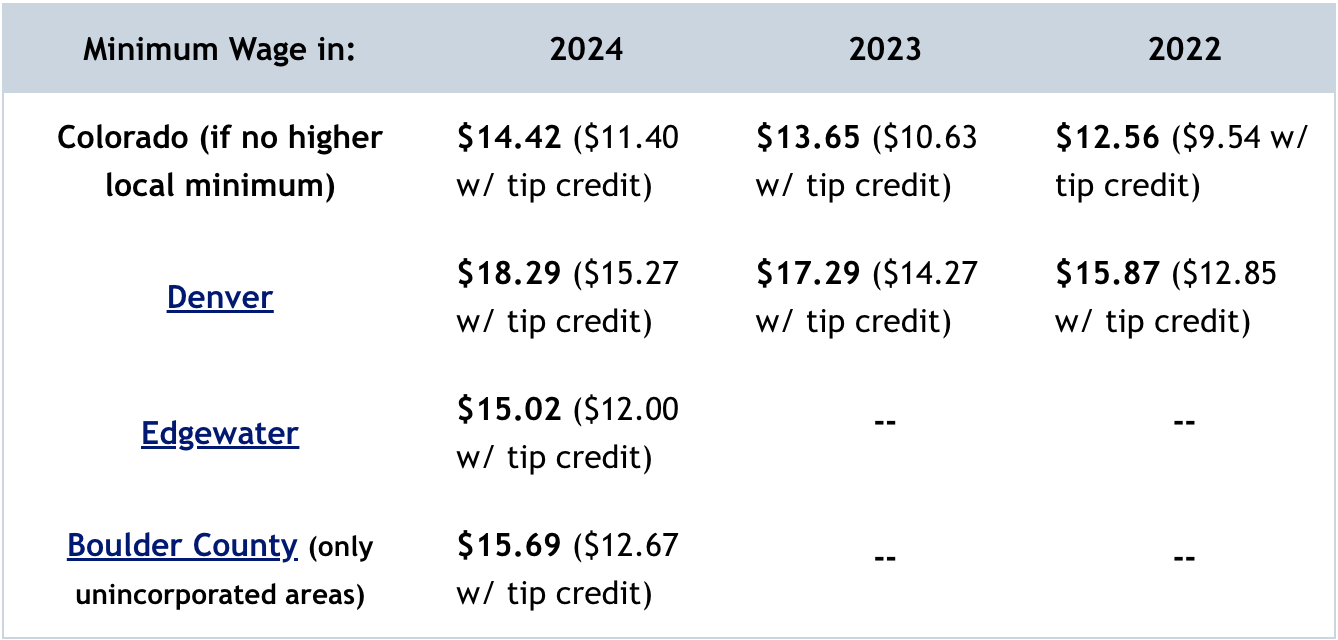
As of January 1, 2024, the statewide minimum wage in Colorado is $14.42 per hour. This marks an increase from the $13.65 per hour rate in 2023, reflecting a consistent commitment by the state to ensure a living wage for its residents. The mechanism behind this annual adjustment is particularly noteworthy: the minimum wage is tied to the Consumer Price Index (CPI) for the Denver-Aurora-Lakewood area. This means that as the cost of living in this key metropolitan region fluctuates, so too does the baseline earning potential for workers across the state. For travelers, this ensures a certain level of economic stability for the local workforce, potentially translating to better service quality and a more vibrant local economy that can support a diverse array of tourist attractions and accommodations. When you pay for a hotel room, a guided tour, or a meal, a portion of that cost directly contributes to these wages, supporting the very people who make your Colorado experience memorable. Recognizing this connection fosters a deeper appreciation for the local ecosystem you’re visiting.
Tipping Culture and the Tipped Minimum Wage
Colorado’s unique approach to tipped employees is another critical aspect for both visitors and those considering work in the state’s service industry. For roles where tips are a customary part of compensation, such as restaurant servers, hotel bellhops, or tour guides, the state has a specific minimum cash wage. Currently, the minimum cash wage for tipped employees is $11.40 per hour. However, there’s a crucial caveat: this lower cash wage is only permissible if the employee’s tips, when added to this $11.40, bring their total hourly compensation up to or exceeding the full statewide minimum wage of $14.42. If, for any reason, tips fall short of this threshold, the employer is legally obligated to make up the difference.
This system is designed to provide a safety net for service workers, ensuring they always earn at least the full minimum wage. For travelers, this understanding is vital when considering tipping practices. While tipping is always appreciated and a significant part of the income for many hospitality workers, knowing that their base pay is regulated ensures that your generous gestures enhance an already secure income, rather than solely forming it. It allows visitors to enjoy their dining experiences and hotel stays knowing that the staff serving them are protected by state law. For individuals looking into hospitality jobs, this framework provides a clear picture of potential earnings, balancing a guaranteed base with the lucrative potential of customer gratuities in popular tourist areas like Vail or Telluride.
Regional Nuances: Wage Differences Across Colorado’s Iconic Destinations
While Colorado sets a foundational statewide minimum wage, the economic reality within its diverse cities and regions can vary significantly. This is especially true in its bustling urban centers and popular tourist destinations, where the cost of living often outpaces the statewide average. Understanding these regional differences is essential for comprehensive travel planning, particularly for those on a budget or considering longer-term accommodation options like extended-stay apartments or even moving to the state.
Urban Centers Leading the Way: Denver and Boulder
Nowhere is this regional variation more evident than in Colorado’s capital city, Denver, and the vibrant university town of Boulder. These cities, acting as major hubs for tourism, business, and lifestyle, have taken the initiative to establish their own, higher local minimum wage rates. As of January 1, 2024, the city of Denver boasts a minimum wage of $18.29 per hour, substantially higher than the state’s $14.42. Similarly, the city of Boulder also mandates a higher minimum wage, further reflecting the elevated cost of living and strong economic activity within its limits.
For travelers, these higher wages in places like Denver and Boulder often translate into slightly higher prices for accommodations, dining, and local activities. A stay at a luxury hotel in downtown Denver or a gourmet meal in Pearl Street Mall in Boulder will reflect these increased labor costs. However, this also contributes to a higher quality of life for workers in these areas, potentially leading to lower staff turnover in the hospitality sector and a more experienced, dedicated workforce eager to provide exceptional service. This investment in human capital ultimately enhances the tourist experience. For those considering a longer stay, perhaps as a digital nomad or for business travel, understanding these local wage ordinances is crucial for accurately budgeting for daily expenses and assessing potential income if temporary work is part of the plan. It can influence decisions about where to book a long-term rental or where to seek out local experiences.
The Broader Landscape: Exemptions and Specific Scenarios
While the general minimum wage guidelines apply broadly across Colorado, there are specific exemptions and scenarios that travelers and potential workers should be aware of. These exemptions are typically designed to address unique employment situations or specific industries. For instance, certain agricultural workers may fall under different wage regulations, as do bona fide executive, administrative, and professional employees who are typically salaried and meet specific duties tests. Outside salespersons also generally have different compensation structures.

Furthermore, specific rules apply to youth employment, particularly concerning minors under a certain age or those working in limited capacities. Seasonal recreational establishments, often found in Colorado’s popular ski resorts like Breckenridge or summer adventure parks, might also have unique wage considerations, especially for certain types of seasonal staff. While these exemptions might not directly impact the average tourist, they are crucial for anyone considering employment in these niche sectors of Colorado’s economy. They highlight the nuanced legal framework governing labor in the state, overseen by bodies like the Colorado Department of Labor and Employment (CDLE), which ensures compliance and protects workers’ rights.
The Broader Impact: How Wage Policies Shape Colorado’s Tourism Landscape
The minimum wage, far from being just a technical labor statistic, acts as a foundational pillar supporting and shaping Colorado’s expansive and vibrant tourism industry. Its influence permeates various aspects of travel and hospitality, affecting everything from the quality of service in hotels and resorts to the affordability of local attractions and the overall economic health of tourist-dependent communities.
Impact on the Hospitality and Accommodation Sector
The hospitality and accommodation sector, encompassing everything from luxurious five-star hotels in Denver to charming bed and breakfasts in mountain towns and budget-friendly motels along scenic routes, is profoundly affected by minimum wage policies. When the minimum wage increases, businesses in this sector, particularly small and medium-sized enterprises (SMEs), face higher labor costs. This often necessitates strategic adjustments, which can manifest in several ways:
- Pricing Adjustments: Hotels and resorts may adjust their room rates, restaurants might slightly increase menu prices, and tour operators could modify their excursion fees. For the traveler, this means that the “budget travel” segment might see slight increases, while “luxury travel” experiences, already commanding premium prices, will continue to reflect the high quality of service and amenities. Understanding this helps travelers budget realistically for their chosen level of comfort and experience.
- Service Quality and Staff Retention: Counter-intuitively, higher wages can lead to improved service quality. By offering competitive wages, businesses in Colorado are better positioned to attract and retain skilled, motivated employees. This translates to more experienced hotel staff, knowledgeable tour guides, and dedicated restaurant servers, all of whom contribute significantly to a positive guest experience. Lower employee turnover means more consistency and expertise, enhancing the overall appeal of Colorado as a premier travel destination. Imagine a hotel where the staff remember your preferences or a tour guide who shares deeper insights due to years of experience – these are often benefits of a stable, fairly compensated workforce.
- Investment in Training and Technology: Faced with higher labor costs, some businesses might also invest more in employee training to maximize productivity and efficiency, or in technology (e.g., self-check-in kiosks, automated cleaning equipment) to streamline operations. While technology might reduce some human interaction, it can also free up staff to focus on more personalized guest services, further enriching the traveler’s experience.
Fostering a Robust Local Economy and Lifestyle
The concept of a “living wage,” which Colorado’s minimum wage policies aim to approach, has broader implications for the state’s local economies and the lifestyle it offers. When workers earn a fair wage, they have greater disposable income, which they often reinvest in local businesses, boosting economic activity beyond the tourism sector itself. This creates a more resilient and vibrant community for both residents and visitors.
For travelers, a strong local economy means a more diverse and authentic experience. It supports local shops, unique eateries, and cultural attractions that might otherwise struggle. When you visit a charming town in Colorado, the local minimum wage contributes to the vitality of the small businesses that give that town its character. For those contemplating a lifestyle change, such as digital nomads looking for a long-term stay or individuals considering relocating for work, Colorado’s wage structure provides a clearer picture of the financial viability of living and working in the state. It influences decisions about accommodation, leisure activities, and overall quality of life, whether one is seeking the luxury of mountain resorts or the simpler pleasures of a budget-friendly outdoor adventure.
Historical Context and Future Outlook
Colorado’s current minimum wage framework is largely a result of Amendment 70, approved by voters in 2016. This landmark amendment mandated annual increases to the state minimum wage until it reached $12 per hour by 2020, with subsequent increases tied directly to inflation, specifically the CPI for the Denver-Aurora-Lakewood area. This commitment to indexing wages to inflation ensures that the purchasing power of workers is maintained over time, reflecting a proactive approach to economic fairness.
Looking ahead, Colorado’s minimum wage is expected to continue its trajectory of annual adjustments, largely driven by economic indicators. For travelers, this means a consistent economic environment, where the cost of services and the quality of labor are generally predictable. For the tourism and hospitality industry, it signifies a need for ongoing adaptation and strategic planning to ensure sustainable operations while upholding worker welfare. The state’s progressive stance on wages contributes to its reputation not just as a stunning travel destination, but also as a state that values its workforce, creating a more balanced and equitable environment for all. This balance between economic growth and social responsibility is part of what makes Colorado a compelling destination for a wide array of travel experiences, from exhilarating outdoor adventures to enriching cultural explorations and comfortable, well-serviced accommodations.

Conclusion
Understanding “What Is Minimum Wage Colorado?” goes far beyond a simple numerical answer; it provides a comprehensive lens through which to view the state’s vibrant travel, tourism, accommodation, and lifestyle sectors. From the statewide base rate of $14.42 per hour for 2024, to the higher local wages in metropolitan areas like Denver ($18.29 per hour), these figures are interwoven with the fabric of your Colorado experience. They influence the pricing of your hotel stay, the quality of service you receive at a restaurant, and the overall economic vitality of the communities you visit.
For the traveler, knowing these details enables smarter budgeting and a deeper appreciation for the dedicated individuals who make your vacations special. It highlights why certain destinations might have slightly higher costs, reflecting an investment in a living wage for the service professionals. For those considering a temporary move, an extended stay, or even employment within Colorado’s thriving hospitality industry, these wage policies offer crucial insights into earning potential and worker protections.
Colorado’s commitment to regularly adjusting its minimum wage, especially through mechanisms like the CPI, demonstrates a progressive approach to ensuring economic stability for its residents. This stability, in turn, fosters a more robust and attractive environment for tourism, making Colorado not just a place of unparalleled natural beauty and adventure, but also a state where the value of labor is recognized and supported, ultimately enriching the experience for every visitor and resident alike. So, as you plan your next unforgettable journey through the Centennial State, remember that the economic pulse of Colorado beats in sync with the efforts to support its local workforce, contributing to the exceptional experiences you are sure to discover.