
Las Vegas — the mere mention of the name conjures images of glittering casinos, world-class entertainment, lavish resorts, and an endless pursuit of excitement. Known globally as the Entertainment Capital of the World, Sin City thrives on tourism, hospitality, and a round-the-clock service economy. Beneath the dazzling façade, however, lies a complex economic reality, particularly concerning the minimum wage that underpins the livelihoods of countless individuals who make the magic happen. For both prospective workers considering a move to this vibrant city and curious travelers wanting to understand the local landscape, grasping the intricacies of the minimum wage in Las Vegas is essential. It impacts everything from the cost of your hotel stay to the quality of service you receive, and, most importantly, the daily lives of the dedicated workforce.
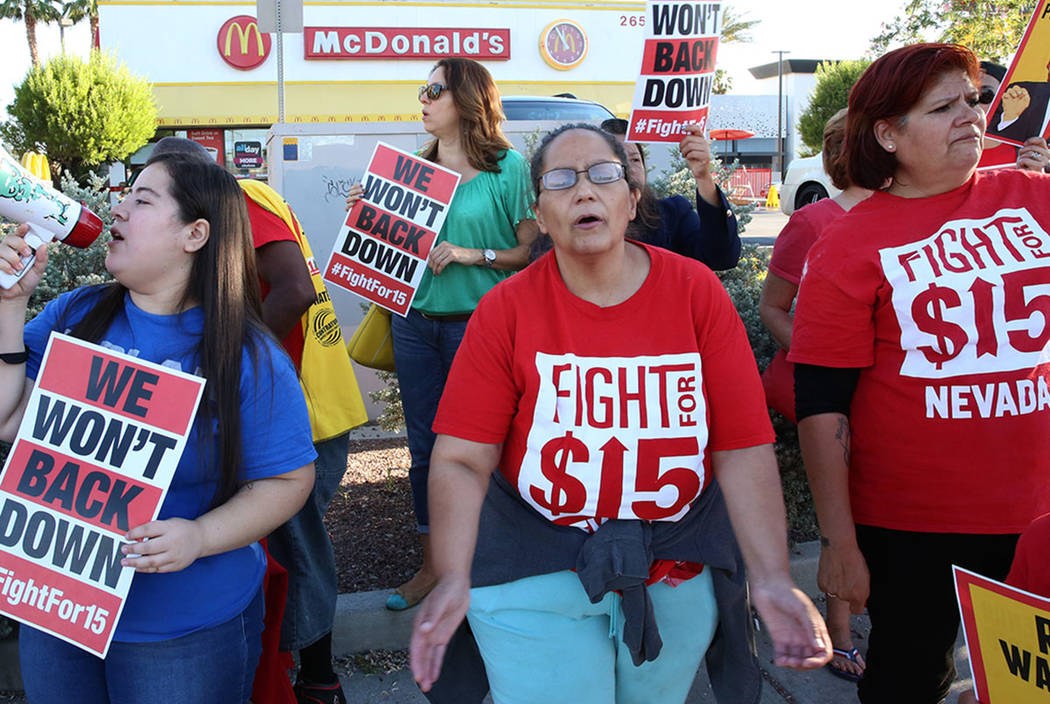
This article delves into the specifics of Nevada‘s minimum wage, exploring its current structure, historical context, and the profound ripple effects it has across the city’s unique economic ecosystem. We’ll examine how it influences the cost of living, the operations of the sprawling hospitality industry, and ultimately, the lifestyle choices available to both those earning it and those visiting the city. Understanding this fundamental aspect of the local economy offers a deeper appreciation for Las Vegas, moving beyond its superficial allure to its human core.
Understanding Nevada’s Minimum Wage Landscape
Unlike many states, Nevada operates on a slightly more nuanced minimum wage system, a dual-tier structure that often catches newcomers by surprise. This system is designed to account for employers who offer qualifying health benefits to their employees, providing a slightly lower minimum wage for those who do.
The Current Minimum Wage Structure
As of July 1, 2023, the state of Nevada updated its minimum wage to $11.25 per hour. This rate applies to employees who are not offered qualifying health insurance benefits by their employer. For employees who are offered qualifying health benefits, the minimum wage is $10.25 per hour. This dual-tier system is a distinctive feature of Nevada labor law, stemming from the state’s constitutional Minimum Wage Initiative (Nevada) which tied the minimum wage to the provision of health insurance.
It’s crucial to understand that this is the state-mandated minimum. Employers are always free to pay more, and many do, especially in competitive sectors or highly unionized environments within Las Vegas. The U.S. Department of Labor also sets a Federal minimum wage, which currently stands at $7.25 per hour. However, when state and federal minimum wages differ, employers are legally obligated to pay the higher of the two. In Nevada’s case, the state minimum wage significantly exceeds the federal standard, meaning Nevada employers must adhere to the state’s higher rates.
This wage structure has seen regular increases over recent years. From July 1, 2019, the minimum wage was set to increase by $0.75 per hour each year until it reached $11.00 per hour for employees without health benefits and $10.00 per hour for those with, by July 1, 2024. However, in June 2023, Nevada Governor Joe Lombardo signed Assembly Bill 456 into law, accelerating this schedule. This bill eliminated the two-tier minimum wage system effective July 1, 2024, setting a universal minimum wage of $12.00 per hour for all employees, regardless of health benefits. This legislative change marks a significant shift, simplifying the wage structure and providing a more straightforward baseline for workers across the state.
Who Does It Affect?
The minimum wage in Las Vegas primarily impacts a vast segment of the city’s workforce, particularly those in the service and hospitality industries. Think of the individuals who are the backbone of your Las Vegas experience:
- Hotel and Resort Staff: Many roles within major resorts like those operated by MGM Resorts International and Caesars Entertainment, including housekeepers, bellhops, entry-level front desk staff, and maintenance personnel, rely on these wage guidelines. While many unionized positions, especially in larger establishments, may command higher starting wages and comprehensive benefits due to collective bargaining agreements (e.g., with the Culinary Workers Union Local 226), a considerable portion of the non-union workforce often starts at or near the minimum.
- Restaurant and Bar Employees: While tipped employees, such as servers and bartenders, often earn a significant portion of their income through gratuities, the minimum wage still serves as a crucial floor. In Nevada, employers cannot claim a “tip credit” and must pay tipped employees the full minimum wage before tips, a substantial protection compared to many other states. This is a vital distinction, ensuring a more stable income foundation for service staff.
- Retail Workers: From the shops on the Las Vegas Strip to local malls, employees in retail establishments often earn wages influenced by the minimum standard.
- Service Industry: This broad category includes a multitude of roles, from security guards and janitorial staff to entry-level administrative positions across various sectors that support the city’s massive tourism engine.
The impact extends beyond individual workers. It shapes the demographics of who can afford to live and thrive in Las Vegas, influences the decisions of businesses regarding staffing and pricing, and ultimately contributes to the overall economic vitality and social fabric of this unique metropolis.
The Cost of Living in the Entertainment Capital
While the glitz and glamour of Las Vegas might suggest an exorbitant cost of living, the reality is more nuanced. Compared to other major tourist destinations like New York City or coastal California cities, Las Vegas can be relatively affordable in some aspects. However, for those earning minimum wage, navigating the financial landscape still presents significant challenges. The aspiration of a luxurious Las Vegas lifestyle often clashes with the practicalities of making ends meet on an entry-level salary.
Housing and Accommodation Costs
Housing is typically the largest expenditure for most households, and Las Vegas is no exception. While not as high as prime urban centers, housing costs in the Las Vegas Valley have seen substantial increases over the past decade.
- Rent: The average rent for a one-bedroom apartment in Las Vegas varies significantly by neighborhood but often hovers around $1,200 to $1,600 per month. Living closer to the Las Vegas Strip or in more upscale areas naturally pushes these figures higher. For someone earning $11.25 an hour, working a full 40-hour week, gross monthly income is approximately $1,800. This means a substantial portion, if not the majority, of their income would be dedicated to housing, leaving little for other necessities. This often necessitates roommates, longer commutes from more affordable suburbs in Southern Nevada, or living in less desirable areas.
- Home Prices: For those dreaming of homeownership, the median home price in Clark County, which encompasses Las Vegas, has also surged. While still lower than coastal counterparts, it typically ranges from $400,000 to $500,000, placing it well out of reach for most minimum wage earners without significant down payments or dual-income households. The allure of accommodation in Las Vegas for long-term stays or permanent relocation is heavily weighted by these rising costs.
These figures underscore the significant pressure on minimum wage workers to find affordable housing, often pushing them further away from their workplaces on the Las Vegas Strip and downtown areas, adding transportation costs and commute times to their burdens.

Everyday Expenses
Beyond housing, minimum wage earners in Las Vegas face a range of other essential expenses.
- Food: Grocery costs in Las Vegas are generally comparable to national averages, though certain specialty items or organic produce can be pricier. Dining out, especially at the numerous tourist-oriented restaurants, can quickly deplete a budget. Workers often rely on more economical grocery stores and cooking at home to manage food costs.
- Transportation: While Las Vegas has a public bus system (RTC Transit), it may not be comprehensive enough for all commutes, especially from outlying areas. Owning a car incurs costs for fuel, insurance, and maintenance. Gas prices in Nevada tend to be higher than the national average, often aligning more with California prices due to regional refining and transportation logistics. This can be a substantial burden for those driving to work daily.
- Utilities: Electricity, water, and internet bills add to the monthly outgoing. Air conditioning is a necessity for much of the year in the desert climate, leading to higher electricity bills during the scorching summer months.
- Healthcare: Even with employer-provided health benefits (which allow for the lower minimum wage tier), out-of-pocket expenses, co-pays, and deductibles can be significant. For those without employer-sponsored health insurance, accessing affordable healthcare can be a major challenge, especially on a minimum wage income.
These everyday expenses, combined with housing costs, mean that budgeting for a minimum wage earner in Las Vegas is often a tightrope walk. The “budget travel” mentality isn’t just for visitors; it’s a daily reality for many of the city’s residents. The promise of the vibrant Las Vegas lifestyle is, for many, a distant dream rather than an attainable reality.
Minimum Wage and the Las Vegas Tourism Industry
Las Vegas’s economy is inextricably linked to its tourism industry. The city’s massive resorts, world-renowned attractions, and vibrant nightlife demand a huge workforce, making the minimum wage a critical factor in the operational success and visitor experience of this unique destination.
Impact on Hospitality Businesses
For the titans of the hospitality industry – the sprawling casino resorts like those managed by Wynn Resorts, MGM Resorts International, and Caesars Entertainment – labor costs represent a significant portion of their operational budget.
- Operational Costs: Any increase in the minimum wage directly translates to higher payroll expenses. For businesses employing thousands of staff, even a dollar increase per hour per employee can amount to millions of dollars annually. These costs must be absorbed or passed on.
- Wage Compression: When the minimum wage rises, it can sometimes lead to wage compression, where the pay gap between entry-level workers and those slightly above them shrinks. This can create dissatisfaction among more experienced employees who feel their skills and tenure are not adequately rewarded, potentially leading to turnover or demands for higher wages across the board.
- Staffing Challenges: Businesses must balance competitive wages to attract and retain talent in a demanding labor market with maintaining profitability. If wages aren’t competitive, especially in a city with such high demand for labor, businesses might face staffing shortages, impacting service quality. The Las Vegas market is highly competitive for hospitality talent, and while minimum wage sets the floor, many employers pay above it to secure the best employees.
- Technological Integration: Facing rising labor costs, some businesses might explore automation or other technological solutions to reduce reliance on human labor in certain roles, impacting future job availability for minimum wage earners. This is a common discussion point in hotels globally.
Despite these challenges, a fair minimum wage is also seen as crucial for staff morale, productivity, and reducing turnover, ultimately benefiting the business in the long run. High-quality service is a hallmark of the Las Vegas experience, and a content workforce is often a more effective workforce.
Implications for Tourists and Visitors
For the millions of tourists who flock to Las Vegas each year, the minimum wage might seem like a distant concern, but its effects subtly shape their entire visit.
- Service Quality and Tipping Culture: A living wage, or at least a stable income floor provided by the minimum wage, can directly impact the quality of service. Employees who feel adequately compensated are often more engaged, motivated, and provide better service. This contributes to the overall “experience” that Las Vegas is famous for. Moreover, the city’s robust tipping culture often supplements the income of many service workers, and understanding the base wage can sometimes influence a tourist’s decision on gratuities.
- Potential for Price Increases: To offset increased labor costs, hospitality businesses may adjust their pricing for hotel rooms, dining, entertainment, and other attractions. While Las Vegas is known for offering value in many areas, particularly compared to the sheer scale of luxury and entertainment, these economic realities can influence resort fees, buffet prices, and show ticket costs over time. This becomes a consideration for travelers planning their budget for a Las Vegas trip, affecting both luxury travel and budget travel options.
- Understanding the Worker’s Perspective: For a more conscious traveler, understanding the economic realities for Las Vegas workers can foster a greater appreciation for the effort that goes into their travel experiences. It promotes a sense of responsible tourism, recognizing that the glittering facade is built on the hard work of thousands. Whether it’s enjoying the intricate details of a themed hotel, experiencing the thrill of a casino, or exploring landmarks like the Fremont Street Experience or even day trips to Hoover Dam and the Grand Canyon, every aspect relies on human effort.
The interplay between minimum wage and the tourism industry highlights a delicate balance: providing fair compensation for workers while maintaining Las Vegas’s reputation as a premier, competitive, and accessible global destination.
Navigating the Financial Realities: Tips for Workers and Visitors
Whether you’re considering a move to Las Vegas for work or planning a memorable vacation, understanding the financial landscape shaped by the minimum wage is key to making informed decisions and ensuring a rewarding experience.
For Las Vegas Workers
For those considering employment in Las Vegas, particularly in the hospitality sector, focusing solely on the minimum wage might not provide a complete picture.
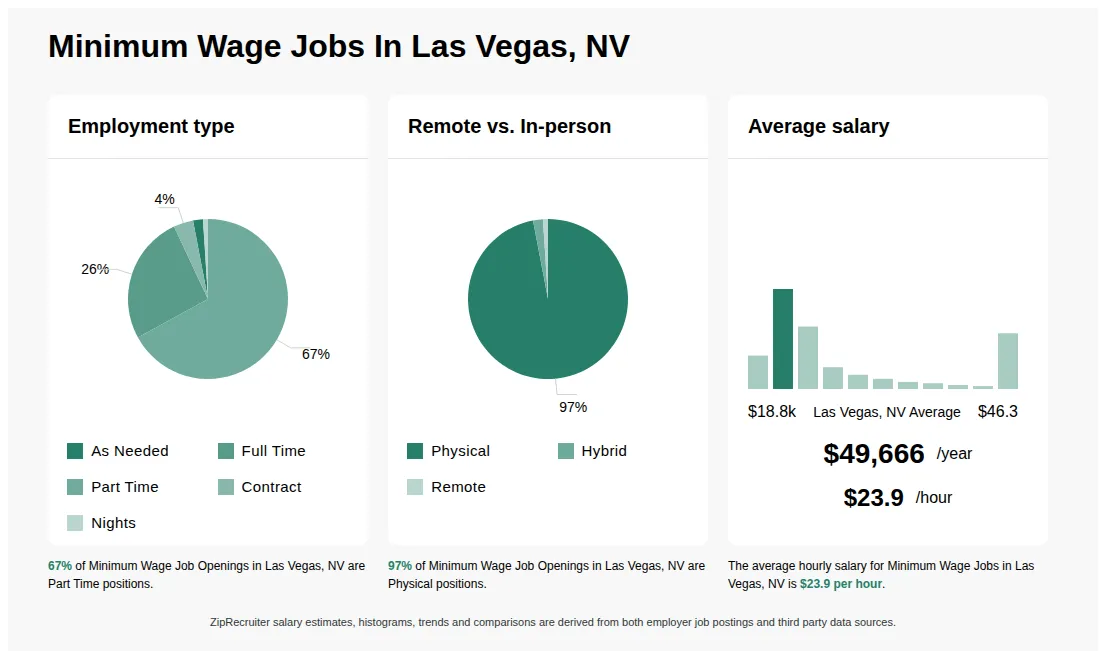
- Beyond Minimum Wage: Many positions, especially in large resorts, offer wages significantly above the state minimum, particularly roles that involve specialized skills or direct customer interaction with tipping potential. For instance, jobs with the Culinary Workers Union Local 226 often come with robust benefit packages, better wages, and job security due to collective bargaining. Always research average wages for specific roles rather than just the minimum.
- The Power of Tipping: Las Vegas is a city where tipping is deeply ingrained in the culture and forms a substantial part of many service workers’ incomes. Roles like casino dealers, cocktail servers, valets, and bellhops can earn considerable income through gratuities. For entry-level positions where tips are less common, benefits like health insurance, paid time off, and retirement plans become even more critical components of total compensation.
- Career Progression and Skill Development: The hospitality industry in Las Vegas offers numerous opportunities for career advancement. Starting at an entry-level position can be a stepping stone to supervisory, management, or specialized roles with higher pay. Investing in skill development – whether it’s learning a new language, gaining certifications in hospitality management, or honing customer service skills – can significantly boost earning potential. Many resorts also offer internal training and development programs.
- Financial Planning and Resources: Given the cost of living, prudent financial planning is crucial. Budgeting apps, local credit unions, and community financial literacy programs can provide valuable support. Exploring more affordable housing options in areas like North Las Vegas or Henderson, which still offer good amenities and access to the city, can also ease financial strain.
For Travelers and Those Considering Relocation
For visitors to Las Vegas and those contemplating a move, the economic realities influence their experience in different ways.
- Budgeting for a Trip: Understanding that labor costs influence prices, travelers can better plan their budget. While Las Vegas offers unparalleled luxury, there are also numerous ways to enjoy the city on a budget. Seeking out hotel deals, taking advantage of happy hour specials, or exploring free attractions like the Bellagio Fountains or the Fremont Street Experience can help manage costs. Being aware of resort fees and taxes is also critical, as they significantly add to accommodation expenses. Planning excursions to nearby natural attractions such as Red Rock Canyon National Conservation Area, Lake Mead, or the Spring Mountains can also offer affordable alternatives to Strip activities.
- Understanding the Economic Landscape Before Moving: For those considering relocation for work, a thorough understanding of the minimum wage, average salaries for target positions, and the local cost of living is paramount. Researching neighborhoods, transportation options, and the job market before making the move can prevent financial surprises. Networking within specific industry sectors can also provide invaluable insights into true earning potential and benefits beyond the base wage.
- Sustainable Tourism Practices: Being mindful of the local economy and the people who power the tourism industry contributes to a more sustainable and enriching travel experience. Supporting local businesses, leaving generous tips for excellent service, and engaging respectfully with the local culture helps distribute the benefits of tourism more broadly within the community. This holistic view enhances your understanding of Las Vegas as more than just a playground, but a dynamic city with a hardworking population.
In conclusion, the minimum wage in Las Vegas is far more than just a number; it is a foundational element that shapes the lives of its residents and subtly influences the experiences of its millions of visitors. From the dual-tier system to the upcoming universal $12.00 wage, Nevada’s approach to minimum wage reflects its unique economic reliance on hospitality and tourism. While the city dazzles with its promise of extravagance, understanding the financial realities for its workforce provides a more complete and empathetic view of this iconic destination. For anyone looking to work, live, or simply travel through Las Vegas, acknowledging these dynamics deepens one’s appreciation for the city’s enduring allure and the human effort behind its spectacular facade.
LifeOutOfTheBox is a participant in the Amazon Services LLC Associates Program, an affiliate advertising program designed to provide a means for sites to earn advertising fees by advertising and linking to Amazon.com. Amazon, the Amazon logo, AmazonSupply, and the AmazonSupply logo are trademarks of Amazon.com, Inc. or its affiliates. As an Amazon Associate we earn affiliate commissions from qualifying purchases.