For many, the idea of travel conjures images of luxurious resorts, gourmet dining, and seamless experiences, often overlooking the intricate economic fabric that supports these very aspects. Understanding the minimum wage in a destination like Nebraska offers more than just a glimpse into local labor laws; it provides a foundational insight into the cost of living, the health of the hospitality industry, and ultimately, how it shapes the travel and lifestyle experiences available to both residents and visitors. Whether you’re planning a budget-friendly road trip through the heartland or considering a long-term stay, grasping Nebraska’s wage landscape can illuminate everything from the price of a hotel room to the affordability of local attractions and the quality of service you might encounter.
Nebraska, often celebrated for its vast agricultural landscapes, vibrant urban centers like Omaha and Lincoln, and its rich historical heritage, is a state where economic stability and community values play a significant role. The minimum wage here isn’t just a number; it’s a critical component that influences the daily lives of countless individuals working in the tourism, accommodation, and service sectors, directly impacting the overall appeal and accessibility of the state as a travel destination. This article delves into the specifics of Nebraska’s minimum wage, exploring its evolution, its profound effects on the state’s burgeoning travel and tourism industry, and offering practical insights for those looking to experience the Cornhusker State while managing their budget effectively.

Unpacking Nebraska’s Minimum Wage Landscape
The discussion around minimum wage is often complex, balancing the needs of workers with the capacities of businesses. In Nebraska, this balance has been a subject of ongoing dialogue and legislative action, reflecting the state’s commitment to fostering a sustainable economy while ensuring fair compensation for its workforce. For travelers and those interested in the economic health of the places they visit, understanding these dynamics is key to appreciating the local context.
A Look at Current Rates and Recent Legislation
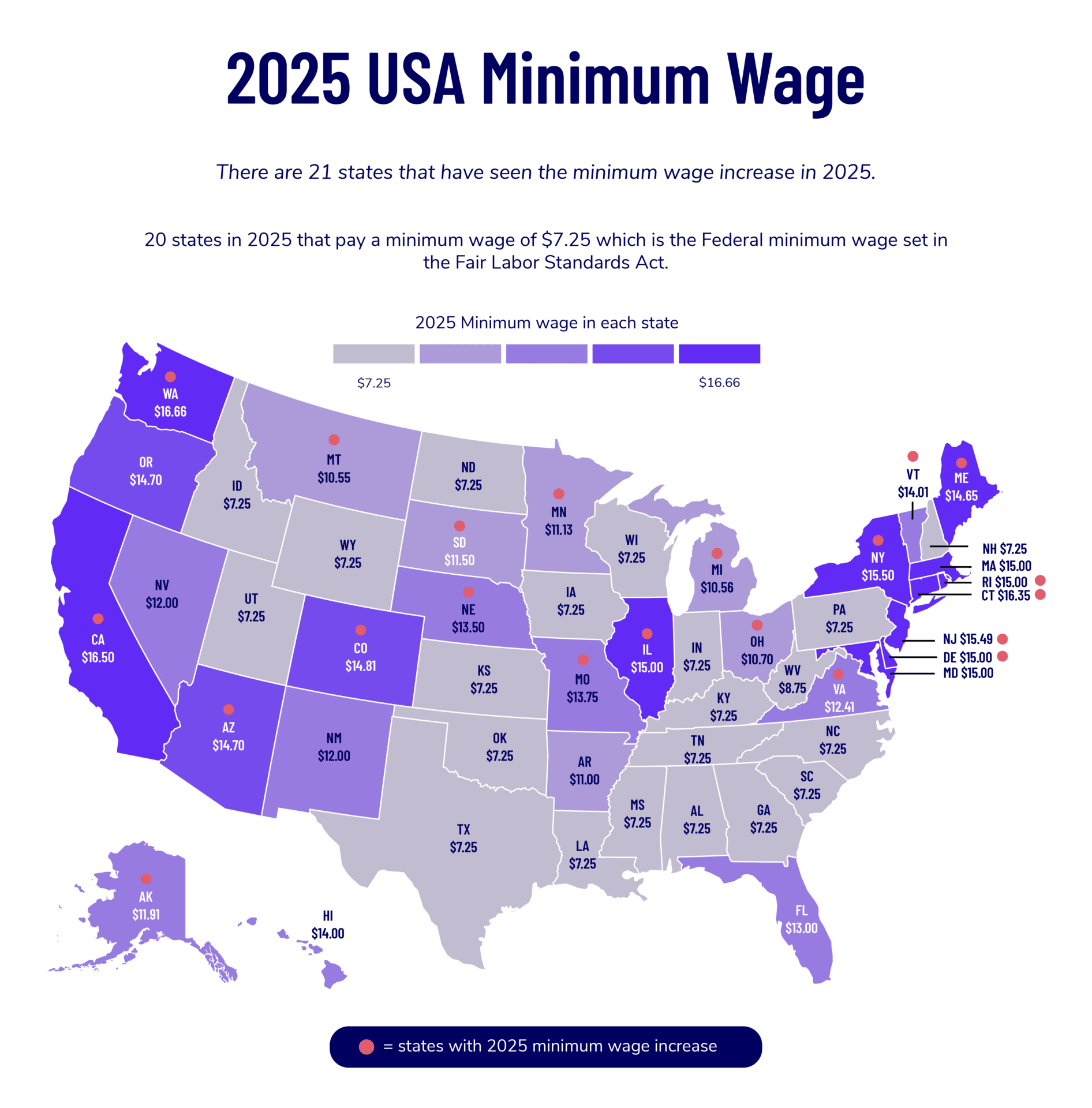
As of January 1, 2024, the minimum wage in Nebraska stands at $12.00 per hour. This rate is a direct result of Initiative Measure 433, which was approved by voters in November 2022. This ballot measure not only established the $12.00 rate for 2024 but also laid out a clear schedule for future increases, demonstrating a progressive approach to wage policy within the state. According to the initiative, the minimum wage is set to rise to $13.50 per hour on January 1, 2025, with subsequent annual adjustments based on the Consumer Price Index beginning January 1, 2026.
This state-level minimum wage significantly exceeds the current federal minimum wage of $7.25 per hour, reflecting Nebraska’s independent decision to set a higher standard for its workers. It’s important to note that while the state minimum wage applies broadly, certain exemptions may exist for specific categories of workers, such as those earning tips (tipped employees) or certain full-time students. However, for the vast majority of employees in the hospitality, retail, and service industries that tourists interact with daily, the $12.00 per hour rate (and its future increments) is the benchmark. This directly affects the labor costs for hotels, restaurants, and attractions, which in turn, can subtly influence pricing for consumers.
Historical Context and the Road to Fairer Wages
The journey to the current minimum wage in Nebraska is a testament to an evolving understanding of economic equity and the cost of living. For many years, Nebraska’s minimum wage hovered closer to the federal standard, undergoing incremental increases through legislative action or voter initiatives. The approval of Initiative Measure 433 marked a pivotal moment, signaling a strong public sentiment in favor of a more substantial increase to support workers.
Historically, minimum wage increases in Nebraska have been driven by a combination of factors, including rising living costs, advocacy from labor organizations, and a recognition of the need to retain a competitive workforce. For instance, before the 2022 initiative, a prior ballot measure in 2014 had also incrementally raised the state’s minimum wage. These shifts reflect a broader national trend where states and localities are taking more proactive roles in setting wage standards that they believe are more aligned with their local economic realities than the federal baseline.
This progressive approach not only aims to improve the quality of life for Nebraska‘s workers but also to stimulate local economies by increasing consumer spending power. For the travel industry, a stable and fairly compensated workforce is crucial for maintaining high service standards, a key factor in ensuring a positive experience for visitors exploring destinations like Omaha’s Old Market or Lincoln’s historic Haymarket District.

The Ripple Effect: Minimum Wage and Nebraska’s Hospitality & Tourism Sector
The hospitality and tourism sector is a cornerstone of Nebraska’s economy, attracting millions of visitors annually to its diverse attractions, from the wildlife wonders of the Henry Doorly Zoo and Aquarium to the historical significance of the Strategic Air Command & Aerospace Museum. The minimum wage plays a critical, albeit often unseen, role in this vibrant sector, influencing everything from staffing quality to the pricing of accommodations and the overall guest experience.
Fueling the Visitor Economy: Wages and Service Quality
Employees in the hospitality industry—hotel front desk staff, housekeepers, restaurant servers, tour guides, and retail associates in tourist areas—are often among those directly impacted by minimum wage policies. A higher minimum wage can lead to several positive outcomes for the visitor economy. Firstly, it can enhance employee morale and reduce turnover rates. When workers feel fairly compensated, they are more likely to be engaged, productive, and provide higher quality service, which is paramount for creating memorable travel experiences. Imagine the difference a happy, well-paid concierge at a Marriott Hotel in Omaha or a knowledgeable guide at the Chimney Rock National Historic Site can make to your trip.
Furthermore, a living wage can attract a more dedicated and skilled workforce to the service sector. This means better-trained staff at restaurants, more attentive service at hotels like the Hyatt Place Lincoln / Downtown, and more informed personnel at attractions, all contributing to a more polished and enjoyable experience for tourists. While businesses might face increased labor costs, the investment in human capital can yield dividends in terms of reputation, customer satisfaction, and repeat visits—essential elements for sustainable tourism growth in Nebraska. It’s a subtle yet powerful link between local economic policies and the perceived value of a travel destination.
Accommodation Costs and Travel Budgets
The cost of labor is a significant component of operating any hotel, resort, or accommodation establishment. Therefore, changes in the minimum wage can subtly impact the pricing strategies for rooms, suites, and other services across Nebraska. While it’s rarely the sole determinant, increased wages for housekeeping, front desk, and maintenance staff will inevitably be factored into operational expenses.
For travelers, particularly those on a budget, this could mean slight adjustments in accommodation prices. However, it’s also important to consider the competitive nature of the market. Nebraska offers a wide range of accommodation options, from luxurious downtown hotels in Omaha to charming bed and breakfasts in smaller towns, and affordable motels along major interstate routes. Operators often balance increased labor costs with the need to remain competitive, especially for budget-conscious visitors exploring options like the Holiday Inn Express & Suites Omaha Downtown – Airport or a cozy Airbnb rental.
For luxury travelers, the impact on pricing might be less noticeable, but the enhanced service quality stemming from a fairly paid workforce could contribute to a more premium experience. Ultimately, while minimum wage increases might contribute to marginally higher operational costs for accommodations, the benefits of a robust and motivated workforce often outweigh these considerations, translating into a more professional and pleasant stay for guests, whether they are enjoying a stay at the Lied Lodge & Conference Center or a boutique hotel in Lincoln.
Living and Traveling Smart: Lifestyle Implications in Nebraska
Understanding Nebraska’s minimum wage isn’t just an academic exercise; it offers tangible insights into the lifestyle one can expect, whether as a resident or a visitor. For those planning a trip, this knowledge can be invaluable for budgeting and maximizing the travel experience, especially for budget travelers eager to explore the state’s unique culture and natural beauty without overspending.
Navigating Nebraska’s Cities: A Budget Traveler’s Guide
Cities like Omaha and Lincoln offer a blend of urban amenities and Midwestern charm. For budget travelers, the cost of living and, by extension, the general cost of services and goods, are key considerations. While a higher minimum wage can slightly increase prices, Nebraska generally remains more affordable than many coastal states.
- Accommodation: Look for value hotels, motels, and guesthouses outside the immediate downtown core. Many offer comfortable stays without the premium price tag. Consider long-term stay options if you’re exploring the area for an extended period, which often come with kitchenettes to save on dining costs.
- Dining: Explore local diners, food trucks, and ethnic restaurants, particularly in areas like Omaha’s Benson neighborhood or Lincoln’s Haymarket. These often provide delicious, authentic meals at a fraction of the cost of upscale establishments. Don’t shy away from grocery shopping and preparing some of your own meals, especially if your accommodation has kitchen facilities.
- Transportation: Public transportation in Omaha (METRO Transit) and Lincoln (StarTran) is an affordable way to get around. For exploring beyond the cities, car rentals are a good option, and carpooling can reduce costs.
- Free Attractions: Nebraska boasts numerous free or low-cost attractions. In Omaha, the Bob Kerrey Pedestrian Bridge offers stunning views and a unique experience, while the Joslyn Art Museum provides cultural enrichment without an admission fee. In Lincoln, the Sunken Gardens and the Nebraska State Capitol Building are beautiful and free to explore. Taking a stroll through Pioneer Courage Park in downtown Omaha is another great, no-cost activity.
By being mindful of these aspects, budget travelers can enjoy a rich and fulfilling experience in Nebraska, experiencing its charm without the stress of overspending.
Embracing Local Culture and Experiences on a Shoestring
Nebraska’s allure extends far beyond its urban centers, with a wealth of natural landmarks, historical sites, and unique cultural experiences. Many of these can be enjoyed on a modest budget, making the state an ideal destination for those who appreciate value and authentic encounters.
- State Parks and Outdoor Adventures: Nebraska’s State Park system offers incredible opportunities for hiking, camping, fishing, and wildlife viewing at a low cost. Places like Platte River State Park or Ponca State Park provide affordable cabins and camping facilities, allowing visitors to immerse themselves in nature. The scenic Niobrara River is perfect for canoeing or kayaking, offering stunning views and a peaceful escape.
- Historical Landmarks: Delve into Nebraska’s past by visiting sites like the Scotts Bluff National Monument or the Homestead National Historical Park of America, which offer rich educational experiences for a nominal fee or often for free. These sites provide a glimpse into the pioneering spirit and natural history of the region.
- Local Festivals and Events: Throughout the year, Nebraska’s towns and cities host numerous festivals celebrating everything from harvest season to local music and art. Many of these events have free admission and offer affordable food and craft vendors, providing an authentic taste of local culture. Keep an eye out for events in university towns like Lincoln, home to the University of Nebraska-Lincoln and its Johnny Carson Center for Emerging Media Arts, which often hosts public events.
- Community Markets: Visiting farmers’ markets and local artisan fairs is a fantastic way to experience local flavor, find unique souvenirs, and interact with residents, often at very reasonable prices.
The minimum wage, while affecting the economic landscape, doesn’t diminish the accessibility of Nebraska’s rich offerings. By focusing on these budget-friendly options, travelers can still enjoy a fulfilling and authentic lifestyle experience, connecting with the state’s heritage and natural wonders.
Beyond the Paycheck: The Broader Economic Picture
The minimum wage in Nebraska is more than just a figure; it’s a dynamic element within the state’s broader economic framework. Its implications extend beyond individual paychecks, influencing regional economic development, the stability of local businesses, and the overarching attractiveness of Nebraska as a destination for both residents and visitors.
Economic Development and Tourism Growth
A stable and progressively increasing minimum wage contributes to the overall economic health of Nebraska. By ensuring workers earn a more livable wage, it can boost local consumer spending, which in turn supports small businesses and local entrepreneurs. This creates a positive feedback loop, fostering a more vibrant economy. For the tourism sector, this can translate into more robust local economies that are better equipped to invest in infrastructure, maintain attractions, and develop new experiences for visitors.
For example, thriving local businesses in areas like Omaha’s Benson neighborhood or Lincoln’s downtown core are crucial for providing unique and authentic experiences that draw tourists. If these businesses are supported by a local population with adequate purchasing power, they are more likely to succeed and grow. Furthermore, a competitive minimum wage can help Nebraska attract and retain talent in the hospitality and service industries, ensuring that the state continues to offer high-quality experiences for tourists. This fosters a more sustainable model of tourism, where both the local community and visitors benefit.
Planning Your Nebraska Adventure: What Visitors Should Know
For those planning a trip to Nebraska, understanding the local economic landscape, including its minimum wage, offers a deeper appreciation for the destination. It highlights the efforts made to support its workforce and maintain a balanced economy.
When planning your Nebraska adventure, consider the following:
- Factor in Value: While some prices for services and accommodations might subtly reflect higher labor costs, Nebraska generally offers excellent value compared to many other travel destinations in the United States.
- Support Local: Embrace the opportunity to support local businesses, from family-run diners to independent hotels and craft shops. Your spending contributes directly to the local economy and the livelihoods of those earning the state’s minimum wage. This is especially true in charming small towns or during visits to attractions like the Museum of American Speed or local wineries.
- Engage with Locals: The people of Nebraska are known for their hospitality. Understanding their economic context can enrich your interactions and foster a more respectful and insightful travel experience.
- Look for Hidden Gems: Many of Nebraska’s most rewarding experiences are found off the beaten path, often in communities where the impact of local economic policies is most visible and where your tourism dollars can make a significant difference.
By taking these aspects into account, visitors can not only plan a more informed and budget-friendly trip but also engage with Nebraska in a way that truly connects them to its people and culture.
Conclusion
The minimum wage in Nebraska is far more than just a regulatory figure; it’s a vital component of the state’s economic identity, intricately linked to the quality of life for its residents and the experience of its visitors. As of January 1, 2024, at $12.00 per hour, with scheduled increases, Nebraska demonstrates a commitment to a fair and sustainable wage environment, surpassing the federal minimum.
This progressive stance has a tangible ripple effect across Nebraska’s vibrant travel and tourism sector. From influencing the morale and retention of hospitality staff in cities like Omaha and Lincoln to subtly shaping the pricing of accommodations and services, the minimum wage plays a foundational role in delivering the authentic Midwestern charm and excellent service that visitors expect. For those planning a trip, understanding this economic backbone allows for smarter budgeting, better value finding, and a deeper appreciation for the state’s diverse offerings, from its iconic landmarks like the Chimney Rock National Historic Site to its welcoming local communities.
Ultimately, Nebraska’s approach to minimum wage underscores a broader commitment to economic stability and community well-being, fostering an environment where both residents and tourists can thrive. So, as you plan your next adventure, whether it’s exploring the natural beauty of a state park or enjoying the urban vibrancy of its major cities, remember that the local economy, powered by its people, is what truly brings a destination to life. Nebraska invites you to discover its heartland hospitality, knowing that its foundations are built on fairness and progress.