
New Mexico, often called the Land of Enchantment, beckons travelers with its unique blend of vibrant cultures, breathtaking landscapes, and profound history. From the ancient pueblos and Spanish colonial architecture to the vast deserts and majestic mountains, it offers an unparalleled journey for anyone seeking adventure, relaxation, or cultural immersion. But beneath the surface of this captivating destination lies a complex economic reality, particularly concerning the minimum wage, which plays a critical role in shaping the daily lives of its residents and the operational dynamics of its thriving hospitality and tourism sectors. Understanding the minimum wage in New Mexico is not just about a numerical value; it’s about grasping the economic backbone that supports the very experiences visitors come to enjoy, influencing everything from the cost of your accommodation to the quality of service at your favorite local eatery.
For those planning a trip or considering a move, or even just curious about the economic fabric of such a distinctive state, delving into its minimum wage policies provides valuable insight. It affects the livelihoods of countless individuals working in hotels, restaurants, tourist attractions, and various service industries that cater to the millions who visit annually. This article explores the current minimum wage landscape in New Mexico, examining statewide regulations alongside local ordinances, and analyzing their far-reaching impacts on the state’s economy, its vital tourism industry, and the lifestyle of its residents.
Understanding New Mexico’s Minimum Wage Landscape
The framework for minimum wage in New Mexico is dynamic, shaped by both state legislation and various local city ordinances. This dual approach means that while there’s a foundational statewide minimum, many residents, especially in popular urban centers, benefit from higher local rates. Keeping abreast of these different figures is crucial for employers and employees alike, particularly within sectors heavily reliant on a service workforce.
The Statewide Standard and Recent Adjustments
As of January 1, 2024, the statewide minimum wage in New Mexico is $12.00 per hour. This rate applies to most employees across the state, with specific provisions for tipped employees. For tipped employees, the minimum cash wage an employer must pay is $3.00 per hour, provided that their tips, when combined with the cash wage, meet or exceed the standard $12.00 minimum wage. If the combined total does not reach the minimum wage, the employer is legally obligated to make up the difference.
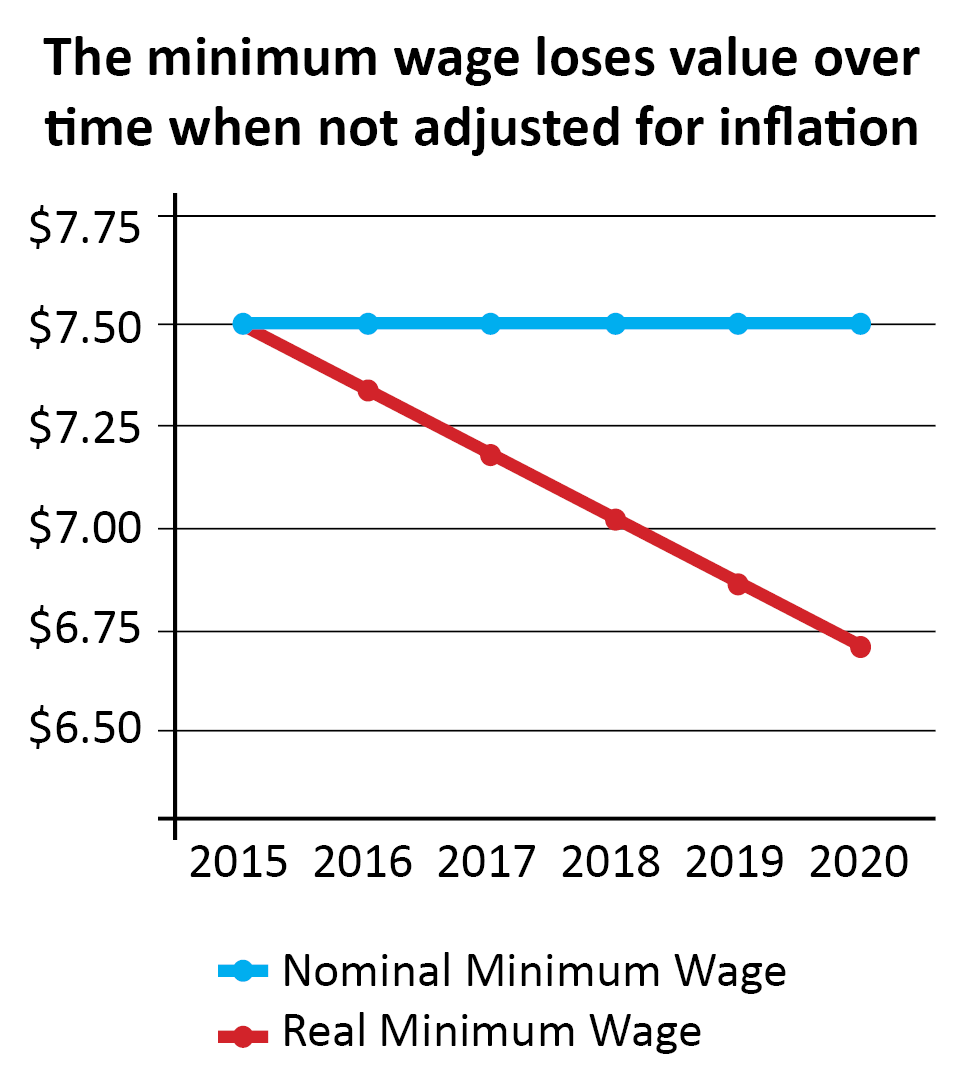
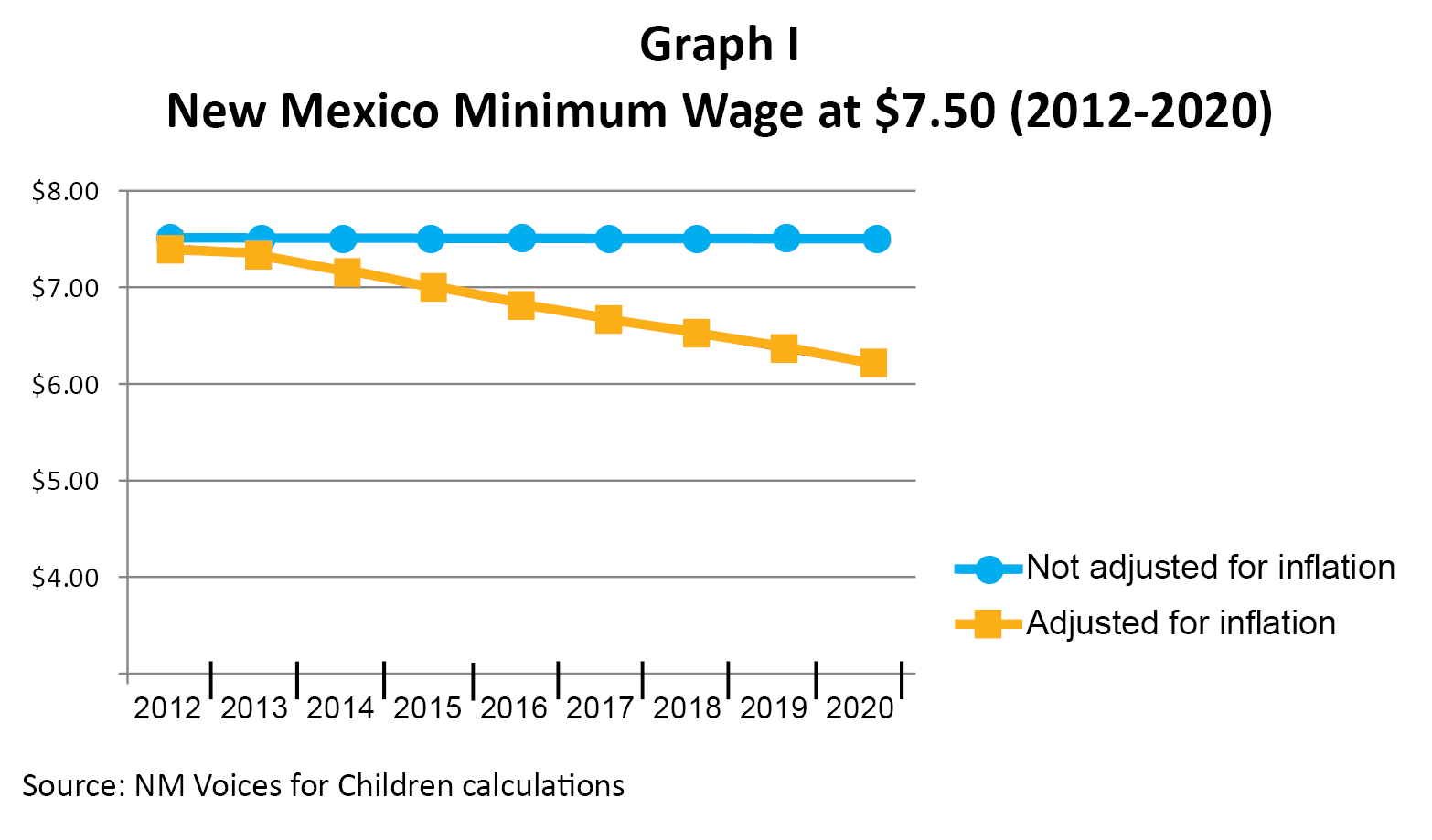
This current rate is the culmination of a series of legislative changes aimed at gradually increasing the minimum wage to provide a more livable income for workers. Passed in 2019, Senate Bill 437 outlined a phased increase plan that saw the state minimum wage rise from $7.50 an hour to $9.00 in 2020, then to $10.50 in 2021, $11.50 in 2022, and finally to its current $12.00 in 2023. These increments were designed to allow businesses time to adjust while progressively improving the financial stability of low-wage workers. The move reflected a broader national trend towards increasing minimum wages, driven by concerns about income inequality and the rising cost of living.

Local Ordinances: A Deeper Dive into Specific Cities
Beyond the statewide minimum, several cities and counties in New Mexico have enacted their own higher minimum wage ordinances, recognizing that the cost of living can vary significantly from one locale to another. These local initiatives often set the bar higher than the state minimum, providing additional financial support to workers in areas where expenses like housing, food, and transportation are typically greater.
One prominent example is Santa Fe, the state capital and a major tourism hub. Known for its vibrant arts scene, historic plaza, and adobe architecture, Santa Fe has long been a leader in minimum wage policy. As of March 1, 2024, the minimum wage in Santa Fe is $14.80 per hour, significantly higher than the state minimum. This ordinance, which includes an annual adjustment based on the Consumer Price Index, aims to ensure that workers can better afford to live and work within the city. For tipped employees in Santa Fe, the minimum cash wage is also higher, set at $5.92 per hour, with the expectation that tips will bring them up to the full city minimum.
Similarly, Albuquerque, New Mexico’s largest city, boasts a minimum wage above the state level. As of January 1, 2024, the minimum wage in Albuquerque is $12.00 per hour for employees who do not receive health benefits or paid time off, and $11.00 per hour for those who do receive these benefits. This differentiated approach reflects an effort to encourage employers to offer comprehensive benefits packages.
Another notable city is Las Cruces, located in southern New Mexico. Since January 1, 2024, the minimum wage in Las Cruces is $12.95 per hour. This also includes an adjustment mechanism based on inflation, highlighting a commitment to maintaining purchasing power for its workforce.
These local ordinances underscore a commitment by certain communities to address the specific economic challenges faced by their residents. For visitors, these higher wages can indirectly translate into a more stable and potentially higher quality of service, as employees are less likely to be stressed by financial insecurity. For businesses, particularly those in the tourism and accommodation sectors, it means adjusting operational budgets and potentially innovating to manage increased labor costs.
The Hospitality Sector: Minimum Wage and Its Ripple Effects
New Mexico’s economy is significantly bolstered by its vibrant hospitality and tourism industries. From the cozy bed and breakfasts in Taos to the sprawling resorts near Albuquerque, and the diverse culinary scene in Santa Fe, these sectors are massive employers. The minimum wage, therefore, isn’t just a political talking point; it’s a tangible factor that profoundly impacts how these businesses operate, how their employees live, and ultimately, the experiences offered to millions of visitors.
Impact on Hotels, Resorts, and Accommodation Providers
For hotels, resorts, and other accommodation providers, minimum wage increases directly translate to higher labor costs. These businesses employ a significant number of hourly wage earners, from front desk staff and housekeepers to maintenance crews and concierges. When the minimum wage rises, these establishments must re-evaluate their budgets, often leading to adjustments in pricing for rooms and services.
While some might worry that higher wages lead to higher prices for travelers, potentially impacting New Mexico’s competitiveness as a destination, the reality is often more nuanced. Increased wages can lead to several positive outcomes for these businesses. First, they can experience lower employee turnover. In an industry notoriously plagued by high churn rates, offering a more competitive wage helps retain experienced staff, reducing recruitment and training costs. A stable workforce often translates to higher quality service, as employees become more proficient and dedicated to their roles, enhancing the guest experience. Imagine a seasoned concierge who knows the best hidden gems in Santa Fe or a meticulous housekeeper who consistently delivers pristine rooms – these are the subtle yet significant benefits of a well-compensated team.
Secondly, a better-paid workforce tends to be a more motivated and productive one. Employees earning a living wage are less likely to be stressed by financial insecurity, allowing them to focus more effectively on their duties and provide more attentive service. This can elevate the overall reputation of hotels and resorts, leading to positive reviews and repeat bookings, which are invaluable in the competitive tourism market. Some establishments might also find that investing in higher wages aligns with their brand values, attracting a clientele that appreciates ethical business practices and contributes to the local economy’s well-being.
Shaping the Tourism Experience: From Staffing to Service Quality
The ripple effect of minimum wage extends beyond just labor costs; it deeply influences the entire tourism experience in New Mexico. Consider the diverse range of services that constitute a typical tourist’s journey: guided tours through Chaco Canyon, meals at authentic New Mexican restaurants, visits to museums in Albuquerque, or even just interactions with local shopkeepers. In all these instances, the quality of service is paramount, and it’s often delivered by minimum wage earners.
When minimum wages are set at a level that allows workers to live comfortably, it fosters a more dedicated and professional service industry. Tour guides, for example, who are well-compensated, are more likely to be passionate and knowledgeable, enriching the educational and experiential value of a visit to New Mexico’s landmarks like Bandelier National Monument or the International Balloon Fiesta. Similarly, staff at cultural centers or gift shops can engage visitors more genuinely, enhancing their understanding and appreciation of local culture and crafts.
In the culinary scene, which is a significant draw for many travelers, fair wages can support a more stable kitchen and front-of-house staff. This stability often translates into consistent food quality, efficient service, and a welcoming atmosphere. Restaurants that can afford to pay higher wages might also attract more skilled labor, leading to innovative menus and an elevated dining experience, reflecting New Mexico’s rich gastronomic heritage. Ultimately, while the direct cost to the consumer might marginally increase in some areas, the intangible benefits of a happy, motivated, and skilled workforce often far outweigh any minor price adjustments, contributing to a more memorable and authentic New Mexico experience.
Lifestyle and Economic Implications for Residents and Visitors
The minimum wage isn’t just a number on a payslip; it’s a foundational element that shapes the quality of life for thousands of New Mexico residents, particularly those working in the service industries that cater to the state’s robust tourism sector. Its impact extends beyond individual households, influencing the broader economic landscape and even the way visitors perceive and experience the Land of Enchantment.
Cost of Living and Quality of Life for Workers
For the individuals earning minimum wage, especially in major tourist destinations like Santa Fe or Albuquerque, the adequacy of their pay directly dictates their ability to cover basic living expenses. The cost of living in these areas, particularly housing, can be substantial. A higher minimum wage, especially the local ordinances enacted by cities like Santa Fe and Las Cruces, aims to bridge the gap between earnings and expenses.
When workers earn a more livable wage, they experience reduced financial stress, which can lead to improvements in mental and physical health. It allows them to afford necessities like nutritious food, reliable transportation, and childcare, contributing to a more stable and fulfilling lifestyle. Furthermore, disposable income, even if modest, enables workers to participate more actively in their local economies, patronizing local businesses, enjoying cultural events, and even exploring New Mexico’s own attractions. This self-reinforcing cycle boosts local commerce and cultural vibrancy.
Conversely, if the minimum wage lags significantly behind the cost of living, workers may struggle to make ends meet, potentially requiring them to work multiple jobs or rely on public assistance. This not only impacts their personal well-being but can also contribute to a less engaged workforce in the service sector, potentially affecting the visitor experience. A thriving local community, supported by fair wages, often translates into a warmer, more authentic welcome for tourists.
Navigating Budget Travel and Local Experiences
For visitors, the minimum wage in New Mexico can subtly influence the cost of their trip, particularly for budget travelers. Higher minimum wages mean that service-oriented businesses – hotels, restaurants, tour operators, and local shops – incur higher labor costs. These costs are often reflected in the prices of goods and services. Therefore, a cup of coffee, a meal at a local diner, or a night’s stay at an economy hotel might be slightly more expensive in a city like Santa Fe compared to a rural area with only the state minimum wage.
However, this doesn’t necessarily detract from New Mexico’s appeal as a travel destination. The state still offers a wide range of accommodation options, dining choices, and activities to suit various budgets. Travelers focused on value may find that the quality of service and the positive atmosphere fostered by a fairly paid workforce enhance their overall experience, justifying any marginal price differences. Moreover, supporting businesses that pay fair wages aligns with a growing trend among travelers to engage in responsible tourism and contribute positively to local communities.
Understanding these economic underpinnings allows travelers to make more informed choices, whether it’s opting for a local restaurant that prides itself on fair wages or appreciating the dedicated service provided by staff who are earning a living wage. It transforms the act of spending money from a mere transaction into a contribution to the sustainable lifestyle and economic health of the destination.
Broader Economic Context and Future Outlook
The discussion around minimum wage in New Mexico is not confined to individual paychecks or isolated businesses; it’s intricately woven into the state’s broader economic fabric, impacting everything from small business vitality to the long-term sustainability of its thriving tourism sector. As New Mexico continues to evolve, the approach to minimum wage will undoubtedly play a crucial role in its economic trajectory.
Small Businesses and Economic Sustainability
Small businesses are the backbone of New Mexico’s economy, particularly within its charming towns and tourism hotspots. Many of these enterprises, from art galleries in Santa Fe to family-run diners in Roswell, operate on tight margins. For them, minimum wage increases represent a significant operational challenge, potentially leading to higher staffing costs, which must be absorbed or passed on to consumers. Concerns often arise about whether these businesses can remain competitive, especially against larger chains with greater economies of scale.
However, the argument for a higher minimum wage also posits that it can foster a stronger local economy in the long run. When low-wage workers have more disposable income, they are more likely to spend it within their local communities, boosting demand for goods and services at these very small businesses. This increased consumer spending can create a virtuous cycle, stimulating economic growth and job creation. Furthermore, as discussed earlier, higher wages can lead to lower employee turnover, which is particularly beneficial for small businesses that cannot afford extensive recruitment and training programs. A stable, experienced workforce enhances productivity and customer satisfaction, contributing to the overall sustainability of these vital community enterprises. Balancing these competing concerns is a continuous challenge for policymakers, requiring careful consideration of local economic conditions and the specific needs of different business sectors.
The Role of Minimum Wage in Sustainable Tourism Development
New Mexico has a strong commitment to sustainable tourism, aiming to protect its natural resources and cultural heritage while providing meaningful economic benefits to its communities. The minimum wage plays a critical, though often understated, role in this endeavor. Sustainable tourism is not just about environmental protection; it’s also about social equity and economic justice for local residents.
By ensuring that workers in the tourism industry – from hotel staff to tour operators – earn a living wage, New Mexico can foster a more equitable distribution of the wealth generated by tourism. This reduces reliance on seasonal or precarious work, allowing individuals to build more stable careers within the industry. When local communities benefit directly and substantially from tourism, they become more invested in its long-term success and the preservation of the attractions that draw visitors. This alignment of interests is fundamental to sustainable development.
Moreover, a well-compensated workforce can contribute to higher quality service and more authentic cultural interactions, enhancing New Mexico’s reputation as a premier destination. Visitors who experience genuine hospitality and feel that their travel dollars are supporting local livelihoods are more likely to return and recommend the destination to others. In this sense, a fair minimum wage isn’t merely an expense for the tourism industry; it’s an investment in the state’s most valuable assets: its people, its culture, and its ability to provide unforgettable experiences. As New Mexico looks to the future, continuing to adjust minimum wage policies in line with economic realities and the principles of sustainable development will be key to ensuring that the Land of Enchantment remains both enchanting for visitors and prosperous for its residents.
The minimum wage in New Mexico is far more than a simple economic metric. It is a fundamental component of the state’s lifestyle and economy, significantly shaping the lives of its residents and subtly influencing the experiences of its visitors. From the statewide standard of $12.00 per hour to the higher local ordinances in vibrant cities like Santa Fe, Albuquerque, and Las Cruces, these policies aim to strike a balance between supporting workers and enabling business growth. For the crucial hospitality industry – encompassing hotels, resorts, restaurants, and tourism services – minimum wage impacts everything from operational costs to the quality of service and employee retention. Ultimately, these policies contribute to the broader economic health of the state and play a vital role in its commitment to sustainable tourism, ensuring that New Mexico remains a place where both residents and visitors can thrive.
LifeOutOfTheBox is a participant in the Amazon Services LLC Associates Program, an affiliate advertising program designed to provide a means for sites to earn advertising fees by advertising and linking to Amazon.com. Amazon, the Amazon logo, AmazonSupply, and the AmazonSupply logo are trademarks of Amazon.com, Inc. or its affiliates. As an Amazon Associate we earn affiliate commissions from qualifying purchases.