
New York, the quintessential global hub of commerce, culture, and tourism, presents a dazzling array of experiences for every traveler. From the dazzling lights of Broadway to the serene pathways of Central Park, and from world-class museums to iconic landmarks, the allure of the Empire State is undeniable. However, beneath the vibrant surface of this dynamic destination lies an economic reality that impacts everyone, from its residents to the millions of visitors who flock here annually: the minimum wage. Understanding “What is minimum wage in New York?” is crucial, not only for those seeking employment within the state but also for travelers looking to budget their trip and comprehend the true cost of services and accommodations in one of the world’s most expensive cities.
The minimum wage in New York State is a dynamic figure, subject to annual adjustments and geographical variations. It directly influences the cost of living, the price of goods and services, and consequently, the overall expense of a New York vacation or business stay. For the discerning traveler, recognizing how this economic bedrock shapes the prices of hotels, dining, and attractions can be a powerful tool for planning a memorable yet manageable trip. This article delves into the specifics of New York’s minimum wage, its broader implications for the tourism sector, and provides invaluable insights for navigating the financial landscape of this iconic state, ensuring your travel experiences are both enriching and economically sound.
The Diverse Landscape of New York’s Minimum Wage
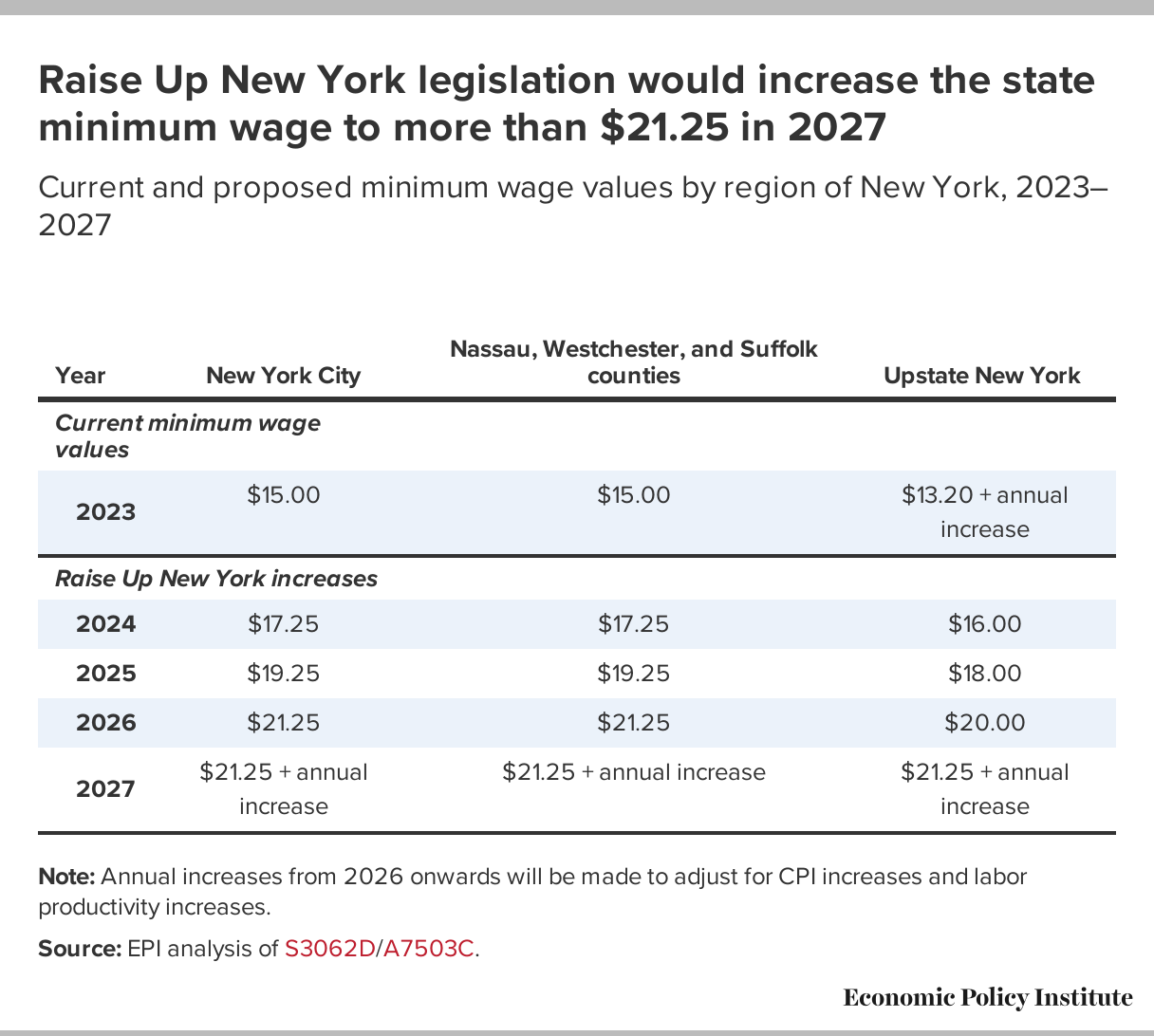
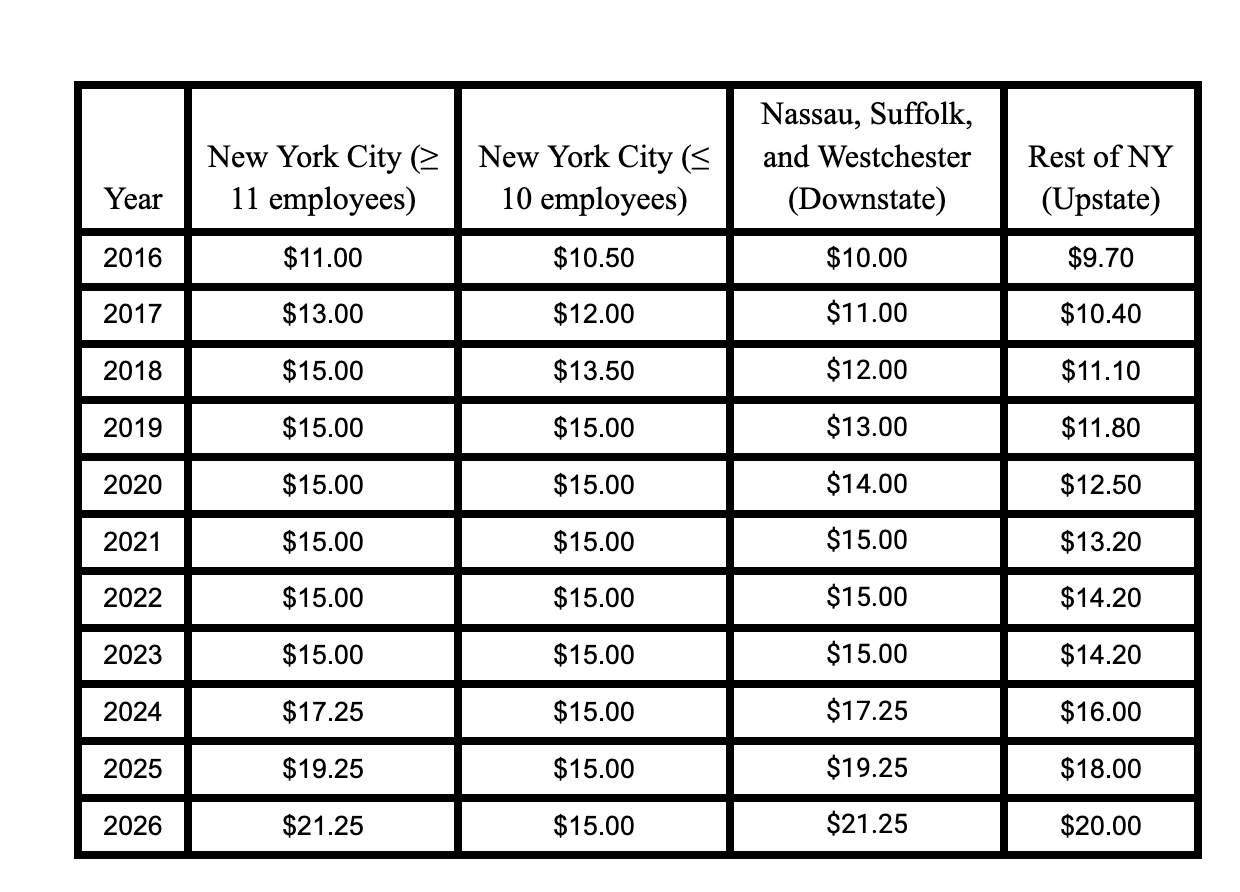
Understanding the minimum wage in New York isn’t as simple as quoting a single figure. The state has implemented a tiered system, reflecting the vast differences in the cost of living between its various regions. This regional disparity is a critical factor for anyone considering working or spending time in different parts of New York State.
Regional Variations: A Tale of Three Tiers
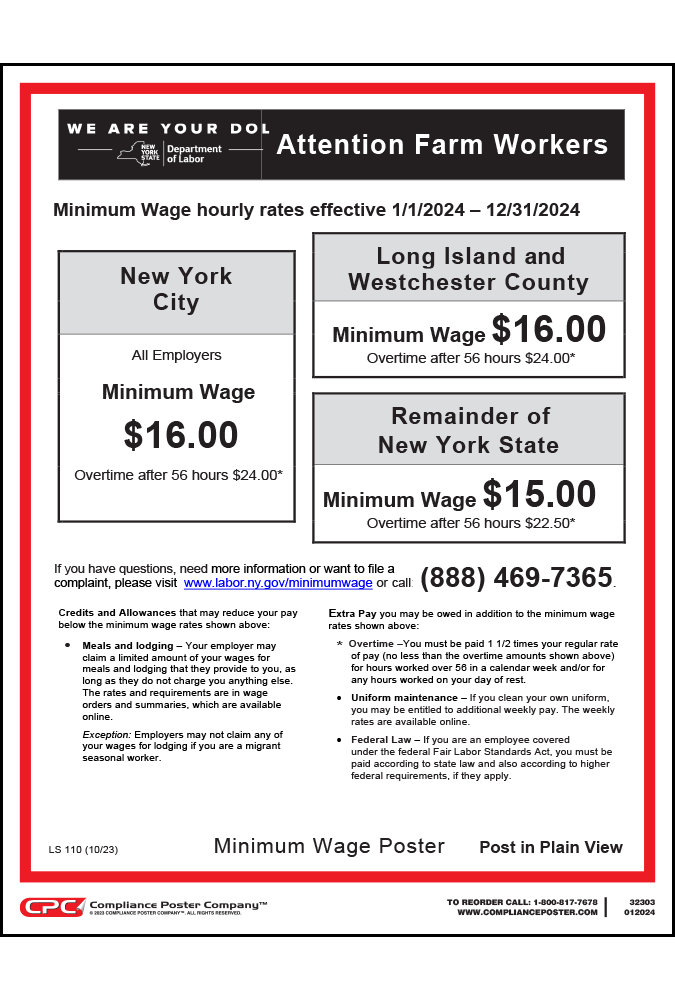
The most significant distinction in New York’s minimum wage structure exists between New York City, Long Island and Westchester County, and the remainder of the state.
- New York City: As the epicenter of global finance, fashion, and culture, New York City (comprising its five boroughs: Manhattan, Brooklyn, Queens, The Bronx, and Staten Island) consistently has the highest minimum wage rate in the state. This higher wage reflects the astronomical cost of living, particularly housing, within the metropolitan area. For those working in tourism, hospitality, or any other sector in NYC, this higher minimum wage aims to provide a more livable income, though debates about its sufficiency persist given the city’s expenses.
- Long Island and Westchester County: These suburban regions bordering New York City also have a significantly higher cost of living compared to upstate New York, though generally less extreme than the city itself. Consequently, their minimum wage rates fall into a middle tier, acknowledging the elevated expenses faced by residents and businesses in these areas. Many Long Island resorts and attractions, like those in the Hamptons or close to Jones Beach, are affected by these rates.
- The Rest of New York State: For all other counties and cities outside of the aforementioned high-cost areas – including major hubs like Buffalo, Rochester, Syracuse, and the state capital, Albany – a lower, uniform minimum wage applies. While still higher than the federal minimum wage, this rate is set to align with the comparatively lower cost of living in these regions. Travelers exploring the natural beauty of the Adirondacks, the wineries of the Finger Lakes, or the scenic Hudson Valley might find that services and accommodations in these areas can sometimes present a different price point, partly influenced by these wage differentials.
Annual Adjustments and Future Outlook
The minimum wage in New York State is not static. It is typically subject to annual increases, often taking effect on December 31st of each year. These adjustments are usually tied to economic indicators, inflation, and the ongoing efforts to ensure a living wage for workers across the state. The goal is to gradually raise the minimum wage to a level that provides economic stability, though the pace and exact figures are often subjects of legislative debate. For travelers and businesses alike, staying informed about these changes is key, as they directly impact operational costs for hotels, restaurants, and attractions, which are inevitably passed on to consumers.
The Cost of Living and Traveling in New York
The minimum wage, while seemingly a figure primarily relevant to employees and employers, profoundly influences the overall cost of living and, by extension, the expense of a trip to New York. For travelers, understanding this connection is vital for effective budgeting and planning.
Accommodation Expenses: Hotels, Suites, and Beyond
New York City is notorious for its high accommodation costs, and the minimum wage plays a role in this. Hotels, from luxury suites in Manhattan like The Plaza Hotel or the St. Regis to boutique hotels in Brooklyn or budget-friendly apartments in Queens, employ a vast workforce. Maids, front desk staff, concierges, bellhops, and countless others are paid wages influenced by the state’s minimum wage laws. Higher labor costs mean higher operational expenses for hotels and resorts, which are then factored into room rates.
For instance, a standard room in a mid-range Manhattan hotel can easily cost several hundred dollars per night. Even more affordable options found further from the city center, or through short-term apartment rentals, still reflect the underlying economic pressures. Travelers keen on a budget travel approach might consider staying in neighboring New Jersey cities like Jersey City or Hoboken and commuting, but even there, costs are elevated. When booking accommodation in New York, always account for taxes and potential resort fees, which further inflate the final price. Early booking and considering off-peak seasons can help mitigate these costs.
Dining and Entertainment: From Street Food to Michelin Stars
New York’s culinary scene is world-renowned, offering everything from iconic New York-style pizza slices and street vendor delights to Michelin-starred fine dining experiences. The minimum wage impacts all facets of this industry. Restaurant staff, including cooks, servers (even with tipped wages, the base minimum applies), and dishwashers, are paid wages dictated by state law. These labor costs are a significant component of a restaurant’s operating budget.
Consequently, meal prices in New York City are generally higher than in many other U.S. cities. A casual lunch might cost $20-$30 per person, while dinner at a mid-range establishment can easily exceed $50. Tipping culture, where 18-20% is standard for good service, further adds to the expense. For those on a tighter budget, exploring food trucks, delis, and ethnic eateries in neighborhoods like Flushing or the East Village can offer delicious and more affordable alternatives.
The cost of entertainment is similarly affected. A ticket to a Broadway show, a concert at Madison Square Garden, or entry to a comedy club includes overheads that factor in staff wages. While there are many free attractions (like walking through Central Park or across the Brooklyn Bridge), ticketed experiences require careful budgeting.
Transportation and Attractions: Navigating the City
Getting around New York is relatively straightforward thanks to its extensive public transportation system. The MTA (Metropolitan Transportation Authority) operates subways and buses across the city. Fares are set, but the underlying operational costs, including employee wages, are undoubtedly influenced by the minimum wage. While a single ride on the subway is fixed, the cumulative cost of daily commutes for a week can add up. Taxis and ride-sharing services, with drivers needing to meet a certain income threshold, are considerably more expensive.
Visiting iconic attractions also comes with a price tag. Entry fees for landmarks such as the Empire State Building, the Statue of Liberty and Ellis Island, the Metropolitan Museum of Art, or the Museum of Modern Art contribute to your travel budget. These institutions employ staff for security, ticketing, maintenance, and educational programs, whose wages form part of their operating expenses. However, many of New York’s greatest experiences are free, such as strolling through Times Square, exploring the High Line, or simply soaking in the vibrant atmosphere of neighborhoods like Greenwich Village or SoHo.
Budgeting Your New York Experience: Practical Tips for Travelers
Despite the higher costs driven in part by the minimum wage, a trip to New York can be managed effectively with smart planning. The key is to balance the desire for premium experiences with practical strategies for saving.
Smart Accommodation Choices
- Explore Different Boroughs: While Manhattan is central, hotels in Brooklyn, Queens, or even Staten Island often offer more competitive rates. Excellent MTA connections mean you’re never far from the action. Look for areas like Long Island City in Queens or Downtown Brooklyn for good value.
- Consider Long-Term Stays: For extended trips or those seeking a more local feel, serviced apartments or vacation rentals can be more cost-effective than traditional hotels, especially if you plan to cook some of your meals. This is often an appealing option for business stays or family trips.
- Book in Advance and Research Reviews: Secure your accommodation well ahead of time, particularly during peak seasons, to lock in better rates. Utilize reviews and comparison sites to find the best deals and ensure quality for your chosen price point.
Savvy Dining and Entertainment Strategies
- Embrace Local Food: New York boasts an incredible array of affordable, high-quality food options. Sample street food, visit ethnic markets, or grab a slice of authentic New York-style pizza. Places like Chelsea Market or the various food halls around the city offer diverse choices at reasonable prices.
- Utilize Happy Hours and Lunch Specials: Many restaurants offer enticing happy hour deals on food and drinks, or more affordable lunch menus compared to dinner.
- Look for Free and Discounted Attractions: New York offers a wealth of free activities: walking the Brooklyn Bridge, exploring Central Park, wandering through Times Square or Grand Central Terminal, or visiting the 9/11 Memorial. Many museums also have free admission days or “pay-what-you-wish” hours. For Broadway tickets, check for lottery systems or rush tickets on the day of the show for significant savings.
Efficient Transportation
- Master the MTA: The subway and bus system is the most cost-effective way to navigate New York City. Purchase a MetroCard for easy access. Avoid taxis and ride-shares unless absolutely necessary, especially during peak traffic.
- Walk Everywhere: New York is a highly walkable city. Walking not only saves money but also provides a unique opportunity to immerse yourself in the city’s vibrant atmosphere and discover hidden gems between landmarks. Areas like Greenwich Village, SoHo, and the Financial District are best explored on foot.
The Broader Economic Picture: Wages, Prices, and Tourism Demand
The minimum wage in New York is not just an isolated economic policy; it’s an integral part of a complex ecosystem that shapes the entire tourism landscape. Its implications ripple through various sectors, influencing both the supply and demand sides of the travel industry.
The Interplay of Wages, Prices, and Service Quality
A higher minimum wage, while designed to uplift workers, inevitably translates into higher operating costs for businesses. For hotels, restaurants, and attractions, these increased expenses are often absorbed in part, but largely passed on to consumers through higher prices for accommodation, food, and experiences. This dynamic can sometimes pose a challenge for budget travelers or those from regions with lower costs of living, making New York seem less accessible.
However, it’s also important to consider the potential benefits. Fair wages can lead to a more motivated, skilled, and stable workforce in the hospitality sector. Better-compensated employees are often more engaged, providing higher quality service and enhancing the overall experience for tourists. This can contribute to New York’s reputation as a premier destination where visitors receive excellent service, from the concierge at a luxury hotel to the waiter at a local bistro. The lifestyle offered by New York, whether it’s luxury travel or something more modest, is intrinsically tied to the economic well-being of its workforce.
Experiencing New York Beyond the Price Tag
Despite the financial considerations, New York’s enduring appeal lies in its unparalleled vibrancy, diversity, and sheer number of experiences. The city offers a unique blend of history, architecture, art, and global culture that few other places can match. From the iconic silhouette of the Empire State Building to the dynamic energy of Times Square, the intellectual richness of the Metropolitan Museum of Art to the serene escape of Central Park, every corner of New York tells a story.
Travelers who plan wisely, leveraging tips for budgeting and being strategic with their choices, can still immerse themselves fully in the New York experience without breaking the bank. The value of a trip to New York often transcends monetary cost, measured instead by the indelible memories created and the unique perspective gained from exploring one of the world’s truly great destinations. Whether it’s a family trip, a romantic getaway, or a solo adventure, the city constantly reinvents itself, offering endless activities and discoveries for every interest and lifestyle.
In conclusion, the minimum wage in New York is a multifaceted economic factor that shapes the state’s financial landscape. For travelers, understanding its regional variations and its impact on the cost of accommodation, dining, and attractions is key to planning an enjoyable and financially responsible trip. While the cost of visiting New York can be significant, strategic planning and an appreciation for both its paid and free wonders ensure that the magnetic pull of this incredible state remains accessible to all. With careful consideration of budget travel tips and a willingness to explore beyond the most obvious tourist traps, anyone can experience the magic of New York to the fullest.