
New York State stands as an undisputed titan in the world of travel and tourism, drawing millions of visitors annually to its vibrant cities, breathtaking natural wonders, and rich historical tapestry. From the iconic skyscrapers of New York City to the tranquil beauty of the Adirondack Mountains and the majestic power of Niagara Falls, this diverse state offers an unparalleled array of experiences for every type of traveler. Whether you’re planning a luxurious urban getaway, a serene retreat in a lakeside resort, or an adventurous exploration of the Hudson Valley, understanding the economic landscape that underpins these experiences is crucial. One significant, yet often overlooked, aspect of this landscape is the minimum wage.
While the concept of minimum wage might seem like a dry economic detail, its implications ripple through every facet of the tourism and hospitality industries. For travelers, it influences the cost of services, the pricing of accommodation, and even the quality of the interactions they have with local staff. For those working within these industries – from the front desk personnel at a Manhattan boutique hotel to the waitstaff at a charming restaurant in the Finger Lakes region – the minimum wage directly impacts their livelihood, their ability to afford housing, and their overall quality of life. This, in turn, can affect the availability and motivation of the workforce that makes New York’s tourism sector thrive.
This article delves into the specifics of the minimum wage in New York State, exploring how it varies across regions, its special considerations for tipped employees, and its broader impact on travel experiences, budgeting, and the lifestyle of both visitors and residents. By gaining a deeper understanding of this fundamental economic factor, travelers can better plan their adventures, appreciate the effort behind the services they receive, and support a sustainable tourism ecosystem.
Navigating New York’s Minimum Wage Landscape
Unlike a blanket federal rate, the minimum wage in the United States, and particularly in a large and economically diverse state like New York, is often subject to local and state-specific regulations. New York State has taken a proactive approach, implementing a tiered system that reflects the varying cost of living across its different regions. This dynamic structure is essential for anyone considering a trip, or even a move, to this vibrant state.
The Current State of Minimum Wage Across Regions
The most significant distinction in New York’s minimum wage policy is the geographical divide. Certain areas, characterized by higher costs of living and more concentrated economic activity, mandate a higher minimum hourly rate.
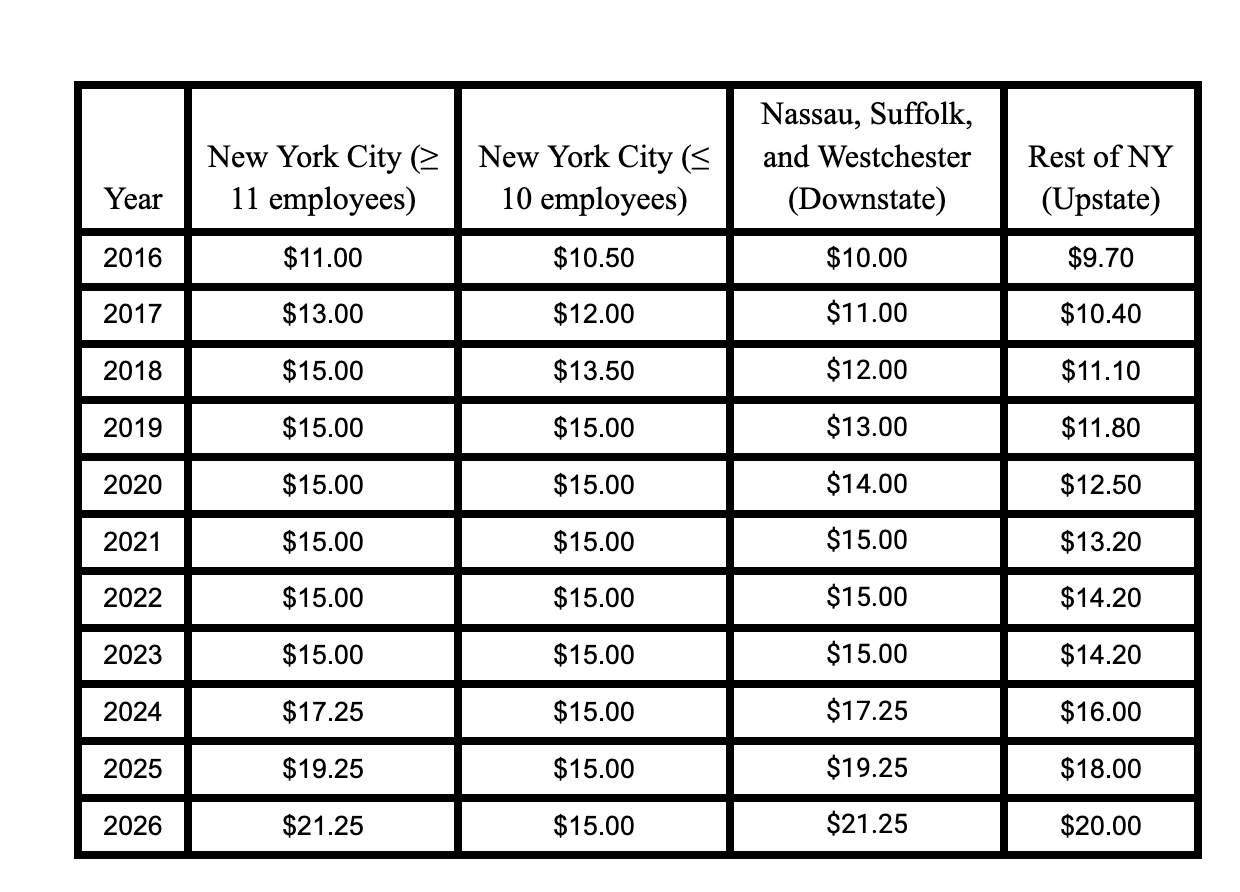
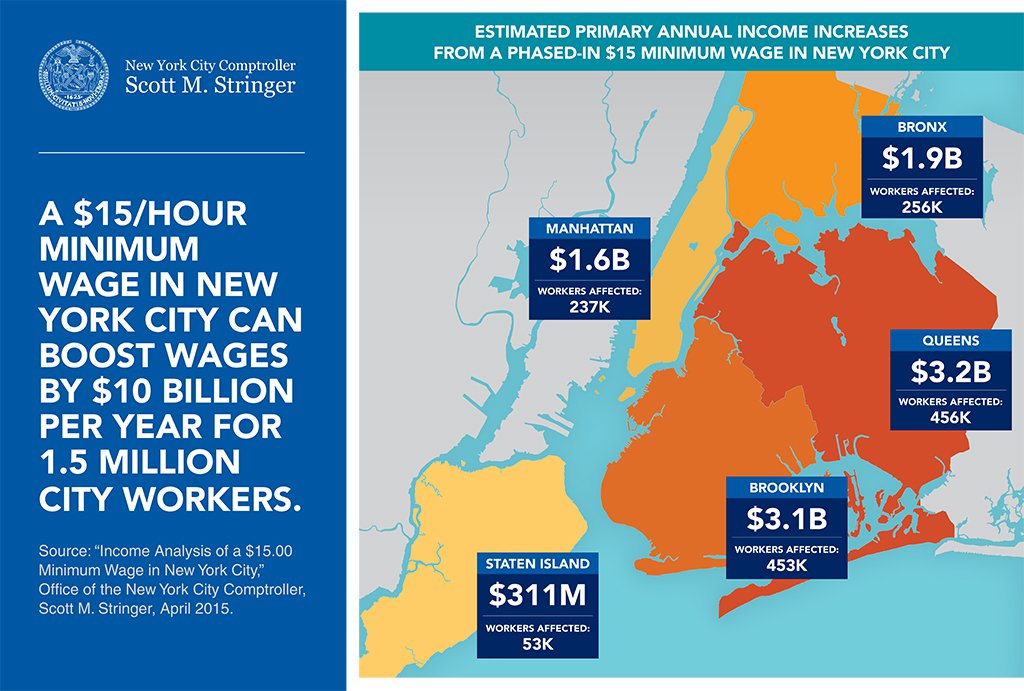
As of recent adjustments, the minimum wage in New York City, and the surrounding counties of Nassau County, Suffolk County, and Westchester County, stands at a more elevated rate, typically around $16.00 per hour. This elevated rate directly addresses the notoriously high expenses associated with living and working in these metropolitan and suburban hubs. For instance, a hotel cleaner working in Midtown Manhattan or a concierge at a luxury resort in Westchester County would earn this higher baseline wage. This rate is critical for enabling employees to afford rent, groceries, and transportation in some of the nation’s most expensive areas, thereby helping to retain a skilled workforce in the critical hospitality sector.
Conversely, for the rest of New York State, which encompasses vast rural areas, charming small towns, and mid-sized cities like Albany or Syracuse, the minimum wage is set at a slightly lower, though still competitive, rate, typically around $15.00 per hour. This includes popular tourist destinations like the Catskill Mountains, the historical sites along the Erie Canal, and the scenic beauty of Upstate New York. While the cost of living outside the immediate metropolitan area is generally lower, this rate still aims to provide a fair wage for workers in local shops, family-run restaurants, and smaller accommodation providers throughout these regions.
It’s also important to note that New York State has a system of scheduled increases, meaning these rates are not static but are often subject to annual adjustments, typically at the end of the year or the beginning of a new one. This ensures that the minimum wage keeps pace, to some extent, with inflation and the evolving economic landscape, providing a degree of predictability for both employers and employees in the ever-dynamic tourism industry.
Special Considerations: Tipped Employees and Hospitality
The hospitality industry, a cornerstone of New York’s tourism economy, has unique regulations concerning minimum wage, particularly for employees who receive tips. New York State allows for a “tip credit” system, which can sometimes be a point of confusion for international visitors or those unfamiliar with American labor laws.
Under this system, employers of tipped workers – such as waiters, bartenders, and hotel bellhops – can pay a lower hourly cash wage than the standard minimum wage, provided that the employee’s tips, when combined with their cash wage, meet or exceed the full minimum wage for their region. For example, if the full minimum wage is $16.00 per hour, an employer might pay a cash wage of, say, $10.65 per hour, with the expectation that the employee will earn at least $5.35 per hour in tips to reach the full minimum wage. If the tips do not bring the employee up to the full minimum wage, the employer is legally obligated to make up the difference.
This system places a significant reliance on customer tipping, making it a vital component of a service worker’s income. For travelers enjoying the vibrant culinary scene in Brooklyn or a luxurious stay at the St. Regis Hotel in New York City, understanding this mechanism is key. Tipping 15-20% (or more for exceptional service) is customary in the United States and directly contributes to the livelihood of the staff serving you. It’s not merely an optional gesture of appreciation but an integral part of their compensation structure. Recognizing this cultural norm ensures that you are contributing fairly to the local economy and acknowledging the hard work of those who make your travel experiences enjoyable.
The Impact of Minimum Wage on Your New York Travel Experience
The minimum wage, far from being an abstract economic concept, profoundly shapes the practicalities and perception of travel in New York State. From the cost of your accommodation to the quality of service you receive, its influence is woven into the fabric of your journey.
Cost of Living and Tourism Pricing
It’s no secret that New York can be an expensive destination, particularly New York City. The higher minimum wage rates in the metropolitan area and its surrounding counties contribute directly to the overall cost of services, goods, and, consequently, tourism-related expenses. Businesses, whether they are five-star hotels, local diners, or souvenir shops near Times Square, factor their labor costs into the prices they charge.
For travelers, this translates into higher prices for hotel rooms, restaurant meals, guided tours, and transportation services. A stay at a luxury hotel near Grand Central Terminal will naturally come with a higher price tag than a similar establishment in a region with a lower cost of living, partly due to the wages paid to its staff. Similarly, the exquisite dining experiences in Manhattan or a casual brunch in Brooklyn incorporate the cost of fair wages for the chefs, servers, and support staff.
This doesn’t mean New York is inaccessible for budget travelers; rather, it highlights the importance of strategic planning. Travelers looking to economize might explore accommodation options outside the core metropolitan areas, such as apartment rentals in neighboring boroughs or smaller towns, or opt for hostels in key locations. They might also choose self-catering options or seek out local eateries with more budget-friendly prices. Understanding that labor costs are a significant component of pricing helps travelers appreciate the value they receive for their money and make informed decisions that align with their budget and lifestyle preferences.
Enhancing Service Quality and Local Lifestyles
While higher labor costs might initially seem like a drawback for travelers, there’s a powerful argument to be made for the positive impact of a living wage on service quality and local culture. When employees earn a fair wage, they are generally more motivated, engaged, and less stressed, which can directly translate into better service.
Imagine checking into a charming boutique hotel in the Hudson Valley where the staff are genuinely happy and well-compensated. Their positive attitude, attention to detail, and willingness to go the extra mile contribute significantly to a guest’s overall experience. Similarly, the baristas crafting your morning coffee in a bustling New York City café or the guides leading a tour of the Statue of Liberty are more likely to provide excellent service when they feel valued and supported by their employers and the economic system. This higher standard of service, born from a more stable and satisfied workforce, is ultimately a benefit to tourists seeking memorable and hassle-free experiences.
Furthermore, a robust minimum wage plays a crucial role in sustaining the vibrant local cultures that make New York such an appealing destination. When hospitality workers can afford to live in or near the communities where they work, it helps prevent brain drain and preserves the local character. This means the artists, musicians, chefs, and diverse community members who contribute to the unique atmosphere of neighborhoods from Greenwich Village to Buffalo can continue to thrive. Their ability to remain in these areas enriches the local culture, offering visitors authentic experiences that go beyond generic tourist traps. It fosters a sustainable lifestyle for those who are the backbone of the tourism industry, allowing them to truly be part of the community they serve.
Planning Your New York Adventure: Budgeting and Beyond
Armed with an understanding of New York’s minimum wage structure, travelers can approach their trip planning with greater insight, ensuring a more enjoyable and financially prepared experience.
Practical Tips for Travelers
Effective budgeting is paramount for any trip to New York State, and especially so when considering the impact of labor costs. Here are some practical tips:
- Factor in Tipping: Always remember to budget for tips. As discussed, a significant portion of service workers’ income comes from gratuities. A general rule of thumb for restaurants and bars is 15-20% of the bill. For hotel staff (bellhops, housekeepers), taxi drivers, and tour guides, smaller but consistent tips are customary. This adds to your overall expenditure but is crucial for supporting the local workforce.
- Regional Price Differences: Be mindful that prices can vary dramatically across New York State. If your budget is tight, consider spending more time in Upstate New York or cities like Albany or Rochester, where the cost of living and, consequently, tourism services are often lower than in New York City or the Hamptons on Long Island. A retreat at the historic Mohonk Mountain House will have different price points than a stay at a charming inn in the Catskill Mountains.
- Diverse Accommodation Options: New York offers a spectrum of accommodation, from ultra-luxury resorts to budget-friendly vacation rentals and hostels. Exploring options like booking an apartment rental with a kitchen can significantly cut down on dining expenses. Always compare booking sites and look for deals, especially during off-peak seasons.
- Leverage Free Attractions: To balance out higher costs, make the most of New York’s incredible free attractions. Wander through Central Park, stroll across the Brooklyn Bridge, visit Staten Island by ferry for iconic views of the Statue of Liberty and Ellis Island, explore the architectural marvels of Grand Central Terminal or walk around Wall Street. Many museums, such as the Metropolitan Museum of Art (The Met) and the Guggenheim Museum, offer “pay-what-you-wish” hours or days, making world-class culture accessible to all.
- Public Transportation: Utilize New York City’s extensive public transportation system, particularly the subway, which is efficient and much more cost-effective than taxis or ride-shares.
The Future of Minimum Wage and Its Ripple Effects
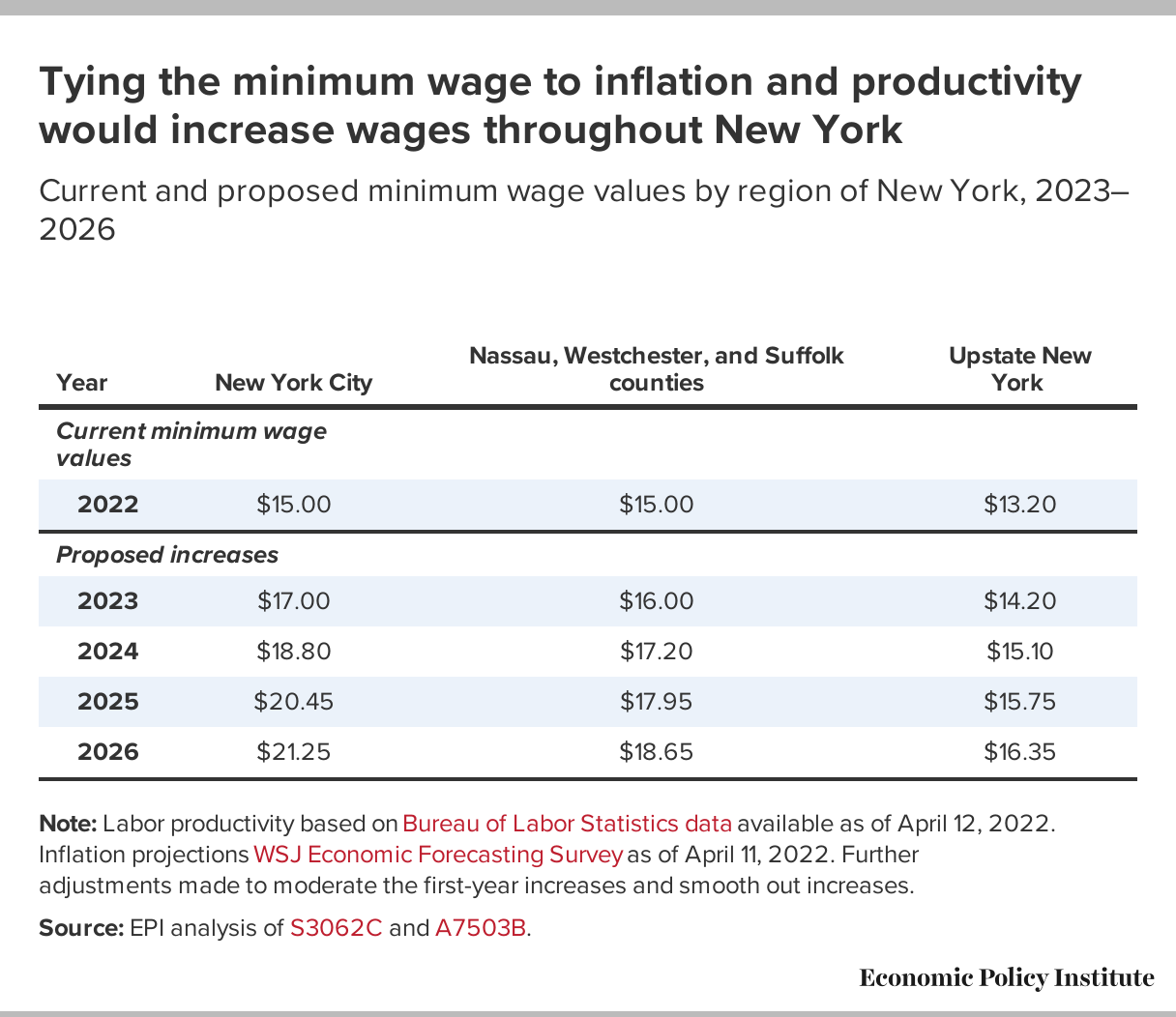
The conversation around minimum wage in New York State is ongoing, with regular debates and proposals for future increases. These discussions often balance the need to provide a living wage for workers with concerns about potential impacts on small businesses and overall economic competitiveness.
Future increases in the minimum wage could further influence pricing in the travel and tourism sector. Hotels and resorts, especially those operating on thin margins, might need to adjust their rates, potentially making some luxury experiences even more exclusive. Conversely, a higher wage floor could attract a more stable and experienced workforce to the hospitality industry, leading to sustained or even improved service quality. It might also encourage businesses to invest more in automation or efficiency improvements to offset rising labor costs, which could reshape certain job roles within the sector.
From a lifestyle perspective, continued wage growth could empower more local residents to participate in and benefit from the booming tourism industry in their own state. It might mean more vibrant local economies, a broader range of locally owned businesses, and a stronger sense of community pride in the destinations travelers visit. For instance, the ability for an employee at a small bed-and-breakfast in the Finger Lakes to afford to live comfortably in that picturesque region directly contributes to the authentic charm and dedicated service that visitors seek.
Conclusion
The minimum wage in New York State is far more than just a number; it is a critical economic lever that influences everything from the price of your hotel room to the quality of the service you experience on your travels. With distinct rates for New York City and its surrounding counties versus the rest of the state, and special provisions for tipped employees, understanding this system is key to navigating the diverse economic landscape of this premier travel destination.
By recognizing the impact of minimum wage on tourism pricing, service quality, and the livelihoods of local communities, travelers can plan their trips more effectively. Budgeting wisely, appreciating the value of tipping, and exploring the diverse regions of New York State can ensure a rewarding experience. Ultimately, an informed traveler not only enjoys their journey more but also contributes to a more sustainable and equitable tourism ecosystem, supporting the dedicated individuals who make every visit to New York unforgettable. So, as you plan your next adventure, whether it’s to explore the cultural richness of the Museum of Modern Art or the natural splendor of the Adirondack Mountains, remember the intricate economic threads that weave together to create the unparalleled experiences awaiting you in the Empire State.