
Embarking on a journey, whether for leisure, business, or even considering a lifestyle change, often involves a keen eye on the financial landscape of your chosen destination. For those exploring the Southern Plains and the vibrant heart of the Great Plains – the state of Oklahoma – understanding the local economic conditions, particularly the minimum wage, can be a crucial part of planning your experience. While it might seem like a dry topic for a travel-focused website, the minimum wage profoundly influences everything from the cost of your morning coffee to the affordability of a stay in a charming local hotel, and the overall economic vitality that shapes tourist experiences.

Oklahoma, often dubbed the “Sooner State,” offers a rich tapestry of cultural experiences, outdoor adventures, and a burgeoning urban scene. From the historic districts of Guthrie to the bustling downtowns of Oklahoma City and Tulsa, travelers find a unique blend of Midwest charm and Western spirit. For those considering temporary or long-term accommodation, dining out, or engaging in local tourism activities, the underlying wage structure plays a subtle yet significant role. This article delves into the specifics of Oklahoma‘s minimum wage, examining its implications for travelers, the hospitality sector, and the broader lifestyle within this dynamic state.
Understanding Oklahoma’s Wage Landscape for Travelers and Workers
The economic backbone of any state, particularly its minimum wage, is a fundamental indicator of its cost of living and the general economic environment. For travelers planning a trip to Oklahoma, understanding this aspect can inform budgeting decisions, while for potential workers in the state’s growing tourism and hospitality sectors, it’s a direct measure of earning potential. Oklahoma’s approach to minimum wage is largely shaped by federal guidelines, which has specific ramifications for both employers and employees across various industries that cater to visitors.
The Current Federal Minimum Wage and Oklahoma’s Stance
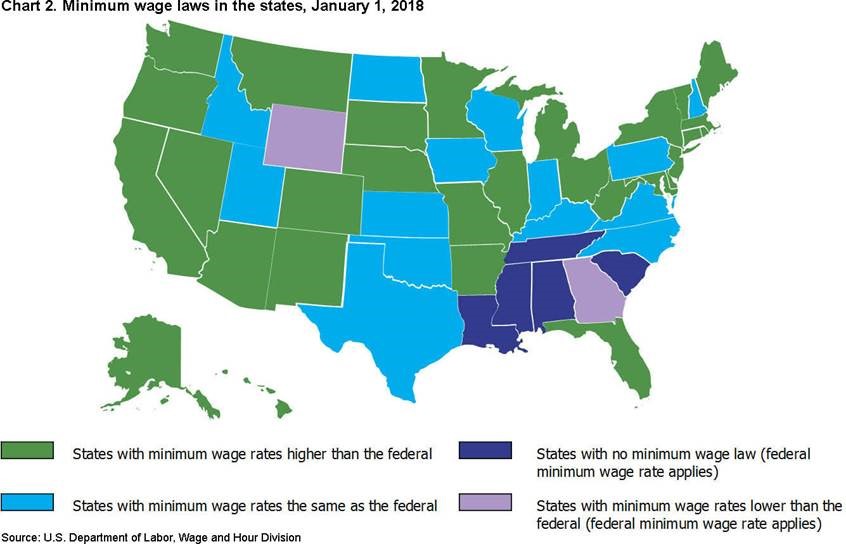
As of the latest federal mandate, the minimum wage across the United States is $7.25 per hour. This standard was established by the Fair Labor Standards Act (FLSA) and has been in effect since July 24, 2009. Unlike many other states that have opted to set their own state-specific minimum wages above the federal floor, Oklahoma is one of several states that currently adheres to the federal minimum wage. This means that, for the vast majority of non-exempt employees in Oklahoma, the minimum hourly rate an employer must pay is $7.25.
It’s important to note that certain exceptions exist. Tipped employees, for example, can be paid a lower direct wage, provided their tips bring their total earnings up to at least the federal minimum wage. For these workers, the federal minimum cash wage is $2.13 per hour. This distinction is particularly relevant to the hospitality industry, where waitstaff, bartenders, and hotel porters often rely significantly on tips to supplement their base pay. While the law mandates that employers must make up the difference if tips don’t reach the $7.25 hourly minimum, the reality of fluctuating income can be a significant factor for individuals working in these roles.
This adherence to the federal standard means that Oklahoma operates with a minimum wage that is considerably lower than in states like California or New York, where state minimums can be $15 or more per hour. This has direct implications for the cost of labor for businesses and, consequently, the pricing of goods and services within the state. For travelers, this might translate into generally more affordable dining and service costs compared to higher-wage states, though this is also balanced against other economic factors such as local taxes and demand.
Impact on Hospitality and Tourism Employment
The hospitality and tourism sectors are foundational to Oklahoma’s economy, attracting millions of visitors annually. This industry encompasses a wide array of businesses, including hotels, resorts, restaurants, attractions, and tour operators. The minimum wage directly affects the operational costs of these businesses and the livelihood of their employees.
For Businesses: A federal minimum wage of $7.25 per hour can be seen by some businesses as an advantage, offering lower labor costs compared to states with higher minimums. This can enable them to offer more competitive pricing for services and accommodation, potentially drawing in budget-conscious travelers. However, maintaining a competitive edge also means attracting and retaining quality staff. In a tight labor market, many hospitality businesses in Oklahoma find themselves paying above the minimum wage to secure experienced and reliable employees, especially in roles requiring specific skills or customer service expertise. Resorts like the Riverwind Casino in Norman or large hotels like the Skirvin Hilton Oklahoma City and the Omni Oklahoma City Hotel often offer more competitive wages and benefits to attract top talent. Similarly, the Hyatt Regency Tulsa Downtown and other major hotel brands often set their wage scales based on market demand rather than solely the legal minimum.
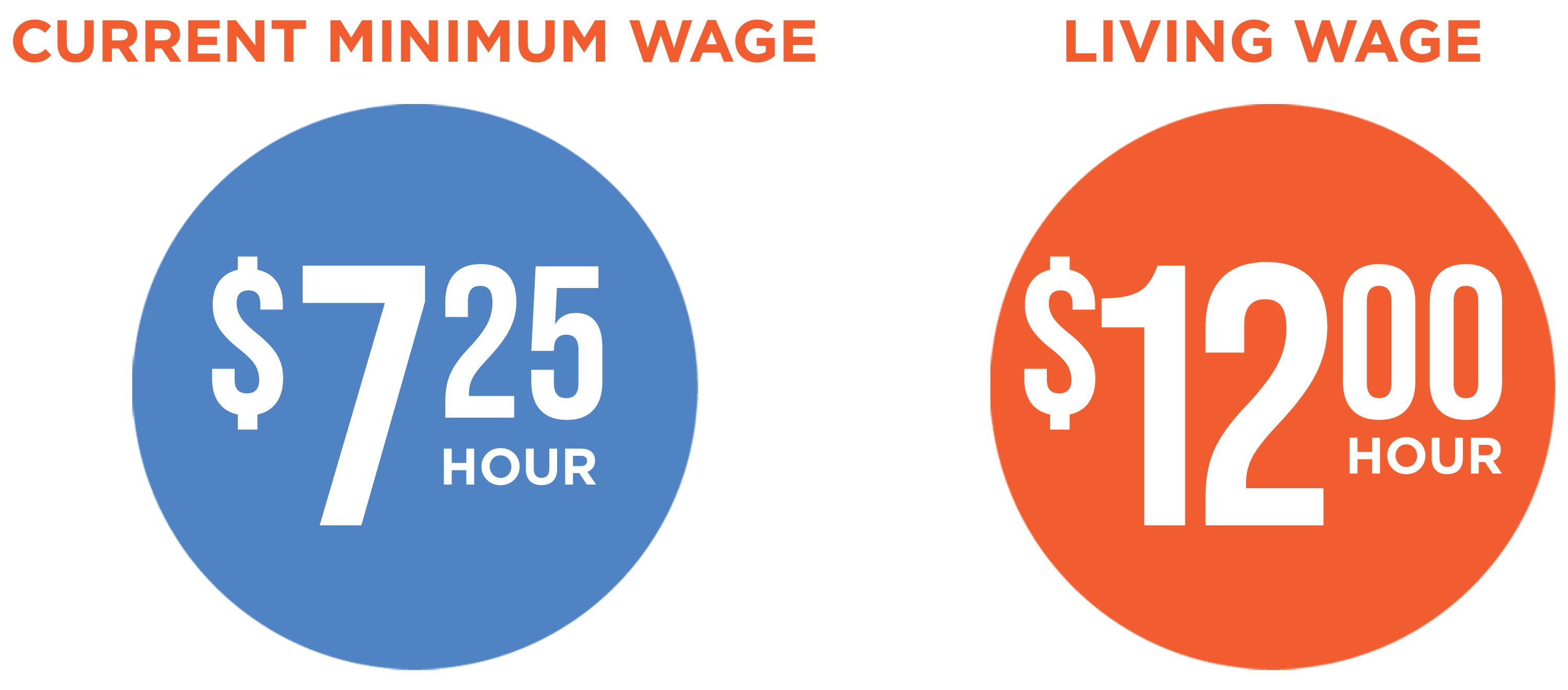
For Employees: For those working directly in the tourism industry, from front desk agents to theme park staff at places like Frontier City, the $7.25 minimum wage dictates their baseline earnings. While many entry-level positions in the service industry may start at or near this rate, opportunities for growth, tips, and higher wages do exist, particularly for skilled roles or in establishments catering to a more affluent clientele. The cost of living in Oklahoma is generally lower than the national average, which can mitigate some of the challenges associated with a lower minimum wage. However, budgeting for accommodation, transportation, and daily expenses remains a significant consideration for these workers, influencing their ability to enjoy the very attractions they help to operate.
Navigating Costs: Budgeting for Your Oklahoma Adventure
For many travelers, particularly those planning a family trip or a budget-conscious adventure, understanding the economic landscape of a destination is paramount. Oklahoma’s adherence to the federal minimum wage can offer unique advantages for visitors, often translating into more affordable travel experiences compared to other parts of the United States. However, it’s also essential to recognize how local wage structures interweave with the cost of living to give a complete picture of what your travel budget will entail.
The Cost of Living Versus Minimum Wage Realities
While the $7.25 minimum wage might seem low on paper, its actual purchasing power is contextualized by Oklahoma’s generally lower cost of living. Housing, in particular, tends to be more affordable in Oklahoma City and Tulsa compared to larger metropolitan areas across the country. Groceries, utilities, and transportation costs can also be more manageable. This means that a dollar might stretch further in Oklahoma than in a state with a higher minimum wage but also a proportionally higher cost of living.
For travelers, this translates into potentially more affordable hotel stays, dining experiences, and even some local attractions. Accommodation options, ranging from budget-friendly motels to mid-range hotels and charming bed-and-breakfasts, are often available at competitive prices. This can free up more of your travel budget for experiences, shopping, or perhaps extending your stay. However, luxury travel experiences, such as premium suites or exclusive tours, will still command higher prices, as these are often priced on a national or international scale. The impact of the minimum wage is more acutely felt in the local, everyday services and goods.
Practical Tips for Budget-Conscious Travelers
For those looking to maximize their travel dollar in Oklahoma, here are some practical tips informed by the state’s economic environment:
- Dine Locally and Explore Diverse Cuisines: Oklahoma boasts a fantastic culinary scene, from classic Southern Plains comfort food to innovative new restaurants. Seek out local diners, food trucks, and family-owned establishments. Often, these offer delicious meals at more affordable prices than national chains, and your patronage directly supports local businesses and their employees. Look for special lunch menus or early bird specials.
- Opt for Affordable Accommodation: While there are luxury options, Oklahoma offers a wide range of hotels, motels, and vacation rentals that provide excellent value. Consider staying slightly outside the immediate city center for even better rates, especially in Oklahoma City or Tulsa. Utilizing platforms for booking apartments or villas can also be cost-effective for longer stays or larger groups.
- Embrace Free and Low-Cost Attractions: Oklahoma is rich in natural beauty and cultural heritage. Many state parks, like Beavers Bend State Park or Robbers Cave State Park, offer minimal entry fees for hiking, fishing, and exploring. Urban centers often have free attractions such as public parks (Myriad Botanical Gardens in Oklahoma City offers free admission to most areas), walking tours, or free museum days.
- Travel During Off-Peak Seasons: Like many destinations, visiting Oklahoma during the shoulder seasons (spring and fall) can often yield lower prices for flights and accommodation, while still offering pleasant weather for outdoor activities. This is also when local festivals like Tulsa’s Oktoberfest or Oklahoma City’s Redbud Classic or Festival of the Arts might take place, offering unique cultural experiences.
- Utilize Public Transportation or Carpool: While Oklahoma is generally car-dependent, major cities like Oklahoma City and Tulsa have some public transit options. For longer distances, ride-sharing or carpooling with fellow travelers can save on fuel and rental car costs.
By keeping these points in mind, travelers can design a rich and memorable Oklahoma experience without overspending, leveraging the state’s generally more accessible pricing structure.
Exploring Oklahoma: Attractions and Lifestyle within Budget
Oklahoma’s unique position as a state adhering to the federal minimum wage certainly influences its overall cost of living and, by extension, the affordability of its attractions and lifestyle. This economic characteristic helps shape the experiences available to both its residents and the millions of tourists who come to explore its diverse landscapes and vibrant cities. From historical landmarks to modern entertainment venues, there are countless ways to enjoy the “Sooner State” without breaking the bank, making it an attractive destination for various types of travelers—from those seeking luxury travel experiences to families on a budget trip.
Affordable Experiences in Oklahoma City and Beyond
Oklahoma is brimming with opportunities for exploration that are either free or very low cost, making it an ideal destination for budget-conscious adventurers.
In Oklahoma City, the capital city, visitors can immerse themselves in history and culture without hefty entrance fees. A visit to the solemn and powerful Oklahoma City National Memorial & Museum offers a profoundly moving experience, with the outdoor memorial free to access. Stroll through the revitalized Bricktown Entertainment District, where the canal walk provides picturesque views and people-watching opportunities at no charge. The Myriad Botanical Gardens, particularly its outdoor grounds, offers a serene escape, and the nearby State Capitol building allows free public access to marvel at its architecture and history. For outdoor enthusiasts, the Oklahoma River area, home to the Riversport Rapids (which has paid activities but free viewing areas), provides pathways for walking, running, and cycling around Lake Hefner and Lake Overholser.
Heading east to Tulsa, one of the nation’s top urban parks, the Gathering Place, offers countless hours of free recreation for all ages, including playgrounds, gardens, and walking trails. The Philbrook Museum of Art boasts stunning architecture and gardens that are often accessible for a nominal fee or during special free admission days. Exploring sections of historic Route 66, which meanders through several Oklahoma towns, provides a nostalgic and budget-friendly road trip adventure.
Beyond the cities, Oklahoma’s natural landmarks are incredibly accessible. The Wichita Mountains Wildlife Refuge near Lawton is a treasure trove of hiking trails, wildlife viewing (including bison and longhorns), and scenic drives, often with no entry fee. Turner Falls Park in the Arbuckle Mountains offers waterfalls, caves, and swimming opportunities for a modest entrance fee. Even exploring the lake regions, such as Grand Lake O’ the Cherokees in the northeast or the popular vacation destination of Broken Bow in the southeast, can be done on a budget, with public access points for swimming, picnicking, and fishing. The Chickasaw National Recreation Area near Sulphur offers natural springs and recreational activities for free. History buffs can visit the Will Rogers Memorial Museum in Claremore for a reasonable entry fee.
Supporting Local Businesses and the Economy
When travelers choose to explore Oklahoma with an awareness of its economic nuances, their decisions can significantly impact local communities. Opting for independent shops, locally owned restaurants, and small-scale tour operators helps circulate money within the local economy. This direct support is crucial for businesses that operate within the state’s wage framework, often allowing them to offer more jobs and invest back into their communities.
- Dining: Instead of national chains, choose local eateries. From a barbecue joint in Oklahoma City to a coffee shop in Stillwater, these establishments are often the backbone of local employment and character.
- Shopping: Seek out boutiques, art galleries, and craft markets. Oklahoma has a vibrant arts scene, particularly reflecting its Indigenous heritage through nations like the Cherokee Nation, Choctaw Nation, and Osage Nation. Purchasing directly from local artisans supports their livelihoods and preserves cultural traditions.
- Experiences: Consider booking tours with local guides or staying in unique, independently owned accommodations. This not only offers an authentic experience but also ensures that your travel dollars directly benefit the people and businesses that make Oklahoma special. Even attending events like horse racing at Remington Park contributes to the local entertainment economy.
By making conscious choices, travelers can play a part in fostering a sustainable tourism ecosystem in Oklahoma, ensuring that the benefits of tourism are broadly distributed throughout the state, from its major cities to its charming small towns, enhancing the overall lifestyle quality for residents.
The Future of Wages and Tourism in the Sooner State
The topic of minimum wage is dynamic, constantly subject to public debate, legislative proposals, and economic shifts. For a state like Oklahoma, which currently aligns with the federal minimum, any changes could have profound implications for its tourism industry, the broader economy, and the lifestyle of its residents and visitors. Understanding these potential shifts is key to anticipating future trends in travel and accommodation within the state.
Potential Legislative Changes and Their Implications
While Oklahoma has historically maintained the federal minimum wage, discussions about increasing the state minimum are not uncommon. Advocates for a higher wage often point to the goal of improving the quality of life for low-wage workers, reducing poverty, and stimulating local economies through increased consumer spending. Opponents, typically business owners and conservative lawmakers, express concerns about potential job losses, increased operational costs for businesses (especially small businesses), and inflationary pressures that could lead to higher prices for consumers and tourists alike.
Should Oklahoma decide to raise its minimum wage above the federal standard, the implications for the tourism and hospitality sectors would be significant:
- Increased Labor Costs: Hotels, restaurants, attractions, and other service providers would face higher payroll expenses. This could lead to adjustments in pricing for accommodation, dining, and admission fees. While some businesses might absorb these costs, others may pass them on to consumers, potentially impacting Oklahoma’s reputation as an affordable travel destination.
- Improved Worker Livelihoods: A higher minimum wage could significantly improve the financial well-being of many hospitality workers, allowing them greater disposable income. This might indirectly benefit the local economy as workers spend more on local goods and services, including leisure activities within the state. It could also enhance the state’s ability to attract and retain talent in a competitive labor market.
- Automation and Efficiency: Businesses might explore increased automation or efficiency measures to offset higher labor costs. This could change the nature of service delivery in hotels and restaurants, potentially affecting the human element of hospitality.
- Competitive Landscape: The impact would also depend on what neighboring states like Texas, Kansas, Missouri, Arkansas, Colorado, or New Mexico are doing. If Oklahoma’s wages rise significantly above its neighbors, it could affect cross-border commerce and tourism flows.
The legislative process regarding minimum wage is often complex and reflects a balance of economic, social, and political considerations. Travelers and businesses alike should stay informed about potential changes that could shape Oklahoma’s future economic landscape.
A Sustainable Path for Oklahoma’s Hospitality Sector
Regardless of future legislative actions, the goal for Oklahoma’s tourism industry remains sustainable growth. This involves creating an environment where businesses can thrive, employees can earn a living wage, and visitors can enjoy memorable experiences.
- Valuing Service: Even at the current minimum wage, many establishments in Oklahoma prioritize excellent customer service. This commitment to quality enhances the visitor experience, fostering repeat visits and positive word-of-mouth recommendations, which are invaluable for tourism.
- Investing in Training: Ongoing training and professional development for hospitality staff can elevate service standards, justify higher wages, and create more career pathways within the industry. This benefits employees by increasing their earning potential and businesses by fostering a skilled and motivated workforce.
- Promoting Unique Experiences: Oklahoma’s distinct cultural heritage, outdoor adventures, and emerging urban scenes are its unique selling points. By continually developing and promoting these authentic experiences, the state can attract visitors who are willing to pay for value, irrespective of baseline wage rates. This includes showcasing its Native American history, Route 66 nostalgia, and natural wonders like the Ouachita Mountains.
- Community Engagement: Successful tourism also relies on strong community ties. When tourism directly benefits local residents through job creation, cultural preservation, and infrastructure improvements, it creates a more welcoming and sustainable environment for everyone.
In conclusion, while the $7.25 federal minimum wage defines the baseline for many workers in Oklahoma, its impact is interwoven with the state’s lower cost of living, its thriving tourism industry, and its potential for future growth. For travelers, this translates into an often-affordable destination rich with experiences. For those working within the state’s vibrant hospitality sector, it highlights the importance of fair compensation and opportunities for advancement. As Oklahoma continues to evolve, the balance between economic realities and aspirational goals for its workforce will undoubtedly shape the future of travel and lifestyle in the Sooner State.