
Oregon, a jewel of the Pacific Northwest in the USA, beckons travelers with its diverse landscapes, vibrant cities, and unique cultural experiences. From the rugged beauty of the Oregon Coast to the majestic peaks of Mount Hood and the serene vineyards of the Willamette Valley, the state offers an unparalleled array of adventures for every type of explorer. Whether you’re planning a luxurious escape, a budget-friendly road trip, or even considering a seasonal work stint amidst your travels, understanding the local economic landscape is crucial. A key aspect of this landscape, especially for those looking to immerse themselves deeply or manage their travel budget effectively, is the minimum wage.
While not traditionally a headline topic for travel guides, the minimum wage in Oregon plays a significant role in shaping the cost of living, the price of services, and the overall economic vitality that travelers encounter. For those eyeing short-term employment to fund their explorations, or simply curious about the economic underpinnings of their destination, knowing the minimum wage provides valuable context. This guide delves into Oregon’s distinctive minimum wage structure, explores its impact on tourism and accommodation costs, and offers insights for planning your lifestyle and travel budget within this beautiful state.
Understanding Oregon’s Unique Minimum Wage Structure
Oregon stands out as one of the few states in the USA that has adopted a tiered minimum wage system. This innovative approach recognizes the varying costs of living across different regions of the state, ensuring that the minimum wage is more reflective of local economic realities. This system is not just a policy detail; it’s a fundamental aspect that influences everything from hotel prices to the cost of a meal, and it’s particularly relevant for visitors and prospective temporary residents.
A Tiered System: Portland Metro, Standard, and Non-Urban Areas
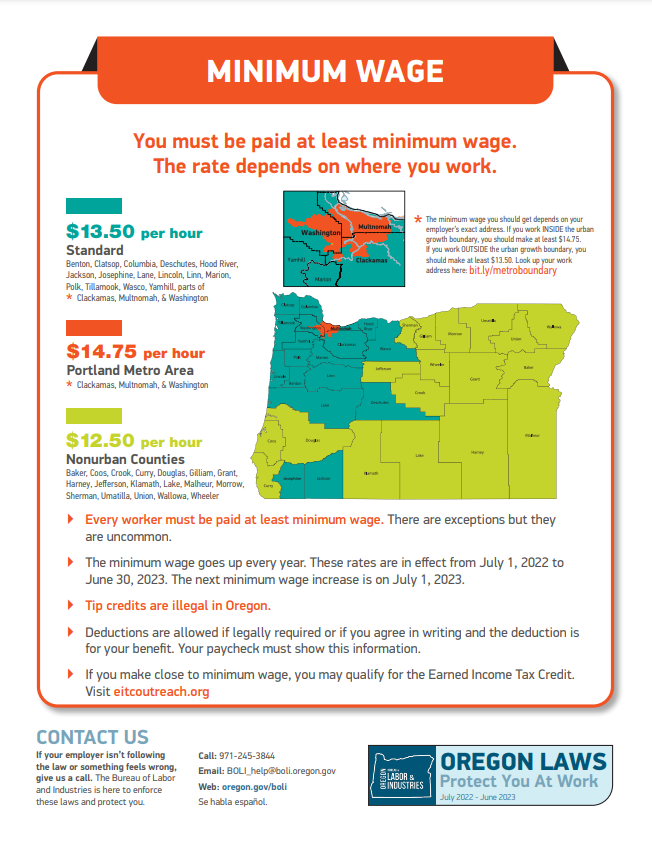
Oregon’s minimum wage is divided into three distinct tiers, each with its own rate:
-
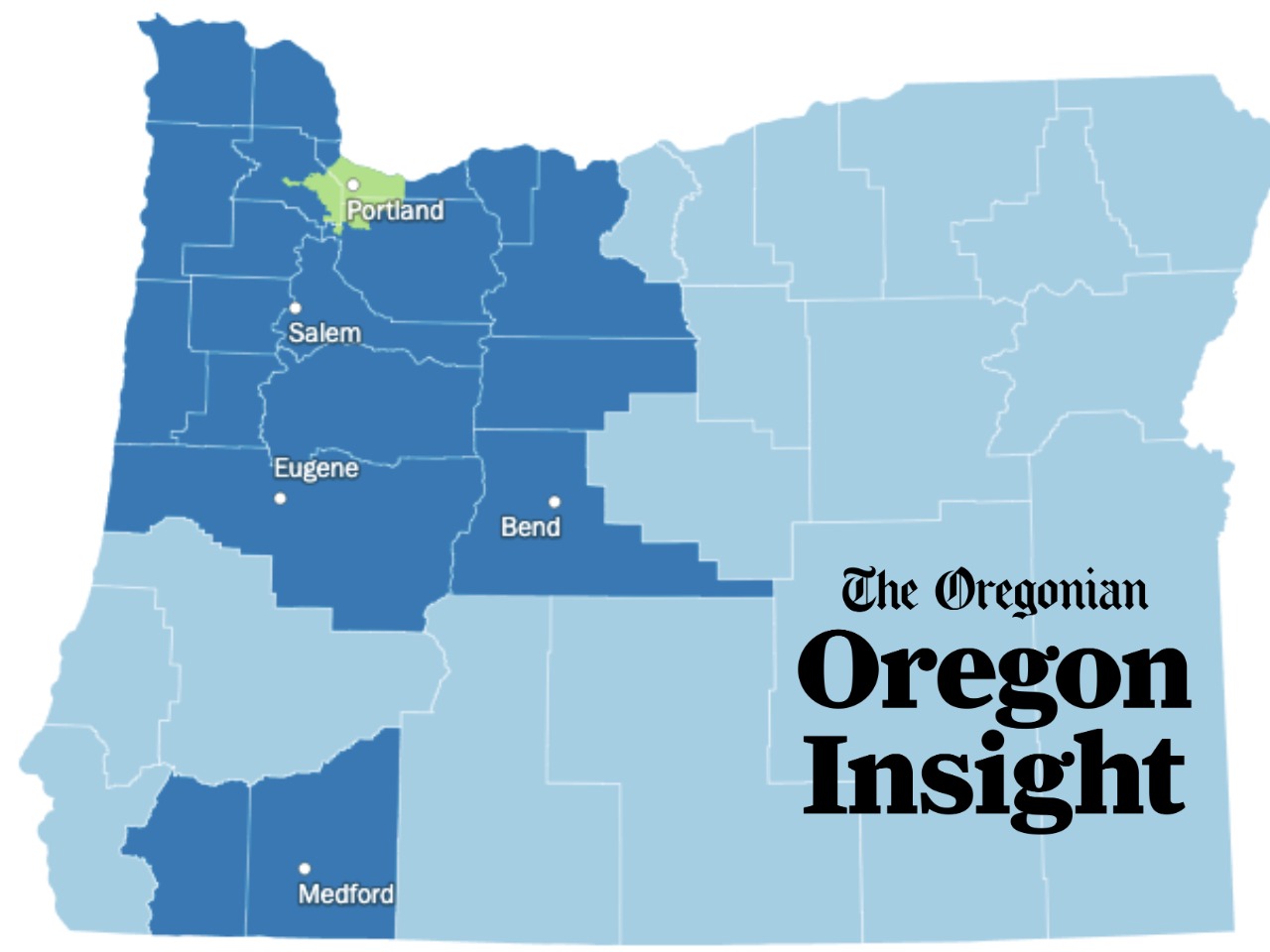
Portland Metro Area: This tier applies to the urban core and surrounding suburbs, characterized by a higher cost of living. Cities within this zone, such as Portland itself, Beaverton, Hillsboro, and Gresham, command the highest minimum wage rate in the state. This higher wage directly impacts the operational costs for businesses, including the diverse range of hotels, trendy restaurants, and popular attractions found throughout the metropolitan area. Travelers planning to spend a significant amount of time in Portland should anticipate that the cost of services and accommodations might be somewhat higher here compared to other parts of the state. For those considering seasonal work, the higher wage can be attractive, but it also comes with the challenge of navigating a more expensive rental market.
-
Standard Area: This tier covers a substantial portion of the state, encompassing many mid-sized cities and suburban areas outside the immediate Portland metro region. Cities like Salem (the state capital), Eugene, Corvallis, and Bend fall into this category. While still robust, the minimum wage here is slightly lower than in the Portland metro area, reflecting a comparatively lower, though still significant, cost of living. This tier presents a balanced scenario for travelers: excellent amenities and attractions are available, often at a slightly more accessible price point than in Portland. For those considering temporary employment, these areas offer a good compromise between earning potential and lifestyle costs, especially in the thriving tourism sectors of places like Bend, known for its outdoor activities, or Eugene, home to the University of Oregon.

- Non-Urban Area: This tier applies to the more rural counties and smaller towns across Oregon. These areas, often characterized by a lower cost of living and a greater reliance on agriculture, forestry, and small-scale tourism, have the lowest minimum wage rate. Destinations such as Astoria on the coast, Ashland in the Rogue Valley, or communities near Crater Lake National Park would fall under this tier. While the wages might be lower, so too are many everyday expenses, from groceries to long-term accommodation. For adventurous travelers seeking an authentic, off-the-beaten-path experience, or those looking for seasonal work in more serene environments, these areas can offer a unique lifestyle where earnings go further in terms of local living costs. However, major tourist hotspots within these regions, like Cannon Beach, might still see higher prices for specific amenities due to demand.
The specific rates for each tier are subject to annual adjustments, typically occurring on July 1st. These adjustments are tied to economic indicators, ensuring that the minimum wage evolves with the state’s economy. Staying updated on the current rates is advisable, especially if your travel plans involve extended stays or seeking temporary employment.
Historical Context and Future Adjustments
Oregon has a long history of progressive labor policies, and its approach to minimum wage is a testament to this legacy. The tiered system was enacted in 2016, with a phased implementation schedule designed to gradually increase wages across the state while mitigating potential economic shocks. This structured approach allows businesses, particularly those in the tourism and hospitality sectors, to adapt to rising labor costs.
The annual adjustments reflect a commitment to ensuring a living wage for workers, which, in turn, contributes to the overall quality of life and economic stability that both residents and visitors experience. For travelers, this means that the services they receive, whether at a luxury hotel, a charming bed and breakfast, or a local diner, are provided by individuals earning a wage designed to meet Oregon’s cost of living. This can translate into more motivated and stable workforces in the service industry, potentially enhancing the overall visitor experience. Future adjustments will continue to track inflation and economic growth, subtly shaping the affordability of travel and lifestyle experiences across the state.
The Impact of Minimum Wage on Travel and Tourism in Oregon
The minimum wage, while a labor policy, has a direct ripple effect on the tourism sector. For a state like Oregon, where tourism is a vital industry, understanding this connection is key for both visitors and those considering working in the state. The cost of labor directly influences the operational expenses of hotels, restaurants, tour operators, and various attractions, which in turn affects the prices consumers pay.
Budgeting for Your Oregon Adventure: Accommodation and Activities
When planning your Oregon getaway, the state’s minimum wage structure subtly influences your budgeting decisions, especially for accommodation and activities.
- Accommodation: In high-wage areas like the Portland Metro, you might find that hotel rates for boutique hotels or major chains like a Hilton Garden Inn are generally higher compared to similarly rated establishments in, say, a non-urban area. This is partly due to the higher labor costs associated with cleaning, front desk services, and other staff positions. For budget travelers, this might mean opting for hostels, more economical motels further from the city center, or exploring Airbnb equivalents and vacation rentals in less central but well-connected neighborhoods. Conversely, in the standard or non-urban areas like Bend, Ashland, or charming coastal towns, you might discover excellent value accommodations, from cozy inns to resorts, where your dollar stretches further. For instance, a stay in Sunriver might offer more amenities for a similar price point as a basic room in downtown Portland.
- Dining and Entertainment: The cost of dining out also reflects labor expenses. Expect higher prices for restaurant meals and specialty coffee in Portland compared to smaller towns. However, Oregon’s vibrant food truck scene, especially in Portland, offers delicious and affordable alternatives that cater to various budgets. Exploring local farmers’ markets for fresh produce and picnic supplies is another excellent way to manage food costs while experiencing local culture. For activities, many of Oregon’s most iconic attractions, like hiking in the Columbia River Gorge, exploring the Oregon Coast, or visiting numerous state parks, are free or require minimal entrance fees, making them highly accessible regardless of the prevailing minimum wage.
Understanding these nuances allows travelers to strategically plan their itineraries and allocate their budgets, ensuring a fulfilling and economically sound journey through Oregon.
Seasonal Work and Lifestyle: Earning While Exploring
For many, travel isn’t just about fleeting visits; it’s about embracing a lifestyle that combines exploration with practical living. Oregon’s tourism sector, especially in popular destinations, offers numerous opportunities for seasonal work. These roles, often found in hotels, restaurants, ski resorts, vineyards, and outdoor adventure companies, provide a chance to earn income while experiencing the state’s natural beauty and culture.
The minimum wage tiers are particularly relevant for those considering such opportunities. Working in the Portland metro area, while offering the highest minimum wage, also comes with a higher cost of living for housing and daily expenses. This means that while your hourly rate is higher, a larger portion might go towards rent. Conversely, seasonal work in a non-urban area, such as a resort near Mount Hood or a winery in the Willamette Valley, might offer a lower hourly wage but potentially more affordable housing options (sometimes even provided by employers) and a lower overall cost of living.
For digital nomads, students on a gap year, or anyone looking to extend their stay in Oregon by working, assessing the minimum wage against regional living costs is essential. It directly impacts your disposable income, which you can then allocate towards exploring more of Oregon’s wonders, from a whale-watching tour off the coast of Newport to a rafting trip on the Rogue River. Many establishments in prime tourist locations often seek temporary staff during peak seasons, offering a unique way to fund adventures and gain local insights.
Navigating Oregon’s Cost of Living: Beyond the Minimum Wage
While the minimum wage sets a baseline, the true cost of living in Oregon is influenced by a myriad of factors. Understanding these elements is crucial for travelers, particularly those planning extended stays or even considering relocation. It allows for more informed decisions regarding accommodation, food, transportation, and leisure activities, ensuring your Oregon experience aligns with your budget and lifestyle expectations.
Accommodation Choices and Their Affordability
Accommodation is often the largest expense for travelers. Oregon’s diverse lodging options range widely in price, directly correlating with location and amenities.
- Budget-Friendly Options: For travelers on a tight budget, hostels are available in cities like Portland and Eugene, offering dormitory-style rooms at significantly lower rates. Camping is another incredibly popular and affordable choice, with numerous state parks and national forests offering stunning sites across the state, from the Oregon Coast to the high desert near Bend.
- Mid-Range and Long-Term Stays: Beyond hostels, mid-range hotels, motels, and Airbnb properties provide more privacy and comfort. For longer stays, especially in standard or non-urban areas, monthly vacation rentals or extended-stay hotels can offer better value than nightly rates. Cities like Salem or Corvallis generally have more affordable long-term rental markets than Portland. If you’re considering temporary work, some employers in the hospitality industry, particularly in popular tourist towns like Cannon Beach or ski resorts near Mount Hood, may offer subsidized employee housing, which can drastically cut down on living expenses.
- Luxury and Unique Stays: At the higher end, Oregon boasts luxurious resorts and boutique hotels, particularly in wine country (e.g., Willamette Valley), coastal towns, and Portland. While these are a splurge, they offer unparalleled experiences, often with gourmet dining and spa services. These high-end options are where the higher minimum wage in urban areas contributes to the premium service quality.
Experiencing Oregon on a Budget: Food, Transport, and Attractions
Even with a higher minimum wage in certain areas, experiencing Oregon doesn’t have to break the bank. Smart choices can help you stretch your budget further.
- Food: While Oregon is renowned for its culinary scene, there are many ways to eat well affordably. In Portland, the food cart pods offer an incredible array of diverse and delicious meals at very reasonable prices. Local farmers’ markets across the state provide fresh, seasonal produce, perfect for self-catering, especially if your accommodation has kitchen facilities. Exploring local breweries and wineries often comes with food pairing options that can be more economical than high-end restaurants.
- Transportation: Public transportation is excellent in the Portland metro area, with TriMet offering buses, light rail (MAX), and streetcar services that can take you to most major attractions. Outside of Portland, a car is generally recommended for exploring the state’s vast natural beauty. However, ride-sharing services are available in larger cities. For those considering seasonal work, access to a vehicle might be a significant factor, as public transport options diminish in rural areas.
- Attractions: Oregon’s greatest treasures are often its natural wonders, many of which are free to access. Hiking trails in the Columbia River Gorge, surfing or beachcombing along the Oregon Coast, exploring vast forests, and admiring waterfalls are priceless experiences that cost nothing. Even state parks, which often have a small day-use fee, offer incredible value. Many museums and cultural institutions in cities like Portland and Eugene offer free admission days or discounted rates, making cultural enrichment accessible.
In essence, while the minimum wage in Oregon sets a baseline for earnings and influences service costs, smart planning and an awareness of regional differences allow travelers to craft an experience that is both rich in adventure and mindful of their budget. Whether you’re seeking luxury or a shoestring adventure, Oregon’s diverse economic landscape supports a wide spectrum of travel and lifestyle choices.
Understanding the minimum wage in Oregon provides a crucial lens through which to view your travel and lifestyle choices within this captivating state. Far from being a dry economic statistic, it’s a living factor that influences the prices of your hotel room, the cost of your morning coffee, and the potential earnings if you decide to extend your stay with some seasonal work. Oregon’s pioneering tiered minimum wage system, tailored to its diverse regions, reflects a thoughtful approach to local economies, impacting everything from the bustling urban landscape of Portland to the serene, non-urban expanses.
Whether you’re a discerning traveler planning a luxurious retreat, a backpacker seeking adventure on a budget, or a digital nomad considering a temporary base, awareness of these economic realities empowers you to make more informed decisions. By strategically choosing your accommodation, dining, and activity options based on regional cost differences, you can unlock the full potential of your Oregon adventure. From hiking the scenic trails of the Columbia River Gorge to exploring the vibrant food scene in Portland, or even finding temporary work at a coastal resort, Oregon offers a rich tapestry of experiences. With a little planning and an understanding of its unique economic rhythm, your journey through Oregon will undoubtedly be enriching and memorable, perfectly tailored to your individual lifestyle and financial considerations.