
When planning a trip to the vast and diverse state of Texas, or perhaps considering a longer stay, understanding the local economic landscape is more insightful than one might initially think. Beyond the iconic landmarks, vibrant cities, and rich cultural experiences, the economic underpinnings, particularly the minimum wage, play a crucial role in shaping the travel experience, the hospitality industry, and the lifestyle of its residents. For travelers, this knowledge can influence budgeting for dining, accommodation, and activities. For those interested in the local culture or even potential employment in the booming tourism sector, it provides a vital context.
Texas, known for its independent spirit and “bigger and better” ethos, has a unique approach to minimum wage that aligns closely with federal standards rather than establishing a separate state-specific rate. This fact has ripple effects across its sprawling cities, charming small towns, and popular tourist destinations, impacting everything from the cost of a luxury resort stay to the affordability of local culinary delights. From the bustling streets of Houston and Dallas to the historic charm of San Antonio and the live music scene in Austin, the minimum wage influences the livelihoods of countless individuals who contribute to the state’s vibrant tourism and lifestyle sectors.
This article delves into the specifics of minimum wage in Texas, exploring its direct and indirect implications for travelers, hospitality professionals, and the overall economic fabric that supports the state’s allure as a premier destination for travel, accommodation, and diverse lifestyles.
Understanding the Minimum Wage Landscape in Texas for Travelers and Hospitality Professionals
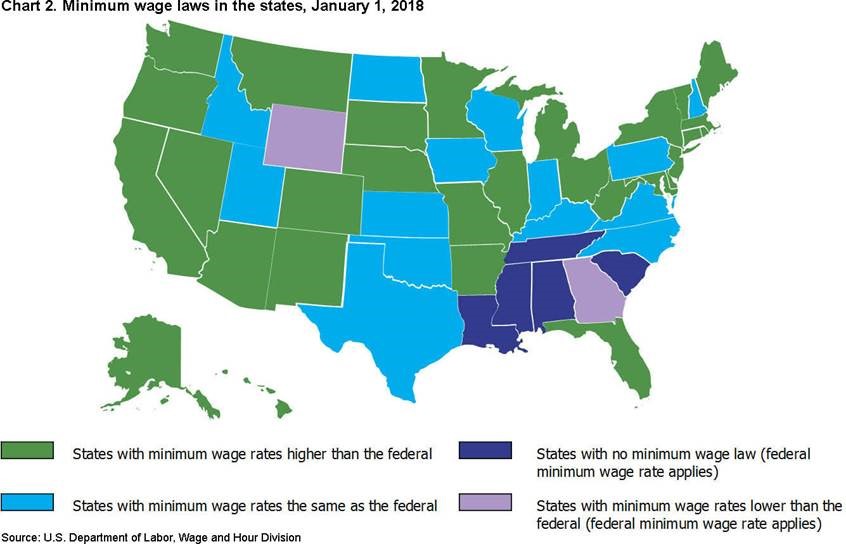
The foundational understanding of minimum wage in Texas begins with its relationship to the federal standard. Unlike many other states that have enacted their own higher minimum wage rates, Texas currently adheres to the federal minimum wage, which has significant implications for both workers and the tourism industry that relies heavily on their labor.
The Current Federal and State Standard
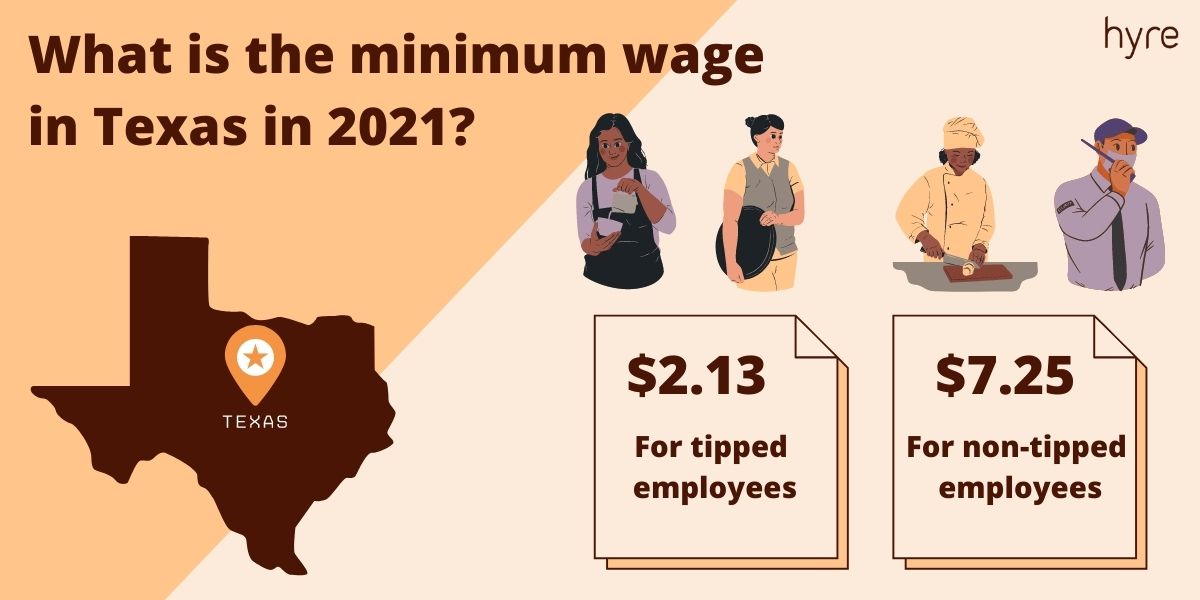
As of the current standing, the minimum wage in Texas is set at $7.25 per hour. This rate mirrors the federal minimum wage established under the Fair Labor Standards Act (FLSA) for the United States. It’s crucial to note that Texas does not have its own state minimum wage law that supersedes the federal rate; therefore, the federal standard applies uniformly across the state for most non-exempt employees.
This standard is particularly relevant for the expansive hospitality sector, which includes hotels, resorts, restaurants, cafes, and various tourist attractions. Employees working in these establishments, from front-desk staff at boutique hotels in Austin to housekeeping teams in luxury resorts on South Padre Island, are generally subject to this $7.25 per hour rate, unless they fall under specific exemptions or are tipped employees. Understanding this baseline is essential for anyone considering working in the Texan tourism industry or even just for travelers wanting to grasp the economic context of the services they receive.
Tipped Employees and Subminimum Wages
One of the most significant distinctions in minimum wage law, especially pertinent to the tourism and dining experience, concerns tipped employees. The FLSA, and consequently Texas law, allows employers to pay a subminimum wage to employees who regularly receive tips, provided their tips combined with their direct wage meet or exceed the standard minimum wage.
In Texas, the minimum cash wage an employer must pay to a tipped employee is $2.13 per hour. This “tip credit” means that employers can credit up to $5.12 per hour of an employee’s tips toward fulfilling the $7.25 minimum wage requirement. If an employee’s tips, combined with the $2.13 cash wage, do not reach the $7.25 per hour minimum, the employer is legally obligated to make up the difference.
This system is widespread in the restaurant scene, from upscale dining establishments in Dallas to casual eateries along the San Antonio Riverwalk. It directly impacts servers, bartenders, bellhops, and other service staff who often form the backbone of a memorable travel experience. For travelers, recognizing this system can inform tipping practices, ensuring that those providing exceptional service are adequately compensated. It also explains why tipping is such an integral part of the dining and service culture in Texas.
Exemptions and Special Circumstances
While the $7.25 per hour standard applies broadly, there are several exemptions and special circumstances under federal law that can affect who is covered by minimum wage requirements in Texas. These can include:
- Exempt Employees: Certain executive, administrative, professional, and outside sales employees, as well as highly compensated employees, may be exempt from minimum wage and overtime requirements if they meet specific salary and duties tests. This often applies to managerial roles within hotels and tourist attractions.
- Youth Minimum Wage: Employers can pay employees under 20 years of age a subminimum wage of $4.25 per hour for their first 90 consecutive calendar days of employment. This can sometimes apply to seasonal workers or interns in the tourism industry.
- Full-time Students: Specific rules apply to full-time students employed in retail or service establishments, agriculture, or institutions of higher education, allowing them to be paid 85% of the minimum wage under certain conditions and with proper certification.
- Certain Seasonal or Recreational Establishments: While less common, some federal exemptions can apply to specific types of seasonal or recreational businesses.
Understanding these nuances is important for anyone navigating the employment landscape in Texas’s diverse economy, particularly within the hospitality and tourism sectors. For visitors, these exemptions generally have an indirect impact, primarily affecting the staffing and operational models of the places they visit.
Minimum Wage, Cost of Living, and Travel Budgeting in Texas
The minimum wage, while seemingly a straightforward economic figure, casts a long shadow over the cost of living and, by extension, the strategies travelers employ when budgeting for their Texan adventures. It influences everything from the price of a meal to the wages paid to the staff ensuring a comfortable hotel stay.
Impact on Hospitality Workers and Local Economies
The $7.25 per hour minimum wage, especially for non-tipped positions, significantly shapes the purchasing power of a large segment of the workforce in Texas. Many individuals working in entry-level hospitality roles, such as hotel housekeepers, theme park attendants, or retail staff at tourist shops, fall into this wage bracket. Their ability to afford housing, transportation, food, and local entertainment directly impacts the vibrancy of the communities tourists visit.
In major metropolitan areas like Houston and Dallas, where the cost of living, particularly housing, can be considerably higher than in rural areas, earning the minimum wage presents significant financial challenges. This can lead to longer commutes for workers, affecting their quality of life and potentially impacting their ability to provide consistent, high-quality service. Conversely, in areas with a lower cost of living, the minimum wage may stretch further, supporting a different quality of life.
A stable and fairly compensated hospitality workforce is crucial for a thriving tourism industry. When workers can afford to live comfortably in the areas they serve, it contributes to lower turnover, higher morale, and ultimately, better service experiences for travelers. This indirect link means that the minimum wage influences the overall quality of tourism infrastructure and the local economies that rely on it.
Budgeting for Your Texas Trip: Accommodation, Food, and Attractions
For travelers, understanding the minimum wage environment in Texas can subtly inform their budgeting decisions. While the minimum wage isn’t a direct factor in the pricing of a luxury suite or an airline ticket, it’s an underlying component of the labor costs for most services.
- Accommodation: The cost of staff – from front desk to housekeeping – is factored into hotel rates. In a state where wages are tied to the federal minimum, labor costs for hotels and resorts might be lower compared to states with higher minimum wages. This could theoretically translate to slightly more competitive pricing for budget accommodations, or allow luxury hotels to invest more in other amenities rather than solely covering escalated labor expenses. Travelers might find a range of options, from budget-friendly motels near Fort Worth‘s Stockyards to opulent hotels in Houston’s Galleria, with prices reflecting local demand, amenities, and indirectly, labor costs.
- Food and Dining: For dining, the subminimum wage for tipped employees means that menu prices might not need to be as high to cover staff wages as they would in states where employers pay a higher non-tipped minimum wage. However, this places a greater onus on the customer to provide generous tips. When dining out, especially in tourist hotspots like Austin’s Sixth Street or around the Alamo in San Antonio, travelers should factor in an appropriate tip (typically 15-20%) for good service, understanding that a significant portion of the server’s income depends on it.
- Attractions and Activities: Similarly, staff at attractions like the NASA Johnson Space Center in Houston, museums, or Big Bend National Park visitor centers are also subject to these wage standards. The pricing for tickets and experiences is a complex calculation of operational costs, maintenance, and desired profit margins, where labor is one component.
Understanding this economic backdrop allows travelers to make more informed choices, whether they’re seeking budget travel options or indulging in luxury experiences.
Exploring Diverse Lifestyles Across Texas Cities
The minimum wage’s impact varies significantly across the diverse urban and rural landscapes of Texas, shaping distinct lifestyles and travel experiences.
- Austin: Known for its “Keep Austin Weird” ethos, live music, and tech industry boom, Austin has a higher cost of living than many other Texan cities. While minimum wage workers in Austin face greater challenges with affordability, the city’s vibrant culture thrives on a diverse workforce, including many in service industries. Travelers here will find a dynamic blend of high-end culinary experiences and laid-back food trucks, luxury hotels, and quirky boutique accommodations, all supported by a workforce navigating the local economic realities.
- Dallas & Houston: These sprawling metropolises are economic powerhouses, with diverse industries beyond tourism. They offer world-class dining, shopping, and cultural attractions. The sheer size and economic activity mean a greater variety of job opportunities, but also significant disparities in the cost of living. For visitors, this translates into a wide array of choices for luxury travel, business stays, and family trips, with the hospitality sector being a major employer. The minimum wage in these cities underpins the services that make these urban adventures possible.
- San Antonio: With its rich history and cultural attractions like the Alamo and the Riverwalk, San Antonio offers a unique blend of heritage tourism. The cost of living here is generally more moderate than in Austin or Dallas, potentially allowing minimum wage earners to experience a somewhat more comfortable lifestyle, though challenges persist. Travelers can enjoy authentic Tex-Mex cuisine, historic hotels, and family-friendly activities, often delivered by a dedicated local workforce.
These regional differences highlight how the statewide minimum wage intersects with local economic conditions, creating a patchwork of lifestyles and influencing the accessibility and character of various travel experiences within Texas.
The Broader Economic Impact on Texas Tourism and Lifestyle
The minimum wage, while a micro-economic issue for individual workers, has macro-economic implications that reverberate throughout the entire Texas tourism industry and significantly shape its overall lifestyle appeal. It’s a key factor in the long-term sustainability and quality of the visitor experience.
Attracting and Retaining Talent in the Hospitality Sector
The competitive nature of the hospitality industry means that attracting and retaining skilled and motivated staff is paramount for delivering excellent service. When the minimum wage is at the federal floor, businesses in Texas must often find creative ways to compete for talent, particularly in markets with high demand for labor. This can include offering better benefits, flexible schedules, opportunities for advancement, or wages above the minimum, even if not legally required.
Hotels, resorts, and popular attractions in tourist hubs like Austin or San Antonio are constantly striving to provide exceptional experiences. This requires a dedicated and well-trained workforce. If the minimum wage makes it difficult for workers to live in or near these areas, businesses may face challenges with staffing, leading to higher turnover and potential declines in service quality. Conversely, companies that prioritize fair compensation, even if starting at the minimum, and provide a positive work environment, are more likely to foster loyalty and deliver the kind of memorable experiences travelers seek. This directly impacts how a destination is perceived, from the cleanliness of a hotel to the friendliness of a tour guide.
The Traveler’s Perspective: Value and Experience
For the discerning traveler, value isn’t just about price; it’s about the entire experience. This includes the quality of service, the authenticity of interactions, and the overall atmosphere of a destination. While low labor costs might initially seem beneficial for competitive pricing, an underpaid or overworked workforce can inadvertently detract from the travel experience.
When service staff in restaurants, hotels, or tourist attractions are treated fairly and feel valued, it often translates into superior customer service. A server who isn’t constantly worried about making ends meet is more likely to be cheerful and attentive. A hotel front desk agent who feels secure in their job will likely be more helpful and patient. These seemingly small interactions collectively contribute to a positive perception of Texas as a welcoming and enjoyable place to visit.
Conversely, high employee turnover or a demoralized workforce, which can be exacerbated by low wages in high-cost-of-living areas, can lead to inconsistent service, delays, and a less enjoyable atmosphere. Therefore, the minimum wage, though an internal labor policy, has a direct correlation to the external perception of value and the quality of the travel experience in Texas.
Long-Term Trends and Future Considerations for Texas Tourism
The debate around minimum wage in the United States is ongoing, and Texas is not immune to these discussions. While the state currently adheres to the federal rate, future legislative changes at either the federal or state level could potentially alter the landscape. Any increase in the minimum wage could have several impacts on Texas tourism and lifestyle:
- Increased Labor Costs for Businesses: Hotels, restaurants, and attractions would face higher operational costs, which could lead to adjustments in pricing for accommodation, dining, and activities.
- Improved Worker Livelihoods: A higher minimum wage could significantly improve the quality of life for many hospitality workers, potentially reducing poverty rates and boosting local economies through increased consumer spending.
- Enhanced Service Quality: With better pay, businesses might find it easier to attract and retain higher-caliber talent, potentially leading to an overall improvement in service quality across the tourism sector.
- Shifts in Business Models: Some businesses might explore automation or different staffing models to manage increased labor costs, which could change the nature of some jobs in the tourism industry.
For travelers, these potential changes signify future shifts in the cost of travel and the overall experience. A destination where workers earn a living wage often projects a stronger sense of community well-being, which can be an attractive factor for visitors seeking authentic and ethical travel experiences. The future of minimum wage in Texas will undoubtedly continue to be a topic of interest, with direct implications for the state’s enduring appeal as a top destination for travel, accommodation, and diverse lifestyle choices.
In conclusion, while the minimum wage in Texas is currently set at the federal rate of $7.25 per hour, its influence extends far beyond a simple pay stub. It is an integral, albeit often unseen, thread in the rich tapestry of Texas travel, accommodation, and lifestyle. For those planning a visit or considering a longer stay, understanding this economic context offers a deeper appreciation for the experiences, the services, and the people who make Texas truly unique. From budgeting a family vacation to contemplating a career in the vibrant Texan tourism sector, the minimum wage is a cornerstone of the state’s economic reality, subtly shaping every interaction and experience.