
Idaho, often celebrated for its breathtaking natural beauty, vast wilderness areas, and a burgeoning tourism sector, presents a unique economic landscape within the United States. For residents, prospective employees, and even travelers contemplating a working holiday or simply understanding local economic dynamics, one crucial question often arises: what is the minimum wage in the Gem State? The answer to this seemingly straightforward question holds significant implications for the cost of living, the viability of a lifestyle centered around travel and leisure, and the overall economic health of the state’s vibrant hospitality and tourism industries.
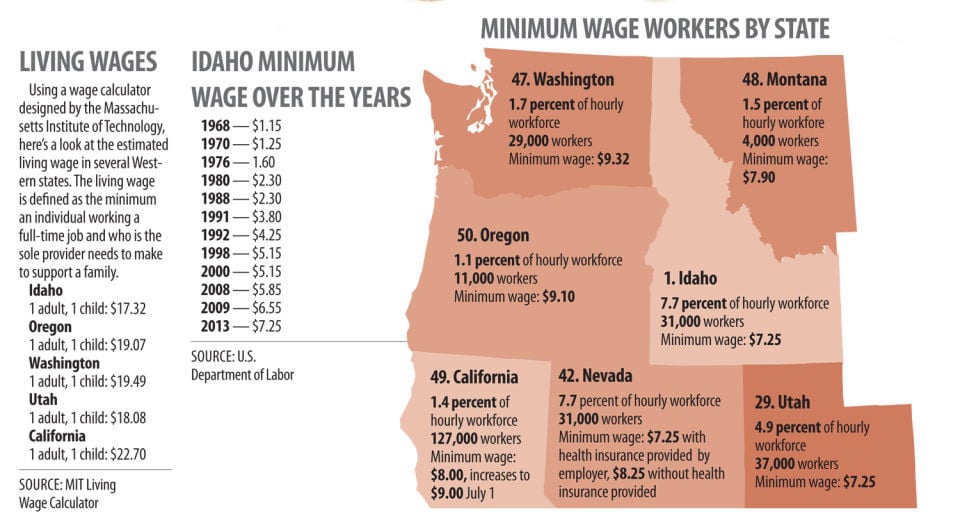
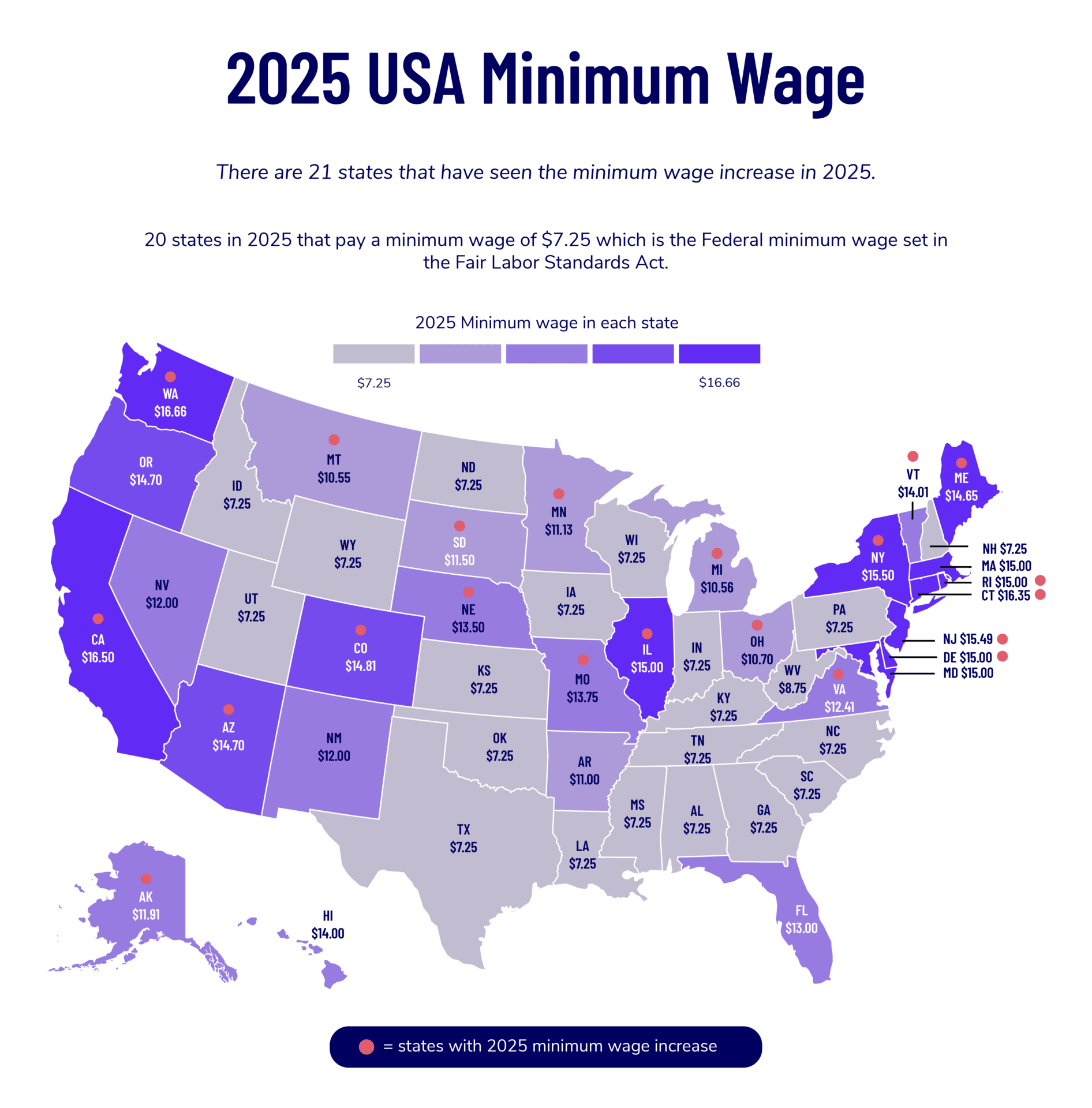
In Idaho, the minimum wage adheres directly to the federal standard set by the United States government. Unlike many other states that have enacted their own higher state-specific minimum wage laws, Idaho has chosen to follow the federal guideline. This means that as of the most recent federal update, the minimum wage in Idaho is $7.25 per hour. This figure has remained constant since its last federal increase in 2009. While this provides a clear baseline, understanding its practical impact requires a deeper dive into Idaho’s diverse regions, the cost of living, and the economic nuances that shape daily life for those earning at this level, especially within industries crucial to the state’s appeal, such as travel, tourism, and accommodation.
Understanding Idaho’s Minimum Wage Landscape
The framework of minimum wage in Idaho is rooted in federal legislation, which sets a universal floor for hourly pay. However, the true economic impact of this rate varies dramatically depending on where one lives or works within the state and the industry they are part of.
The Current Federal Standard in Idaho
For over a decade, the minimum wage in Idaho has been $7.25 per hour, reflecting the federal Fair Labor Standards Act (FLSA). This means that employers in Idaho are legally required to pay their employees no less than this amount for each hour worked, with certain exceptions for tipped employees, students, and workers with disabilities. Tipped employees, for instance, may be paid a lower direct cash wage (as low as $3.35 per hour in Idaho) as long as their tips bring their total hourly earnings up to or exceeding the standard $7.25 minimum wage. This distinction is particularly relevant for the expansive hospitality sector, encompassing everything from hotel staff and restaurant servers to tour guides and resort employees, all of whom play a vital role in Idaho’s thriving tourism scene.
While the $7.25 per hour standard provides a consistent figure across the state, it’s crucial to acknowledge that various factors can influence actual wages. Many employers, especially in high-demand or specialized roles, or those seeking to attract and retain quality talent, often pay above the minimum wage. However, for entry-level positions, seasonal work, and jobs in less competitive markets, the minimum wage remains a prevalent starting point. Understanding this baseline is essential for anyone considering a move to Idaho for work, planning an extended stay, or simply assessing the economic realities of a region renowned for its outdoor adventure and quality of life.
Historical Context and Local Economic Factors
Idaho’s decision to align with the federal minimum wage reflects a broader economic philosophy prevalent in the state, often favoring lower labor costs to stimulate business growth and maintain competitiveness. This approach contrasts with states like California or Washington, its western neighbors, which have significantly higher state-mandated minimum wages.
Historically, Idaho’s economy has been diverse, with strong roots in agriculture, forestry, mining, and increasingly, technology and tourism. The state’s varied economic drivers mean that the impact of a $7.25 minimum wage is not uniform. In urban centers like Boise, which has experienced rapid growth and a booming tech industry, the cost of living, particularly housing, has risen considerably. For someone earning minimum wage in Boise or its fast-growing suburb of Meridian, affording basic necessities can be a significant challenge. This disparity highlights the gap between the minimum wage and a living wage in many of Idaho’s more developed areas.
Conversely, in more rural parts of Idaho, where the cost of living might be lower, the $7.25 wage could stretch further, though job opportunities might be less abundant. Destinations like Sun Valley, a premier ski resort town, or Coeur d’Alene, a picturesque lake city, rely heavily on seasonal tourism. While these areas offer abundant job prospects in hospitality, the high cost of housing in such desirable locations often means that even above-minimum wages can still present financial hurdles for workers, necessitating shared accommodation or longer commutes from more affordable neighboring towns. This complex interplay of federal mandates, local economic conditions, and industry-specific demands paints a detailed picture of the minimum wage’s real-world implications in Idaho.
Minimum Wage and the Idaho Tourism & Hospitality Sector
The tourism and hospitality sector is a cornerstone of Idaho’s economy, attracting millions of visitors each year to explore its stunning landscapes, from the majestic Sawtooth Mountains to the pristine waters of Lake Coeur d’Alene. This sector is also a major employer, with countless jobs in hotels, resorts, restaurants, tour operations, and visitor services. Many of these roles are entry-level or seasonal, and consequently, minimum wage or slightly above minimum wage rates are common.
Impact on Service Industry Workers
For the dedicated individuals who make Idaho’s tourism experience seamless and enjoyable – from the friendly faces at hotel front desks to the diligent housekeeping staff, the servers in local diners, and the outdoor guides leading excursions – the minimum wage directly dictates their earning potential. Working at $7.25 an hour means a full-time employee (40 hours a week) earns approximately $290 before taxes. Annually, this amounts to roughly $15,080. This income level often presents significant challenges in meeting the rising cost of living, particularly in popular tourist destinations where housing, groceries, and transportation can be expensive.
Consider a hotel employee in Sun Valley, a world-renowned ski resort. While the resort offers an incredible lifestyle and access to outdoor activities, securing affordable housing can be a constant struggle for those earning minimum wage. Similarly, in vibrant cities like Boise or Idaho Falls, service industry workers might find themselves needing to work multiple jobs or rely on public assistance to make ends meet. This economic pressure can impact staff morale, retention rates, and ultimately, the quality of service provided to tourists. Businesses in competitive markets often choose to pay above the minimum wage to attract and keep skilled staff, recognizing the long-term benefits of a stable and satisfied workforce. However, smaller businesses or those operating on tight margins may find it challenging to offer significantly higher wages, creating a delicate balance between profitability and fair compensation.
Navigating Accommodation Costs on a Minimum Wage Budget
Accommodation is one of the most significant expenses for anyone living or traveling in Idaho, and it’s particularly challenging for those earning minimum wage. Whether considering long-term rentals or short-term stays, the $7.25 hourly rate severely limits options. In attractive tourist hubs, finding suitable and affordable housing can be a major barrier.
For example, a single person earning minimum wage would need to spend a disproportionately high percentage of their income on rent in cities like Boise, where the average rent for a one-bedroom apartment often exceeds $1,000 per month. This situation is even more acute in resort towns such as McCall or Sandpoint, where seasonal demand for housing drives prices up. Many service workers in these areas resort to shared housing, living in employee dormitories provided by larger resorts like Sun Valley Resort (if available), or commuting long distances from more affordable outlying communities.
From a traveler’s perspective, this situation also indirectly affects prices. If businesses struggle to find and retain staff due to low wages and high living costs, it can lead to staffing shortages, impacting service quality, or it could prompt businesses to increase prices for services and accommodations to cover higher labor costs needed to attract workers. For budget-conscious travelers or digital nomads looking for extended stays, understanding the local economic reality helps contextualize hotel prices, resort fees, and the overall cost of a tourism-driven lifestyle in Idaho. Savvy travelers might seek out smaller towns near major attractions, utilize campgrounds, or explore vacation rentals in less central locations to save on accommodation.

The Ripple Effect on Travel Experiences and Local Businesses
The minimum wage, while a specific economic figure, has far-reaching effects that permeate the entire travel experience in Idaho. A workforce struggling with low wages may face financial stress, which can inadvertently affect their ability to provide exceptional customer service. High turnover rates, often a symptom of low wages, mean less experienced staff, which can impact the efficiency and quality of service at hotels, restaurants, and attractions.
For local businesses, especially small, independent shops and eateries that are often the heart of Idaho’s charm, operating on tight margins means balancing competitive pricing with fair compensation. While lower labor costs can theoretically translate to lower prices for consumers, the reality is more complex. Businesses need to ensure they can attract and retain good employees, which often means offering more than the legal minimum. If they can’t, the business might struggle to meet demand, affecting the overall visitor experience.
Moreover, the purchasing power of the local population impacts the vibrancy of the local economy. When a significant portion of the workforce earns minimum wage, their disposable income for leisure activities, local dining, and purchasing souvenirs is limited. This can affect the vitality of local economies, particularly in areas heavily reliant on both tourist spending and local consumer activity. A thriving local population with sufficient disposable income contributes to a more robust and diverse local economy, which, in turn, makes a destination more appealing to visitors seeking authentic cultural experiences.
Lifestyle Implications: Living and Exploring Idaho on a Budget
Idaho offers an unparalleled quality of life for those who love the outdoors, from its majestic mountains and pristine rivers to its vast, open plains. However, for individuals and families living on a minimum wage income, enjoying this lifestyle requires careful budgeting and strategic planning.
Balancing Essentials with Experiential Travel
Earning $7.25 an hour means that discretionary spending is severely limited after covering essential costs like rent, utilities, food, and transportation. For residents, this often means making difficult choices between daily necessities and the leisure activities that define the Idaho lifestyle. Things like ski passes at Bogus Basin, white-water rafting trips on the Salmon River, or even a weekend getaway to the Frank Church-River of No Return Wilderness Area can become luxuries that are out of reach.
For budget travelers considering Idaho, or those contemplating an extended stay where they might work in the hospitality sector, understanding the local cost of living relative to the minimum wage is vital. While the state offers abundant free or low-cost natural attractions, the expenses associated with travel (gas, food, lodging) can quickly add up. This often necessitates a “budget travel” mentality, focusing on free activities like hiking, camping, picnicking in state parks, or exploring urban green spaces like the Boise River Greenbelt. It underscores the importance of meal planning, cooking at home or in accommodation with kitchenettes, and seeking out free cultural events.
Budget-Friendly Destinations and Activities in Idaho
Despite the economic realities, Idaho remains an incredibly accessible state for budget-conscious explorers, whether they are residents or visitors. Its natural landscape is its greatest asset, offering a wealth of experiences that require minimal to no financial outlay.
- National Forests and State Parks: Idaho is home to vast national forests and numerous state parks. Entry fees are often minimal, and many offer free hiking trails, scenic viewpoints, and picnic areas. Camping, while not entirely free, is a significantly more affordable accommodation option than hotels. Exploring areas like the Boise National Forest, the Caribou-Targhee National Forest near Idaho Falls, or the recreational opportunities around Pocatello can provide days of enjoyment.
- Natural Wonders: Marveling at the “Niagara of the West,” Shoshone Falls near Twin Falls, or exploring the otherworldly volcanic landscapes of Craters of the Moon National Monument and Preserve are awe-inspiring experiences that come with minimal or no entry fees. The sheer scale of Hells Canyon, North America’s deepest river gorge, is another example of Idaho’s natural grandeur accessible on a budget.
- City Parks and Greenbelts: Urban areas like Boise offer extensive greenbelt systems that provide miles of paved pathways for walking, biking, and wildlife viewing, all free of charge. Local parks frequently host free events, concerts, and farmer’s markets, which are excellent for experiencing local culture without breaking the bank.
- Proximity to National Parks: While not entirely within Idaho, the state shares borders with iconic destinations like Yellowstone National Park and Grand Teton National Park. Day trips to these parks, particularly with a national park pass, offer unparalleled natural experiences that are relatively cost-effective, especially if transportation is shared.
- Affordable Accommodation Alternatives: Beyond camping, options like hostels (though less common in Idaho than other states), budget motels in smaller towns, or leveraging loyalty programs for hotel stays can significantly reduce accommodation costs. Services like Airbnb or VRBO can also offer more budget-friendly options, particularly for longer stays or groups, providing amenities like kitchens to save on food expenses. For example, while a stay at The Coeur d’Alene Resort might be a luxury, nearby guesthouses or campsites offer a more wallet-friendly alternative.
Living and exploring Idaho on a minimum wage budget requires resourcefulness and a deep appreciation for the state’s natural beauty. It’s a lifestyle that prioritizes experiences over extravagance, proving that the Gem State’s treasures are indeed accessible to all who seek them, regardless of their financial means.
Economic Perspectives and the Future of Idaho’s Workforce
The discussion around minimum wage is never static; it’s a dynamic conversation influenced by economic theory, social equity concerns, and the evolving needs of both employers and employees. In Idaho, where the state’s economic identity is closely tied to its natural resources and burgeoning tourism, these debates are particularly relevant.
Debates and Discussions Around Wage Policies
The adherence to the federal minimum wage of $7.25 per hour in Idaho is a point of ongoing debate. Advocates for an increased minimum wage argue that the current rate is insufficient to cover the basic cost of living in many parts of the state, leading to poverty, dependence on public assistance, and hindering economic mobility for many workers, particularly in the critical service and hospitality sectors. They contend that a higher minimum wage would stimulate the local economy by increasing consumer spending, reduce employee turnover, and improve worker productivity and morale, ultimately benefiting businesses and the broader community. From a tourism perspective, a more financially secure workforce could lead to better service quality and a more positive overall visitor experience.
Conversely, opponents of a significant minimum wage increase often express concerns about its potential negative impacts on businesses, particularly small enterprises. They argue that raising wages could lead to increased labor costs, forcing businesses to reduce staff, halt hiring, or pass costs onto consumers through higher prices, potentially making Idaho less competitive as a tourist destination or a place to do business. Concerns are also raised about potential inflation and the possibility of job losses, especially in sectors with tight margins like restaurants and accommodation providers. These arguments highlight the complex economic trade-offs involved in minimum wage policy decisions, especially in a state like Idaho where different regions have vastly different economic realities and cost structures.
Opportunities for Growth and Economic Mobility
Despite the challenges associated with the minimum wage, Idaho offers various avenues for economic growth and upward mobility. For individuals starting at minimum wage, the state’s growing industries, particularly in technology, healthcare, and specialized manufacturing, often provide opportunities for career advancement and higher-paying jobs through skill development and education. Community colleges and vocational programs across the state offer training that can help individuals transition into higher-skilled roles, moving beyond entry-level positions.
Within the tourism and hospitality sector itself, there are pathways for growth. Many hotels, resorts, and tour companies offer internal training and promotion opportunities for dedicated employees who start at entry-level positions. For example, a front desk clerk might advance to a supervisory role, or a seasonal guide could develop specialized skills to lead more lucrative, niche tours. The strong demand for skilled workers in these areas means that those who invest in their professional development can often command wages significantly above the minimum.
Furthermore, Idaho’s entrepreneurial spirit encourages individuals to create their own opportunities. For those who identify gaps in the market or have unique skills, starting a small business, perhaps related to outdoor guiding, local crafts, or specialized accommodation, can offer a path to greater financial independence. The state’s natural assets, combined with a supportive community for small businesses, make it an attractive place for innovators.
In conclusion, while the minimum wage in Idaho stands at the federal rate of $7.25 per hour, its true impact is multifaceted, touching upon everything from the daily lives of service industry workers to the pricing of travel experiences and the overall economic vitality of the state. Understanding this foundational wage helps shed light on the lifestyle choices available, the challenges faced by many, and the resilient spirit of a state that continues to balance economic growth with the preservation of its unique character and natural allure. For anyone engaging with Idaho – whether as a resident, a worker, or a traveler – recognizing these economic underpinnings provides a richer, more nuanced appreciation of the Gem State.
LifeOutOfTheBox is a participant in the Amazon Services LLC Associates Program, an affiliate advertising program designed to provide a means for sites to earn advertising fees by advertising and linking to Amazon.com. Amazon, the Amazon logo, AmazonSupply, and the AmazonSupply logo are trademarks of Amazon.com, Inc. or its affiliates. As an Amazon Associate we earn affiliate commissions from qualifying purchases.