
While delving into the vibrant tapestry of Texas, from the bustling streets of Houston to the historic charm of San Antonio, understanding the local economic landscape is as crucial as knowing the best barbecue joint or the must-see Alamo. This is particularly true for travelers who might be considering longer stays, or even those simply interested in the economic pulse of the Lone Star State. While the primary focus of lifeoutofthebox.com is on enriching travel experiences, including discovering unique accommodations, exploring captivating landmarks, and immersing oneself in local tourism and lifestyle, a fundamental aspect of any region’s economic health, and thus its appeal for extended visits or even potential relocation, is its minimum wage.
Understanding Texas’s Minimum Wage
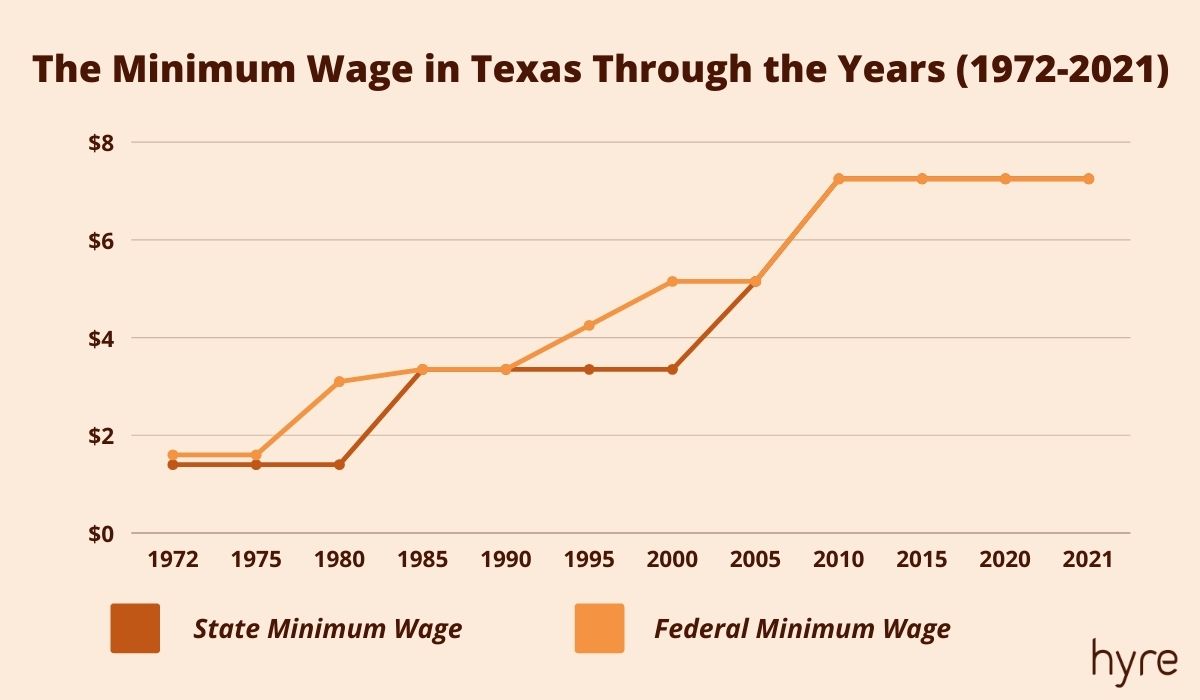
The minimum wage is a cornerstone of labor law, designed to ensure a basic standard of living for workers and to prevent exploitation. In Texas, like in many states across the United States, the minimum wage is a topic of perennial interest, especially as economic conditions fluctuate and legislative discussions evolve. It’s important to note that Texas does not have its own state-mandated minimum wage that is higher than the federal minimum wage. This means that the prevailing minimum wage for most employees in Texas is set by the federal government.
The Federal Minimum Wage and Its Application in Texas
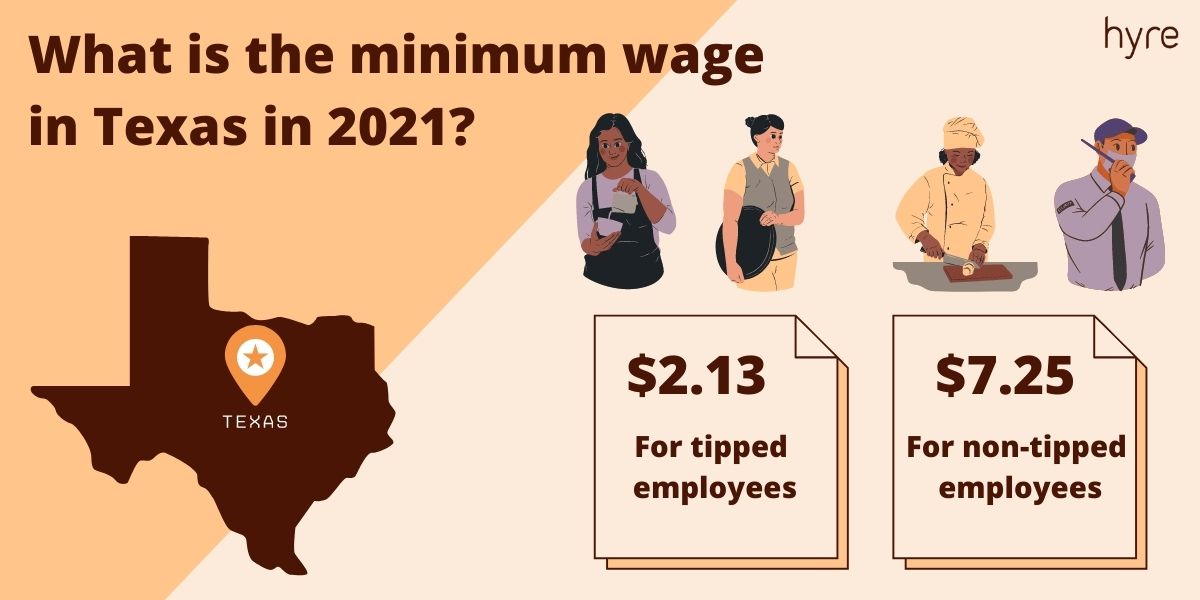
The current federal minimum wage in the United States is $7.25 per hour. This rate has remained unchanged since July 24, 2009. For employers in Texas, this federal rate serves as the baseline. If an employer in Texas is covered by the Fair Labor Standards Act (FLSA), they must pay their employees at least $7.25 per hour. The FLSA applies to most employees in private and public sector employment. There are, however, certain exemptions and special provisions that can affect minimum wage requirements for specific types of workers.
It is crucial for both employers and employees in Texas to understand these regulations. For employers, compliance is paramount to avoid penalties and legal repercussions. For employees, knowing their rights ensures they are compensated fairly for their labor. This understanding is particularly relevant for those in the service industry, which forms a significant part of Texas‘s thriving tourism sector, from waitstaff in restaurants in Austin to hotel staff in luxury resorts in the Texas Hill Country.
Tipped Employees in Texas
A significant area of nuance within minimum wage law pertains to tipped employees. In Texas, as with the federal standard, there is a lower minimum wage for employees who customarily and regularly receive more than $30 a month in tips. Under federal law, employers can pay tipped employees a base rate of $2.13 per hour, provided that the employee’s tips, when added to this base rate, reach at least the federal minimum wage of $7.25 per hour. If the tips and the base wage do not add up to the federal minimum wage, the employer must make up the difference.
This dual system for tipped employees can sometimes lead to confusion. It’s essential for employers to keep accurate records of tips and ensure that the total compensation meets the federal minimum wage requirement. For travelers and tourists in Texas, understanding this distinction can provide insight into the economic realities of the service staff who enhance their experiences at various restaurants and hotels. Whether enjoying a fine dining experience in Dallas or a casual meal in Fort Worth, the compensation structure for the service personnel is directly linked to these wage laws.
Factors Influencing Wage Discussions Beyond Minimum Wage
While the $7.25 per hour federal minimum wage is the legal floor in Texas, several other factors influence actual wages earned and discussions around compensation. The concept of a “living wage” often enters these conversations, referring to the income necessary to cover basic needs such as housing, food, healthcare, and transportation. While the minimum wage is a legal mandate, a living wage is a more nuanced calculation that varies by location and family size.
The Cost of Living in Texas
The cost of living in Texas can vary dramatically depending on the city. Major metropolitan areas like Houston, Dallas, and Austin tend to have a higher cost of living, particularly concerning housing, compared to smaller towns or rural areas. This disparity means that while the minimum wage is uniform across the state under federal law, its purchasing power can differ significantly. For instance, a $7.25 per hour wage would stretch much further in a smaller city than in the increasingly popular and expensive Austin. This is a critical consideration for anyone contemplating a long-term stay or even a significant business stay in Texas.
Industry-Specific Wages and Local Economic Conditions
Beyond the legal minimum, many industries in Texas offer wages that are higher than the federal minimum, driven by market demand, skill requirements, and the profitability of the sector. The booming energy sector, for example, often commands higher wages. Similarly, the technology industry, particularly in hubs like Austin, offers competitive salaries.
The tourism and hospitality sector, which is a significant economic driver for Texas, is also subject to these market forces. While entry-level positions might be at or near the minimum wage, experienced roles in hotels, resorts, and restaurants will typically command higher pay. Furthermore, local economic conditions, such as unemployment rates and the availability of skilled labor, can influence wage negotiations and employer offerings. For example, during peak tourist seasons in popular destinations like Galveston or San Antonio, businesses might offer slightly higher wages or bonuses to attract and retain staff.
The Impact of National Trends and Debates
The minimum wage in Texas is also indirectly influenced by national trends and ongoing debates about federal labor policies. While Texas has not enacted a state-specific minimum wage higher than the federal rate, discussions at the federal level regarding increasing the national minimum wage can shape future expectations and potential legislative actions. Advocates for a higher minimum wage often point to studies suggesting economic benefits, such as increased consumer spending and reduced poverty, while opponents raise concerns about potential job losses and increased business costs. These broader conversations, even if they don’t immediately alter Texas‘s minimum wage, contribute to the economic discourse and can influence long-term policy directions.
Navigating Texas with Economic Awareness
For any traveler, whether on a fleeting visit to experience the rich local culture of Texas or planning an extended accommodation search for a long-term stay, a basic understanding of the local economic environment, including minimum wage laws, can enrich the experience. It provides a deeper appreciation for the forces that shape communities and the daily lives of residents.
Considerations for Budget Travelers and Long-Term Stays
For budget travel enthusiasts, knowing that the minimum wage is $7.25 per hour in Texas helps in setting realistic expectations for costs associated with services. Understanding the tipping culture, particularly in the service industry, is also vital for budgeting. When considering a long-term stay, perhaps in an apartment rental or a more economical hotel, the local wage structure can also offer clues about the general affordability of goods and services in different parts of the state. For example, areas with a higher concentration of low-wage jobs might have lower prices for certain goods, making them potentially more appealing for budget-conscious visitors.
The Economic Fabric Behind Texas’s Attractions
From the awe-inspiring natural wonders of Big Bend National Park to the historical significance of JFK’s assassination site in Dallas, every aspect of Texas‘s appeal is underpinned by its economy. The people who maintain the landmarks, staff the attractions, and operate the hotels and restaurants are all part of this economic fabric. While the minimum wage of $7.25 per hour is the legal minimum, the actual wages paid often reflect the demand for labor, the skill level required, and the overall economic health of the industry and region. This is particularly true in the tourism sector, which relies heavily on a dedicated and often hard-working service staff to deliver memorable experiences for visitors.
Staying Informed for a Fuller Travel Experience
As lifeoutofthebox.com aims to provide comprehensive guides to help you navigate destinations, find the perfect suites or villas, and understand the nuances of local tourism, it’s beneficial to have a foundational understanding of the economic context. While the primary focus remains on uncovering the best travel tips, experiences, and insights into lifestyle and luxury travel, acknowledging the legal minimum wage in Texas adds another layer to understanding the state’s dynamic environment. It’s a reminder that behind every seamless resort experience or every delicious meal, there’s a workforce whose compensation is governed by these economic realities. Keeping abreast of such information, even peripherally, can lead to a more informed and appreciative journey through the vast and diverse landscapes of Texas.
LifeOutOfTheBox is a participant in the Amazon Services LLC Associates Program, an affiliate advertising program designed to provide a means for sites to earn advertising fees by advertising and linking to Amazon.com. Amazon, the Amazon logo, AmazonSupply, and the AmazonSupply logo are trademarks of Amazon.com, Inc. or its affiliates. As an Amazon Associate we earn affiliate commissions from qualifying purchases.