
Florida, the Sunshine State, is renowned for its pristine beaches, vibrant theme parks, and warm climate. Millions flock to its shores each year for unforgettable vacations. However, beneath the allure of sun-drenched getaways lies a crucial reality for residents and frequent visitors alike: the potential for hurricanes and tropical storms. Understanding your evacuation zone in Florida is not just a matter of convenience; it’s a vital component of personal safety and preparedness. This guide will delve into what evacuation zones are, why they are important, and how you can determine your specific zone, ensuring your safety and peace of mind, whether you’re planning a long-term stay or a weekend retreat to explore attractions and enjoy local tourism.

The hurricane season in the Atlantic runs from June 1st to November 30th, with the peak typically occurring between August and October. During this period, Florida becomes particularly vulnerable to the destructive forces of hurricanes. The state’s extensive coastline, low-lying terrain, and warm waters create a perfect environment for these powerful weather systems to develop and intensify. Evacuation zones are specifically designated areas that are deemed most at risk from storm surge, high winds, and flooding associated with tropical cyclones. Identifying your zone empowers you to make informed decisions when a storm threatens, prioritizing the safety of yourself, your loved ones, and your property. This knowledge is fundamental for anyone considering travel to Florida during this period or for those who own property or reside in the state.
Understanding Florida’s Evacuation Zones
Florida’s evacuation zones are meticulously determined by a combination of factors, primarily focusing on the threat of storm surge. Storm surge is the abnormal rise of water generated by a storm, over and above the predicted astronomical tide. It is often the most dangerous aspect of a hurricane, capable of inundating coastal areas and causing widespread destruction. State and local emergency management agencies utilize sophisticated modeling to predict the potential inundation levels from various storm categories and wind speeds. These models consider topography, the shape of the coastline, and projected storm intensity.
Categories of Evacuation Zones
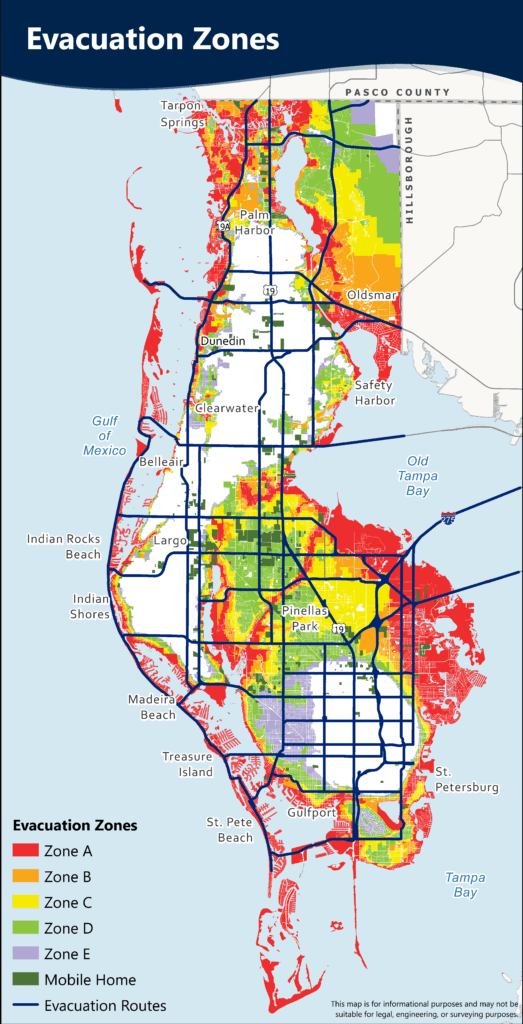
Florida employs a system of color-coded or letter-coded evacuation zones to communicate risk levels. While the exact designations can vary slightly by county, the general principles remain consistent. These zones typically range from Zone A (highest risk) to Zone D (lowest risk).
-
Zone A: These are the most vulnerable areas, typically low-lying coastal regions, barrier islands, and areas immediately adjacent to bays, sounds, and rivers. Residents and visitors in Zone A are usually the first to be advised to evacuate when a hurricane watch or warning is issued. The threat of significant storm surge is highest in these zones.
-
Zone B: This zone includes areas that are also at risk from storm surge, but generally slightly inland from Zone A. While the inundation may be less severe than in Zone A, significant flooding and wind damage are still a considerable concern.
-
Zone C: Areas in Zone C are further inland and at a lower risk of direct storm surge inundation compared to zones A and B. However, they can still experience substantial flooding from heavy rainfall and strong winds.
-
Zone D: These are the least vulnerable areas, generally located further inland and at higher elevations. While direct storm surge is unlikely, these zones can still be impacted by wind damage and inland flooding due to prolonged heavy rainfall.
It’s crucial to understand that even if you are not in a coastal area, you can still be at risk. Inland Florida communities can be susceptible to flash flooding from torrential rains and powerful winds that accompany hurricanes. Therefore, regardless of your location within the state, awareness of potential hazards is paramount. This applies to individuals planning family trips to places like Orlando, seeking resorts and attractions, as well as those considering budget travel or even looking for apartments for a long-term stay.
How to Determine Your Evacuation Zone
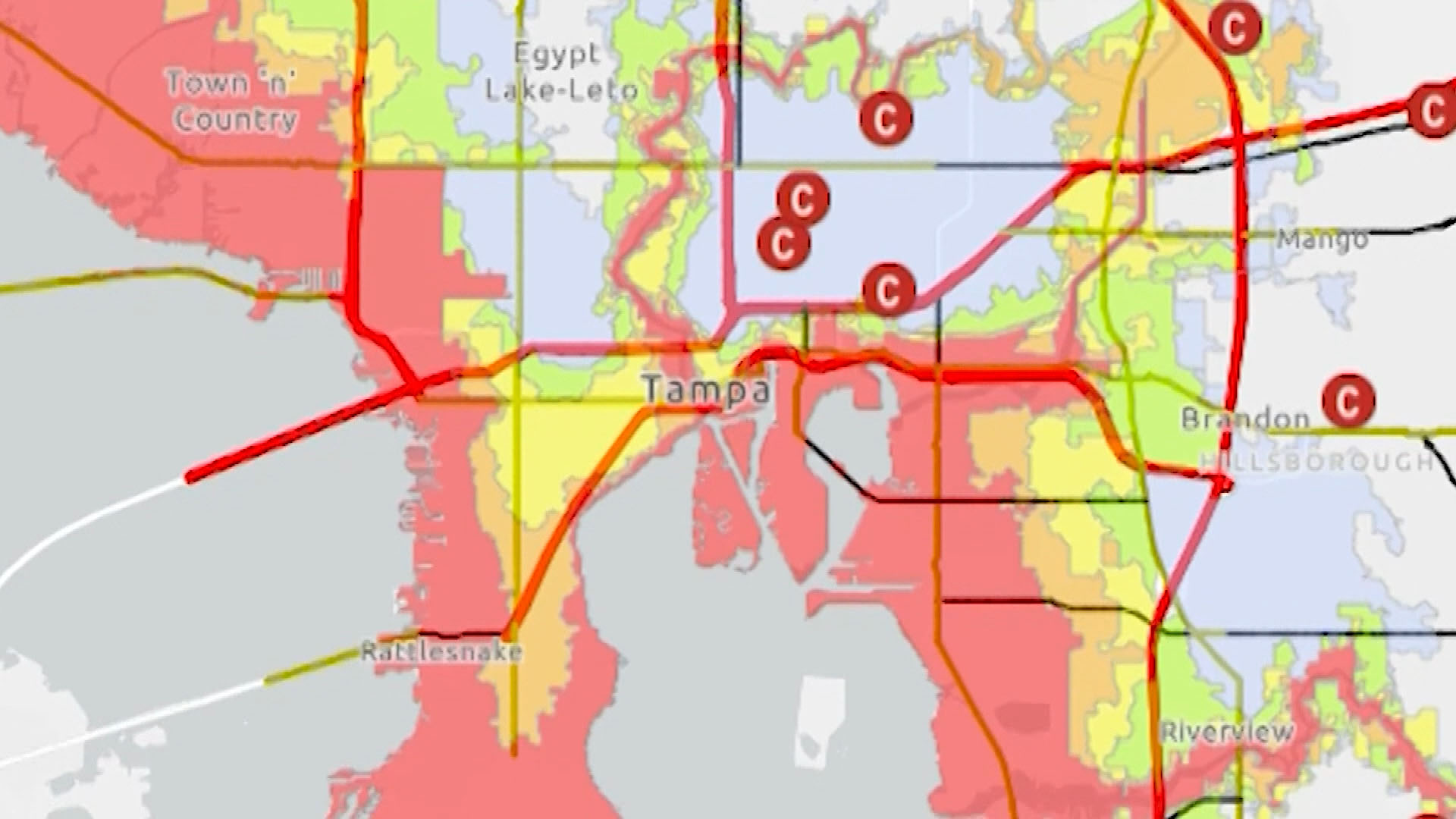
The most accurate and up-to-date information regarding Florida evacuation zones is provided by local county emergency management agencies. These agencies are responsible for assessing local risks and issuing evacuation orders. Fortunately, identifying your zone is a straightforward process, typically requiring just your address.
Utilizing Online Resources
The Florida Division of Emergency Management (FDEM) provides a centralized online tool that allows you to easily determine your evacuation zone. By entering your residential address, this system will cross-reference your location with the official evacuation zone maps established by your county. This is the most recommended method as it is designed to be user-friendly and provides direct, official information.
-
Visit the FDEM Website: Navigate to the official website of the Florida Division of Emergency Management. You can usually find this by searching for “Florida Emergency Management” or a similar phrase. Look for a section or link specifically dedicated to “Evacuation Zones” or “Hurricane Preparedness.”
-
Enter Your Address: The website will typically feature a search bar or an interactive map. Input your complete street address, including city and zip code, into the designated field.
-
View Your Zone: After submitting your address, the system will display your designated evacuation zone. This information may be presented as a letter (A, B, C, D) or a specific color code, often accompanied by a brief explanation of the associated risks for that zone.
Many counties also have their own dedicated websites or emergency management portals that offer similar address lookup tools. If you are a resident or own property in a specific county, checking their local emergency management website can also be beneficial, as they may provide additional localized information and resources. This is especially useful if you are considering purchasing villas or other accommodation in a particular area.
Other Methods of Identification
While online tools are the most efficient, there are other ways to ascertain your evacuation zone:
- Contact Your Local Emergency Management Agency: If you are unable to access the online tools or prefer direct assistance, you can call your county’s emergency management office. They will be able to provide you with your evacuation zone information.
-
Local Government Websites: Many city and county government websites include information on emergency preparedness and evacuation zones, often within their public safety or emergency management sections.
-
Printed Materials: In the past, local authorities distributed printed maps and guides. While less common now, some older materials might still be available or accessible through local libraries or government offices.
It is important to note that evacuation zones are not static. They can be reviewed and updated periodically by local authorities based on new data, infrastructure changes, or evolving risk assessments. Therefore, it is advisable to check your zone periodically, especially if you are planning travel to Florida or have recently moved.
Planning Your Evacuation Strategy
Knowing your evacuation zone is the first critical step. The next, equally important, step is to develop a comprehensive evacuation strategy. This plan should be in place well before a storm is on the horizon and should be practiced and communicated to all members of your household.
Pre-Storm Preparations
-
Assemble an Emergency Kit: Prepare a kit with essential supplies that can sustain you for at least 72 hours. This should include water, non-perishable food, a first-aid kit, medications, flashlights, batteries, a weather radio, sanitation supplies, and important documents.
-
Secure Your Home: If time and conditions permit, take steps to secure your home. This includes boarding up windows and doors, bringing in outdoor furniture, and trimming trees. For those with apartments or suites, understand your building’s preparedness plan.
-
Identify a Safe Destination: Determine where you will go if an evacuation order is issued. This could be a friend or family member’s home outside the affected area, a designated public shelter, or a hotel in a safe location. If you plan to stay in a hotel, booking in advance is highly recommended, especially for popular destinations like those near theme parks or renowned landmarks. Many hotels in Florida, from luxurious resorts to budget-friendly options, offer special rates for evacuees.
-
Plan Your Route: Identify primary and secondary evacuation routes from your home. Be aware of potential traffic congestion and consider alternative routes.
-
Stay Informed: Monitor local news, weather forecasts, and official emergency management advisories through radio, television, or reliable online sources.
During an Evacuation Order
When an evacuation order is issued for your zone, do not delay. Heed the advice of local authorities.
-
Leave Early: Evacuate as soon as possible. Waiting until the last minute can lead to dangerous conditions on the roads and may mean that evacuation routes become impassable.
-
Travel Safely: Drive cautiously and follow the designated evacuation routes. Avoid driving through flooded areas.
-
Check In: If you are staying with friends or family, let them know when you have arrived safely. If you are going to a public shelter, follow the guidelines provided by shelter officials.
-
Consider Pet Evacuation: If you have pets, make arrangements for their evacuation as well. Not all shelters accept pets, so having a pre-arranged plan for them is crucial.
Post-Storm Re-entry
Returning to your home after a storm should only be done when authorities declare it safe to do so.
-
Assess Damage: Upon returning, carefully assess any damage to your property. Be cautious of downed power lines, gas leaks, and structural instability.
-
Document Damage: Take photographs and videos of any damage for insurance purposes.
-
Dispose of Debris Safely: Follow local guidelines for the safe disposal of storm-related debris.
The Importance for Tourists and Residents
For tourists visiting Florida, understanding evacuation zones is equally important. If you are staying in a hotel or vacation rental, familiarize yourself with the hotel’s emergency procedures and the local county’s evacuation zones. Many hotels, such as those found in Miami or near Walt Disney World, have dedicated staff to assist guests during emergencies. For residents, this knowledge is a cornerstone of their lifestyle, ensuring the safety of their families and homes. Whether you are a seasonal resident, own a vacation home, or are planning a trip to experience the local culture and activities Florida has to offer, preparedness is key. Knowing your evacuation zone is not just about being informed; it’s about being proactive and safeguarding what matters most. This preparedness can transform a potentially devastating situation into a manageable one, allowing you to focus on recovery and eventually, on enjoying the beauty and attractions that Florida is famous for. From the vibrant nightlife of South Beach to the serene natural beauty of the Everglades, Florida has so much to offer, and being prepared ensures you can experience it safely.