
Navigating the vast and varied landscape of California, a state synonymous with innovation, entertainment, and breathtaking natural beauty, often prompts practical questions for visitors and residents alike. Among these is the seemingly simple, yet crucial, inquiry: “What is my time zone in California?”. Understanding California‘s time zone is not just about knowing whether to set your watch forward or back; it’s integral to planning your travel itinerary, booking accommodations, coordinating meetings, and fully immersing yourself in the local rhythm, whether you’re exploring the sun-drenched beaches of Southern California, the bustling tech hubs of the San Francisco Bay Area, or the majestic peaks of the Sierra Nevada.
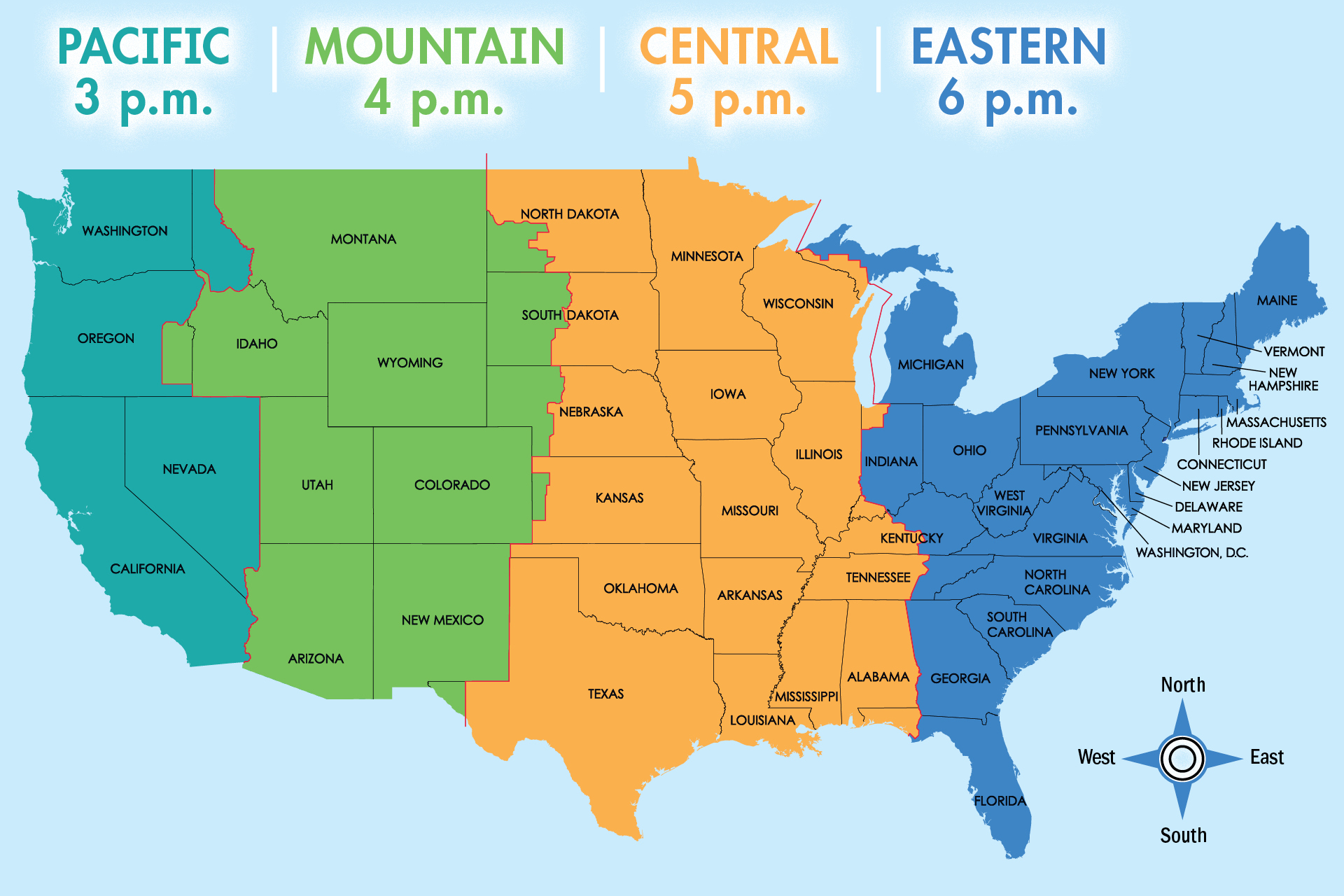
The Golden State, with its immense geographical spread from the Oregon border to the Mexico border, and from the Pacific coast inland towards Nevada and Arizona, operates under a singular time zone, but its implications touch upon various facets of travel and lifestyle. This article delves into the nuances of California‘s time zone, its impact on your travel experiences, and how to best utilize this knowledge for a seamless and enjoyable visit or stay.
Understanding California’s Time Zone: Pacific Standard Time
At its core, California observes Pacific Standard Time (PST), which is UTC-8 (Coordinated Universal Time minus 8 hours). However, this designation shifts during daylight saving months. From the second Sunday in March to the first Sunday in November, California observes Pacific Daylight Time (PDT), which is UTC-7. This transition is a common practice across much of North America and is crucial to be aware of when making plans.
The observance of Daylight Saving Time means that for roughly two-thirds of the year, California is one hour ahead of Pacific Standard Time. This change is synchronized with most of the United States and Canada, simplifying some aspects of inter-region planning. However, it’s always wise to double-check the current date against the Daylight Saving Time calendar to confirm whether PST or PDT is in effect.
For travelers arriving from international destinations, understanding the difference between PST and PDT relative to UTC is paramount. For instance, someone traveling from London, which observes Greenwich Mean Time (GMT) or British Summer Time (BST), will need to calculate the difference carefully. During PST, California is 8 hours behind GMT. During PDT, it’s 7 hours behind BST. This difference can significantly impact flight arrival times, jet lag, and the ability to connect with people in other time zones.
The Impact on Travel and Attractions
Knowing the current time zone in California is fundamental for any travel plan. It affects everything from booking flights and rental cars to scheduling tours and making dining reservations.
Planning Your Itinerary
When planning a trip to California, consider the time difference when booking flights. If you’re flying from the East Coast of the United States, for example, you’ll be crossing three time zones. A flight departing New York City in the morning might arrive in Los Angeles in the afternoon, local time. This can be disorienting and may impact your ability to enjoy your first day if you haven’t accounted for the time shift. Many travelers find it helpful to mentally adjust to the new time zone as soon as they board their flight to minimize the effects of jet lag.
When booking accommodation, such as a stay at the luxurious Ritz Carlton Hotel in Laguna Niguel or a charming boutique hotel in San Francisco, checking in and out times are always based on local California time. Similarly, if you’re planning to visit iconic landmarks like the Golden Gate Bridge or explore the vibrant theme parks in Anaheim, understanding California time will help you maximize your experience and avoid missing scheduled events or shows.
Navigating Local Activities and Experiences
California offers an incredible diversity of tourism experiences, from wine tasting in the Napa Valley to hiking in Yosemite National Park. Each of these activities is scheduled according to California time. For instance, vineyard tours in Napa typically start in the morning, and booking a reservation at a popular restaurant in San Francisco requires adhering to their service hours, all of which are locally timed.
If you’re keen on experiencing the local culture, whether it’s attending a festival in San Diego or catching a live performance in Hollywood, timing is key. Many events have specific start and end times, and being aware of California time ensures you don’t miss out on any of the attractions or unique experiences the state has to offer. For those interested in nature, sunrise hikes in Joshua Tree National Park or sunset views from Big Sur are best timed with local knowledge of daylight hours, which are directly influenced by the time zone.
Accommodation and Lifestyle Considerations
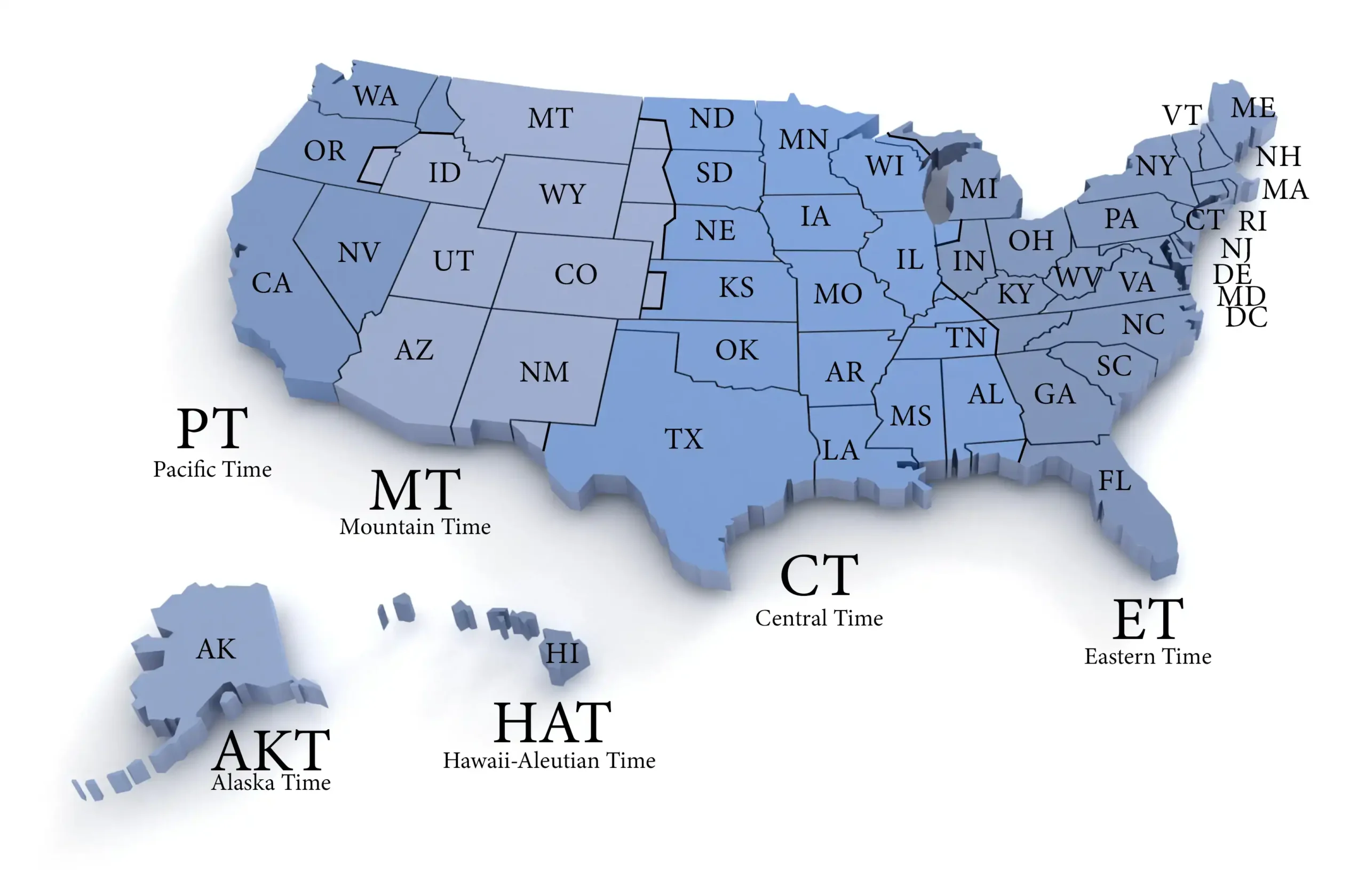
The accommodation and lifestyle aspects of your visit to California are also directly influenced by its time zone. Whether you are seeking a lavish resort in Beverly Hills, a family-friendly apartment in San Diego, or a long-term stay in a Silicon Valley tech hub, understanding local time is essential for smooth logistics.
Booking and Staying
When you book your accommodation, whether through platforms comparing various hotels, resorts, apartments, or villas, all booking confirmations and check-in/check-out times will be based on California time. This is particularly important for international travelers who might be accustomed to different booking practices or time zone conventions. For example, if you’re booking a suite at the Four Seasons Hotel Los Angeles at Beverly Hills, their reception hours and any services offered will operate on PST/PDT.
For those considering a long-term stay, whether for business or personal reasons, understanding the local time zone is crucial for establishing a routine. This includes syncing work schedules if collaborating with teams in other regions, managing personal appointments, and enjoying leisure activities at appropriate times.
Lifestyle Choices and Time Zones
California caters to a wide spectrum of lifestyles, from luxury travel to budget travel, and from family trips to demanding business stays. The time zone plays a subtle but significant role in how these lifestyles are experienced.
For luxury travelers, knowing the time zone helps in scheduling spa appointments, fine dining experiences, and exclusive tours. For instance, a reservation at The French Laundry in Yountville, a renowned culinary destination, must be made with California time in mind. Similarly, for budget travelers, understanding the time zone can help in planning visits to attractions to take advantage of opening hours or free events.
Family trips often involve early mornings and late evenings, and aligning these with California‘s daylight hours ensures the best experience for children. Parents planning visits to places like Disneyland or the San Diego Zoo will find that park opening and closing times are key to a successful family trip. For business stays, particularly in San Francisco or Los Angeles, coordinating meetings with international clients or colleagues necessitates a precise understanding of California‘s time zone relative to their own. This is where the distinction between PST and PDT can become particularly important for avoiding miscommunications and ensuring productive workdays.
Exploring California’s Landmarks and Nature
California is home to some of the world’s most iconic landmarks and awe-inspiring natural wonders. Whether you’re captivated by the historical architecture of San Francisco‘s Alcatraz Island or the natural grandeur of Death Valley National Park, understanding the local time zone is key to planning your exploration.
Famous Places and Historical Sites
When visiting historical landmarks such as the Hollywood Walk of Fame or the Griffith Observatory in Los Angeles, or exploring the architectural marvels of San Francisco, knowing the local time is crucial for tour schedules and opening hours. Many guided tours of places like Alcatraz Island have limited departures per day, and these are all set by California time. Planning your visit to these famous places with the time zone in mind will help you avoid disappointment and ensure you have ample time to soak in the history and beauty.
For architecture enthusiasts, the unique styles found in cities like Santa Barbara or the modern designs in Silicon Valley are best appreciated during daylight. The timing of your visits will directly impact the quality of your photos and your overall experience.

Nature and Outdoor Activities
California‘s diverse natural landscapes, from the redwood forests of Northern California to the deserts of the south, offer unparalleled opportunities for outdoor adventures. Planning hikes in Sequoia National Park, exploring the coastline along Highway 1, or witnessing the grandeur of Yosemite Falls all depend on local daylight hours.
Sunrise hikes or sunset viewing sessions are particularly time-sensitive. For instance, catching the sunrise over the Mojave Desert or the sunset from McWay Falls in Big Sur requires an accurate understanding of when dawn and dusk occur in that specific time zone. This knowledge also extends to wildlife viewing; many animals are most active during specific times of the day, which are dictated by the sun’s cycle, a direct consequence of the time zone.
Ultimately, whether you are planning a whirlwind tour of California’s highlights or a more in-depth exploration of its diverse regions, a firm grasp of its time zone—Pacific Standard Time and Pacific Daylight Time—is an indispensable tool for a well-organized, enjoyable, and memorable experience. It empowers you to connect with California on its own rhythm, ensuring that every moment, from arrival to departure, is perfectly timed.