
Navigating the vast and diverse landscape of Texas can be an exhilarating adventure, offering everything from bustling metropolises and historic landmarks to serene natural parks and vibrant cultural experiences. However, for many travelers, one seemingly simple question often arises: “What is my time zone in Texas?” While the Lone Star State is predominantly known for adhering to a single time zone, a critical exception in its westernmost reaches can significantly impact travel plans, business arrangements, and even the simple act of setting an alarm. Understanding Texas’s time zone geography is crucial for anyone planning a visit, making bookings, or simply trying to coordinate with locals, ensuring a seamless journey whether you’re embarking on a luxury escape, a family road trip, or a business stay.
This article delves into the specifics of Texas’s time zones, offering insights that are indispensable for travelers, tourism enthusiasts, and anyone seeking accommodation or exploring the state’s iconic landmarks. We’ll explore the implications for planning your itinerary, booking hotels, and making the most of your time in this remarkable state, all while keeping the broader themes of travel, hotels, tourism, accommodation, landmarks, and lifestyle at the forefront.
Understanding Texas’s Dual Time Zones
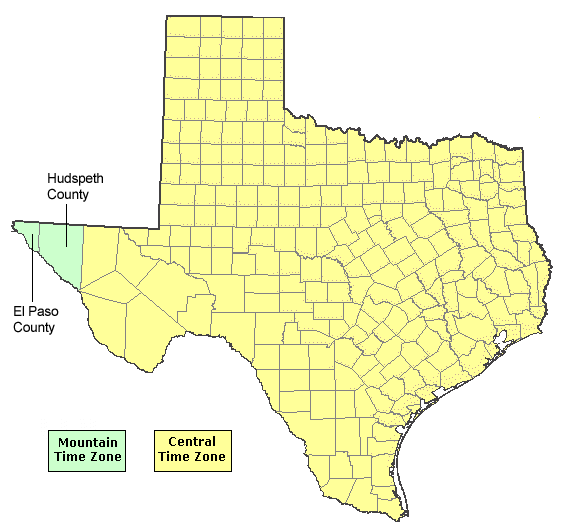
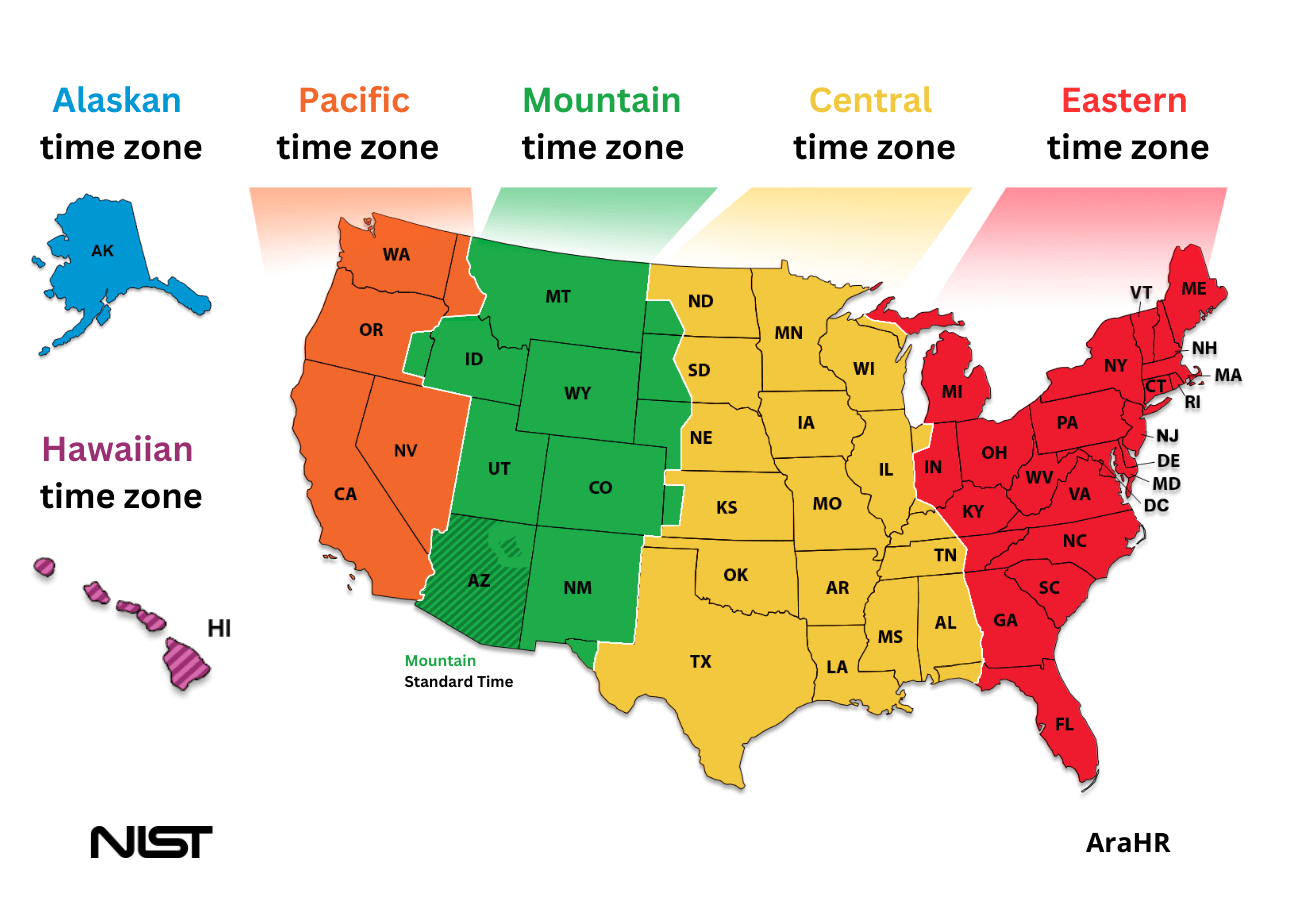
While geographically sprawling, the majority of Texas observes the Central Time Zone (CT). This encompasses its major population centers, economic hubs, and most of its beloved tourist destinations. However, a small but significant portion of the state, nestled in far West Texas, operates on Mountain Time Zone (MT). This distinction is vital, as a one-hour difference can easily lead to missed flights, late check-ins, or confusion regarding scheduled activities. Both time zones observe Daylight Saving Time (DST), meaning they spring forward and fall back in unison with the rest of the nation, maintaining the one-hour difference between them.
The Dominance of Central Time (CT)
The overwhelming majority of Texas’s landmass and population falls within the Central Time Zone. This includes the state’s “Big Four” cities: Houston, Dallas, Austin, and San Antonio. From the vibrant cultural scene of Austin to the historic charm of San Antonio’s Alamo, and from the space exploration wonders near Houston to the expansive arts districts of Dallas, all these experiences are governed by CT.
For travelers, this means that most itineraries planned for Texas will operate on Central Time Zone. Booking flights, making hotel reservations, scheduling tours, and planning dining experiences across these regions will uniformly adhere to CT. This consistency simplifies planning for those exploring the majority of the state, whether their focus is on luxury accommodations in urban centers, budget-friendly stays near attractions, or family-oriented resorts with a wealth of amenities. Understanding the flow of time within these areas is paramount for any traveler, ensuring smooth transitions between destinations and punctual arrival at various attractions.
Navigating Mountain Time (MT) in West Texas
The exception to Central Time Zone rule lies in the far western counties of El Paso and Hudspeth. El Paso County, home to the city of El Paso, and the western half of Hudspeth County, observe the Mountain Time Zone. This geographical anomaly places these parts of Texas in sync with neighboring states like New Mexico and Arizona (during certain parts of the year, as Arizona generally doesn’t observe DST).
For travelers heading to El Paso or passing through West Texas on a cross-country journey, this shift is critical. A drive from, say, San Antonio to El Paso will involve crossing a time zone boundary, meaning you’ll “gain” an hour upon arrival in El Paso when traveling west, and “lose” an hour when traveling east. This is particularly important for air travel, as flight schedules are often published in local time, which can lead to confusion if not accounted for. When booking accommodation in El Paso, whether it’s a luxury suite or a budget hotel, always confirm check-in and check-out times with local time in mind. For those exploring the vast natural beauty of Big Bend National Park or the rugged terrain of the Franklin Mountains State Park, remembering this time difference can be the key to enjoying planned activities without a hitch.
Practical Implications for Travelers and Tourists
The seemingly minor detail of time zones can have major repercussions for travelers. From ensuring you catch your flight to making sure you arrive at your pre-booked activity on time, understanding and planning around Texas’s time zones is an essential part of a stress-free travel experience. This applies whether you’re a seasoned business traveler on a tight schedule or a family on a leisurely vacation.
Seamless Travel Planning Across Time Zones
When planning a multi-city tour within Texas, especially one that includes El Paso, meticulous attention to detail is required. For instance, if you have a morning flight departing from Dallas (CT) and a connecting flight or an important meeting scheduled for the afternoon in El Paso (MT), remember that the clocks will effectively move back an hour when you arrive in El Paso. This can sometimes create the illusion of having more time, but it’s crucial to adjust your internal clock and all electronic devices accordingly.
For road trips through West Texas, crossing the time zone line in Hudspeth County means carefully calculating your estimated arrival times at your next destination. GPS systems and smartphone clocks usually adjust automatically, but it’s always wise to double-check. For those on a tight budget, missing a pre-paid tour or having to rebook accommodation due to a time mix-up can be costly. Conversely, for luxury travelers, losing precious hours to confusion can detract from the exclusivity of their experience. Always confirm schedules for attractions like NASA Johnson Space Center in Houston or historic sites in San Antonio based on their local time. This meticulous planning is a cornerstone of responsible tourism, allowing visitors to fully immerse themselves in local culture, savor local food, and participate in unique activities.

Accommodation Considerations and Time Management
Hotels and other forms of accommodation, from sprawling resorts to cozy apartments and long-term stay villas, operate strictly on local time. When booking a hotel in El Paso, for instance, all check-in, check-out, and amenity schedules (like breakfast hours, spa appointments, or pool access) will be based on Mountain Time Zone. If you’re arriving from a Central Time Zone city like Dallas, your 3 PM check-in might feel like 4 PM to your body clock. It’s essential to factor this adjustment into your arrival plans, especially if you have a busy itinerary immediately after checking in.
Many hotels are adept at assisting guests with time zone transitions, but ultimately, the responsibility falls on the traveler to be aware. When browsing hotel reviews or comparing different accommodation options, consider how their location relative to time zone boundaries might affect your stay. For example, a resort offering sunrise yoga might start an hour earlier by your internal clock if you’ve just crossed into Mountain Time Zone from Central Time Zone. This also applies to services like airport shuttles, restaurant reservations, and pre-booked excursions. Clear communication with your accommodation provider can prevent any time-related misunderstandings and ensure your stay is as comfortable and stress-free as possible, whether you’re seeking a luxury travel experience or a budget-friendly family trip.
Texas Landmarks, Culture, and Lifestyle Through a Time Lens
The rhythm of life in Texas is as varied as its landscapes, and time zones subtly influence how residents and visitors experience its rich culture, famous landmarks, and diverse lifestyles. From historical sites that open at specific hours to outdoor adventures timed with daylight, understanding the local clock is integral to fully engaging with what Texas has to offer.
Experiencing Texas Attractions on Schedule
Texas boasts an array of world-renowned landmarks and attractions. The Alamo in San Antonio, the Sixth Floor Museum in Dallas, and the NASA Johnson Space Center in Houston all operate on Central Time Zone. Visitors planning their days around these sites must ensure their schedules align with CT. Booking tickets in advance is often recommended, and confirming the operating hours in local time is a good habit.
However, for those venturing to Big Bend National Park or exploring the vibrant El Paso mission trail, you’ll be operating on Mountain Time Zone. Hiking start times, ranger-led tours, and even restaurant closing hours will all be one hour earlier than what you might be accustomed to in Central Texas. This difference can subtly impact how you plan your day, especially for outdoor activities where daylight hours are a crucial factor. Imagine planning a sunset hike in Big Bend only to realize you’re an hour off, potentially missing the magical moment or being caught out after dark. For both the casual tourist and the avid explorer, checking the local time for all planned activities, especially at landmarks, is a small effort that yields significant rewards in terms of enjoyment and safety.
The Rhythms of Texas Living: Time Zones and Daily Life
The dual time zones also play a role in the broader lifestyle and cultural fabric of Texas. Business travelers, for example, must be acutely aware of the time difference when scheduling virtual meetings or phone calls across the state. A 9 AM meeting in Houston would mean an 8 AM start for colleagues in El Paso, requiring careful coordination. This extends to industries like hospitality, where seamless booking and customer service rely on accurate timekeeping.
For families planning their vacations, understanding the time zones can impact everything from children’s sleep schedules to meal times. A shift of an hour, while seemingly minor, can disrupt routines, especially for younger travelers. Local culture and events, such as festivals, concerts, and sports games, are all scheduled according to their local time. When visiting El Paso for a cultural festival, be mindful that the timings will be on Mountain Time Zone, which might feel like an earlier start compared to Dallas or Austin. This attention to detail allows visitors to fully immerse themselves in the authentic Texan experience, enjoying local cuisine, participating in community activities, and appreciating the diverse regional identities within the state. From luxury travel experiences that demand precision to budget travel where every minute counts, being time-aware enriches the entire journey.
Tips for Staying on Schedule in Texas
Successfully navigating Texas’s time zones requires a few simple yet effective strategies. These tips will help ensure your travel plans, accommodation bookings, and tourism experiences proceed without a hitch.
- Always Verify Local Time: Before booking any flights, hotels, or attractions, explicitly confirm the local time zone of your destination within Texas. Don’t assume. Check the county or city’s official time zone status.
- Utilize Smart Devices: Most smartphones, tablets, and smartwatches automatically update to the local time zone when you cross a boundary. Trust these devices, but always have a backup (like a traditional watch) or cross-reference with a reliable online time zone converter if you feel uncertain.
- Confirm All Reservations: When making reservations for hotels, tours, flights, or dining, reiterate the local time with the booking agent or confirmation details. This is especially critical when communicating with businesses located in a different time zone than your current one.
- Communicate Clearly: If you’re coordinating with friends, family, or business contacts across Texas’s time zones, always specify the time zone along with the time (e.g., “Let’s meet at 2 PM CT” or “The event starts at 7 PM MT”).
- Factor in Transition Time: If you’re driving across the time zone boundary in West Texas, remember that your arrival time at your destination will be an hour earlier (going west) or an hour later (going east) than if you stayed in the same time zone. Adjust your schedule accordingly, especially for long drives or when planning rest stops and meal breaks.
- Consider Jet Lag (for extensive travel): While only a one-hour shift, for sensitive individuals or those combining this with longer flights into Texas from further afield, even a minor time change can subtly affect your body clock. Give yourself grace and build in some buffer time.
By keeping these simple tips in mind, you can effectively manage the time zone differences in Texas and ensure that your focus remains on enjoying the incredible destinations, diverse culture, and unforgettable experiences the Lone Star State has to offer.
In conclusion, while the question “What is my time zone in Texas?” seems straightforward, the answer reveals a nuanced geography that can significantly impact a traveler’s journey. With the vast majority of the state observing Central Time Zone and a critical exception in El Paso and Hudspeth County on Mountain Time Zone, awareness is key. By understanding these distinctions, diligently planning itineraries, and double-checking all schedules, visitors can confidently explore Texas’s iconic landmarks, indulge in local culture, secure ideal accommodation, and create lasting memories without the unwelcome surprise of a time zone mix-up. Whether your trip is for business or leisure, luxury or budget, a little preparation regarding the clock will ensure your Texas adventure unfolds smoothly and on schedule.
LifeOutOfTheBox is a participant in the Amazon Services LLC Associates Program, an affiliate advertising program designed to provide a means for sites to earn advertising fees by advertising and linking to Amazon.com. Amazon, the Amazon logo, AmazonSupply, and the AmazonSupply logo are trademarks of Amazon.com, Inc. or its affiliates. As an Amazon Associate we earn affiliate commissions from qualifying purchases.