
New York City, a global hub of culture, finance, and tourism, is a dream destination for millions. Its iconic skyline, world-class museums, vibrant culinary scene, and endless entertainment options draw visitors from every corner of the globe. However, beneath the dazzling lights and bustling streets lies a complex economic ecosystem, profoundly shaped by factors such as the cost of living and, crucially, the minimum wage. For both residents who call this metropolis home and the countless travelers planning their next New York City adventure, understanding the city’s minimum wage is more than just a matter of policy — it’s key to grasping the intricate dynamics of its economy, the well-being of its workforce, and the overall cost of experiencing one of the world’s most expensive, yet rewarding, destinations.
From a traveler’s perspective, the minimum wage might seem like a local labor issue, far removed from their vacation planning. Yet, its impact permeates nearly every aspect of the travel experience. The cost of a hotel room, the price of a meal at a local restaurant, the fares for various services, and even the general atmosphere of the city are all, to some extent, influenced by the labor costs businesses incur. For those interested in local culture and the socio-economic fabric of their chosen destination, delving into the minimum wage offers a unique lens through which to understand the daily lives of the city’s workers – many of whom are integral to the tourism and hospitality sectors. Whether you’re on a luxury travel spree or meticulously planning a budget travel itinerary, comprehending New York City’s minimum wage provides invaluable context, helping you to appreciate the value of goods and services, budget more effectively, and perhaps even understand the tipping culture with greater insight. This article aims to demystify New York City’s minimum wage, exploring its current status, historical context, and far-reaching implications for both the city’s residents and the millions of tourists who flock to its shores each year.
The Current Landscape of New York City’s Minimum Wage
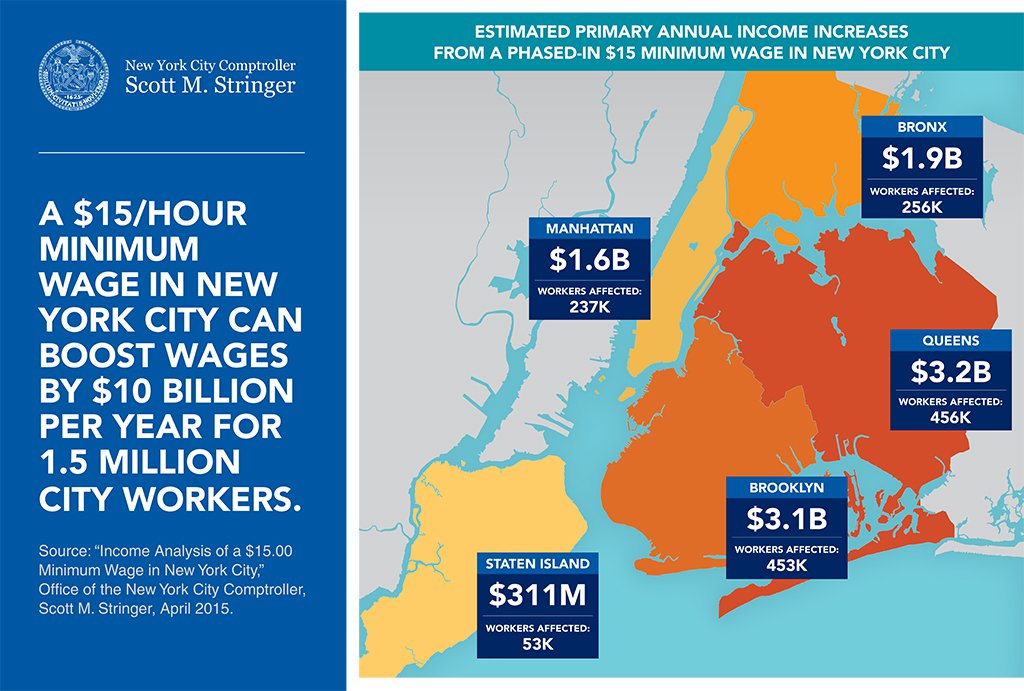
The minimum wage in New York City is a dynamic figure, subject to periodic adjustments aimed at keeping pace with the rising cost of living in one of the world’s most expensive urban centers. Unlike some states where the minimum wage applies uniformly across all regions, New York State has adopted a tiered system, recognizing the significant economic disparities between its various geographical areas. This means that the minimum wage in New York City (specifically for the boroughs of Manhattan, Brooklyn, Queens, The Bronx, and Staten Island) is higher than in many other parts of New York State. This differentiation underscores the unique economic pressures and higher cost of living that define the metropolis.
Understanding the Specifics for New York City
As of December 31, 2023, the minimum wage for all employers in New York City increased to $16.00 per hour. This rate applies broadly across all industries and for all employees, regardless of the size of the employer. It’s a significant figure, placing New York City among the cities with the highest minimum wages in the United States. This rate is a universal standard, meaning that whether you’re working at a small boutique hotel in Greenwich Village or a sprawling luxury resort near Central Park, the hourly wage floor is the same.
It’s important to note that while the general minimum wage is $16.00, specific regulations exist for tipped employees. Historically, service industries like restaurants and hotels have often paid a lower base wage, with the expectation that tips would bring an employee’s total compensation up to or above the standard minimum. However, in New York City, the full minimum wage applies to most service workers, regardless of tips, though there are nuanced rules for certain professions, particularly for those earning a substantial amount in tips, allowing for a “tip credit” that reduces the employer’s cash wage obligation slightly below the full minimum, provided the employee’s total compensation (cash wage plus tips) meets or exceeds the minimum wage. Still, the trend in New York City has been towards ensuring a strong base wage for all workers, reflecting a policy stance aimed at greater economic equity.
A Brief History of Wage Increases
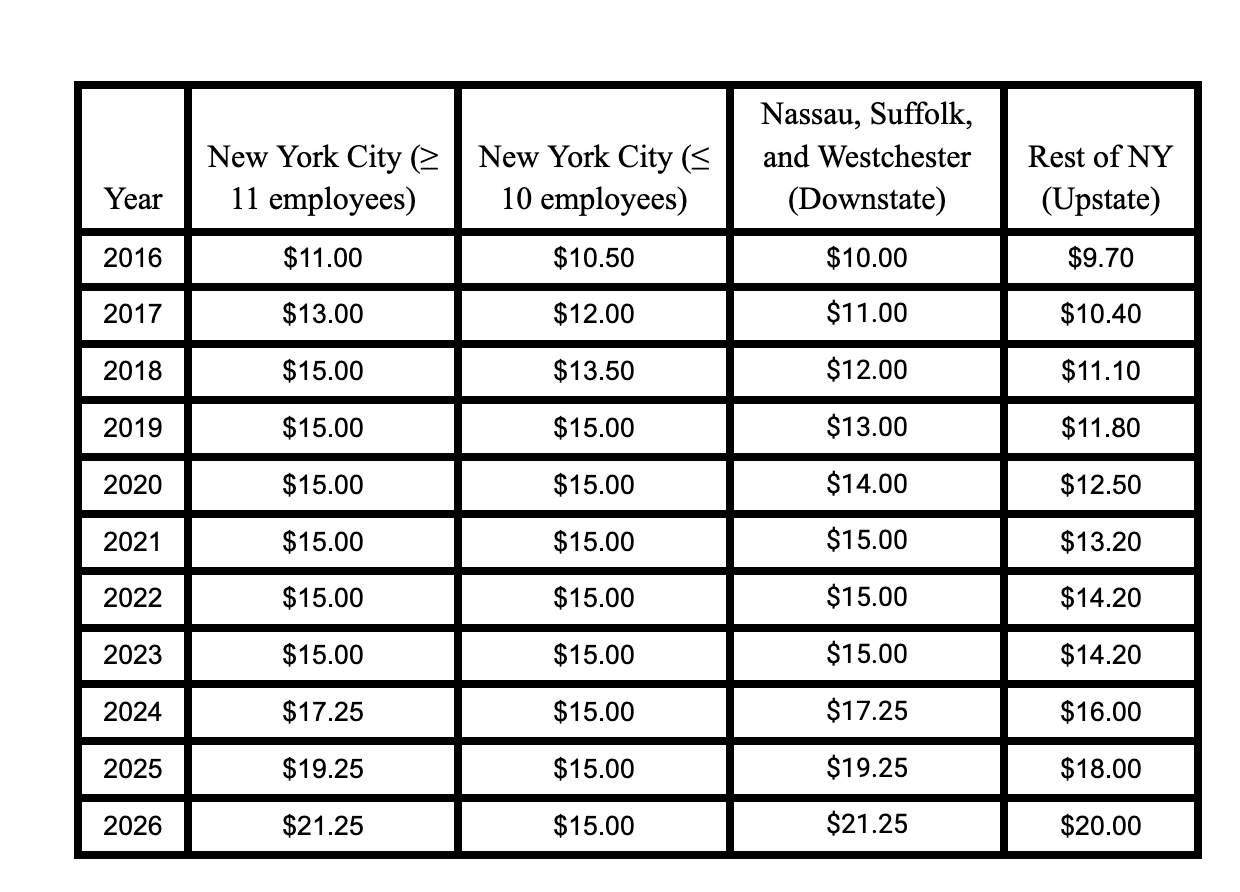
The journey to the current $16.00 minimum wage has been incremental and reflects ongoing efforts by policymakers to address wage stagnation and the escalating cost of living. For many years, New York State’s minimum wage hovered at a lower rate, leading to significant advocacy for increases. The “Fight for $15” movement, a nationwide campaign, gained considerable traction in New York City, playing a crucial role in pushing for substantial raises.
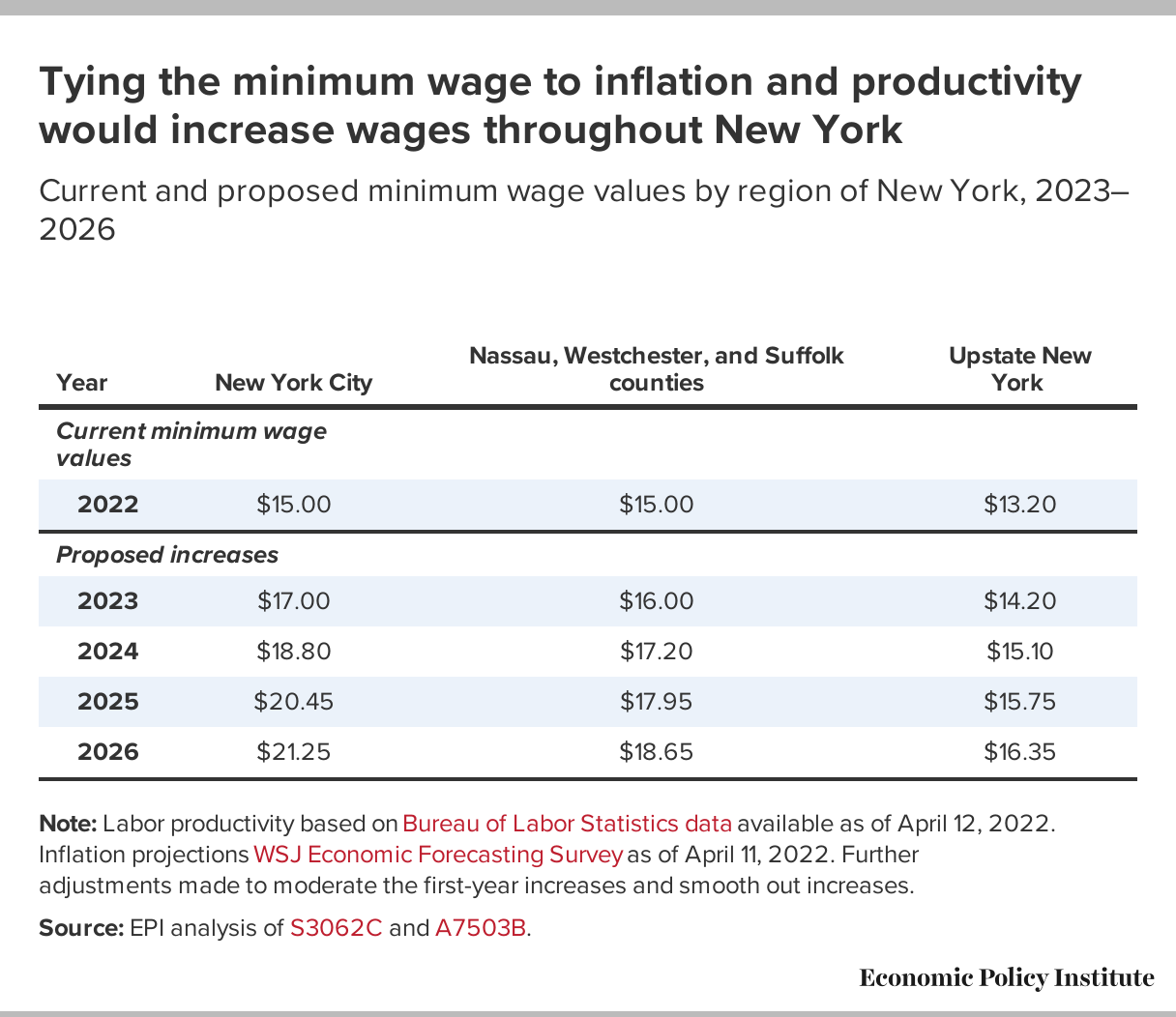
In 2016, New York State enacted legislation to gradually raise the minimum wage to $15.00 per hour across different regions, with New York City (and certain other high-cost areas like Long Island and Westchester County) reaching this threshold first. This phased approach allowed businesses time to adapt while progressively improving workers’ livelihoods. The December 31, 2023, increase to $16.00 marks the latest step in this evolution, with further annual adjustments tied to inflation expected in the coming years. These historical increases are not just numbers; they represent a fundamental shift in how the city values its workforce, particularly those in essential service roles that underpin its bustling economy.
The Ripple Effect: How Minimum Wage Shapes the NYC Experience
The minimum wage is far more than an hourly rate; it’s a foundational element that sends ripples through New York City’s intricate economy, directly influencing everything from the vitality of its local businesses to the daily experiences of its residents and the perceptions of its visitors. For a city that thrives on tourism and services, understanding these ripple effects is crucial for anyone seeking to engage deeply with the Big Apple.
Impact on the Hospitality and Service Sectors
The hospitality and service sectors are the lifeblood of New York City’s tourism industry, encompassing hotels, restaurants, retail stores, entertainment venues, and tour operators. These sectors are also among the largest employers of minimum wage earners. A higher minimum wage directly translates to increased labor costs for businesses operating within these industries. For a luxury hotel, this might mean a slight adjustment to room rates or operational budgets. For a small, independent restaurant or boutique shop, these increased costs can be more significant, potentially leading to adjustments in pricing, staffing levels, or menu offerings.
While higher wages present challenges for some businesses, they also bring substantial benefits. Employees earning a living wage are more likely to experience improved morale, reduced turnover, and increased productivity. This can translate into better service for customers – a particularly salient point for tourists seeking memorable experiences. A well-compensated concierge, an attentive waiter, or a knowledgeable retail assistant can significantly enhance a visitor’s stay. Moreover, increased purchasing power among a larger segment of the population can stimulate local demand, contributing to a more robust and equitable local economy, which, in turn, supports the diverse businesses that make New York City so appealing.
Navigating Costs: What Travelers Need to Know
For travelers, the minimum wage indirectly influences the overall cost of a trip to New York City. Being aware of these cost factors can help in budgeting and making informed choices.
- Accommodation: New York City is notorious for its high accommodation prices, and labor costs play a role. Hotels, from budget-friendly hostels to five-star resorts, employ numerous staff members – housekeeping, front desk, maintenance, food and beverage, security – all of whom earn at least the minimum wage. Higher wages for these employees contribute to the operational overhead, which is then reflected in room rates. Travelers might find that a hotel room in Manhattan is significantly more expensive than a comparable room in a city with a lower minimum wage. Savvy travelers might consider staying in outer boroughs like Brooklyn or Queens for more affordable options, or exploring alternatives like serviced apartments or long-term stay hotels for extended visits.
- Dining and Food: Eating out is a quintessential New York City experience, from grabbing a slice of pizza to fine dining near Times Square. Restaurant prices naturally factor in the cost of labor for chefs, cooks, servers, and bussers. A higher minimum wage means that the price of your meal will include a portion to cover these increased payroll expenses. This is why a simple lunch can feel pricey compared to other cities. However, New York City also offers an incredible array of budget-friendly food options, from food trucks and street vendors to ethnic eateries, allowing travelers to manage their food budget effectively.
- Attractions and Activities: While many of New York City’s most famous landmarks, like the Statue of Liberty or the Empire State Building, have fixed entry fees, the operational costs for staff (ticket sellers, security, guides) are influenced by the minimum wage. This indirectly contributes to the pricing of tours, museum admissions, and other paid activities. However, the city also boasts numerous free attractions, such as wandering through Central Park, walking the Brooklyn Bridge, or exploring vibrant neighborhoods.
- Tipping Culture: Understanding tipping in New York City is crucial. While the minimum wage for many service employees is robust, a strong tipping culture persists, especially in full-service restaurants, bars, and for services like taxi rides or hotel bellhops. Standard tips usually range from 15% to 20% (or even more for exceptional service), and it’s customary to tip for services where an employee has gone above and beyond. Even with a higher minimum wage, tips remain a significant part of many service workers’ income, reinforcing the expectation to tip generously for good service.
Budgeting for Your Big Apple Adventure: Practical Tips
Visiting New York City is an investment, but it doesn’t have to break the bank. Understanding how the minimum wage influences costs can empower travelers to make smart decisions and enjoy the city without overspending. Lifestyle choices, from luxury travel to budget-friendly experiences, are all possible with careful planning.
Smart Choices for Accommodation
Accommodation is often the largest single expense for travelers to New York City. High labor costs for hotel staff contribute to the premium pricing, especially in popular areas.
- Consider Location Beyond Manhattan: While staying in Manhattan puts you at the heart of the action, exploring hotels in Brooklyn, Queens, or Jersey City (just across the river) can yield significantly lower rates. These areas often have excellent public transport connections, allowing easy access to Manhattan’s attractions.
- Explore Different Accommodation Types: Beyond traditional hotels, consider hostels (many offer private rooms), guesthouses, or short-term apartment rentals (check local regulations). For longer stays, serviced apartments can provide better value with amenities like kitchens.
- Book in Advance and Be Flexible: Prices fluctuate based on demand. Booking several months ahead, especially during peak seasons like holidays or summer, can secure better rates. Traveling during off-peak times (January-March, excluding holidays) can also lead to substantial savings.
- Look for Deals and Packages: Many hotels offer seasonal promotions or packages that include amenities or discounts on attractions. Utilize travel websites and comparison tools to find the best deals.
Savvy Eating and Entertainment Strategies
New York City is a culinary paradise, but dining out frequently can quickly deplete your budget due to labor and ingredient costs.
- Embrace Street Food and Markets: New York City is famous for its diverse street food. From hot dog carts to ethnic food trucks, you can find delicious and affordable meals. Exploring food markets like Chelsea Market or vendors in Smorgasburg (seasonal) offers a taste of local culture without the restaurant price tag.
- Utilize Happy Hour and Lunch Specials: Many restaurants offer discounted drinks and appetizers during happy hour, or special lunch menus that are more affordable than dinner.
- Cook Your Own Meals: If your accommodation includes a kitchen or kitchenette, buying groceries from local supermarkets and preparing some of your meals can save a considerable amount, especially for breakfast and snacks.
- Free and Low-Cost Attractions: New York City offers countless free experiences. Walk across the Brooklyn Bridge, stroll through Central Park, visit many art galleries (some have free admission days/evenings), or explore vibrant neighborhoods like Chinatown or Little Italy. Taking the Staten Island Ferry provides stunning views of the Statue of Liberty and the Manhattan skyline for free.
- Discount Passes: Consider purchasing a New York CityPass or similar attraction pass if you plan to visit multiple major landmarks like the Empire State Building or museums. These passes often offer significant savings compared to individual ticket purchases.
Transportation and General Expenses
Efficient and affordable transportation is key to navigating New York City.
- Master the MTA: The MTA subway and bus system is the most cost-effective way to get around. Purchase a MetroCard and load it with enough value for your stay, or use contactless payment directly with your credit/debit card or smartphone for convenience. Avoid taxis and ride-sharing services for routine travel, as they add up quickly.
- Walking is Free and Rewarding: Many of New York City’s neighborhoods are best explored on foot. This not only saves money but also allows you to soak in the atmosphere and discover hidden gems.
- Budget for Incidentals: Always set aside a portion of your budget for unexpected costs, souvenirs, or spontaneous treats.
Beyond the Numbers: The Societal and Economic Context
The discussion around New York City’s minimum wage extends far beyond mere economic figures. It touches upon fundamental societal values, the pursuit of economic justice, and the sustainability of a diverse urban environment. The city’s decision to maintain one of the highest minimum wages in the nation is a reflection of ongoing debates and policy choices aimed at shaping its future.
The Debate Around Minimum Wage
The implementation and increase of the minimum wage in New York City have always been subjects of robust debate. Proponents argue that a higher minimum wage is essential in a city with such an exorbitant cost of living. They highlight its role in reducing poverty, stimulating the local economy (as low-wage workers tend to spend their increased earnings), and fostering greater income equality. For individuals working in hotels, tourism services, and retail, a higher minimum wage means a better chance at affording rent, food, and basic necessities, contributing to a more stable and less stressed workforce. This, in turn, can lead to a healthier community and a more positive image for the city, attracting a wider range of talent and residents.
Conversely, critics often raise concerns about the potential negative impacts on businesses, particularly small enterprises. They argue that increased labor costs can lead to reduced hiring, cuts in employee hours, or even business closures, especially for those operating on thin margins. There are also debates about whether higher wages translate into higher consumer prices, potentially impacting tourism by making the city even more expensive for visitors. While these concerns are valid and carefully considered by policymakers, New York City’s trajectory suggests a continued commitment to strengthening its minimum wage, balancing business viability with worker welfare.
A Dynamic Economic Landscape
New York City’s economy is incredibly dynamic and resilient. The minimum wage is just one piece of a much larger economic puzzle that includes global financial markets, innovative tech industries, a thriving arts scene, and an ever-evolving tourism sector. The city’s ability to absorb wage increases while maintaining its status as a global powerhouse speaks to its adaptability.
The ongoing adjustments to the minimum wage reflect a continuous effort to ensure that New York City remains a place where people from all walks of life can build a career and a life, not just those in high-paying sectors. For travelers, this dynamic landscape means experiencing a city whose vibrancy is sustained by a diverse workforce, contributing to the unique character and resilience that define the Big Apple. As the city evolves, so too will its economic policies, always aiming to strike a balance between prosperity and equity.
In conclusion, understanding New York City’s minimum wage provides invaluable insight into the city’s economic heartbeat. It illuminates the challenges and triumphs of its workforce, particularly those in the essential tourism and service industries, and subtly shapes the financial landscape for every visitor. Whether you’re planning a lavish escape or a meticulously budgeted adventure, being aware of these underlying economic factors enriches your travel experience, allowing you to appreciate the true cost of convenience, the value of service, and the relentless spirit of one of the world’s most captivating cities.
LifeOutOfTheBox is a participant in the Amazon Services LLC Associates Program, an affiliate advertising program designed to provide a means for sites to earn advertising fees by advertising and linking to Amazon.com. Amazon, the Amazon logo, AmazonSupply, and the AmazonSupply logo are trademarks of Amazon.com, Inc. or its affiliates. As an Amazon Associate we earn affiliate commissions from qualifying purchases.