
What is New York City’s population? This seemingly straightforward question unlocks a profound understanding of one of the world’s most vibrant and influential metropolises. Beyond a mere number, the population of New York City is the very heartbeat of its unparalleled energy, the catalyst for its diverse culture, and a crucial factor shaping everything from its towering landmarks and bustling attractions to the intricate web of its accommodation options and distinct lifestyle. As the most populous city in the United States, the Big Apple serves as a global hub for finance, fashion, art, and technology, attracting millions of visitors and drawing residents from every corner of the globe. Understanding its demographic landscape is essential not only for urban planners and policymakers but also for travelers seeking authentic local experiences, entrepreneurs looking to tap into a diverse market, and anyone fascinated by the dynamics of a truly global city.
The sheer density and incredible diversity of New York City’s population are fundamental to its character. This article delves into the numbers, exploring historical growth, the intricate tapestry of its demographics, and, most importantly, how these population dynamics profoundly influence travel, tourism, hotels, and the unique way of life that defines this iconic destination. From the sprawling boroughs to the bustling streets of Manhattan, every aspect of New York City is inextricably linked to the millions who call it home and the millions more who visit annually, making its population a central theme in its ongoing story.

Decoding the Numbers: New York City’s Current Population and Historical Growth
At the core of understanding New York City lies its population figure. This number is not static; it’s a living, breathing metric that reflects decades of growth, migration, and the constant evolution of urban life. The city’s official population count is primarily derived from the United States Census Bureau, which conducts a comprehensive census every ten years, supplemented by annual estimates. These figures offer vital insights into the city’s infrastructure needs, economic trends, and social services.
The Latest Figures and Metropolitan Reach
As of recent estimates, the population of New York City proper, encompassing its five boroughs—Manhattan, Brooklyn, Queens, the Bronx, and Staten Island—hovers around 8.3 to 8.5 million residents. This makes it not only the largest city in the United States but also one of the largest urban agglomerations globally. However, this number only tells part of the story. The true economic and cultural reach of New York City extends far beyond its municipal borders into what is known as the New York-Newark-Jersey City Metropolitan Statistical Area (MSA). This broader region, which includes parts of New Jersey, Connecticut, and Pennsylvania, boasts a population exceeding 20 million, making it one of the most populous metropolitan areas in the world. This massive metropolitan footprint means that millions more commute into New York City daily for work, leisure, and tourism, contributing to its relentless dynamism and energy. The sheer scale of this population density impacts everything from the number of available hotel suites to the efficiency of public transportation and the general flow of daily life.
A Century of Growth: Key Milestones
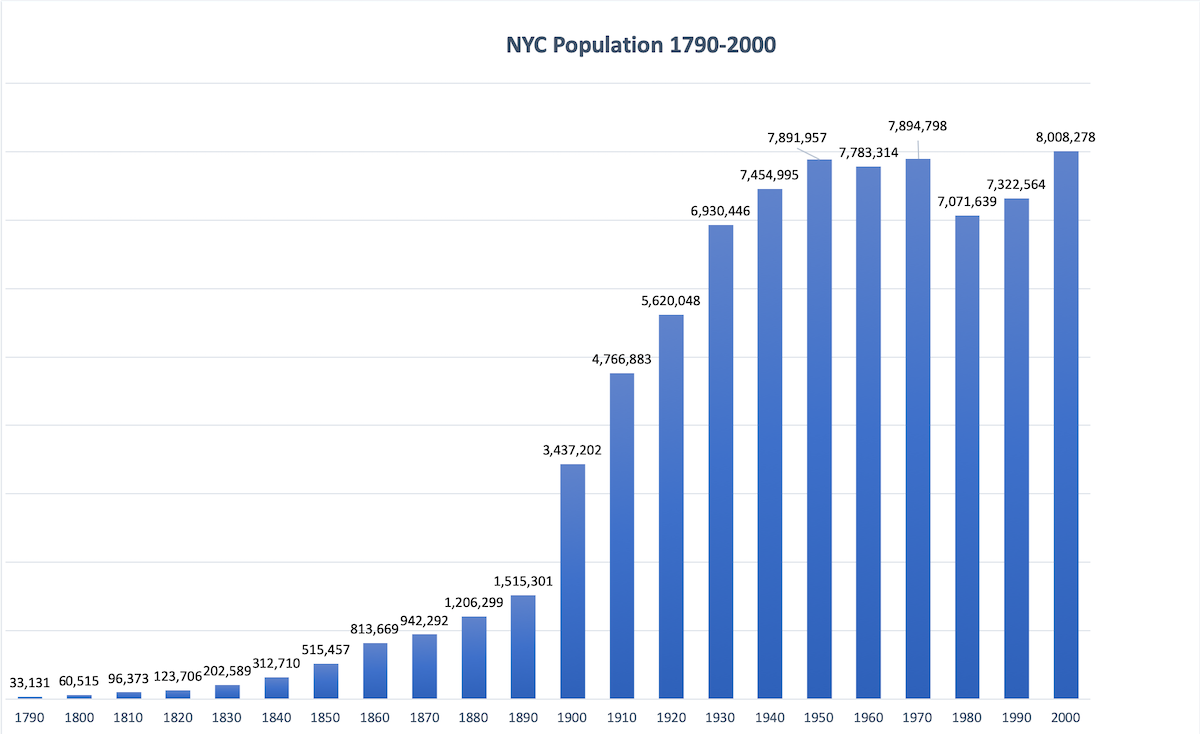
The population history of New York City is a compelling narrative of continuous growth, shaped by successive waves of immigration and significant historical events. In the early 20th century, particularly between 1900 and 1930, the city experienced an explosive boom, driven by European immigrants arriving through Ellis Island, seeking new opportunities and contributing to its burgeoning industries. By the 1930s, the population surpassed 7 million, establishing its dominance as a global metropolis.
Post-World War II, the city saw suburbanization trends, but its core remained robust. The latter half of the 20th century witnessed further diversification, with significant immigration from Latin America, the Caribbean, and Asia, revitalizing many neighborhoods and cementing New York City’s status as a true melting pot. While there have been periods of slight decline, especially in the 1970s due to economic shifts, the 21st century has seen a renewed population surge. Factors such as economic opportunity, cultural vibrancy, and global connectivity continue to attract millions, demonstrating the city’s enduring appeal. This continuous influx of residents has directly fueled the expansion of its urban landscape, the development of new accommodation options, and the constant reimagining of its famous landmarks.
The Tapestry of Diversity: Demographics Shaping New York City’s Character
More than just a numerical count, the composition of New York City’s population is what truly defines its unique character. It is a mosaic of cultures, languages, and backgrounds, making it one of the most ethnically diverse cities on Earth. This unparalleled diversity is not merely a statistical fact; it is the very essence of the New York City experience, influencing everything from its food scene to its local culture and the myriad activities available to residents and visitors alike.
A Global Melting Pot
New York City proudly lives up to its reputation as a global melting pot. Residents hail from virtually every country in the world, speaking over 800 languages—a testament to its incredible multiculturalism. Neighborhoods like Chinatown, Little Italy, Harlem, and numerous others across Brooklyn and Queens are vibrant enclaves where distinct cultural identities thrive. This diversity enriches the city’s social fabric, creating an environment where different traditions, cuisines, and perspectives coexist and often blend. For travelers, this means an endless array of authentic cultural experiences without leaving the city limits. You can explore a bustling market that feels like Asia in one borough, enjoy an authentic Caribbean festival in another, and immerse yourself in European art and history in Manhattan. This confluence of cultures directly fuels the city’s vibrant tourism industry, offering visitors a microcosm of the world to explore.
Age, Income, and Urban Dynamics
Beyond ethnic diversity, New York City’s population is also diverse in terms of age, income levels, and socio-economic backgrounds. The city attracts a significant number of young professionals and recent graduates, drawn by career opportunities in various sectors, contributing to a vibrant, often fast-paced, urban environment. At the same time, it is home to established families, artists, and retirees, creating a multi-generational landscape. This mix contributes to a wide spectrum of lifestyles, from the opulent luxury travel experiences often associated with Manhattan to the more budget travel options found in other boroughs.
Income disparities are also a prominent aspect of New York City’s demographics, reflecting its role as a global financial center alongside areas with ongoing socio-economic challenges. This creates a fascinating dynamic where high-end resorts and exclusive suites coexist with affordable apartments and community-driven initiatives. The urban dynamics of New York City are constantly shaped by these demographic layers, influencing everything from the availability of different types of accommodation to the growth of specialized local businesses catering to specific communities.
Population’s Profound Impact on Travel and Tourism in the Big Apple
The colossal and diverse population of New York City is arguably the single most influential factor shaping its travel and tourism landscape. The millions of residents, coupled with the tens of millions of annual visitors, create an unparalleled demand for services, infrastructure, and experiences. This symbiotic relationship ensures that New York City remains a dynamic and ever-evolving destination.
Accommodation and Hotel Demands
With its dense population and status as a top global destination, New York City faces immense pressure to provide diverse accommodation options. The resident population itself drives demand for long-term stays, including apartments and villas, particularly given the city’s high cost of living. For tourists, this translates into a highly competitive and varied hotel market. From ultra-luxurious five-star hotels like the Grand Hyatt Hotel and boutique resorts in Manhattan to more budget-friendly options in Brooklyn or Queens, the sheer volume of people necessitates a vast array of choices.
The constant flow of people impacts booking trends, pushing prices higher during peak seasons and making early reservations crucial. Reviews and comparison sites become indispensable tools for travelers navigating this complex market. The presence of such a large population also supports the thriving short-term rental market, offering alternatives for family trips or those seeking a more local experience. Understanding the ebb and flow of this population is key to optimizing any accommodation strategy, whether for a quick business stay or an extended vacation.
Attractions, Landmarks, and the Visitor Experience
The dense population directly influences the visitor experience at New York City’s iconic attractions and landmarks. Places like Times Square, Central Park, the Statue of Liberty, and the Empire State Building are magnets for both tourists and locals. This high footfall necessitates robust crowd management strategies, efficient ticketing systems, and comprehensive travel guides to help visitors navigate the bustling environment.
The population’s demand for green spaces and recreational areas ensures that places like Central Park remain meticulously maintained and vibrant hubs of activity, hosting everything from concerts to marathons. Similarly, the diverse residents contribute to the rich cultural programming at institutions like the Metropolitan Museum of Art or the vibrant performances on Broadway. The interaction between the local population and the tourist influx creates a unique energy; residents provide authenticity, while visitors contribute to the economic vitality that supports these cultural activities and famous places.
Culinary Delights and Cultural Immersion
Perhaps nowhere is the impact of New York City’s diverse population more evident than in its legendary food scene. Every immigrant wave has brought with it new culinary traditions, transforming the city into a gastronomic paradise. From authentic regional dishes in its ethnic enclaves to Michelin-starred restaurants pushing the boundaries of global cuisine, the sheer variety is staggering. The city’s population supports an incredible array of eateries, allowing visitors to embark on a culinary journey around the world without ever leaving the five boroughs.
Beyond food, the population fosters a deep sense of local culture. Neighborhoods each have their distinct vibe, traditions, and community events. Exploring these areas offers visitors genuine cultural immersion and unique experiences that go beyond typical tourist itineraries. Whether it’s catching a jazz show in Harlem, exploring the independent boutiques of Greenwich Village, or experiencing the vibrant festivals of Queens, the city’s residents are the custodians of its rich cultural tapestry, offering endless opportunities for discovery and engagement.

Lifestyle in a Populous Metropolis: Challenges and Opportunities
Living in a city with such a vast and dense population, as New York City is, presents both unique challenges and unparalleled opportunities. The daily lifestyle of a New Yorker is heavily influenced by the sheer number of people sharing the same space, demanding innovative solutions for everything from transportation to housing.
Navigating the Urban Jungle: Transportation and Infrastructure
Moving millions of people daily is an extraordinary feat of urban planning and engineering. New York City’s extensive public transportation network, primarily its subway system, is the lifeblood of the city, carrying millions of residents and tourists efficiently across its boroughs. While congestion is an inevitable reality in a city of this size, the extensive subway lines, bus routes, and commuter rails connect nearly every part of the metropolitan area, making it possible for individuals to live further afield and commute to their workplaces in Manhattan or other business hubs like Wall Street and Rockefeller Center.
This complex infrastructure also impacts visitors. Efficient travel tips often emphasize utilizing public transit to avoid traffic and parking woes. The constant demand from the population drives ongoing investment in infrastructure projects, from bridge maintenance to subway line extensions, ensuring the city can continue to function as a global powerhouse. Iconic structures like Grand Central Terminal and the World Trade Center complex stand as testaments to the city’s architectural prowess and its need to accommodate an ever-growing populace.
The Cost of Living and Housing Landscape
One of the most significant challenges stemming from New York City’s population density is the exceptionally high cost of living, particularly housing. The demand for accommodation far outstrips supply, driving rental and property prices to some of the highest levels globally. This reality shapes the lifestyle choices of residents, with many opting for smaller living spaces, shared apartments, or longer commutes from more affordable areas in the outer boroughs or neighboring states.
For those considering a long-term stay, navigating the housing market requires careful planning and a realistic budget. However, this challenge also presents opportunities. The density fosters innovation in housing solutions, from micro-apartments to co-living spaces, and encourages the development of vibrant communities that offer a sense of belonging amidst the urban sprawl. The unique mix of income levels means that while some residents enjoy luxury amenities in high-rise buildings overlooking the Hudson River or the East River, others find resourceful ways to thrive in more modest surroundings, embodying the true resilience of the New York City spirit.
From Luxury to Budget: Diverse Lifestyles
Despite the challenges, New York City’s vast population creates a market for an incredibly diverse range of lifestyles and experiences. Whether one seeks the epitome of luxury travel with high-end shopping, exclusive dining, and opulent hotel suites, or prefers a budget travel adventure exploring street art, diverse food trucks, and free cultural events, the city caters to all. Family trips can be meticulously planned to include child-friendly attractions and parks, while business stays benefit from world-class conference facilities and convenient hotel amenities.
This broad spectrum of services and opportunities is a direct result of the sheer size and diversity of its population. The presence of so many people from different backgrounds ensures a constant demand for a wide array of goods, services, and cultural offerings, making New York City a dynamic marketplace for every taste and budget. It is this unique demographic energy that allows the city to perpetually reinvent itself, maintaining its allure as a destination where every individual can find their niche and experience the urban dream.
In conclusion, New York City’s population is far more than a statistic; it is the very soul of the city. From shaping its skyline and driving its economy to defining its unparalleled diversity and influencing every facet of travel and lifestyle, the millions of people who live, work, and visit the Big Apple are the engine of its enduring charisma. Understanding these dynamic demographics provides invaluable insight into the past, present, and future of one of the world’s truly great cities, a place where the human spirit in all its forms converges to create an urban experience unlike any other on Earth.
LifeOutOfTheBox is a participant in the Amazon Services LLC Associates Program, an affiliate advertising program designed to provide a means for sites to earn advertising fees by advertising and linking to Amazon.com. Amazon, the Amazon logo, AmazonSupply, and the AmazonSupply logo are trademarks of Amazon.com, Inc. or its affiliates. As an Amazon Associate we earn affiliate commissions from qualifying purchases.