
New York City, a metropolis synonymous with towering ambition and iconic skylines, has long been a global beacon for architectural marvels. From the art deco spires of the 1930s to the sleek, modern glass towers of today, the city’s vertical ascent mirrors its relentless drive and spirit of innovation. For travelers and architecture enthusiasts alike, the question of which building reigns supreme over this urban jungle is more than just a matter of height; it’s a journey into history, resilience, and breathtaking views.
As you plan your next adventure to this vibrant destination, understanding the architectural landscape is key to unlocking unique travel experiences. Whether you’re seeking luxury travel accommodations with panoramic city vistas, exploring historic landmarks, or simply immersing yourself in the local culture, the city’s tallest structures offer an unparalleled perspective on one of the world’s most dynamic urban environments.
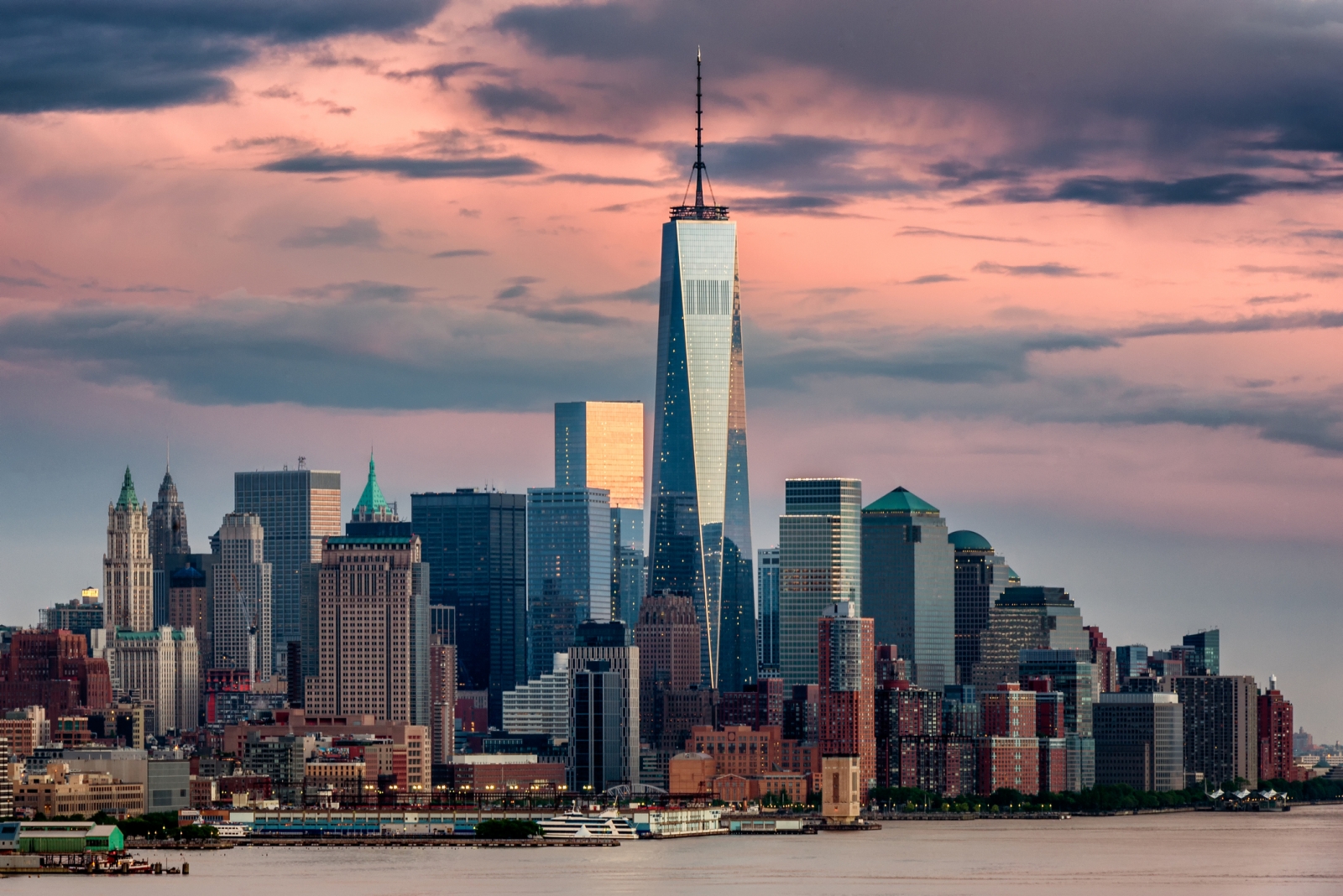
Currently, the undisputed monarch of the New York City skyline, piercing the clouds at an impressive 1,776 feet (541 meters) to its spire, is One World Trade Center. Located in Lower Manhattan, this architectural masterpiece stands as a powerful symbol of resilience and a testament to the city’s enduring spirit. More than just a skyscraper, it is a landmark that embodies hope, remembrance, and the future of New York City.
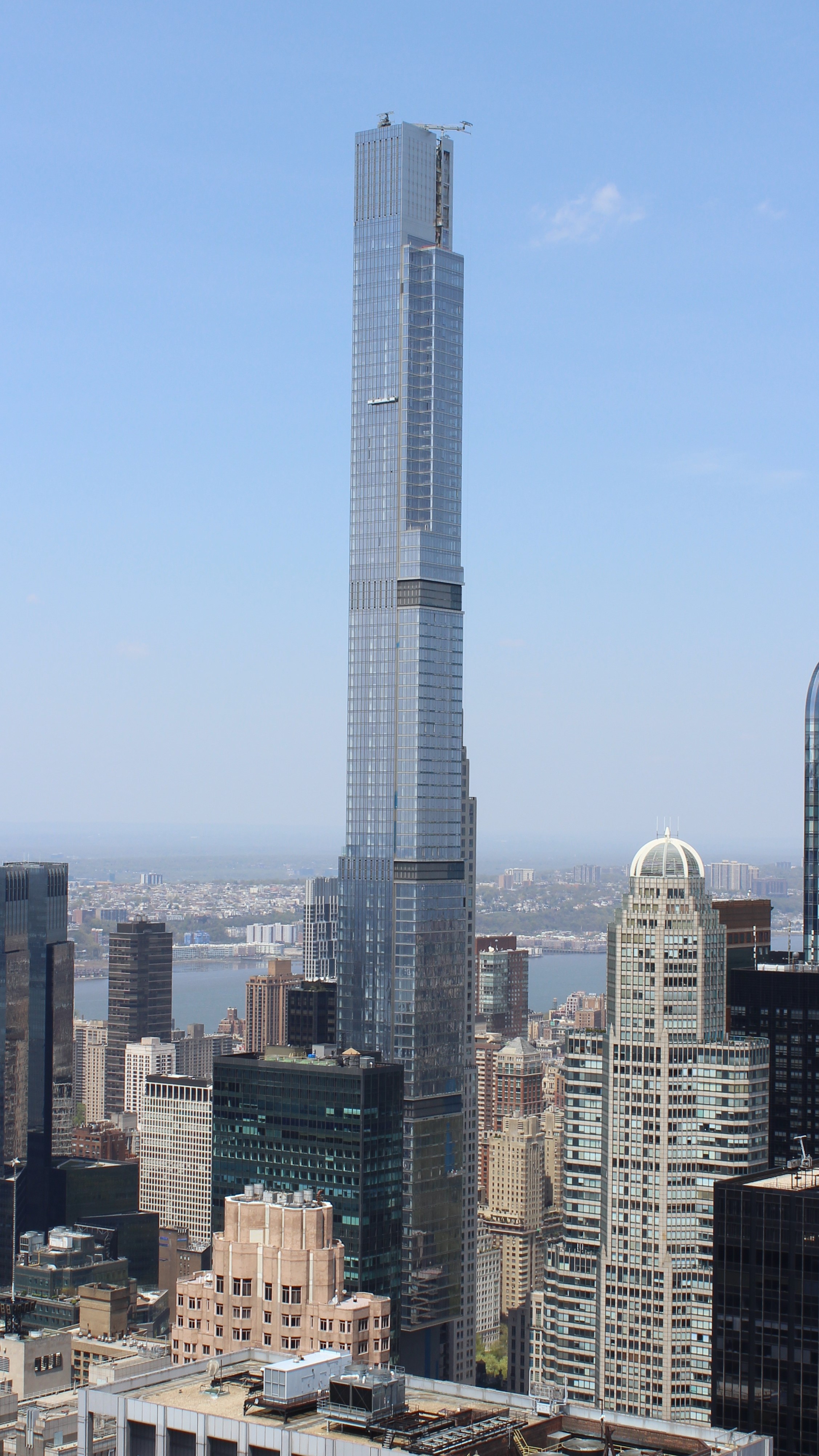
The Reigning Monarch of the Skyline: One World Trade Center
At 1,776 feet, One World Trade Center holds the prestigious title of the tallest building in New York City, the United States, and the entire Western Hemisphere. Its height is a deliberate nod to the year of the signing of the Declaration of Independence, a symbolic gesture reinforcing its status as a monument to American ideals. This colossal structure isn’t just about its impressive stature; it’s a profound narrative woven into the fabric of the city’s history and future.
Constructed on the site of the original World Trade Center complex, One World Trade Center, often referred to colloquially as the “Freedom Tower,” was designed by architect David Childs of Skidmore, Owings & Merrill. Its design seamlessly blends state-of-the-art engineering with powerful symbolism, creating a structure that is both functional and deeply meaningful. For visitors, a trip to One World Trade Center is more than just seeing a tall building; it’s an immersive experience that touches upon various aspects of travel, tourism, and cultural understanding.
A Symbol of Resilience and Renewal
The profound significance of One World Trade Center extends far beyond its physical dimensions. It rose from the ashes of tragedy, serving as a beacon of hope and an embodiment of New York City’s unwavering resolve to rebuild and thrive. The entire World Trade Center Complex today, including the memorial, museum, transportation hub, and other towers, forms a powerful tribute to those lost and a celebration of life and human spirit.
For travelers, visiting this site is an essential part of understanding modern New York City. The experience encourages reflection and provides a unique insight into the city’s enduring strength. It’s a journey that transcends typical sightseeing, offering a deep cultural and emotional connection to the destination. Whether you approach it as a landmark to admire, a historical site to learn from, or simply as a place to witness human resilience, One World Trade Center leaves an indelible mark.
Architectural Marvels and Design Philosophy
The architecture of One World Trade Center is a marvel of contemporary design and engineering. Its innovative structure features a strong, unitary base that seamlessly transitions into eight isosceles triangular sections, culminating in a spire that evokes the upward trajectory of progress. The building’s tapering form not only creates a visually stunning silhouette but also serves a structural purpose, contributing to its stability against the elements.
From a design perspective, the building incorporates advanced sustainable features, aiming for LEED Gold certification. Its robust safety measures are among the most stringent in the world, reflecting lessons learned and a commitment to future security. The reflective glass facade mirrors the ever-changing sky and the surrounding city, creating a dynamic visual experience that shifts with the light and seasons. For architecture enthusiasts and those interested in modern urban development, studying One World Trade Center offers a fascinating glimpse into the future of skyscraper design. Its blend of aesthetic appeal, structural integrity, and symbolic weight makes it a landmark in its own right, pushing the boundaries of what a modern urban structure can represent.

Ascending to the Sky: One World Observatory Experience
No visit to New York City’s tallest building is complete without experiencing the breathtaking views from One World Observatory. Located on floors 100, 101, and 102 of One World Trade Center, this observatory offers a panoramic perspective that is unlike any other in the city. It’s not just an observation deck; it’s a fully immersive experience designed to engage and inspire visitors from around the globe.
Upon arrival, guests are treated to an exhilarating journey upwards in the SkyPod elevators, which ascend 102 floors in just 47 seconds. During this rapid ascent, floor-to-ceiling LED screens display a virtual time-lapse evolution of New York City’s skyline from the 1500s to the present day, providing a captivating introduction to the city’s architectural history. This quick, engaging presentation sets the stage for the grandeur that awaits at the top.
Beyond the Views: Interactive Exhibits and Dining
Once at the summit, the main observation deck on the 100th floor unfolds a spectacular 360-degree vista of New York City. From this vantage point, you can gaze upon iconic landmarks such as the Empire State Building, the Statue of Liberty, the Brooklyn Bridge, and the sprawling expanse of the city’s five boroughs. On a clear day, views can extend for up to 50 miles, allowing visitors to see far beyond the immediate urban landscape.
But One World Observatory offers more than just stunning views. It features several interactive exhibits designed to enhance the visitor experience. The “See Forever Theater” presents a two-minute video montage capturing the rhythm and spirit of New York City, immersing guests in its vibrant culture. The “City Pulse” provides a fascinating interactive display, allowing visitors to delve deeper into the city’s neighborhoods and attractions through motion-sensor technology. These interactive elements make the visit particularly engaging for families and those seeking a deeper understanding of the city they’re observing.
For those looking to elevate their experience, dining options are available on the 101st floor. From casual cafes offering light refreshments to a fine dining restaurant, there are choices to suit different preferences and budgets. Enjoying a meal or a cocktail with the Manhattan skyline as your backdrop is a truly memorable lifestyle experience, perfect for luxury travel connoisseurs or anyone celebrating a special occasion.
Planning Your Visit: Tips for a Memorable Trip
To make the most of your visit to One World Observatory, consider these practical tips:
- Book in Advance: Tickets, especially for peak times, tend to sell out quickly. Booking online significantly reduces wait times and guarantees your preferred entry slot.
- Best Time to Visit: For breathtaking photography and atmospheric views, consider visiting during sunset. Witnessing the city transition from daylight to the sparkling glow of nighttime is an unforgettable sight. Early mornings also offer clearer views and fewer crowds.
- Combine with Other Attractions: One World Observatory is ideally located in Lower Manhattan, making it easy to combine with visits to the 9/11 Memorial & Museum, the Oculus, and other nearby cultural gems.
- Dress Comfortably: You’ll be doing a fair amount of standing and possibly walking around the observation deck, so comfortable footwear is advisable.
- Security: Be prepared for airport-style security checks, which are in place to ensure the safety of all visitors. Leave large bags at your accommodation if possible to expedite the process.
By planning ahead, you can ensure a seamless and enriching experience that perfectly encapsulates the grandeur of New York City from its highest point.
The Legacy of Giants: New York City’s Architectural History
While One World Trade Center stands as the current record holder, New York City’s history is punctuated by an impressive lineage of buildings that once claimed the title of the world’s or city’s tallest. The drive for verticality has always been a defining characteristic of Manhattan, a reflection of limited land and boundless ambition. Exploring this architectural evolution offers a fascinating glimpse into the city’s past and its continuous quest to reach for the sky.
From the Empire State Building to the Chrysler Building
Before the arrival of the original World Trade Center towers, the battle for the city’s tallest structure was a fierce competition during the early 20th century. The two most iconic contenders from this era, and still beloved landmarks today, are the Empire State Building and the Chrysler Building.
The Empire State Building, completed in 1931, quickly became a global icon and held the title of the world’s tallest building for nearly 40 years. Its distinctive Art Deco design, with its soaring spire and intricate detailing, continues to captivate visitors. Ascending to its observation decks is a classic New York City experience, offering different perspectives than those from Lower Manhattan. For history buffs and classic movie fans, a visit here is a must, blending tourism with a journey back in time.
The Chrysler Building, completed in 1930, briefly held the title of the world’s tallest building before being surpassed by the Empire State Building. Its stunning Art Deco crown, adorned with gleaming stainless steel eagles and geometric patterns, remains one of the most recognizable and beloved features of the New York City skyline. While it doesn’t offer a public observation deck, its exterior architecture is a testament to the glamour and ambition of its era.
Other significant structures that shaped the skyline include the original North Tower of the World Trade Center, which briefly claimed the world’s tallest title in 1972 before being eclipsed by the Sears Tower in Chicago a year later. These buildings represent not just engineering feats but also pivotal moments in the city’s social and economic development. Understanding their history enriches any travel guide or exploration of New York City.
The Future of the Skyline: Upcoming Developments
The story of New York City’s tallest buildings is a never-ending saga. The city’s appetite for vertical expansion continues, driven by demand for luxury residences, commercial space, and a desire to redefine urban living. While One World Trade Center currently reigns supreme, newer supertalls are constantly being planned and constructed, primarily in Midtown Manhattan and along “Billionaires’ Row.”
These new developments often push the boundaries of design and engineering, incorporating innovative features and luxurious amenities catering to a high-end lifestyle. While none are currently slated to surpass One World Trade Center in height to its spire, they continue to reshape the skyline, adding new iconic silhouettes and offering fresh perspectives for residents and visitors alike. Travelers interested in modern architecture will find endless opportunities to witness this ongoing transformation, whether through guided tours focusing on new buildings or simply by observing the ever-changing vistas from various points around the city. The dynamic nature of New York City’s architecture ensures that there will always be something new and exciting to discover.
Experiencing Lower Manhattan: Beyond the Tower
While One World Trade Center is a monumental attraction, the entire district of Lower Manhattan offers a wealth of experiences for every type of traveler. This historic area, where New York City began, is a vibrant tapestry of culture, finance, history, and culinary delights. Integrating a visit to the tallest building with the surrounding attractions makes for a comprehensive and fulfilling travel experience, whether you’re on a budget trip or a luxury escape.
Nearby Attractions and Cultural Gems
Lower Manhattan is densely packed with sites that enrich any itinerary:
- 9/11 Memorial & Museum: Located adjacent to One World Trade Center, this powerful memorial and museum offers a poignant and educational experience, honoring the victims of the 2001 and 1993 attacks. It’s an essential visit for understanding the context of the new World Trade Center Complex.
- The Oculus: This stunning transportation hub and shopping center, designed by Santiago Calatrava, is an architectural marvel in itself. Its bird-like structure and pristine white interior make it a popular spot for photography and provides access to the subway and Path Train.
- Wall Street and the Financial District: Explore the historic heart of global finance, see the iconic Charging Bull statue, and marvel at the grand architecture of buildings like the New York Stock Exchange.
- Historic Churches: Visit the solemn St. Paul’s Chapel, which served as a relief center after 9/11, and the historic Trinity Church with its famous graveyard.
- Ferry to the Statue of Liberty and Ellis Island: From Battery Park, a short walk from One World Trade Center, you can catch a ferry to these quintessential American landmarks. Consider a ferry to Governors Island for seasonal activities and stunning skyline views.
- Brooklyn Bridge: Walk across this historic suspension bridge for incredible views of Manhattan, the East River, and Brooklyn. It’s a rewarding activity for those seeking active tourism and photography opportunities.
Where to Stay: Hotels with a View
For travelers, choosing accommodation in Lower Manhattan offers unparalleled convenience to these attractions, along with access to some of the city’s finest hotels. Many provide stunning views of the Hudson River, New York Harbor, and, of course, One World Trade Center itself.
- Luxury Stays: The Four Seasons Hotel New York Downtown offers exquisite comfort and top-tier service, often with direct views of the tallest tower. Similarly, the Conrad New York Downtown provides spacious, all-suite accommodations and fantastic views of the Hudson River and the nearby financial district, ideal for both business and luxury travel.
- Boutique and Mid-Range: Numerous boutique hotels offer charm and character within historic buildings, providing a unique lodging experience. Options like The Wall Street Inn provide comfortable stays in a historic setting, perfect for those on a budget travel adventure looking for value without sacrificing location.
- Apartment-style Accommodation: For longer stays or family trips, serviced apartments or extended-stay hotels in the area provide more space and amenities, catering to a lifestyle that values home comforts while exploring the city.
Culinary Delights and Local Experiences
Lower Manhattan has evolved into a vibrant culinary destination. From historic taverns to Michelin-starred restaurants, there’s something to satisfy every palate.
- Stone Street: A pedestrian-only cobblestone street, it’s famous for its historic buildings and an array of lively restaurants and bars with outdoor seating, perfect for a casual meal or evening drinks.
- Upscale Dining: The area boasts numerous high-end restaurants catering to business travelers and luxury tourists, offering exquisite cuisine and often impressive wine lists.
- Local Eateries: Explore the side streets for charming cafes, delis, and diverse ethnic restaurants, providing authentic local culture and flavors for those seeking a more immersive food experience.
Whether you’re marveling at the sheer scale of One World Trade Center, tracing the footsteps of history on Wall Street, or simply enjoying a meal with a view, Lower Manhattan promises a rich and memorable part of your New York City adventure. It’s a district that perfectly encapsulates the blend of old and new, making it an indispensable destination for any itinerary.
In conclusion, One World Trade Center proudly stands as New York City’s tallest building, a modern marvel of engineering and a powerful symbol. Its presence not only anchors the revitalized World Trade Center Complex but also offers an unparalleled vantage point from One World Observatory for travelers to grasp the sheer scale and beauty of the metropolis. From its symbolic height of 1,776 feet to its architectural elegance, the tower invites visitors to look up, reflect, and appreciate the enduring spirit of one of the world’s most incredible cities. By integrating a visit to this landmark with the surrounding historical sites, vibrant dining, and diverse accommodation options of Lower Manhattan, any trip to New York City becomes an unforgettable journey into its heart and soul.
LifeOutOfTheBox is a participant in the Amazon Services LLC Associates Program, an affiliate advertising program designed to provide a means for sites to earn advertising fees by advertising and linking to Amazon.com. Amazon, the Amazon logo, AmazonSupply, and the AmazonSupply logo are trademarks of Amazon.com, Inc. or its affiliates. As an Amazon Associate we earn affiliate commissions from qualifying purchases.