
The question of “What Is New York State Minimum Wage?” is a fundamental one for anyone working or planning to work in the Empire State. Beyond the immediate financial implications, understanding minimum wage is crucial for grasping the broader economic landscape, particularly within the vibrant tourism and hospitality sectors that define much of New York’s allure. From the bustling streets of New York City to the serene beauty of the Adirondack Mountains, countless businesses rely on a diverse workforce, and minimum wage laws are a cornerstone of ensuring fair compensation.
This article delves into the intricacies of New York State’s minimum wage, exploring its current rates, the factors influencing its changes, and its significant impact on various aspects of life and business within the state, particularly as it relates to travel, accommodation, and tourism.
Understanding the Nuances of New York State Minimum Wage
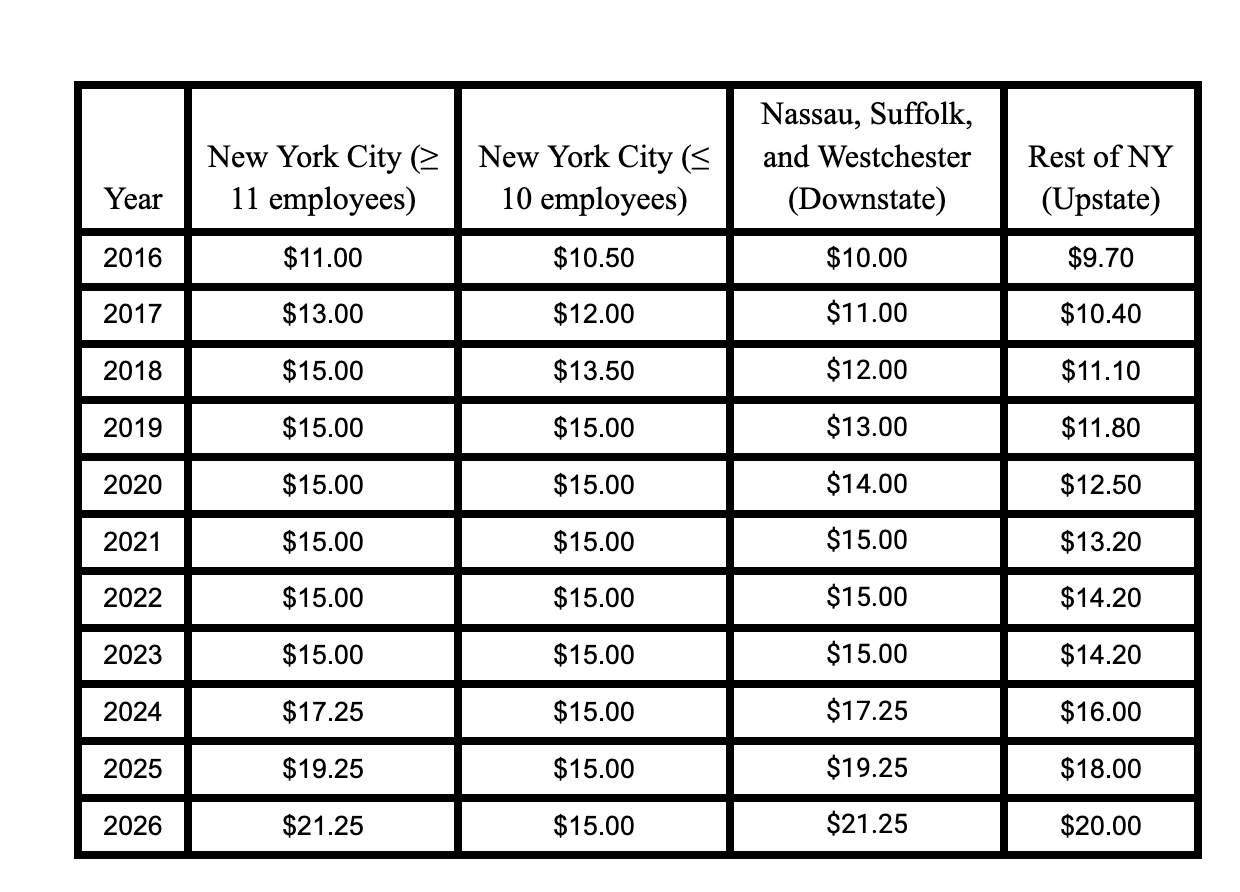
New York State’s minimum wage is not a monolithic figure. It’s a dynamic system with variations that reflect the diverse economic realities across different regions of the state. This tiered approach is designed to acknowledge the higher cost of living and operating expenses in metropolitan areas compared to more rural communities. For travelers and businesses alike, recognizing these differences is key to navigating the employment landscape and understanding the pricing of goods and services.
Geographic Variations and Rate Structure
The most significant factor differentiating New York State minimum wage rates is geography. The state is broadly divided into several regions, each with its own minimum wage standard.
New York City, Long Island, and Westchester
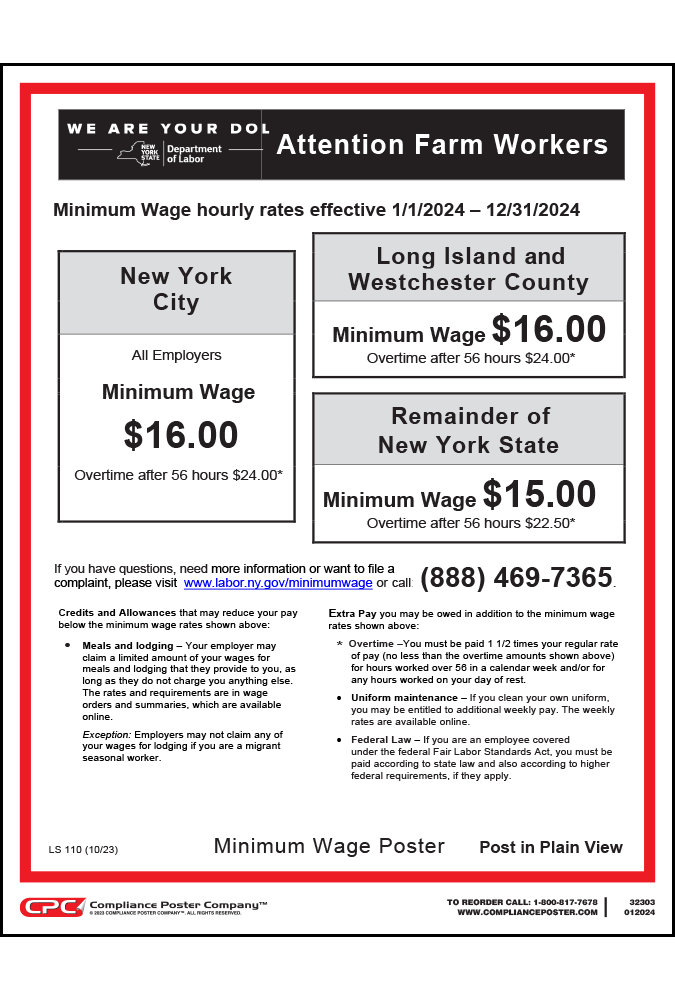
For many, the image of New York is synonymous with New York City, a global hub of commerce, culture, and tourism. Due to its exceptionally high cost of living and thriving economy, this region commands the highest minimum wage in the state. Similarly, Long Island and Westchester County also benefit from this elevated rate, reflecting their proximity to the metropolitan core and their own robust economic activity. Businesses operating in these areas, from luxury hotels and fine dining establishments to souvenir shops and tour operators, must adhere to these higher wage requirements. This impacts everything from the cost of a suite at the Plaza Hotel to the price of a guided tour of Central Park.
The Rest of New York State
Outside of the immediate metropolitan orbit, the minimum wage rates are generally lower. This includes upstate regions such as Albany, Buffalo, Rochester, and the Adirondack Mountains. While these rates are lower than those in New York City, they are still subject to regular adjustments. These areas often feature different types of tourism, from historical landmarks and natural parks to smaller, more intimate resorts and bed and breakfasts. The lower wage requirements can influence the operating costs for these businesses, potentially affecting the prices of accommodation and local experiences.
Scheduled Increases and Indexing
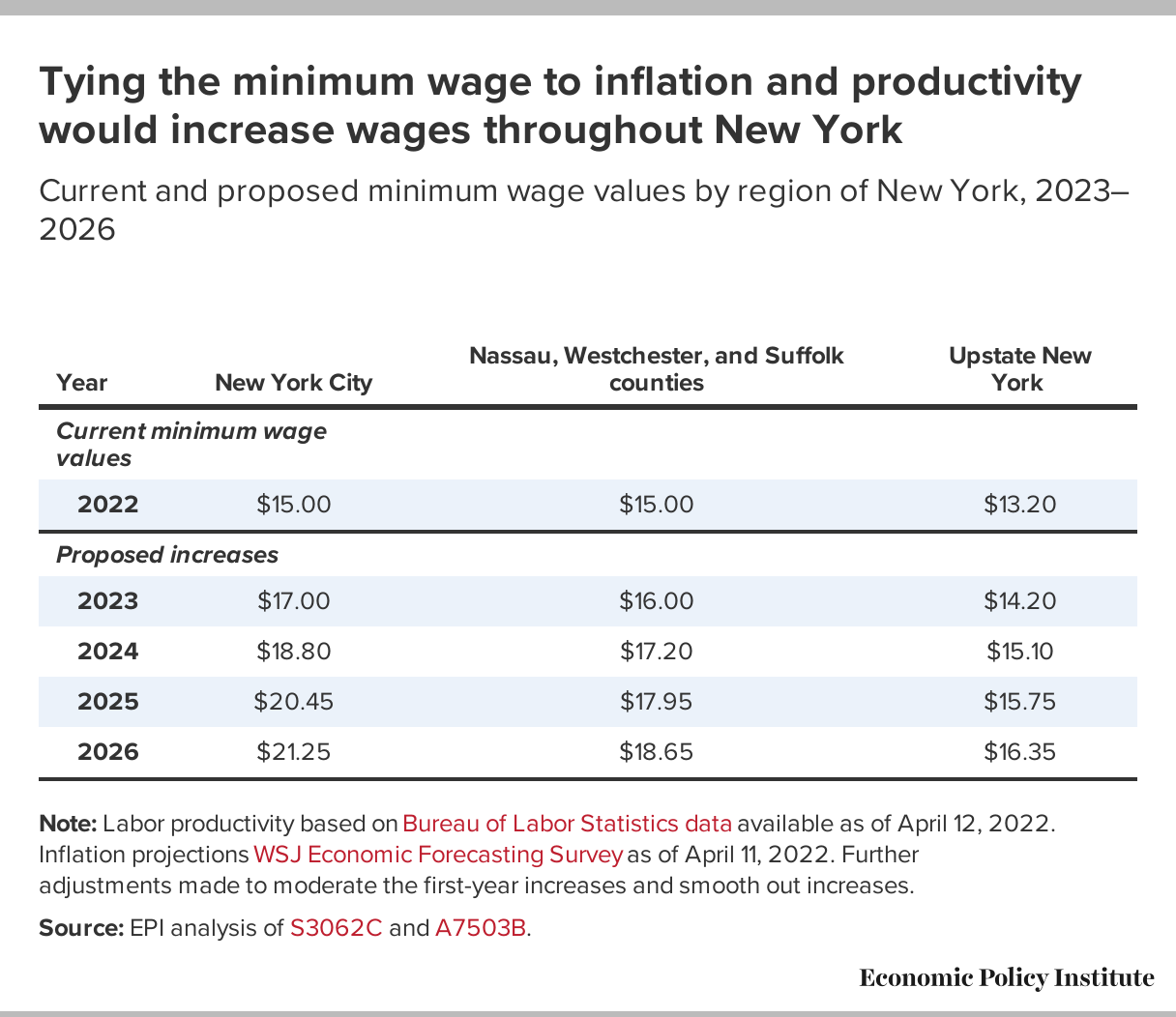
New York State has a policy of scheduled minimum wage increases, often linked to economic indicators such as inflation. This means that the minimum wage is not static; it is reviewed and adjusted periodically to keep pace with the cost of living. These adjustments are crucial for ensuring that the minimum wage retains its purchasing power over time. For employers, these scheduled increases necessitate careful financial planning. For employees, they represent a gradual improvement in their earning potential. The state’s Department of Labor is responsible for announcing these changes, providing advance notice to businesses to allow for compliance.
Impact on the Tourism and Hospitality Industries
The tourism and hospitality sectors are intrinsically linked to the minimum wage. These industries are often large employers of entry-level and service workers, making minimum wage policies a direct and significant factor in their operational success and the overall visitor experience.
Employment and Wage Stability
The minimum wage sets a baseline for earnings in many roles within hotels, restaurants, tour companies, and attractions. For many individuals seeking employment in the tourism sector, understanding the prevailing minimum wage is the first step in assessing job opportunities. Stable and predictable wage increases can contribute to a more consistent and motivated workforce, which in turn can enhance the quality of service provided to tourists. Conversely, rapid or unforeseen wage hikes can present challenges for businesses, particularly smaller independent operators, as they manage labor costs. This is especially relevant when considering the cost of a villa rental or a stay at a boutique hotel.
Cost of Services and Visitor Experience
The cost of labor is a significant component of the operational expenses for any business. When minimum wage increases, these costs are passed on to consumers through higher prices for goods and services. For visitors to New York, this can mean higher prices for hotel rooms, meals, attraction tickets, and transportation. While visitors may be willing to pay more for exceptional experiences, such as a stay at a luxury resort or a guided tour of a significant landmark, businesses must strike a balance between covering their costs and remaining competitive. The Adirondacks, for example, might offer different pricing structures for activities and accommodation compared to Manhattan.
Economic Factors Influencing Minimum Wage Debates
The debate around minimum wage levels is often influenced by broader economic conditions. During periods of economic growth, there is often greater public and political support for increasing the minimum wage, reflecting a belief that the benefits of prosperity should be shared more broadly. Conversely, during economic downturns, businesses may argue for maintaining or lowering wage expectations to preserve jobs and competitiveness. Factors such as inflation, unemployment rates, and the overall economic health of New York play a significant role in shaping these discussions and influencing policy decisions. For a budget travel enthusiast, understanding these economic underpinnings can offer insight into the pricing fluctuations they might encounter across different regions and types of experiences.
Navigating Minimum Wage for Different Lifestyles
Understanding New York State’s minimum wage is not just for employers and employees; it’s also relevant for individuals and families choosing how to experience the state. Whether you’re a luxury traveler or a budget-conscious explorer, the minimum wage indirectly shapes your travel plans and spending.
Luxury Travel and Premium Experiences
For those indulging in luxury travel, the impact of minimum wage might seem less direct. However, the higher labor costs in New York contribute to the premium pricing of high-end hotels, fine dining restaurants, and exclusive tours. When you book a stay at a renowned establishment like the St. Regis New York or enjoy a Michelin-starred meal, the quality of service is often directly tied to the skilled and compensated workforce. The state’s minimum wage, by setting a foundational wage floor, contributes to the overall labor cost structure that supports these high-caliber services. Even in the most exclusive resorts and villas, the underlying wage rates influence operational budgets.
Budget Travel and Value-Oriented Choices
For budget travelers, a thorough understanding of the minimum wage can be a strategic advantage. It helps in anticipating the general cost of services across different regions. For instance, exploring the Finger Lakes region might offer different price points for local dining and accommodation compared to downtown Manhattan, partly due to the regional minimum wage differences. Businesses that operate with lower labor costs due to lower minimum wage rates may be able to offer more affordable experiences and tours. Seeking out local eateries, smaller inns, and off-peak season travel can also be ways to leverage these economic factors for a more cost-effective trip.
Family Trips and Business Stays
Families planning trips or individuals undertaking business stays also benefit from awareness of minimum wage. For families, it can influence decisions about dining out and the types of attractions they can afford. For business travelers, while their primary focus might be on meetings and corporate amenities at places like the Grand Hyatt Hotel, the broader economic environment, including wage levels, can subtly affect the overall cost of doing business in the state, from conference venues to local transportation. Ensuring fair wages contributes to a stable and prosperous economy, which ultimately benefits all visitors by supporting robust infrastructure and services across New York.
In conclusion, the question “What Is New York State Minimum Wage?” opens a window into the economic engine of one of America’s most dynamic states. It’s a crucial piece of information that impacts workers, businesses, and visitors alike, shaping everything from the cost of a hotel room in Niagara Falls to the wages earned by a server at a restaurant in Saratoga Springs. As New York continues to evolve, so too will its minimum wage laws, reflecting a continuous effort to balance economic growth with fair compensation for its workforce.