
For travelers exploring the diverse culinary landscape of the United States or for those simply seeking a luxurious dining experience, the New York Strip Steak stands as a paramount choice. More than just a cut of beef, it embodies a slice of American gastronomic history, a symbol of hearty indulgence, and an anchor in the world of fine dining. Whether you’re planning a trip to the bustling streets of New York City itself, seeking out the best restaurants in a new destination, or simply wishing to understand the intricacies of classic American cuisine, knowing what makes a New York Strip Steak so special is an essential part of the journey.
The allure of this particular steak isn’t just in its robust flavor or tender texture; it’s also in its heritage. Its very name conjures images of vibrant urban centers, upscale dining establishments, and a certain quintessential American lifestyle. From its origins in butcher shops to its place on the menus of world-renowned steakhouses, the New York Strip Steak has carved a permanent niche in the hearts of steak enthusiasts globally. This article delves into the core of what defines this beloved cut, from its anatomy and characteristics to its cultural significance and how to best enjoy it, weaving in how this culinary marvel intersects with travel, tourism, and lifestyle.
The Iconic Cut: Unpacking the New York Strip’s Essence
Understanding the New York Strip Steak begins with appreciating its distinct identity within the vast world of beef cuts. It’s a cut that commands respect, often recognized immediately by its specific shape and marbling. For any traveler or food enthusiast, encountering a perfectly cooked New York Strip is an experience in itself, a highlight of local food culture that promises both satisfaction and a taste of tradition.
A Legacy Etched in Culinary History
The story of the New York Strip Steak is intrinsically linked to the culinary history of the United States. While often associated with New York City, its lineage actually dates back further and involves various names depending on regional preferences. Historically, the cut comes from the short loin, an area that also yields the tenderloin (filet mignon) and, when left attached to the bone, forms part of the T-bone and porterhouse steaks.
Its most famous moniker, the “New York Strip,” is believed to have originated from famous steakhouses in New York City, such as Delmonico’s, which popularized the “Delmonico Steak” in the 19th century. This cut, often boneless, became synonymous with the city’s burgeoning fine dining scene, appealing to both locals and travelers seeking upscale culinary experiences. Other names for this cut include the “Kansas City Strip” (especially when bone-in, named after Kansas City’s rich beef tradition), “Strip Loin,” or “Club Steak.” The proliferation of names speaks to its widespread appeal across different destinations, but the New York Strip remains the most globally recognized, an enduring symbol of American culinary excellence. For those on a culinary tourism quest, tracing these historical threads can be as rewarding as tasting the steak itself, offering insights into the evolution of American cuisine and the iconic destinations that shaped it.
Decoding Its Distinctive Characteristics
What truly sets the New York Strip Steak apart is its remarkable balance of flavor, tenderness, and texture. Sourced from the longissimus dorsi muscle, which runs along the spine of the cow, this muscle is not heavily exercised, contributing to its inherent tenderness.
- Flavor Profile: The New York Strip is celebrated for its robust, beefy flavor. It’s richer and more intensely flavored than a tenderloin but generally milder than a ribeye. This distinct taste comes from a combination of lean muscle and moderate marbling, which renders during cooking, basting the meat from within.
- Texture: It offers a pleasing chewiness that is less delicate than a filet but still notably tender. The muscle fibers are fine, providing a satisfying mouthfeel that many steak aficionados prefer.
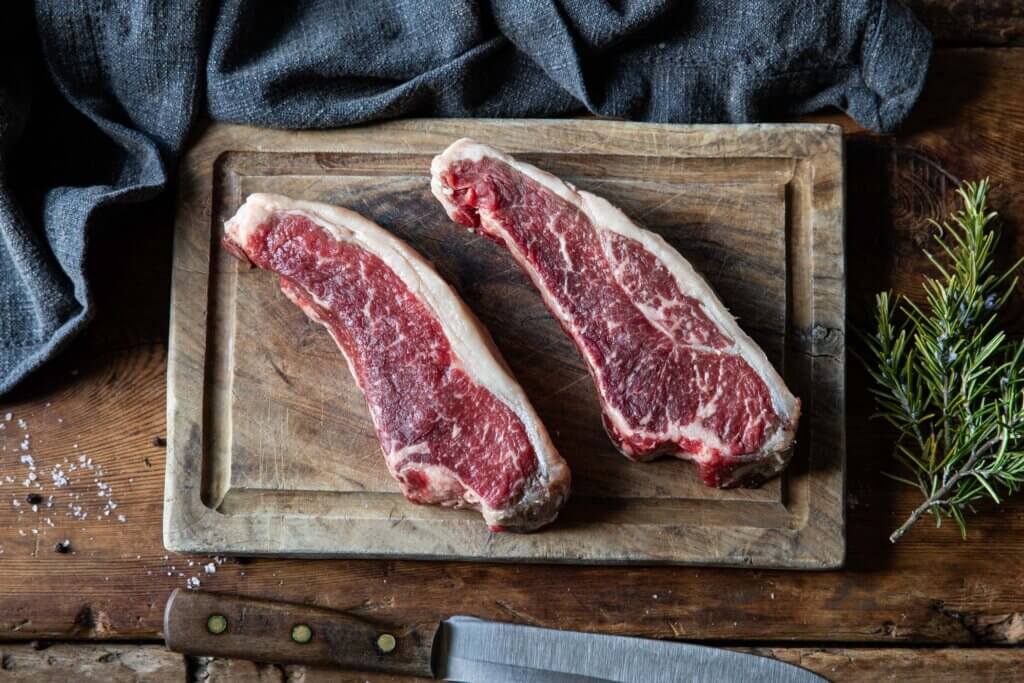
- Marbling: While not as heavily marbled as a ribeye, a good New York Strip boasts a decent amount of intramuscular fat, often running in small streaks throughout the meat. This marbling is crucial for moisture, flavor, and overall juiciness. A tell-tale sign of a high-quality strip is a uniform distribution of these fat flecks.
- Fat Cap: Most New York Strips retain a distinct, firm fat cap along one side. This cap can be trimmed or left on to render and contribute additional flavor and moisture during cooking. When cooked properly, it crisps up beautifully, offering a textural contrast that many diners enjoy.
- Versatility: Its balanced characteristics make it incredibly versatile for various cooking methods, from grilling and pan-searing to broiling. This adaptability is part of why it’s a favorite among both professional chefs and home cooks, ensuring a consistent and satisfying experience whether you’re dining in a high-end steakhouse or enjoying a meal during your travels.
From Farm to Fine Dining: Sourcing and Selection
The journey of a New York Strip Steak from the pasture to your plate is a complex one, deeply influenced by agricultural practices, expert butchery, and discerning selection. For travelers interested in the origins of their food or those seeking a truly premium dining experience, understanding these aspects enhances the appreciation of this magnificent cut. This links directly to culinary tourism and an appreciation for local food systems.
Understanding Quality: Grades and Marbling
The quality of a New York Strip is primarily determined by its grade, a classification system that assesses factors like marbling, maturity, and texture. In the United States, the USDA (U.S. Department of Agriculture) grading system is widely used, offering a reliable indicator for consumers.
- USDA Prime: This is the highest grade, characterized by abundant marbling and exceptional tenderness. Prime beef typically comes from younger, well-fed cattle, resulting in unparalleled juiciness and flavor. Steakhouses focusing on luxury travel experiences or high-end dining will almost exclusively serve Prime cuts.
- USDA Choice: Representing a significant portion of the beef market, Choice beef is still very high quality with good marbling, though slightly less than Prime. It remains tender and flavorful, offering excellent value. Many premium restaurants and grocery stores stock USDA Choice.
- USDA Select: This grade has the least marbling among the top three, resulting in a leaner product that may be less tender and juicy. While still good, it’s generally not the preferred choice for a premium steak experience.
Beyond USDA grades, other factors like breed and feeding practices significantly impact the steak’s quality. Cattle breeds such as Angus, Hereford, and specialty breeds like Wagyu or Piedmontese are known for producing superior beef. Grass-fed versus grain-fed diets also influence flavor and fat composition. For example, Wagyu beef, originating from Japan and known for its intense marbling, can elevate a New York Strip to an extraordinary level, a truly luxurious experience for travelers seeking the pinnacle of culinary indulgence. When booking accommodation, many high-end resorts and hotels feature restaurants that specifically highlight their Wagyu or Prime beef sourcing.
The Art of the Cut: Butcher’s Insight
The expertise of the butcher plays a critical role in how a New York Strip is prepared and presented. The short loin is a primal cut that yields several popular steaks. When butchering a full short loin, the tenderloin is often separated, leaving the strip loin to be cut into individual steaks.
- Boneless vs. Bone-in: New York Strips are commonly sold boneless, offering a uniform, easy-to-cook cut. However, bone-in versions (sometimes called Kansas City Strips) are highly prized by many chefs and connoisseurs. The bone contributes additional flavor and moisture during cooking, acting as a natural insulator and potentially leading to a juicier steak. For a true foodie traveling to destinations renowned for their beef, comparing boneless and bone-in versions can be an enlightening experience.
- Thickness: A well-cut New York Strip should be at least 1.25 to 1.5 inches thick. This thickness is crucial for achieving a perfect sear on the exterior while maintaining a juicy, medium-rare interior. Thinner cuts are more prone to overcooking.
- Trimming: A skilled butcher will properly trim the fat cap, ensuring it’s not excessively thick but still present enough to contribute flavor. They will also remove any silver skin or tough connective tissue that would make the steak unpleasant to eat. The attention to detail in butchery is an art form in itself, a crucial step that ensures the quality of the final dining experience, whether at a landmark steakhouse or a local gem discovered through tourism guides.
The Ultimate Culinary Experience: Savoring the New York Strip
For many, enjoying a New York Strip Steak is not merely a meal; it’s an event, a highlight of their travel or a celebration of a special occasion. This section explores how to best savor this iconic cut, from choosing the right venue to mastering its preparation. It’s a deep dive into the “experiences” and “food” aspects of tourism and lifestyle.
Where to Indulge: Top Destinations for Steak Lovers
While the New York Strip is available globally, some cities and regions are particularly renowned for their steakhouse cultures, offering unparalleled dining experiences. These destinations often become attractions in themselves for culinary travelers.
- New York City, New York: Unsurprisingly, the namesake city is home to some of the world’s most legendary steakhouses. Establishments like Peter Luger Steak House in Brooklyn, Keens Steakhouse in Manhattan, and Wolfgang’s Steakhouse are not just restaurants but culinary landmarks. Diners often travel specifically to experience their dry-aged cuts and classic ambiance. Visiting these institutions is a key part of the lifestyle of a luxury traveler.
- Chicago, Illinois: Another powerhouse in the American steak scene, Chicago boasts an impressive array of high-quality steakhouses, often characterized by a more modern, upscale setting. Restaurants like Gibson’s Bar & Steakhouse and RPM Steak offer formidable New York Strip options, making the city a prime destination for steak aficionados.
- Las Vegas, Nevada: Synonymous with luxury and entertainment, Las Vegas offers a plethora of world-class steakhouses often found within its lavish resorts and hotels. Chefs like Gordon Ramsay have signature steak restaurants here, such as Gordon Ramsay Steak at Paris Las Vegas, providing a truly indulgent experience amidst stunning hotel amenities.
- Dallas, Texas: Given Texas’s cattle ranching heritage, it’s no surprise that cities like Dallas offer exceptional steakhouses. The culinary scene here often blends traditional Southwestern hospitality with high-end cuts, making for a unique regional dining experience. Del Frisco’s Double Eagle Steakhouse is a prime example of a popular upscale chain with strong roots in the region.
When traveling, researching local steakhouse reviews and guides is essential. Many hotels offer concierge services that can recommend and book reservations at these culinary landmarks, enhancing your overall accommodation and travel experience.
Mastering the Grill: Preparing Your Own Perfect Strip
While dining out offers a professional touch, preparing a New York Strip Steak at home can be an incredibly rewarding experience, especially for those who appreciate the art of cooking. It’s an activity that can be part of a local cultural immersion, perhaps using ingredients sourced from local markets.
- Bringing to Room Temperature: Always allow your steak to sit out for 30-60 minutes before cooking. This ensures even cooking from edge to edge.
- Seasoning: A good quality New York Strip needs little more than generous amounts of coarse salt and freshly cracked black pepper. Some prefer a simple rub, but the steak’s natural flavor should be the star.
- Cooking Method: High-heat methods are best.
- Grilling: Preheat your grill to high. Sear the steak for 2-3 minutes per side to develop a crust, then move to a cooler part of the grill (or lower the heat) to finish cooking to your desired doneness.
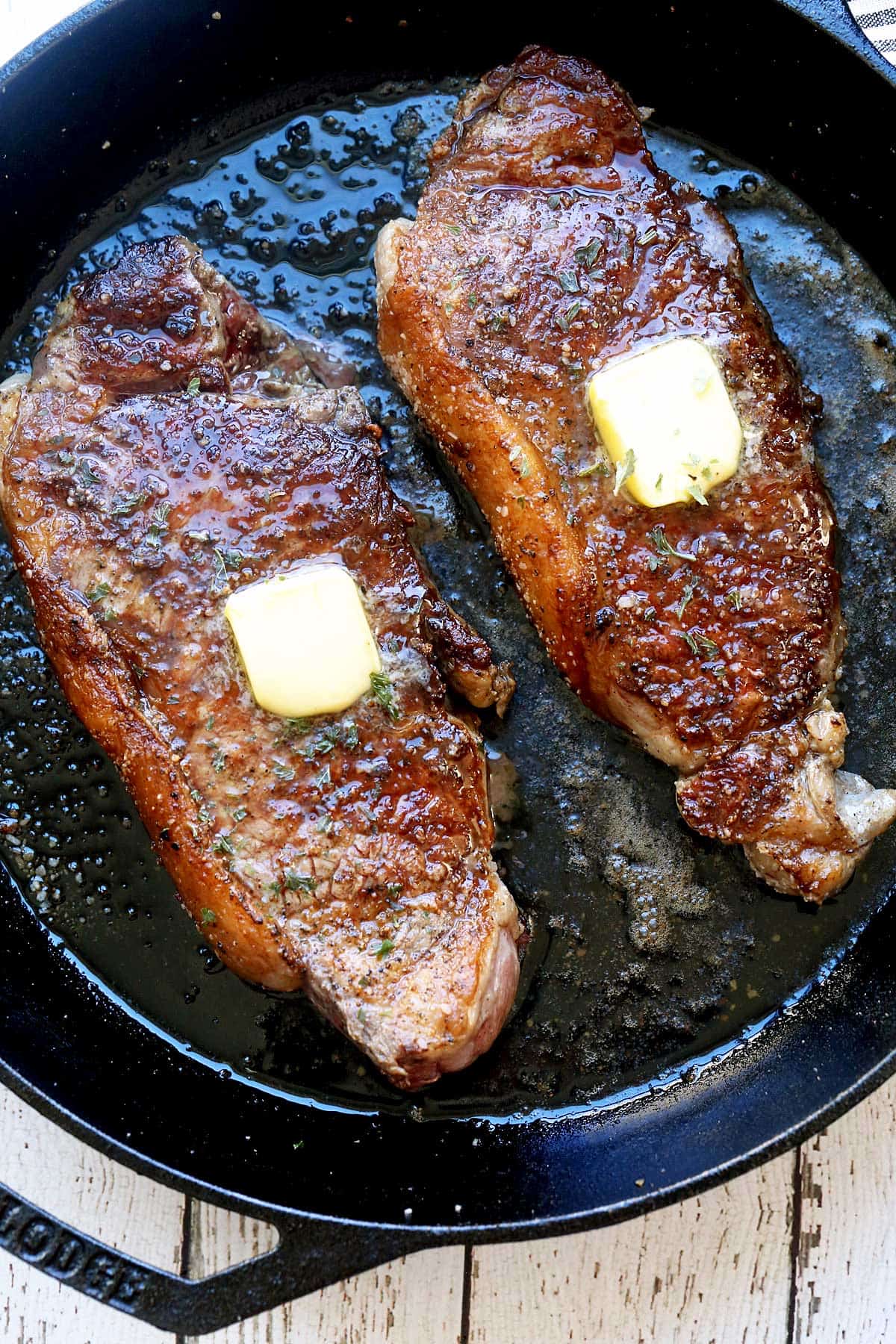
- Pan-Searing (with oven finish): Heat a cast-iron skillet over high heat until smoking. Add a high smoke point oil. Sear the steak for 2-3 minutes per side until a deep brown crust forms. Transfer the skillet to a preheated oven (around 375-400°F or 190-200°C) and cook until desired internal temperature is reached.
- Doneness: Use a meat thermometer for accuracy.
- Rare: 125-130°F (52-54°C)
- Medium-Rare: 130-135°F (54-57°C) (often considered ideal for a New York Strip)
- Medium: 135-140°F (57-60°C)
- Resting: Crucial for a juicy steak. Rest the steak on a cutting board, loosely tented with foil, for 5-10 minutes after cooking. This allows the juices to redistribute throughout the meat, resulting in a more tender and flavorful bite.
Pairing Perfection: Accompaniments and Beverages
The perfect New York Strip Steak experience is incomplete without thoughtful pairings. This consideration adds another layer to the luxury travel and culinary tourism experience, highlighting regional flavors and refined tastes.
- Classic Sides: Creamed spinach, mashed potatoes (garlic or truffle), crispy asparagus, baked potatoes with all the fixings, and roasted mushrooms are timeless accompaniments that complement the steak’s richness without overpowering it.
- Sauces: While a well-cooked New York Strip needs no sauce, classic additions like béarnaise, peppercorn sauce, or a red wine reduction can elevate the experience. Some prefer a simple pat of compound butter (garlic-herb or blue cheese) melting over the hot steak.
- Wine Pairings: Robust red wines are the classic choice.
- Cabernet Sauvignon: Its bold tannins and dark fruit notes stand up beautifully to the richness of the steak.
- Merlot: A softer, fruitier alternative that still has enough body.
- Syrah/Shiraz: Offers spice and dark berry flavors, a great match for the beefy notes.
- Malbec: From Argentina, known for its velvety texture and dark fruit, it pairs exceptionally well with grilled meats.
- Other Beverages: For non-wine drinkers, a dark craft beer, a classic Old Fashioned cocktail, or even a glass of sparkling water with lemon can be excellent choices, enhancing the overall dining experience.
Beyond the Plate: The New York Strip in Lifestyle and Culture
The New York Strip Steak transcends its role as mere sustenance; it’s deeply embedded in American lifestyle and culture, often symbolizing celebration, success, and a certain level of sophisticated indulgence. Its presence on menus worldwide speaks to its universal appeal and its status as a culinary landmark.
A Symbol of American Gastronomy
The New York Strip embodies a significant part of American gastronomic identity. It’s hearty, straightforward, and unapologetically delicious, much like the culinary ethos of the United States. It represents a tradition of quality and generosity, often served in substantial portions, reflecting an abundance that has characterized American dining. For visitors, partaking in a New York Strip is often seen as a quintessential American experience, much like visiting famous landmarks or exploring national parks. It’s a dish that has been celebrated in literature, film, and popular culture, solidifying its place as a culinary icon. This connection makes it a vital element for local culture discussions within tourism guides.
Furthermore, the steakhouse culture that champions the New York Strip contributes to its mystique. These establishments, often steeped in history and characterized by dark wood, white tablecloths, and attentive service, offer an experience that goes beyond just the food. They are places for business deals, family celebrations, and romantic evenings—venues where life’s significant moments are marked. This speaks to the “lifestyle” aspect of dining, particularly luxury travel and business stays, where a meal isn’t just about nutrition but about the entire atmosphere and associated prestige.
Integrating into Your Travel Itinerary
For the discerning traveler, incorporating a New York Strip Steak experience into their itinerary is a way to truly immerse themselves in the local food culture and enjoy a luxury lifestyle experience. Whether you’re planning a trip focused on culinary exploration or simply seeking a memorable meal amidst sightseeing, the New York Strip offers a guaranteed highlight.
- Researching Local Gems: Before traveling to a new city, research local steakhouses known for their New York Strip. Travel guides and online reviews often highlight establishments that offer exceptional cuts, unique ambiance, or historical significance.
- Booking Accommodations with Culinary Connections: Many high-end hotels and resorts pride themselves on their in-house dining options. Choosing accommodation that features a renowned steakhouse means convenience and quality rolled into one, enhancing the overall experience of your stay. From boutique hotels in Charleston to luxury resorts in Maui, many offer exceptional dining experiences.
- Experiencing Regional Variations: While the name suggests New York, experiencing the Kansas City Strip in Kansas City or sampling a local grass-fed version in the ranches of Australia can provide fascinating insights into how different regions interpret this classic cut. This kind of culinary comparison enriches the travel experience and offers deeper cultural understanding.
- Budgeting for the Experience: While a premium New York Strip can be an investment, it’s often viewed as a worthwhile splurge for a special occasion or as a significant part of a luxury travel budget. Many establishments offer varying price points, allowing both budget travelers and luxury seekers to find an option that suits their plans.
In conclusion, the New York Strip Steak is far more than just a cut of beef; it’s a culinary institution, a testament to quality, and a cornerstone of American dining culture. Its rich history, distinctive characteristics, and profound place in the world of gastronomy make it a compelling subject for food enthusiasts and travelers alike. From its storied origins in the heart of New York City to its place on the global stage, the New York Strip continues to be a sought-after experience, embodying the very best of what the world of food, travel, and lifestyle has to offer.
LifeOutOfTheBox is a participant in the Amazon Services LLC Associates Program, an affiliate advertising program designed to provide a means for sites to earn advertising fees by advertising and linking to Amazon.com. Amazon, the Amazon logo, AmazonSupply, and the AmazonSupply logo are trademarks of Amazon.com, Inc. or its affiliates. As an Amazon Associate we earn affiliate commissions from qualifying purchases.