
There are few culinary experiences as iconic and quintessentially American as biting into a perfectly crafted slice of New York Style Pizza. While the toppings and sauce are undeniably important, the true soul of this beloved dish lies unequivocally in its crust. It’s not just a base; it’s a masterpiece of texture, flavor, and engineering that sets it apart from all other pizza varieties worldwide. For travelers exploring the vibrant streets of New York City, understanding what makes this crust so special is key to unlocking an authentic taste of the Big Apple.
The appeal of New York Style Pizza is universal, transcending its origins to become a global phenomenon. Yet, to truly appreciate its unique characteristics, one must delve into the elements that define its signature crust: its thinness, its crispy-chewy dichotomy, its distinctive flavor profile, and its famous foldability. This isn’t merely food; it’s a cultural cornerstone, a quick, satisfying meal that fuels the city’s ceaseless energy, and a destination in itself for countless food enthusiasts. Whether you’re navigating the bustling avenues of Manhattan for a business trip, enjoying a family vacation exploring famous landmarks like the Empire State Building or the Statue of Liberty, or simply seeking a taste of local culture, a proper slice of New York Style Pizza is an experience not to be missed.
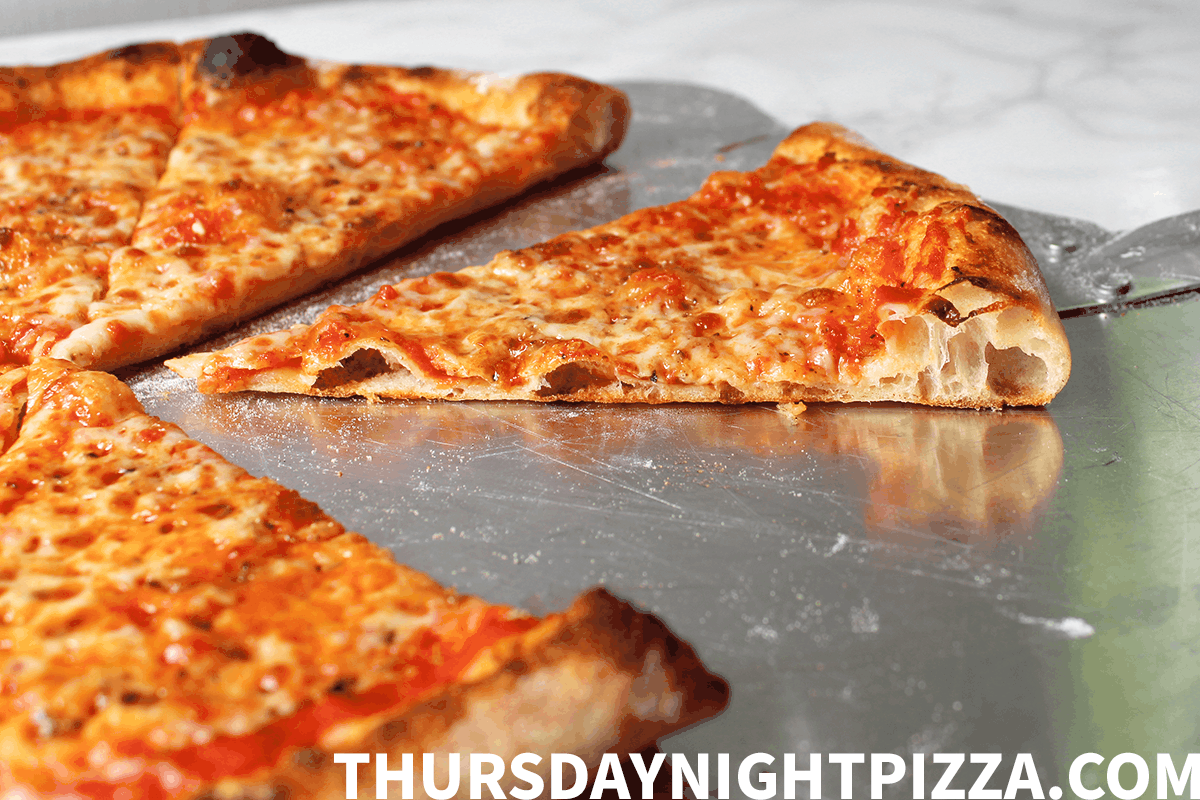
The Anatomy of a Classic Crust: More Than Just Flour and Water
At its heart, the New York Style Pizza crust seems deceptively simple, often made from just a handful of basic ingredients. However, it’s the specific choice of these ingredients, combined with meticulous preparation techniques, that transforms them into something extraordinary. This culinary alchemy results in a crust that is robust enough to hold generous toppings yet delicate enough to be thin and pliable.
Ingredients: The Foundation of Flavor
The magic begins with the foundational elements:
- High-Gluten Flour: This is perhaps the most critical ingredient. Unlike all-purpose flour, high-gluten flour, typically bread flour, possesses a higher protein content (around 13-14% or more). This protein forms strong gluten strands when hydrated and kneaded, which are essential for creating the crust’s characteristic chewiness and elasticity. It allows the dough to be stretched incredibly thin without tearing and gives it the necessary structure to become crisp during baking. Without high-gluten flour, achieving that perfect balance of chew and crisp would be virtually impossible.
- Water: Often shrouded in myth, the tap water of New York City is frequently cited as a secret ingredient. While the idea of unique minerals in the city’s water supply contributing to the crust’s distinct flavor and texture might sound like folklore, there’s some scientific basis to it. New York City water, primarily sourced from the Catskill Mountains and Croton Watershed, is known for its softness and specific mineral composition. These minerals can indeed interact with yeast and gluten development, subtly influencing fermentation and the final texture. While replicated water profiles can be achieved elsewhere, many purists believe the authentic taste is tied to the local H2O.
- Yeast: Standard baker’s yeast, whether active dry or instant, is the leavening agent responsible for giving the dough its rise and airy pockets. The yeast ferments the sugars in the flour, producing carbon dioxide gas that inflates the dough, contributing to its light texture. The controlled fermentation process also develops complex flavors within the crust.
- Salt: More than just a seasoning, salt plays a vital role in dough development. It strengthens the gluten structure, controls the yeast’s activity (preventing over-proofing), and significantly enhances the overall flavor of the crust, balancing the sweetness from the fermented flour.
- Olive Oil: A small amount of olive oil is typically added to the dough. It contributes to tenderness, richness, and a subtle flavor. It also helps in achieving a golden-brown color and a crispier finish, while adding a slight pliability to the crust.
The Art of Dough Preparation: From Mix to Ferment
The journey from raw ingredients to a perfect crust is a meticulous process that highlights the skill of the pizzaiolo.
- Mixing and Kneading: The ingredients are combined and then kneaded extensively. This process is crucial for developing the gluten network. Traditional pizzerias often use powerful dough mixers, or skilled hands, to work the dough until it’s smooth, elastic, and capable of forming a thin, translucent membrane without tearing (the “windowpane test”). This ensures the structural integrity needed for a large, thin slice.
- Fermentation (Proofing): After kneading, the dough undergoes a slow, cold fermentation, often for 24 to 72 hours, usually in a refrigerator. This extended period of cold proofing is vital. It allows the yeast to work slowly, developing complex flavors and aromas that would not be present in a quick-rise dough. It also relaxes the gluten, making the dough easier to stretch thinly without snapping back. This slow fermentation is a hallmark of quality New York Style Pizza, contributing significantly to both texture and taste.
- Shaping the Signature Slice: When ready, individual dough balls are hand-stretched, not rolled with a pin. This technique preserves the air bubbles developed during fermentation and maintains the delicate structure of the gluten. Experienced pizzaiolos expertly spin and stretch the dough, working from the center outwards, leaving a slightly thicker edge—the “cornicione” or rim—which puffs up beautifully in the oven, becoming delightfully airy and charred. The size is also characteristic: typically a 16 to 18-inch pie, yielding those famously large, foldable slices.
Why New York Style Pizza is Unique: Beyond the Ingredients
While ingredients and preparation are fundamental, other factors contribute to the singular identity of New York Style Pizza. These elements contribute to the overall eating experience, making a visit to a New York City pizzeria a truly authentic immersion into local culture.
The Oven’s Role: Blistering Heat
The type of oven used is paramount. Authentic New York Style Pizza is traditionally baked in a deck oven, often gas-fired, that reaches extremely high temperatures—typically between 550°F and 700°F (290°C and 370°C). These ovens have stone or ceramic decks that retain and conduct heat directly to the bottom of the pizza.
- Rapid Cooking: The intense heat cooks the pizza very quickly, often in just 5-8 minutes. This rapid cooking ensures that the crust cooks through and becomes beautifully crisp on the bottom without drying out the interior.
- Leopard Spotting (Charring): The high temperature also creates desirable charring and blistering on the crust, particularly around the edges. These “leopard spots” are not burnt but rather caramelized areas of intense flavor that add depth and visual appeal.
- Crispiness and Chewiness: The radiant heat from above and the conductive heat from below work in tandem to create the signature dichotomy: a crisp exterior (especially the bottom) that gives way to a chewy, airy interior. This is a defining characteristic that sets it apart from denser or uniformly crispy crusts.
The Foldability Factor: A Culinary Necessity
Perhaps the most famous practical aspect of New York Style Pizza is its foldability. A true New York slice is large – often too big to eat flat with one hand, especially when laden with cheese and sauce. The thin, flexible crust allows diners to fold the slice lengthwise, creating a structural U-shape that prevents toppings from sliding off and makes it easier to manage. This isn’t just a quirk; it’s an essential part of the eating experience, born out of the need for quick, on-the-go sustenance in a city that never stops. This unique characteristic is a testament to the crust’s perfect balance of strength and pliability.
A Cultural Icon and Culinary Journey: Experiencing New York Style Pizza
For any visitor to New York City, exploring its pizza scene is as essential as visiting Times Square or strolling through Central Park. It’s more than just a meal; it’s an immersion into local culture, a testament to the city’s diverse culinary landscape, and a truly unforgettable travel experience.
Where to Find Authentic New York Style Pizza
While New York Style Pizza is available throughout the five boroughs—Manhattan, Brooklyn, Queens, the Bronx, and Staten Island—certain neighborhoods and establishments are legendary. Historic pizzerias like Lombardi’s (often credited as the first pizzeria in America, established in 1905), Di Fara Pizza in Brooklyn, Joe’s Pizza in Greenwich Village, or Grimaldi’s under the Brooklyn Bridge are considered pilgrimage sites for pizza lovers. Each offers a slightly different take but adheres to the core principles of the New York Style Pizza crust. When traveling, seeking out these revered establishments offers not only a fantastic meal but also a glimpse into the city’s rich history and culinary heritage.
Experiencing New York City’s Pizza Culture
Eating New York Style Pizza is an activity in itself. Many pizzerias offer a simple, no-frills experience: walk up to the counter, order a slice (often just “cheese” or “pepperoni”), maybe a soda, and stand at a narrow counter or grab a small table. This informal setting is part of its charm. It’s an accessible, delicious, and often budget-friendly meal, perfect for families, solo travelers, or business visitors grabbing a quick bite between meetings. It’s a reflection of New York’s fast-paced yet deeply rooted local culture, an authentic taste of daily life for millions of residents. Tourism guides often highlight pizza tours as a fantastic way to sample different styles and learn about the city’s gastronomic history.
Beyond the Crust: Toppings and Tradition
While the crust is king, the traditional toppings complement it perfectly. A classic New York Style Pizza features a thin layer of tangy, often uncooked, tomato sauce (typically San Marzano or a similar quality crushed tomato), and a generous blanket of low-moisture, whole-milk mozzarella cheese. The simplicity allows the quality of the crust, sauce, and cheese to shine through. Additional toppings are common but rarely overwhelm the delicate balance achieved by the foundation. The key is balance – no soggy, overloaded slices here.
Recreating the New York Style Pizza Experience at Home
Even if you’re not planning a trip to New York City anytime soon, the allure of New York Style Pizza is so strong that many attempt to recreate it in their home kitchens. While replicating the exact conditions of a commercial deck oven and the supposed magic of New York water can be challenging, dedicated home bakers can come remarkably close by focusing on the core principles.
Essential Tips for Home Bakers
- Flour Choice is Key: Invest in high-quality bread flour with a high protein content (13-14%). This is non-negotiable for achieving the right chewiness.
- Hydration: The dough should be relatively wet, typically around 60-65% hydration, but not so wet that it’s unmanageable. This moisture contributes to the crust’s tenderness and helps create steam for an airy interior.
- Cold Fermentation: Do not skip the cold proofing step. A 24-72 hour fermentation in the refrigerator is crucial for flavor development and making the dough pliable enough to stretch thinly.
- High Heat is a Must: Your home oven needs to be as hot as it can possibly get, usually 500-550°F (260-290°C). Preheat a pizza stone or steel for at least an hour before baking. This intense heat mimics the floor of a deck oven, providing a crispy bottom crust.
- Hand Stretching: Avoid rolling pins. Gently stretch the dough by hand, working it from the center outwards, leaving a slightly thicker edge. Practice makes perfect.
- Minimal Toppings: Don’t overload your pizza. Keep the sauce thin and the cheese just enough to melt evenly without creating a watery mess. Let the crust be the star.
Troubleshooting Common Crust Issues
- Soggy Center: This is often due to too much sauce, wet toppings, or not enough heat from the pizza stone/steel. Ensure your oven is fully preheated and toppings are not overly moist.
- Crust is Too Dense/Tough: Insufficient kneading, low-gluten flour, or too short a fermentation time can lead to a tough crust. Make sure your dough is well-developed and has ample time to proof.
- Crust Not Crispy: Oven temperature is key. If your oven isn’t hot enough, or your pizza stone isn’t sufficiently preheated, the bottom won’t crisp up properly. Baking directly on a cold baking sheet will also lead to a softer crust.
- Difficult to Stretch: If the dough constantly snaps back, it needs more time to relax. Cover it and let it rest for another 15-30 minutes, then try again. Cold dough can also be stiffer, so letting it come to room temperature for 30 minutes before shaping can help.
In conclusion, the New York Style Pizza crust is a testament to culinary tradition, scientific precision, and cultural identity. It’s an intricate dance of ingredients, technique, and environment that results in a perfectly balanced, thin, crispy-chewy, and foldable foundation for one of the world’s most beloved foods. Whether you’re a devoted foodie planning a trip specifically for its gastronomic delights, a traveler seeking authentic local experiences, or a home cook aspiring to master the art of pizza making, understanding the nuances of this iconic crust is the first step towards truly appreciating the unparalleled magic of a New York Style Pizza. So, on your next visit to New York City, skip the chain restaurants, find a reputable local pizzeria, grab a slice, fold it, and savor a genuine taste of one of America’s greatest culinary contributions.
LifeOutOfTheBox is a participant in the Amazon Services LLC Associates Program, an affiliate advertising program designed to provide a means for sites to earn advertising fees by advertising and linking to Amazon.com. Amazon, the Amazon logo, AmazonSupply, and the AmazonSupply logo are trademarks of Amazon.com, Inc. or its affiliates. As an Amazon Associate we earn affiliate commissions from qualifying purchases.