
The mere mention of New Yorker Pizza Crust conjures images of bustling streets, iconic yellow cabs, and the unparalleled culinary landscape of New York City. More than just a dish, New York-style pizza is a cultural institution, a daily ritual for millions, and an essential experience for any traveler exploring the Big Apple. At its heart lies the crust: a foundational element that dictates texture, flavor, and the overall enjoyment of every legendary slice. For those embarking on a journey through the vibrant boroughs of New York, understanding what makes this crust unique is akin to unlocking a secret handshake with the city itself. It’s not simply a matter of ingredients; it’s a confluence of history, technique, and even the city’s unique environment that culminates in that distinctive foldable, yet crisp, bite. This article delves deep into the essence of New Yorker Pizza Crust, exploring its defining characteristics, historical roots, and how it has become an indispensable part of the city’s tourism and lifestyle.
The Anatomy of an Icon: Defining New Yorker Pizza Crust
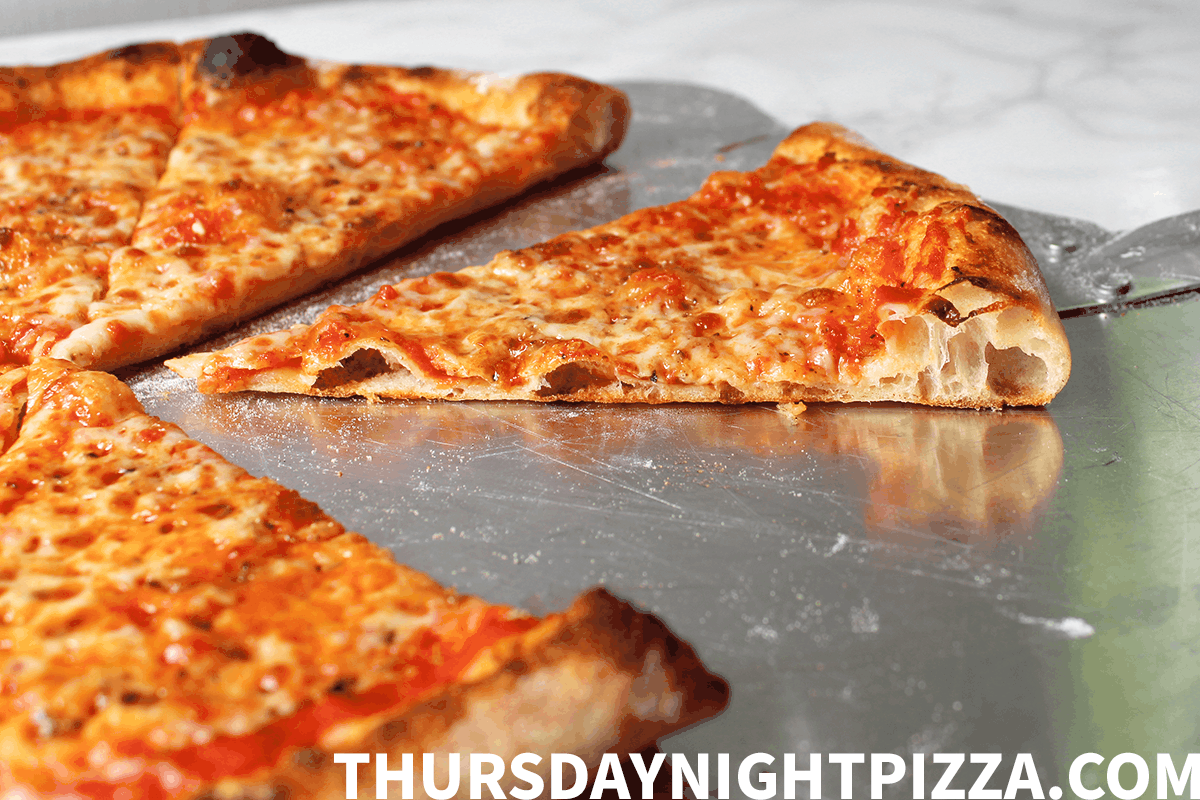
At first glance, a New York-style pizza slice appears deceptively simple. Yet, beneath its often minimalist toppings of tomato sauce and mozzarella lies a marvel of culinary engineering: the crust. This isn’t just any pizza base; it’s a carefully crafted foundation designed for portability, perfect chewiness, and an unforgettable flavor profile that has captivated palates worldwide.
Ingredients: The Simple Secret Behind Complex Flavors
The magic of New Yorker Pizza Crust begins with surprisingly basic components, yet their quality and specific characteristics are paramount.
- High-Gluten Flour: This is perhaps the most critical ingredient. Unlike all-purpose flour, high-gluten flour boasts a higher protein content, typically around 13-14%. This protein develops into strong gluten strands during kneading, which are responsible for the dough’s elasticity and chewiness. It allows the dough to be stretched incredibly thin without tearing, forming those characteristic large, wide slices. The resulting crust is strong enough to hold its toppings, yet pliable enough to be folded in half, a quintessential New York eating method.
- Water: Many aficionados swear by New York City’s tap water as a secret ingredient. Rich in minerals like calcium and magnesium, it is believed to contribute to the dough’s unique texture and flavor. While this theory is often debated, the mineral composition of water undoubtedly affects gluten development and yeast activity. Pizza makers outside of New York often attempt to replicate this by adjusting mineral content in their water or importing NYC water itself, a testament to the belief in its crucial role.
- Yeast: Standard active dry or instant yeast is used, but the quantity and how it’s activated are key. A slow fermentation process, often involving cold proofing, allows the yeast to develop more complex flavors, contributing to the crust’s distinctive tangy notes.
- Salt: Essential for flavor and for controlling yeast activity, salt is added in precise amounts. It enhances the taste of the flour and other ingredients, preventing the crust from tasting bland.
- Olive Oil (Optional but Common): A small amount of olive oil is often incorporated into the dough. This contributes to a softer interior crumb, adds a subtle richness, and can aid in browning the crust during baking. It also makes the dough a bit more manageable to work with.
The Art of the Dough: Fermentation and Hand-Stretching
Beyond the ingredients, the process of making New Yorker Pizza Crust is an art form passed down through generations.
- Long Fermentation: Unlike quick-rise doughs, New York-style pizza dough typically undergoes a long, slow fermentation, often for 24-72 hours in a cold environment. This extended period allows the yeast to work slowly, developing depth of flavor, enhancing the crust’s aroma, and creating those desirable air pockets that give it an airy, yet chewy, texture. This slow process is vital for achieving the perfect balance of crispness and pliability.
- Hand-Stretching, Not Rolling: A defining characteristic of authentic New York pizza making is the absence of a rolling pin. Pizzaiolos deftly stretch the dough by hand, tossing it in the air and manipulating it to achieve the desired thinness and round shape. This technique preserves the delicate air bubbles formed during fermentation, resulting in a lighter, more irregular crumb structure. It also creates the slightly thicker, airy “cornicione” or edge crust that is a hallmark of a great New York slice.
Baking to Perfection: High Heat and Crispy Edges
The final transformation of dough into the iconic New York crust happens in the oven.
- Deck Ovens: Traditional New York pizzerias almost exclusively use deck ovens, often gas-fired, with stone or brick baking surfaces. These ovens can reach extremely high temperatures, typically between 700-900°F (370-480°C).
- Quick Bake: The intense heat cooks the pizza very rapidly, usually in just 5-10 minutes. This quick bake is crucial for achieving the signature characteristics of the crust:
- Crisp Exterior: The high heat instantly crisps the bottom of the dough, creating a thin, almost crackling layer.
- Chewy Interior: Despite the crispness, the interior of the crust remains soft, airy, and chewy, thanks to the high-gluten flour and proper fermentation.
- Leopard Spotting (Charring): The extreme heat often results in small, dark spots of charring on the crust, particularly around the edges. This “leopard spotting” is highly desirable, adding depth of flavor and visual appeal, indicating a perfectly cooked pizza.
- Foldability: The combination of a thin, crisp bottom and a chewy, pliable interior allows the slice to be easily folded lengthwise without breaking, making it ideal for eating on the go – the true New York way.

More Than Just Food: A New York City Lifestyle Experience
New York-style pizza transcends its culinary status; it’s deeply interwoven with the fabric of New York City’s lifestyle and cultural identity. From its humble beginnings to its current status as a global icon, the pizza experience tells a story of immigration, adaptation, and enduring tradition. For travelers, it offers a tangible connection to the city’s past and present, a genuine taste of local culture.
A Slice of History: Pizza’s Journey to America
The journey of pizza to America began with Italian immigrants who settled in cities like New York in the late 19th and early 20th centuries. Initially a working-class food, a simple, delicious, and affordable meal, pizza quickly found its place.
- Gennaro Lombardi and America’s First Pizzeria: While pizza certainly existed before him, Gennaro Lombardi is widely credited with opening America’s first licensed pizzeria in Little Italy, Manhattan, in 1905. Lombardi’s, though no longer at its original location, set the standard for what New York-style pizza would become. His coal-fired ovens and commitment to quality ingredients laid the groundwork for countless pizzerias that followed.
- The Post-War Boom: After World War II, as American soldiers returned from Italy with a taste for pizza, its popularity exploded. Pizzerias became neighborhood fixtures, evolving from humble bakeries to vibrant community hubs. The convenience of a quickly served, satisfying slice resonated with the fast-paced nature of New York City.
The Cultural Tapestry of NYC Pizza
Today, the act of eating New York-style pizza is an experience unto itself, a key facet of the New York urban experience.
- Street Food Extraordinaire: Pizza by the slice is the quintessential New York street food. It’s designed for grab-and-go, allowing locals and tourists alike to enjoy a delicious meal while continuing their exploration of the city’s landmarks and attractions. Whether you’re rushing to a Broadway show, exploring Central Park, or simply wandering through a new neighborhood, a slice is never far away.
- A Symbol of Affordability and Accessibility: In a city often associated with luxury and high costs, pizza offers a democratic dining option. A classic cheese slice is often one of the most affordable meals available, making it accessible to everyone, from budget travelers to busy executives. This accessibility solidifies its role as a communal food, breaking down social barriers one slice at a time.
- Late-Night Comfort: As the city that never sleeps, New York relies on pizza as a reliable late-night companion. After a concert in Brooklyn, a night out in Manhattan, or just a long day of sightseeing, a warm, cheesy slice provides perfect comfort and sustenance.
- Iconic Pizzerias as Destinations: Many pizzerias have become tourist attractions in their own right. Places like Grimaldi’s under the Brooklyn Bridge, Joe’s Pizza in Greenwich Village, and Di Fara Pizza in Midwood, Brooklyn, draw crowds eager to sample their legendary slices and experience a piece of New York history. These establishments often boast long lines, which are considered part of the authentic NYC experience.
Exploring New York City’s Pizza Landscape: A Traveler’s Guide
For the avid traveler or culinary explorer, navigating New York City’s vast pizza landscape is an adventure in itself. Each borough and even specific neighborhoods offer unique takes on the classic New York slice, making a pizza tour an excellent way to experience the city’s diverse culture. When planning your travel itinerary, consider these insights to enhance your pizza pilgrimage.
Neighborhood Nuances: Finding Your Perfect Slice
While the general characteristics of New Yorker Pizza Crust remain consistent, subtle variations emerge across the city’s vibrant neighborhoods.
- Manhattan: As the traditional heart of New York pizza, Manhattan offers a mix of classic, historic pizzerias and modern, artisanal interpretations. You can find excellent slices in areas like Greenwich Village (Joe’s Pizza), Lower East Side, and even around Times Square for a quick bite before a show. Many hotels in these areas offer convenient access to renowned pizza spots, making them ideal for accommodation choices.
- Brooklyn: Widely considered a mecca for pizza lovers, Brooklyn is home to some of the most celebrated pizzerias. From the scenic waterfront views near Grimaldi’s in DUMBO to the fiercely traditional slices at Di Fara Pizza in Midwood, Brooklyn offers a diverse range. The trendy neighborhood of Williamsburg also boasts numerous innovative pizzerias. A stay in a boutique hotel in Williamsburg or a charming apartment rental in Park Slope could place you right in the heart of this pizza paradise.
- Queens, The Bronx, and Staten Island: Don’t overlook the outer boroughs! Queens offers hidden gems like Lucali in Carroll Gardens (though often mistakenly associated with Brooklyn, their reputation precedes them city-wide). Each borough has its local favorites and neighborhood stalwarts, often serving generations of families. Exploring these areas offers a deeper dive into the city’s authentic local culture beyond the typical tourist paths. Consider venturing to Arthur Avenue in The Bronx, New York’s real Little Italy, for fantastic culinary experiences, including pizza.
Beyond the Crust: Pairings and Preferences
While the crust is king, the overall pizza experience in New York is completed by its pairings and the local way of consumption.
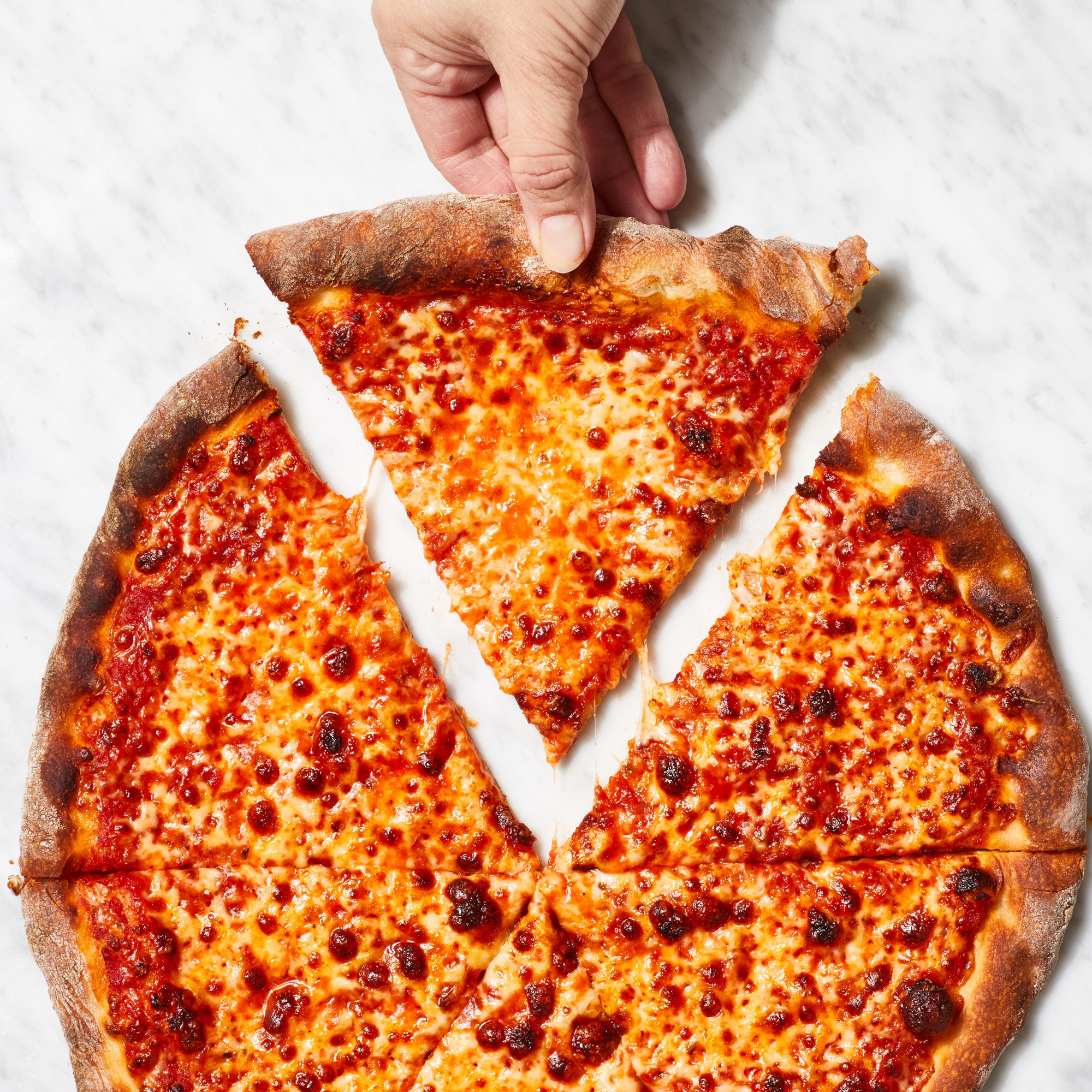
- Toppings: Simplicity Reigns: True New York-style pizza traditionally prioritizes simple toppings. A classic cheese slice with a well-balanced tomato sauce and high-quality mozzarella is the benchmark. Pepperoni is a popular addition, often curling up at the edges into crispy cups. While gourmet toppings are available, the essence of New York pizza lies in its foundational elements.
- The Fold: The iconic New York fold is not just a quirk; it’s a practical necessity. Given the large size and thinness of the slices, folding it lengthwise provides structural integrity, preventing toppings from sliding off and making it easier to manage while standing or walking. It’s a rite of passage for anyone visiting the city.
- Beverages: A cold soda, particularly a Coca-Cola, is the traditional accompaniment to a New York pizza slice. The effervescence and sweetness perfectly complement the savory, sometimes greasy, goodness of the pizza. For those opting for a more upscale lifestyle approach to pizza, some establishments now offer craft beers or even wine pairings.
Crafting Your Own New York-Style Pizza at Home: A Culinary Adventure
For those who return home from their New York City travels with a longing for that distinctive crust, replicating the New York-style pizza experience in your own kitchen is a rewarding culinary adventure. While the magic of NYC’s water and industrial ovens can be hard to fully replicate, understanding the core principles can get you remarkably close to achieving that perfect foldable, crispy-chewy crust.
Essential Tools and Techniques for Home Bakers
To embark on your home pizza-making journey, a few key tools and techniques are essential.
- High Heat is Paramount: The biggest challenge in a home kitchen is achieving the ultra-high temperatures of a commercial deck oven.
- Pizza Stone or Steel: A pizza stone or, even better, a pizza steel, is indispensable. These absorb and retain heat much more effectively than a baking sheet, transferring intense heat to the bottom of your pizza crust, simulating the stone floor of a professional oven. Preheat your oven with the stone/steel inside for at least an hour at its highest possible temperature (usually 500-550°F or 260-290°C).
- Broiler Boost: For the last minute or two of baking, you can often turn on your oven’s broiler to rapidly cook the top of the pizza and achieve some of that desired charring on the crust.
- Dough Management:
- Stand Mixer (Optional): While traditional New York dough is often hand-kneaded, a stand mixer with a dough hook can make the initial kneading process easier and more consistent, ensuring good gluten development.
- Patience with Fermentation: Embrace the slow cold fermentation (24-72 hours in the refrigerator). This step is crucial for flavor development and achieving the right texture. Plan ahead!
- Hand Stretching: Practice makes perfect. Gently press the dough from the center outwards, avoiding the edges to create a rim. Then, lift and rotate the dough, letting gravity and gentle stretching expand it. Avoid using a rolling pin if you want an authentic New York crumb.
Sourcing Ingredients: Replicating the NYC Magic
While you might not have New York City tap water flowing from your faucet, careful ingredient selection can still yield excellent results.
- High-Gluten Flour: Seek out bread flour or specific “pizza flour” that indicates a high protein content (12-14%). Brands like King Arthur Bread Flour are readily available and work well.
- Water Considerations: If you live in an area with very soft water, you might consider adding a tiny pinch of minerals (e.g., non-iodized salt, a touch of calcium chloride) to your dough water, though this is an advanced technique and often not necessary for good results. Simply using good quality filtered water is usually sufficient.
- Quality Toppings: For the true New York experience, keep toppings simple and high-quality.
- Tomato Sauce: Use crushed San Marzano tomatoes, seasoned simply with salt, a touch of olive oil, and perhaps some fresh basil or oregano. Avoid overly complex or sugary sauces.
- Mozzarella: Low-moisture, whole-milk mozzarella is essential. Fresh mozzarella is delicious but releases too much water for a classic New York slice. Shredded block mozzarella often works best for home cooks.
Creating New York-style pizza at home is a testament to the enduring appeal of this culinary icon. It connects you to the vibrant lifestyle and rich tourism culture of New York City, allowing you to bring a piece of that iconic experience into your own home, long after your travels have concluded.
In conclusion, the New Yorker Pizza Crust is a masterpiece of simplicity and technique. Its unique combination of high-gluten flour, long fermentation, hand-stretching, and high-temperature baking results in a crust that is simultaneously crisp, chewy, and perfectly foldable. It is more than just a culinary delight; it is an integral part of New York City’s identity, a testament to its immigrant history, and a ubiquitous element of its everyday lifestyle. For travelers seeking authentic experiences, a journey through New York’s pizzerias offers a delicious and engaging way to explore the city’s culture, discover its landmarks, and truly taste the essence of the Big Apple. So, whether you’re planning your next trip and considering accommodation near a famed pizzeria, or simply dreaming of that perfect slice, understanding the heart of New Yorker Pizza Crust makes the experience all the more richer.
LifeOutOfTheBox is a participant in the Amazon Services LLC Associates Program, an affiliate advertising program designed to provide a means for sites to earn advertising fees by advertising and linking to Amazon.com. Amazon, the Amazon logo, AmazonSupply, and the AmazonSupply logo are trademarks of Amazon.com, Inc. or its affiliates. As an Amazon Associate we earn affiliate commissions from qualifying purchases.