
The vibrant tapestry of New York is woven with countless threads, from the towering silhouettes of its iconic landmarks to the bustling energy of its diverse neighborhoods. While New York City is often synonymous with its human inhabitants and their relentless pursuit of progress, the natural world also plays a vital role in the Empire State’s identity. Beyond the concrete jungle, a symphony of natural wonders unfolds, and among these, a feathered friend has been officially recognized as a symbol of the state’s avian heritage. This article delves into the captivating story of New York‘s official bird, exploring its significance, its habitat within the state, and how travelers can encounter this beautiful creature.

The Eastern Bluebird: A Symbol of New York‘s Natural Beauty
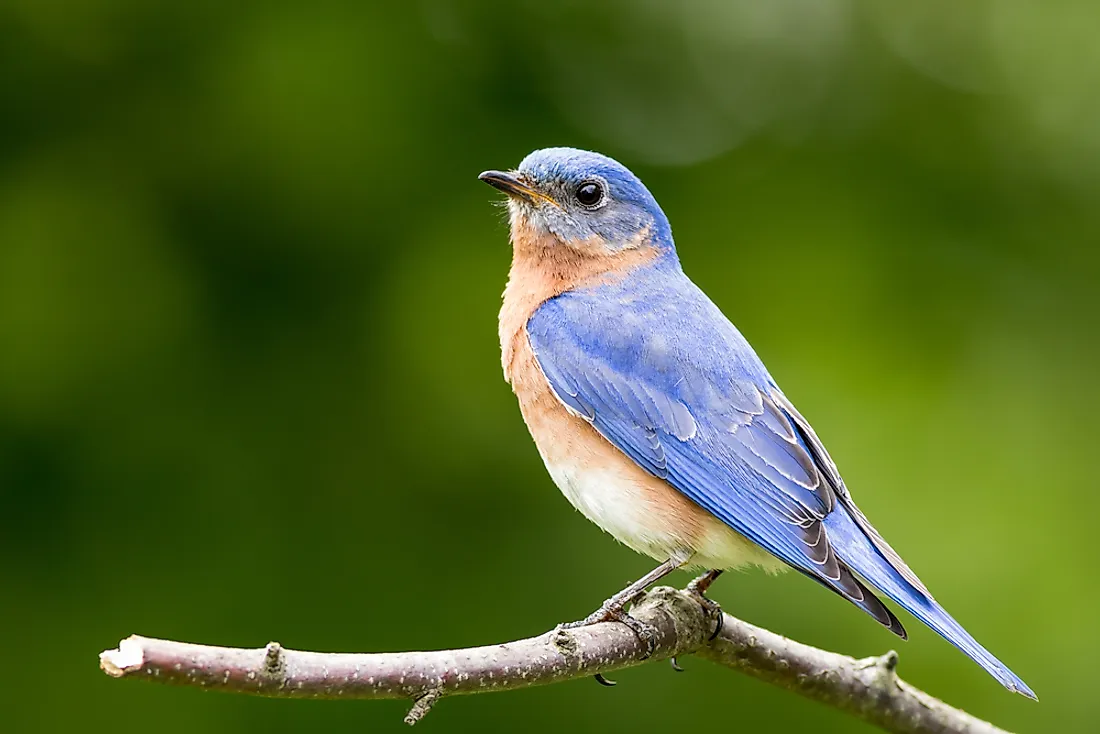
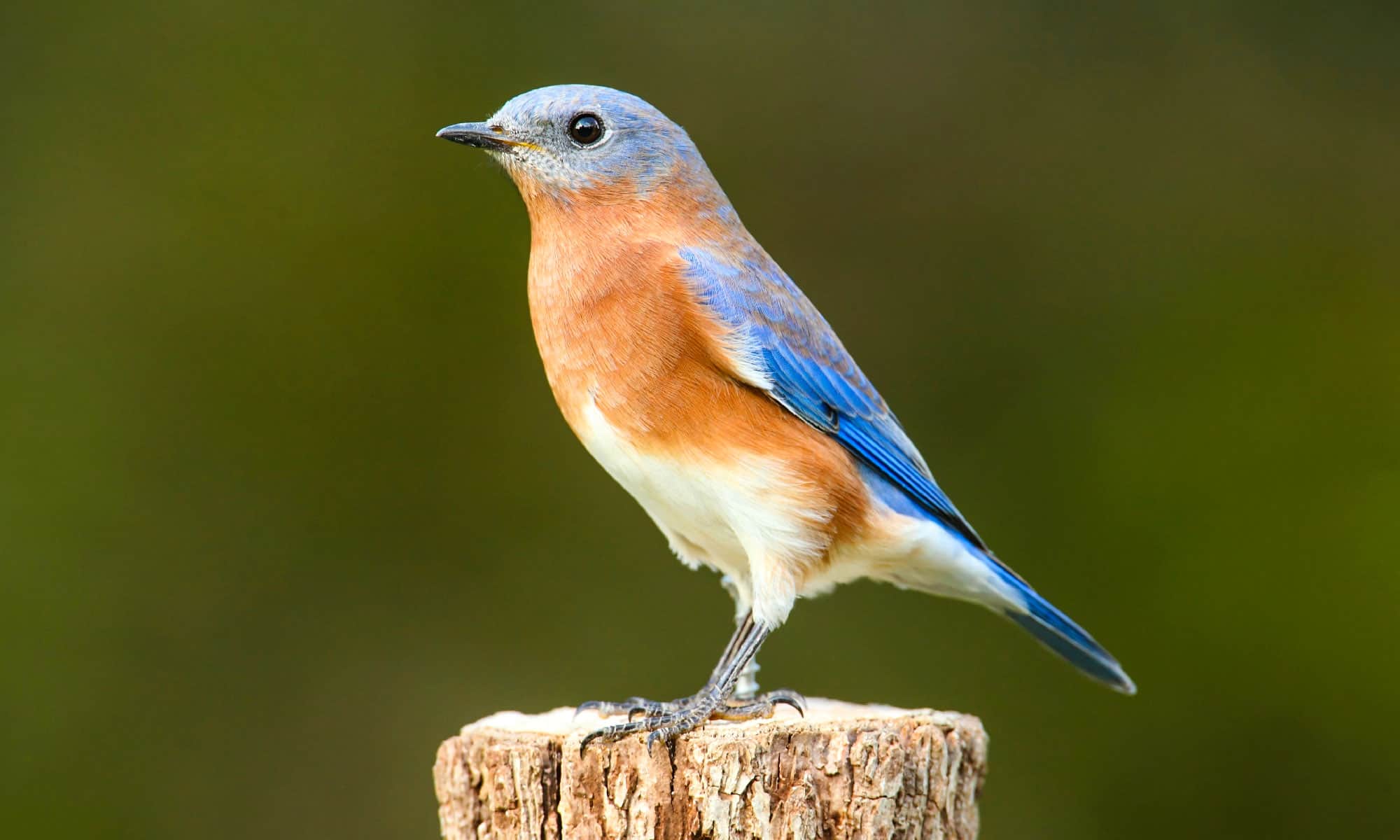
The answer to the question, “What is New York‘s bird?” is the Eastern Bluebird (Sialia sialis). This charming avian, with its striking cerulean plumage, was officially designated as the state bird of New York in 1970. This designation wasn’t merely an arbitrary choice; it was a recognition of the Eastern Bluebird‘s widespread presence and its embodiment of the state’s natural landscapes.
A Glimpse into the Eastern Bluebird‘s Characteristics
The Eastern Bluebird is a small thrush, measuring approximately 7 inches in length. The male is particularly distinctive, boasting a brilliant azure blue on its head, back, wings, and tail. Its breast and belly are a warm, rusty cinnamon hue, creating a beautiful contrast. Females are more subdued in color, with grayish-blue upperparts and a paler, buffy-orange breast. Both sexes have a delicate, pointed bill and dark eyes.
Their song is a soft, warbling melody, often described as a series of cheerful, liquid notes. It’s a sound that evokes a sense of peace and tranquility, a welcome counterpoint to the urban clamor of New York City.
Habitat and Distribution Across New York
While the image of New York often conjures images of skyscrapers and busy streets, the Eastern Bluebird thrives in more open, rural, and suburban environments. They are cavity nesters, meaning they rely on natural holes in trees or abandoned nest boxes for their homes. This preference dictates their preferred habitats within the state.
Where to Find the Eastern Bluebird in New York
The Eastern Bluebird can be found throughout New York State, though their distribution is more concentrated in areas with suitable nesting sites and foraging grounds. These include:
- Rural Farmlands and Pastures: Open fields dotted with scattered trees and hedgerows provide ideal hunting grounds for insects and ample nesting opportunities. This type of landscape is prevalent in upstate New York, away from the dense urban sprawl.
- Orchards and Vineyards: Similar to farmlands, these cultivated areas often offer a mix of open space and suitable nesting sites.
- Parks and Golf Courses: Larger, well-maintained green spaces, particularly those with a mix of trees and open lawn, can attract Eastern Bluebirds. This is particularly relevant for visitors staying in New York accommodations who wish to explore nearby natural areas.
- Woodlands with Openings: Forests that have clearings, edges, or are interspersed with meadows are also favored.
- Suburban Gardens and Yards: Even in more developed areas, if residents provide nest boxes and a suitable environment with minimal pesticide use, Eastern Bluebirds can make their homes.
For travelers seeking to experience the Eastern Bluebird in its natural element, venturing beyond New York City is highly recommended. Regions like the Hudson Valley, the Adirondack Mountains, and the Finger Lakes offer abundant opportunities to explore the state’s more bucolic landscapes where this bird is a common sight. Imagine a leisurely drive through the Hudson Valley, stopping at charming towns and scenic overlooks, and keeping an eye out for flashes of blue darting among the trees.
Experiencing the Eastern Bluebird: Travel and Tourism Tips
For nature enthusiasts and birdwatchers, the Eastern Bluebird offers a delightful addition to any New York travel itinerary. While spotting any wild bird requires patience and a bit of luck, understanding their habits and preferred locations can significantly increase your chances of a sighting.
Planning Your Eastern Bluebird Expedition
When planning a trip focused on experiencing New York‘s natural wonders, including its state bird, consider the following:
Best Times to Visit
The Eastern Bluebird is a year-round resident in much of New York, but their activity levels and visibility vary seasonally.
- Spring (March-May): This is a particularly exciting time as birds return from their wintering grounds, establish territories, and begin nesting. The males’ vibrant plumage is at its peak, and their songs are more prominent as they court females.
- Summer (June-August): The breeding season is in full swing. You may see adults feeding fledglings, a heartwarming sight. While the males’ colors remain striking, the overall chorus of birdsong might be slightly less intense than in spring.
- Autumn (September-November): You can still see Eastern Bluebirds, especially during migration periods when they might gather in small flocks. Their colors might appear a bit muted in the changing light.
- Winter (December-February): While less common and harder to spot, some Eastern Bluebirds may remain in New York during milder winters, particularly in areas where food sources are available.
Birdwatching Hotspots and Activities
Beyond simply driving through rural areas, engaging in dedicated birdwatching activities can enhance your experience.
- State Parks and Nature Preserves: New York boasts numerous state parks and nature preserves that are managed to protect native wildlife. Many of these offer well-maintained trails that wind through suitable habitats. Consider parks like Allegany State Park, Robert H. Treman State Park, or Letchworth State Park. These destinations often provide visitor centers with information about local wildlife and guided nature walks.
- Local Audubon Societies: Connecting with local chapters of the National Audubon Society can provide invaluable insights. They often organize bird walks, share information about local birding hotspots, and can offer guidance on ethical birdwatching practices.
- Nest Box Programs: In areas where natural cavities are scarce, conservation efforts often involve placing nest boxes. Many parks and nature centers have installed these boxes, specifically designed to attract Eastern Bluebirds. Observing these boxes can be a great way to locate breeding pairs.
- Patience and Observation: Birdwatching is an exercise in patience. Find a comfortable spot in a likely habitat, remain quiet, and observe your surroundings. Binoculars are an essential tool for birdwatchers, allowing for closer views without disturbing the birds.
Accommodation and Travel Considerations
When planning your New York adventure with birdwatching in mind, your choice of accommodation and travel style can significantly impact your experience.
- Rural Lodging: Opting for a stay in a charming bed and breakfast, a cabin in the woods, or a country inn located in upstate New York will place you closer to the preferred habitats of the Eastern Bluebird. This allows for spontaneous early morning or late afternoon birding excursions right from your doorstep.
- Eco-Tourism Focused Resorts: Some resorts and hotels are increasingly focusing on eco-tourism, offering guided nature tours, birding excursions, and educational programs about local flora and fauna. Researching such establishments can align your travel with your interest in wildlife.
- Campervans and RVs: For the more adventurous, renting a campervan or RV allows for flexible travel and the ability to camp in or near natural areas, maximizing your opportunities for wildlife encounters.
By understanding the Eastern Bluebird‘s needs and preferences, and by incorporating birdwatching into your travel plans, you can connect with a significant aspect of New York‘s natural heritage. The sight of this vivid blue bird against the backdrop of New York‘s diverse landscapes is a truly rewarding experience, offering a peaceful and beautiful counterpoint to the state’s more urban attractions. Whether you are drawn to the grandeur of Niagara Falls or the artistic allure of Broadway, remember that New York‘s natural world, with its resident Eastern Bluebird, offers a rich and rewarding dimension to explore.