
When one thinks of New York, images of bustling city streets, towering skyscrapers like the Empire State Building, and iconic landmarks such as the Statue of Liberty often come to mind. However, beyond the urban marvels of Manhattan and its vibrant boroughs—Brooklyn, Queens, The Bronx, and Staten Island—lies a state rich in natural beauty, diverse ecosystems, and a surprising abundance of wildlife. For travelers eager to delve deeper into New York’s less explored facets, the state bird offers a delightful introduction to its wilder side. The official state bird of New York is the enchanting Eastern Bluebird, a creature that embodies the serene charm and ecological vitality often overlooked by those solely focused on metropolitan adventures.
Designated as the state bird in 1970, the Eastern Bluebird (Sialia sialis) is more than just a pretty face; it’s a symbol of hope, resilience, and the natural heritage that defines much of Upstate New York and beyond. Its presence encourages both residents and visitors to pause, look to the skies, and appreciate the intricate tapestry of life that thrives within the state’s borders. For those passionate about travel, tourism, and experiencing destinations beyond the conventional, discovering the Eastern Bluebird opens up a world of birdwatching adventures, scenic landscapes, and opportunities for responsible eco-tourism that align perfectly with a lifestyle centered on appreciating natural wonders. This article will guide you through the allure of the Eastern Bluebird, highlighting where to find it, what makes it special, and how to integrate this unique natural experience into your next New York itinerary, offering insights into accommodations, travel guides, and authentic local experiences.
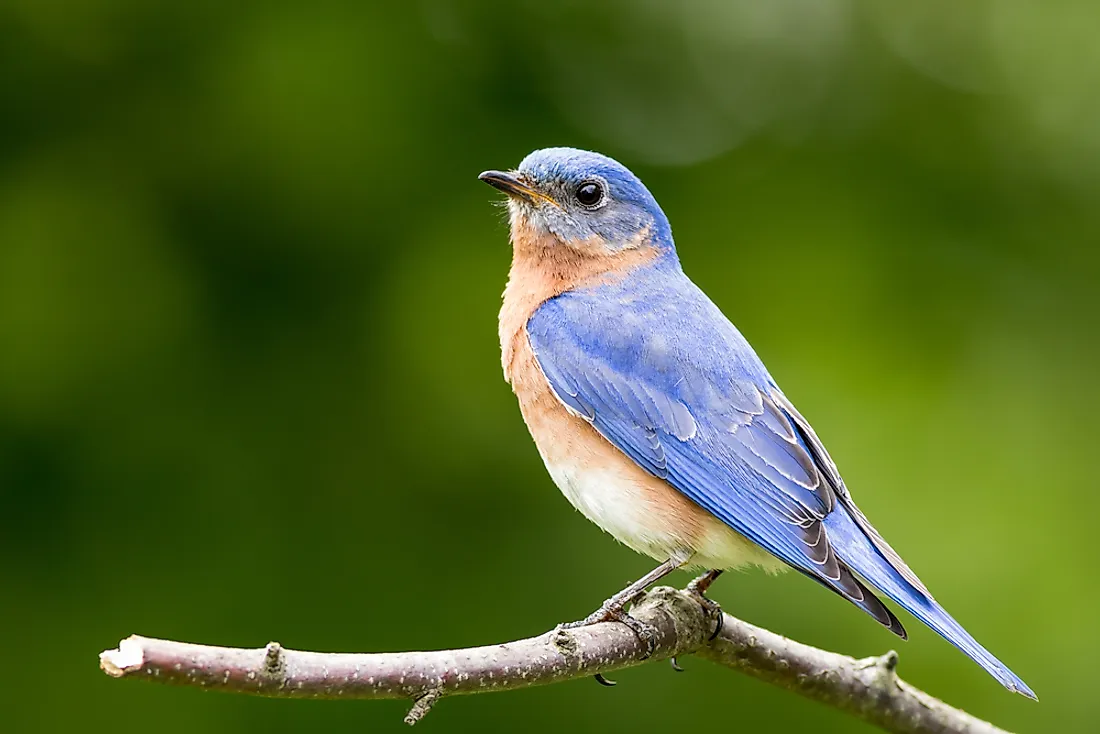
The Eastern Bluebird: A Symbol of New York’s Natural Beauty
The choice of the Eastern Bluebird as New York’s state bird is a testament to its widespread presence and beloved status across the state’s varied landscapes. This small, thrush-like songbird is renowned for its striking plumage and gentle demeanor, making it a favorite among birdwatchers and casual observers alike. Understanding its characteristics and habitat preferences is the first step toward incorporating a birdwatching experience into your New York travel plans.
Characteristics and Habitat
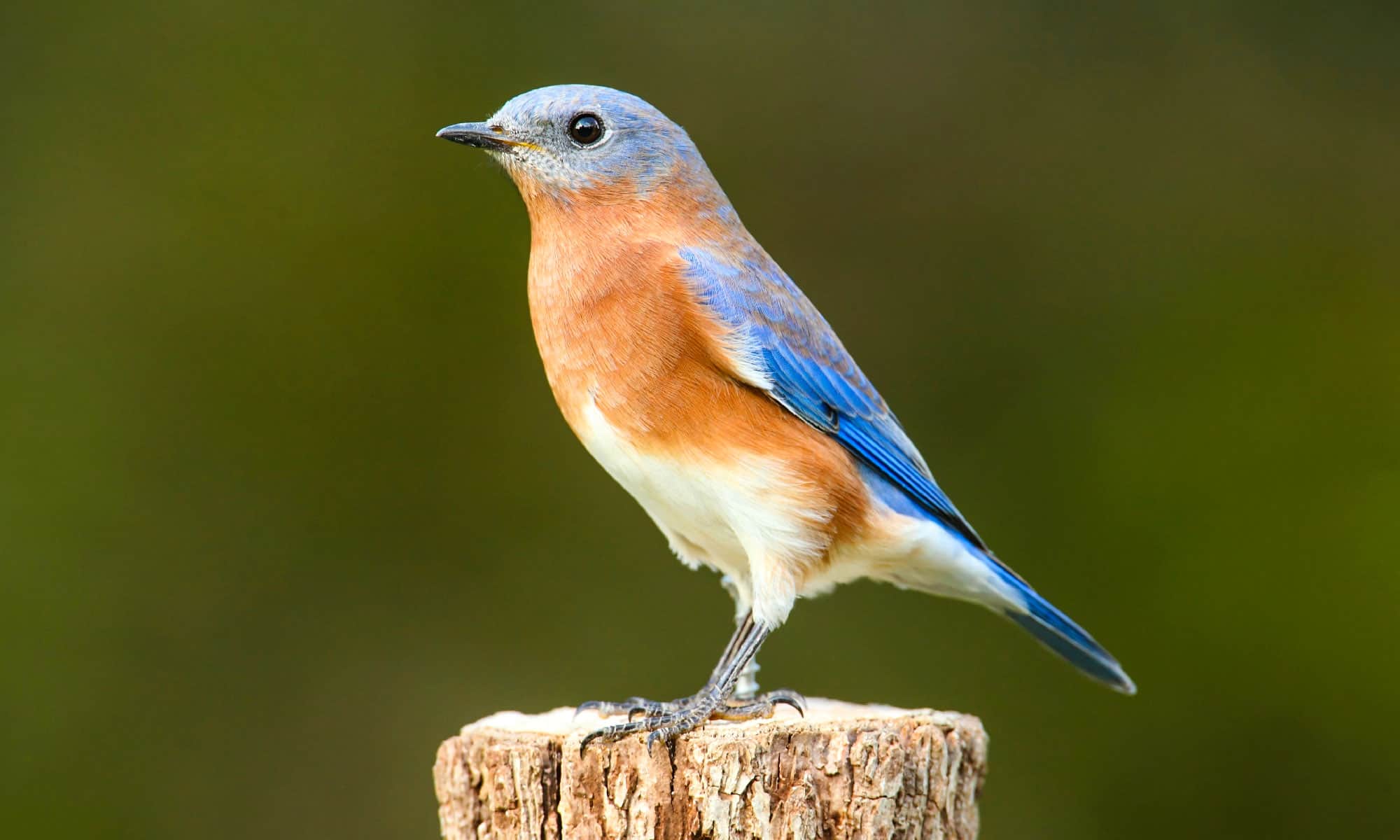
The Eastern Bluebird is easily identifiable by its brilliant, sky-blue back and head, a rusty orange throat and breast, and a white belly. Males typically display more vivid colors than females, which tend to have duller blue and orange tones. Measuring about 6-8 inches in length, with a wingspan of 10-12 inches, these birds are relatively small but leave a lasting impression with their vibrant appearance. Their soft, warbling song is another distinguishing feature, often described as a melodious “chur-lee, chur-lee.”
In terms of habitat, Eastern Bluebirds prefer open woodlands, orchards, pastures, and fields with scattered trees, which are abundant throughout much of Upstate New York and even parts of Long Island. Unlike some birds that thrive in dense forests, bluebirds favor areas with short grass for foraging insects and require tree cavities or birdhouses for nesting. This preference means that many of New York’s state parks, nature preserves, and even agricultural lands provide ideal environments for spotting them. Travelers exploring the scenic routes of the Hudson Valley or the serene countryside of the Finger Lakes region will find ample opportunities to encounter these beautiful birds. This makes incorporating bluebird spotting into a road trip or a multi-day itinerary a seamless experience for those looking to explore the natural attractions and hidden gems of the state.
Conservation Efforts and Birdwatching
The story of the Eastern Bluebird in North America is one of decline and inspiring recovery. In the early to mid-20th century, their populations suffered significant drops due to habitat loss, pesticide use, and competition for nesting sites from aggressive introduced species like house sparrows and European starlings. However, dedicated conservation efforts by groups like the Audubon Society and countless volunteers have led to a remarkable comeback. The establishment of bluebird trails—networks of specially designed nest boxes—has been particularly effective.
For eco-conscious travelers and nature enthusiasts, participating in or simply observing these conservation initiatives can be a rewarding experience. Many state parks and nature centers in New York offer educational programs about bluebird conservation, providing insights into local ecology and citizen science. Birdwatching for Eastern Bluebirds is a tranquil and accessible activity, suitable for all ages and skill levels, making it a perfect addition to family trips or a peaceful solo retreat. It encourages slow travel and a deeper connection to the environment, allowing visitors to truly immerse themselves in New York’s natural world. Guides focusing on local wildlife often highlight the best times and locations for observing bluebirds, enhancing the experience for those seeking expert insights.

Experiencing New York’s Wild Side: Birdwatching and Beyond
Beyond the specific delight of spotting the Eastern Bluebird, New York offers a wealth of destinations where nature tourism thrives. Integrating birdwatching into a broader travel plan allows visitors to appreciate the state’s diverse landscapes and engage with local culture in a meaningful way.
Premier Birdwatching Destinations in New York
While Eastern Bluebirds can be found in many rural and semi-rural areas, certain regions and specific landmarks stand out as prime locations for birdwatching, often providing excellent opportunities to observe the state bird.
- Adirondack Park: As the largest publicly protected area in the contiguous United States, the Adirondacks are a haven for wildlife. Its vast forests, pristine lakes, and open meadows provide ample habitat for bluebirds, alongside a myriad of other species. Travel guides to the Adirondacks frequently recommend birding trails, canoeing routes for water-based observation, and even guided tours led by local naturalists.
- Catskill Mountains: Closer to New York City, the Catskills offer a beautiful blend of forested peaks, charming valleys, and picturesque towns. The open areas near farms and along hiking trails are excellent for bluebird sightings. Many resorts and accommodations in the Catskills boast extensive grounds ideal for birdwatching right outside your door.
- Montezuma National Wildlife Refuge: Located in the Finger Lakes region, this refuge is a critical stopover point for migratory birds and supports a rich resident bird population, including bluebirds. It features observation towers, boardwalks, and driving routes specifically designed for wildlife viewing, making it an excellent destination for dedicated birding trips.
- Allegany State Park: In western New York, Allegany State Park offers a wilderness experience with deep forests, lakes, and open areas suitable for bluebirds. The park provides various trails and campgrounds, perfect for those seeking an immersive outdoor adventure.
- Central Park, New York City: Surprisingly, even within the heart of Manhattan, Central Park is a renowned birding hotspot, especially during migration. While less common than in rural areas, Eastern Bluebirds have been spotted here, offering an unexpected urban wildlife experience that contrasts beautifully with the surrounding cityscape. Guided bird walks are often available, demonstrating how tourism can thrive even in unexpected natural pockets.
These destinations are not just about birdwatching; they are complete travel experiences. They offer opportunities for hiking, kayaking, fishing, and exploring local towns with unique cultures, food scenes, and historical landmarks. Travelers can seamlessly combine a nature-focused trip with broader tourist activities, making for a well-rounded and memorable visit to New York.
Blending Nature with New York’s Diverse Offerings
A trip to observe the Eastern Bluebird doesn’t have to be solely about birds. It can be integrated into a wide range of travel lifestyles. For families, educational programs at nature centers and easy-to-navigate trails can turn birdwatching into an engaging activity for children. Budget travelers can enjoy camping in state parks, while luxury travelers might opt for high-end eco-lodges that offer guided nature tours.
Imagine starting your day with a peaceful bluebird sighting, followed by a visit to a local vineyard in the Finger Lakes, or exploring the art galleries and boutiques of Saratoga Springs. Perhaps a stop at the Baseball Hall of Fame in Cooperstown or the Corning Museum of Glass in Corning could complement your nature excursions. New York’s diverse offerings ensure that every traveler can craft an itinerary that satisfies their interests, blending the tranquility of nature with the excitement of cultural and historical exploration. Local food scenes, from farm-to-table restaurants in rural areas to charming cafes, provide delicious sustenance after a morning of birding. These experiences allow travelers to truly connect with the local culture and lifestyle of the regions they visit.
Where to Stay: Accommodations for Nature Enthusiasts
Finding the right accommodation is key to a successful travel experience, especially when nature and birdwatching are priorities. New York offers a spectrum of choices, from rustic cabins nestled deep in the wilderness to luxurious resorts with expansive grounds, all catering to varying budgets and preferences.
Adirondacks and Catskills Retreats
For those focused on immersive nature experiences, particularly in regions known for their bluebird populations, the Adirondacks and Catskills provide excellent options.
- Rustic Cabins and Campgrounds: Many state parks and private campgrounds offer cabins, lean-tos, or sites for tents and RVs. These accommodations provide direct access to hiking trails and natural habitats, perfect for early morning birdwatching. They are often budget-friendly and cater to a more adventurous, outdoorsy lifestyle.
- Boutique Resorts and Eco-Lodges: For a blend of comfort and nature, boutique resorts are ideal. Places like the historic Lake Placid Lodge in the Adirondacks or the magnificent Mohonk Mountain House in the Catskills offer luxurious stays with extensive private grounds, often including guided nature walks and birding programs. These resorts provide amenities like spas, fine dining, and curated experiences, blending luxury travel with a deep appreciation for the surrounding environment. Reviewing options and comparing amenities is crucial for booking the perfect stay.
- Vacation Rentals and Apartments: For longer stays or family trips, renting a charming cabin or apartment through platforms that list local properties can offer a more personalized experience. These accommodations often come with private outdoor spaces, perfect for setting up a bird feeder or simply enjoying the tranquility of nature.
When choosing accommodation, look for properties that emphasize their natural surroundings, offer outdoor activities, or are situated near state parks and wildlife refuges. Many hotels and resorts now highlight their commitment to sustainable tourism, appealing to environmentally conscious travelers.
Urban Escapes and Convenient Stays
Even if your primary destination is New York City, you can still incorporate nature into your trip. For travelers keen on exploring Central Park’s avian wonders or using the city as a base for day trips to nearby natural areas, urban hotels offer unparalleled convenience.
- Luxury City Hotels: Iconic establishments like The Plaza Hotel or the Four Seasons New York offer prime locations with easy access to Central Park. While not directly nature-focused, they provide a luxurious base from which to explore both the urban jungle and its green oasis. These hotels cater to a high-end lifestyle, offering exquisite dining, concierge services, and unparalleled comfort.
- Boutique Hotels and Apartments: Across Manhattan and Brooklyn, numerous boutique hotels and serviced apartments offer stylish and comfortable stays. These can be excellent for business travelers who want a touch of local flavor or families looking for more space. Proximity to subway lines or car rental services is key for those planning excursions outside the city.
- Accommodation Comparison and Booking: When planning your trip, use online platforms to compare hotels, resorts, and apartments. Read reviews from previous guests to ensure the property meets your expectations, especially concerning amenities and proximity to attractions, both urban and natural. Booking in advance, particularly for peak seasons, is always recommended to secure the best rates and availability.
Regardless of your preferred travel style or budget, New York’s accommodation options are diverse enough to support a trip focused on discovering the state’s natural beauty and its charming state bird.
The Eastern Bluebird and the New York Lifestyle
The appreciation of the Eastern Bluebird and the broader natural environment is deeply woven into certain aspects of the New York lifestyle, especially for those living outside the immediate metropolitan area. For travelers, engaging with this aspect offers a more authentic and enriching experience.
Educational and Family Experiences
For families traveling with children, the Eastern Bluebird provides a fantastic entry point into nature education. Many state parks and nature centers throughout New York offer guided programs specifically designed to teach about local wildlife, including bird identification, habitat conservation, and the importance of ecological balance. These experiences are invaluable for fostering a love for nature in younger generations. Imagine participating in a nest box building workshop or joining a guided bird walk where children can learn to spot bluebirds and understand their role in the ecosystem. Such activities not only create lasting family memories but also contribute to a deeper understanding of responsible tourism and environmental stewardship. They perfectly align with the “experiences” and “guides” aspects of travel, offering structured and informative ways to connect with local ecology.
Sustainable Tourism and Respecting Nature
Observing the Eastern Bluebird naturally leads to a focus on sustainable tourism. Travelers interested in this lifestyle prioritize minimizing their environmental impact, supporting local communities, and preserving the natural beauty of the places they visit. When birdwatching, this means staying on designated trails, not disturbing wildlife, and leaving no trace. Many accommodations and tour operators in New York, particularly in the Adirondacks and Catskills, now emphasize their eco-friendly practices, from energy conservation to sourcing local produce.
Choosing such businesses not only enhances your travel experience but also contributes positively to the regions you visit. Whether you’re planning a luxury eco-lodge stay or a budget-friendly camping trip, integrating sustainable practices elevates your journey from a simple vacation to a meaningful exploration of New York’s natural heritage. This conscious approach to travel ensures that the vibrant blue flash of the Eastern Bluebird continues to grace New York’s landscapes for generations to come, allowing future travelers to also enjoy these unique and captivating natural attractions.
In conclusion, while the bright lights of New York City often steal the spotlight, the state bird, the Eastern Bluebird, reminds us of the profound natural beauty that lies just beyond the urban expanse. From the sprawling wilderness of the Adirondacks to the rolling hills of the Finger Lakes and even surprising pockets within New York City itself, the opportunity to observe this captivating creature offers a unique lens through which to experience the state. Whether you’re a seasoned birdwatcher, a family seeking educational adventures, or a traveler simply looking to connect with nature, incorporating the search for the Eastern Bluebird into your New York itinerary promises an enriching and unforgettable journey. It’s an invitation to explore a different side of New York, one filled with vibrant colors, melodious songs, and the quiet awe of the natural world. So, pack your binoculars, choose your ideal accommodation, and set out to discover the stunning landscapes where New York’s state bird gracefully takes flight.
LifeOutOfTheBox is a participant in the Amazon Services LLC Associates Program, an affiliate advertising program designed to provide a means for sites to earn advertising fees by advertising and linking to Amazon.com. Amazon, the Amazon logo, AmazonSupply, and the AmazonSupply logo are trademarks of Amazon.com, Inc. or its affiliates. As an Amazon Associate we earn affiliate commissions from qualifying purchases.