
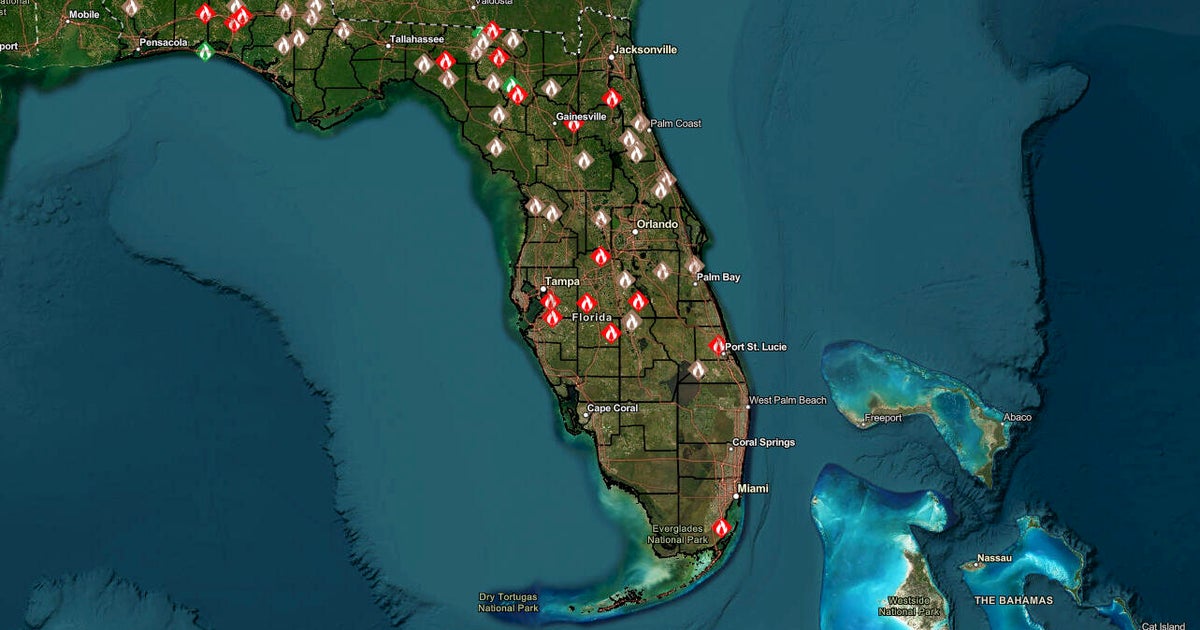
The vibrant and sun-drenched state of Florida is often associated with its iconic beaches, thrilling theme parks, and lush natural beauty. However, the phrase “on fire” can take on a very different meaning, referring to active wildfires that can impact travel, tourism, and the very landscape we seek to explore. While the allure of the Sunshine State remains strong, understanding the realities of its environment, including potential wildfire activity, is crucial for any traveler planning a visit, from seeking the perfect resort to exploring its breathtaking landmarks. This article delves into the phenomenon of wildfires in Florida, examining their causes, impacts, and how travelers can stay informed and prepared.

Understanding Florida’s Wildfire Landscape
Florida‘s subtropical climate, characterized by hot, humid summers and dry winters, creates a delicate balance in its ecosystems. This environment, while conducive to lush vegetation, also makes certain areas susceptible to wildfires, particularly during prolonged dry spells. These fires are not always destructive; in some cases, they are a natural part of the ecosystem, helping to clear undergrowth and regenerate certain plant species. However, when these fires occur close to populated areas or become unusually intense, they can pose significant challenges.
Causes of Florida Wildfires
The ignition of wildfires in Florida can be attributed to a combination of natural and human-induced factors.
-
Lightning Strikes: During Florida‘s frequent thunderstorm activity, lightning strikes are a primary natural cause of ignitions, especially in remote, undeveloped areas. These strikes can set dry vegetation ablaze, and if conditions are favorable – such as high winds and low humidity – the fire can spread rapidly.
-
Human Activity: A significant portion of wildfires are caused by human negligence. This includes:
- Campfires: Unattended or improperly extinguished campfires in recreational areas can easily ignite surrounding dry brush.
- Debris Burning: Individuals burning yard waste or agricultural debris without proper precautions can lead to escaped fires.
- Equipment Malfunctions: Sparks from machinery, vehicles, or power lines can ignite dry grasses and foliage.
- Arson: Unfortunately, intentional acts of arson also contribute to the wildfire problem in Florida.
- Discarded Cigarettes: A carelessly thrown cigarette butt can be enough to start a significant blaze in dry conditions.
-
Drought Conditions: Extended periods of drought are a major contributing factor. When rainfall is scarce, vegetation becomes extremely dry and flammable, acting as tinder that can be ignited by even a small spark. Florida experiences seasonal dry periods, and the intensity and duration of these droughts directly correlate with the risk of wildfires.
-
Wind Patterns: Strong winds, often associated with weather systems or even dry fronts, can fan the flames, increasing the speed and intensity of fire spread, making containment more difficult.
Types of Vegetation and Fire Behavior
Florida‘s diverse vegetation plays a crucial role in how wildfires behave. The state boasts a variety of ecosystems, from pine flatwoods and cypress swamps to coastal dunes and saw palmetto prairies.
-
Pine Flatwoods: These forests, common across Florida, are characterized by their pine trees and a dense understory of palmetto and wiregrass. This understory is highly flammable, and fires often burn intensely through it, even reaching the canopies of the pine trees. Prescribed burning is often used in these areas to reduce fuel loads and mimic natural fire cycles.
-
Cypress Swamps: While often wet, during prolonged dry periods, the peat and organic matter in cypress swamps can become dry enough to burn, leading to smoldering fires that can be difficult to extinguish and produce significant smoke.
-
Saw Palmetto Prairies: These open, grassy areas with scattered saw palmetto are highly susceptible to quick-moving, intense surface fires.
Impact of Wildfires on Travel and Tourism
Wildfires can have a profound and multifaceted impact on Florida‘s thriving travel and tourism industry. While the state is renowned for its outdoor attractions and natural beauty, active fires can disrupt these very experiences, affecting everything from vacation plans to local economies.
Disruption of Travel Plans
-
Road Closures: Wildfires often necessitate the closure of major highways and local roads, creating significant detours and delays for travelers. Areas like the Florida Turnpike or roads leading to popular destinations such as the Everglades National Park or beaches along the Gulf Coast can be temporarily inaccessible, forcing visitors to alter their itineraries. This can lead to missed flights, canceled hotel bookings, and a general sense of uncertainty for those on the move.
-
Air Quality Issues: Smoke from wildfires can travel hundreds of miles, severely impacting air quality in affected regions. This can lead to respiratory problems, reduced visibility, and an unpleasant environment for outdoor activities. Travelers might find themselves unable to enjoy a day at the beach in Miami or a visit to Walt Disney World Resort due to thick, acrid smoke. Airlines may also experience flight delays or cancellations due to poor visibility.
-
Evacuations and Safety Concerns: In extreme cases, wildfires can pose direct threats to communities, leading to mandatory or voluntary evacuations. This can disrupt stays in various accommodations, from luxury resorts in areas like Naples to charming bed and breakfasts in historic towns. The safety of visitors becomes paramount, and authorities may issue warnings or advisories that discourage travel to affected areas.
Impact on Attractions and Activities
- Closure of Parks and Natural Areas: Florida is home to numerous state and national parks, wildlife refuges, and natural springs, many of which are popular tourist destinations. Wildfires can lead to the temporary or even extended closure of these areas, preventing visitors from experiencing their natural wonders. For example, the Ocala National Forest or the hiking trails in Big Cypress National Preserve might be off-limits during active fire events.

-
Cancellation of Outdoor Events: Many of Florida‘s tourism offerings revolve around outdoor activities and events. Boat tours, fishing excursions, airboat rides through the swamps, and outdoor festivals can be canceled due to fire danger or the presence of smoke, leading to disappointment for tourists and lost revenue for local businesses.
-
Damage to Infrastructure: While less common, severe wildfires can damage infrastructure such as campgrounds, picnic areas, or even access roads to attractions, further limiting visitor access and enjoyment.
Economic Repercussions
The disruption caused by wildfires can have a significant negative economic impact on Florida‘s tourism-dependent communities.
-
Loss of Revenue: Reduced visitor numbers due to safety concerns, poor air quality, or access issues directly translate to lost revenue for hotels, restaurants, tour operators, and retail businesses. This can be particularly damaging for smaller, locally owned establishments.
-
Increased Costs: Local governments and emergency services face increased costs associated with firefighting efforts, evacuation management, and air quality monitoring.
-
Reputational Damage: Prolonged or severe wildfire seasons can, in the long term, affect the perception of Florida as a safe and desirable tourist destination. While the state is resilient, consistent negative news cycles about fires can deter potential visitors.
Staying Informed and Prepared for Florida Wildfires
For travelers planning a trip to Florida, staying informed about potential wildfire activity is a crucial aspect of responsible travel planning. Proactive measures and awareness can help mitigate disruptions and ensure a safer, more enjoyable experience.
Resources for Real-Time Information
-
Florida Forest Service: The Florida Forest Service is the primary agency responsible for wildfire management in the state. Their website and social media channels often provide real-time updates on active fires, burn bans, and wildfire danger levels. They also issue daily wildfire outlooks.
-
Local Emergency Management Agencies: Each county in Florida has an emergency management agency that provides localized information on evacuations, road closures, and safety advisories. Checking the websites or social media of the specific county you plan to visit is highly recommended.
-
National Weather Service: The National Weather Service provides crucial weather forecasts, including information on drought conditions, wind speeds, and lightning activity, all of which are contributing factors to wildfire risk.
-
Traffic and Road Condition Websites/Apps: Services like Google Maps, Waze, or the Florida Department of Transportation (FDOT)‘s FL511 system provide real-time traffic updates, including road closures due to wildfires.
Tips for Travelers
-
Check Conditions Before and During Your Trip: Before departing for Florida, check the Florida Forest Service website for any active fire alerts or burn bans. During your trip, continue to monitor local news and official channels for updates.
-
Heed Official Advisories: If authorities issue warnings or evacuation orders for an area you are visiting or plan to visit, take them seriously. Your safety is the top priority.
-
Be Mindful of Burn Bans: Many counties in Florida implement burn bans during dry periods to prevent accidental ignitions. Always check local ordinances regarding open flames and fireworks.
-
Respect Fire Restrictions: If you are camping or visiting areas where campfires are permitted, always ensure they are properly extinguished and follow all posted fire safety rules.
-
Consider Air Quality: If smoke is present, limit strenuous outdoor activities and stay indoors with windows and doors closed. If you have respiratory issues, take extra precautions.
-
Have a Flexible Itinerary: Wildfire situations can change rapidly. Having a flexible itinerary that allows for potential detours or a change of plans can reduce stress and disappointment. Consider alternative indoor activities or destinations that are not affected by fire activity.
-
Pack Appropriately: While not directly related to fire prevention, packing basic first-aid supplies and any necessary medications is always wise when traveling.
By understanding the dynamics of wildfires in Florida, recognizing their potential impact on travel, and utilizing available resources to stay informed, visitors can better navigate the Sunshine State, ensuring a memorable and safe adventure, even when the landscape experiences its fiery moments. The allure of Florida‘s diverse attractions, from its pristine beaches to its unique natural landmarks, remains, and with a little preparation, travelers can continue to enjoy all that this vibrant state has to offer.